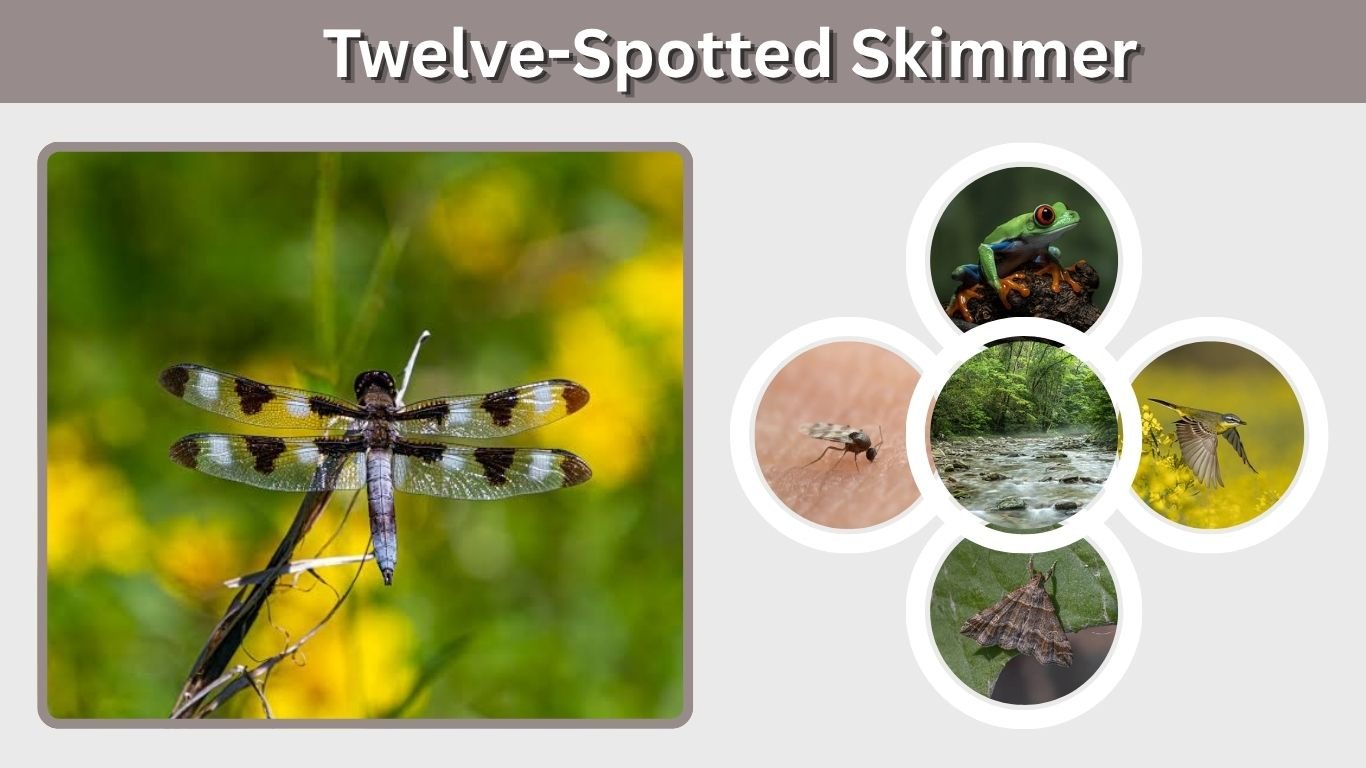
Twelve-Spotted Skimmer: Identification, Habitat & Facts
The twelve-spotted skimmer (Libellula pulchella) is a distinctive North American dragonfly named for the twelve dark patches spread across its four transparent wings. Mature males … Read More
The twelve-spotted skimmer (Libellula pulchella) is a distinctive North American dragonfly named for the twelve dark patches spread across its four transparent wings. Mature males … Read More
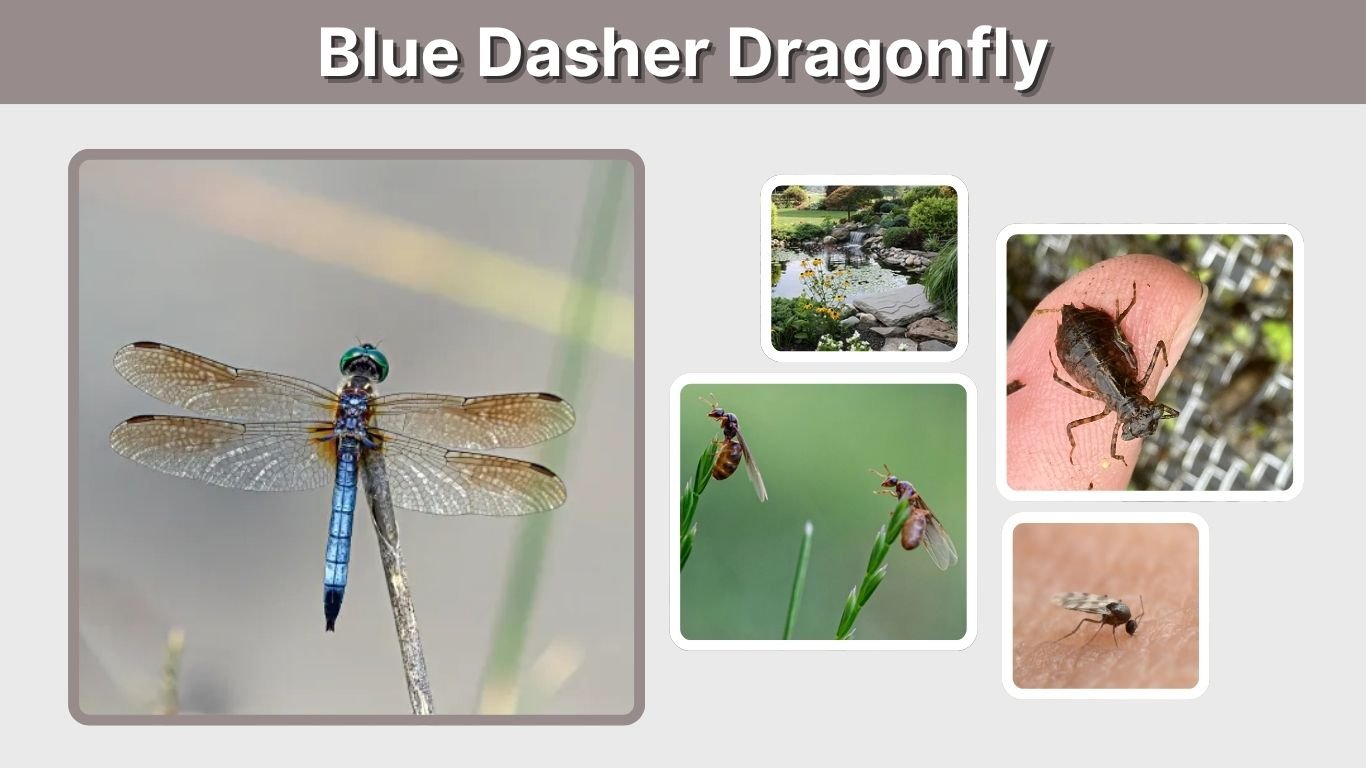
The blue dasher dragonfly is a small but striking dragonfly commonly seen around ponds, lakes, marshes, and slow-moving water across much of North America. Mature … Read More
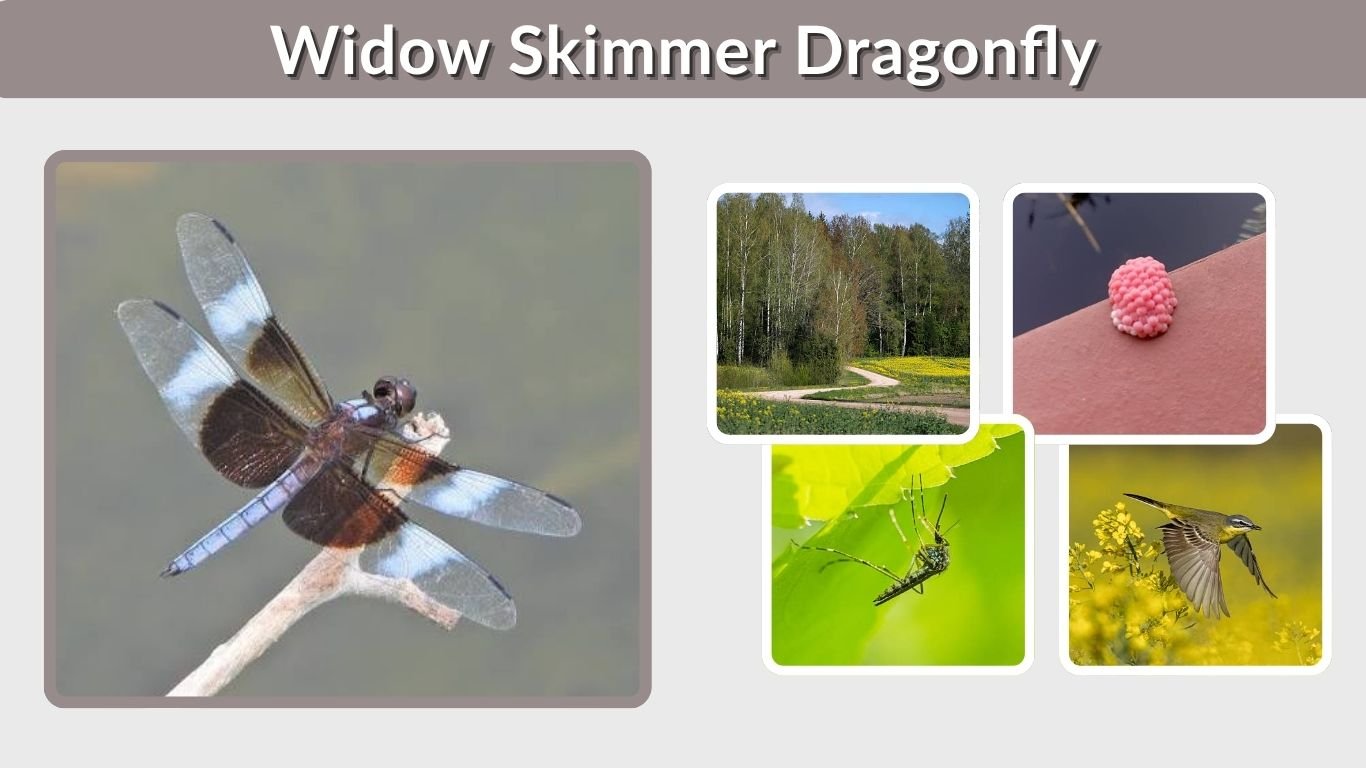
The widow skimmer (Libellula luctuosa) is a striking North American dragonfly known for broad dark patches across the bases of all four wings. Mature males … Read More
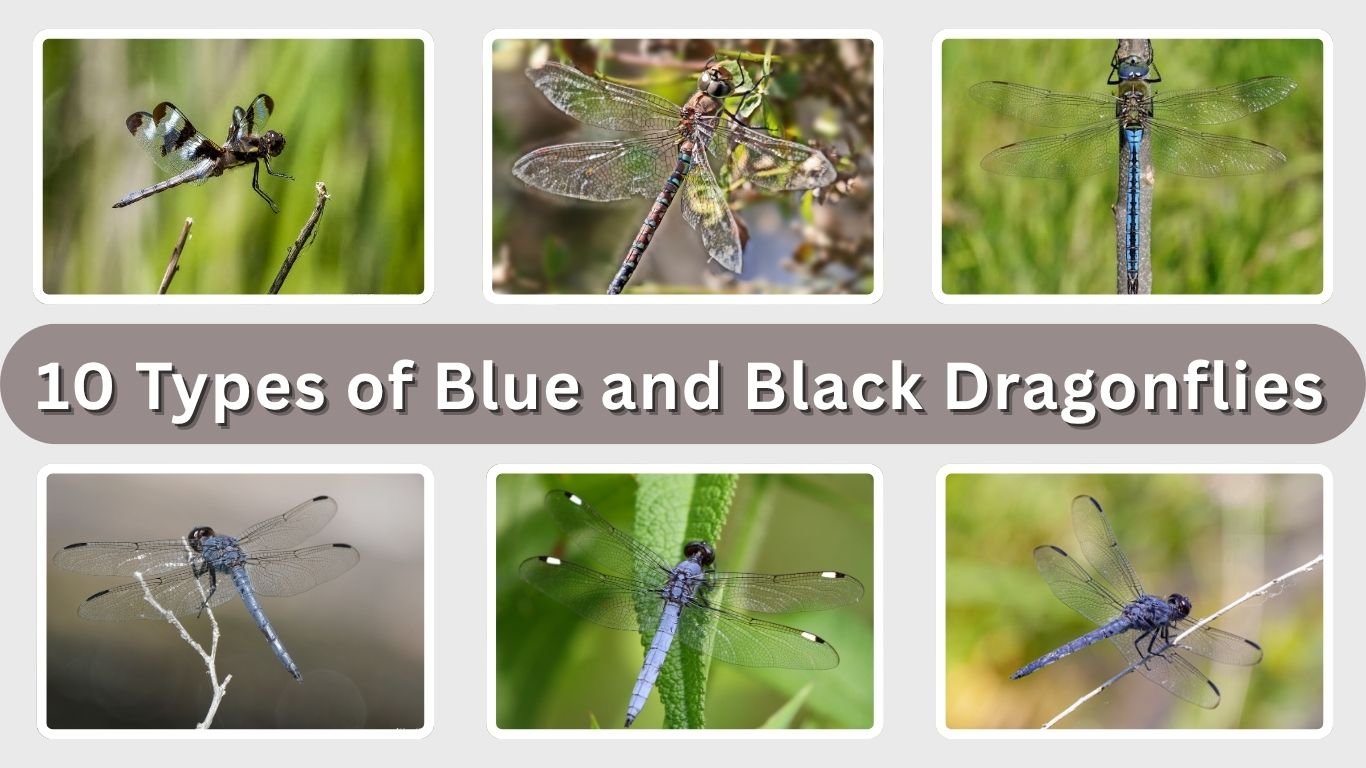
Blue and black dragonflies stand out around ponds, lakes, and wetlands, but their colors do not identify a single species. Some have powder-blue bodies and … Read More
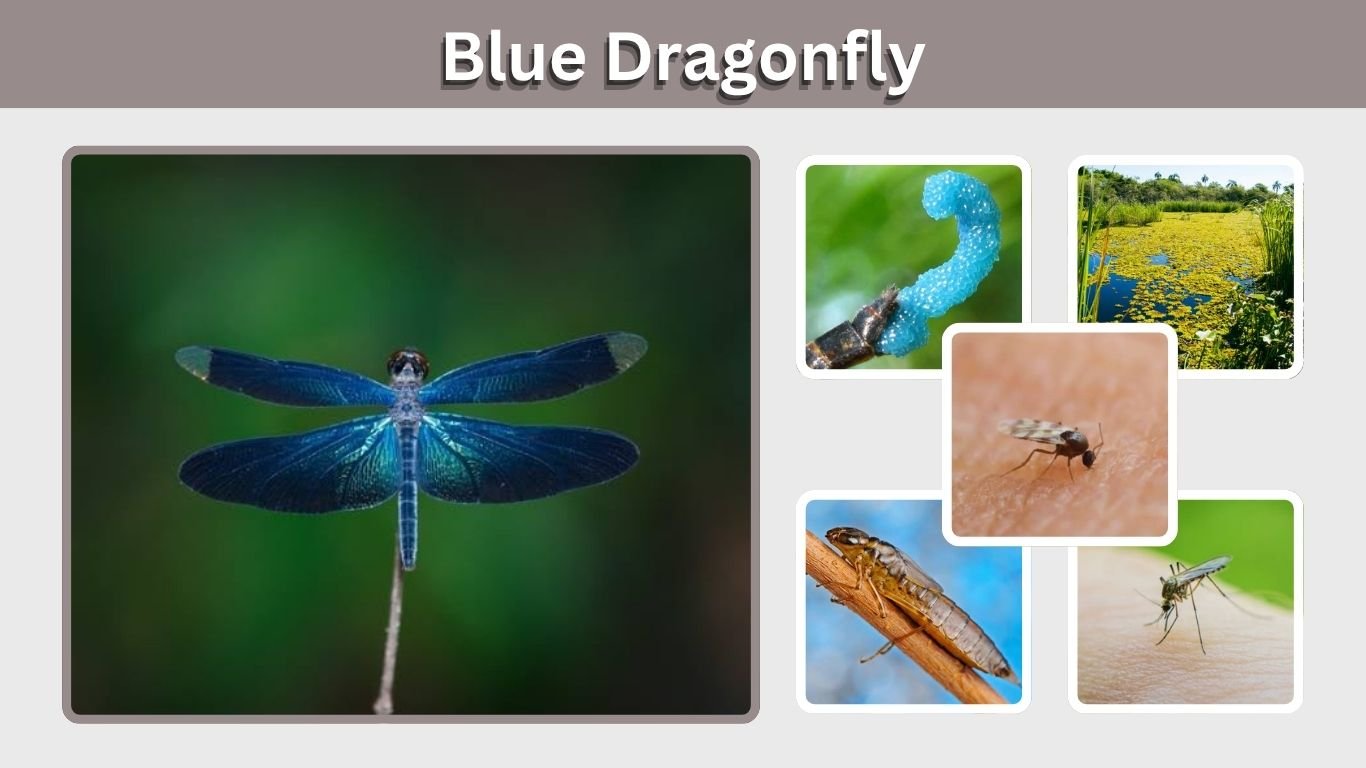
A blue dragonfly can be a small powder-blue insect perched beside a pond or a large, fast-flying hunter with blue-and-black markings. However, “blue dragonfly” is … Read More

Yes, dragonflies eat mosquitoes. Adults catch flying mosquitoes, while aquatic dragonfly nymphs can consume mosquito larvae underwater. This makes them predators of mosquitoes at two … Read More
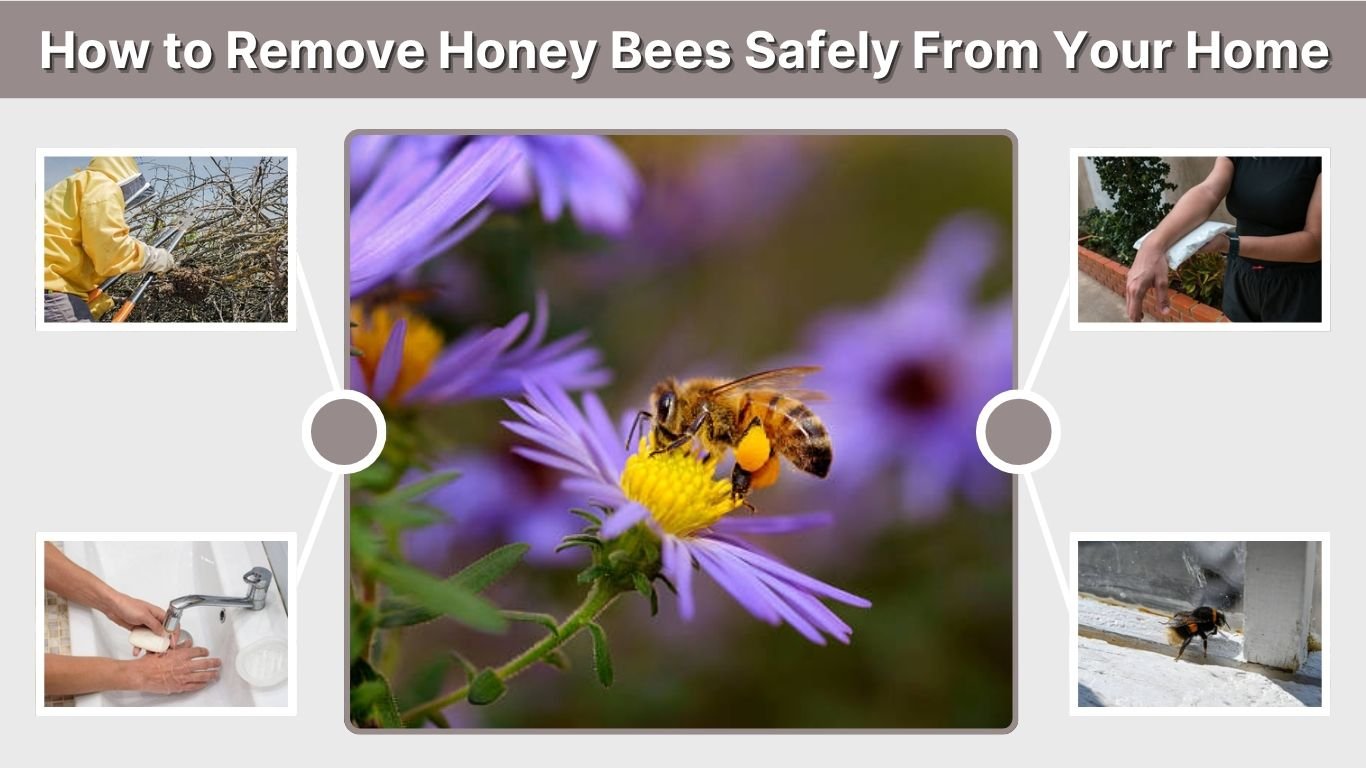
To remove honey bees safely, first determine whether you are dealing with one wandering bee, a temporary swarm, or an established nest. A single bee … Read More
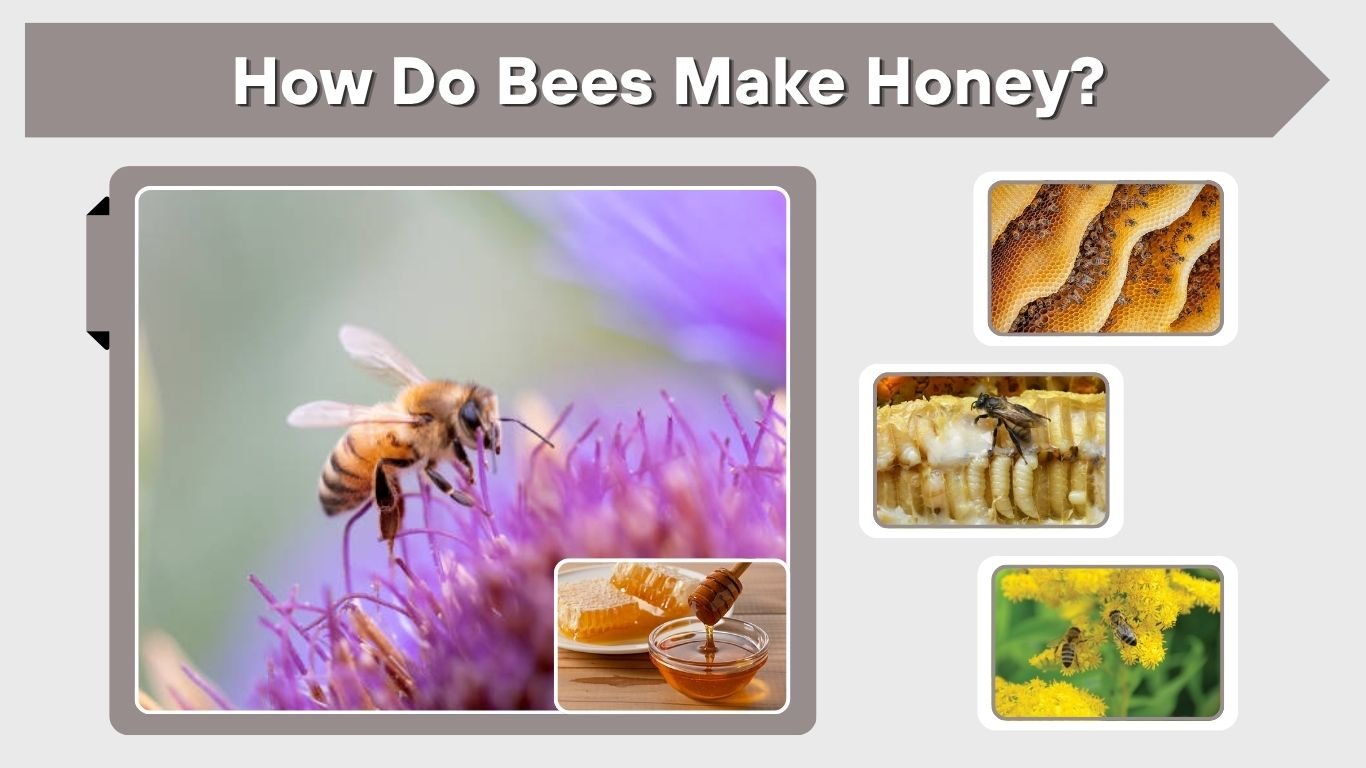
Honey bees make honey by collecting flower nectar, changing its sugars with enzymes, removing most of its water, and storing the finished food inside wax … Read More
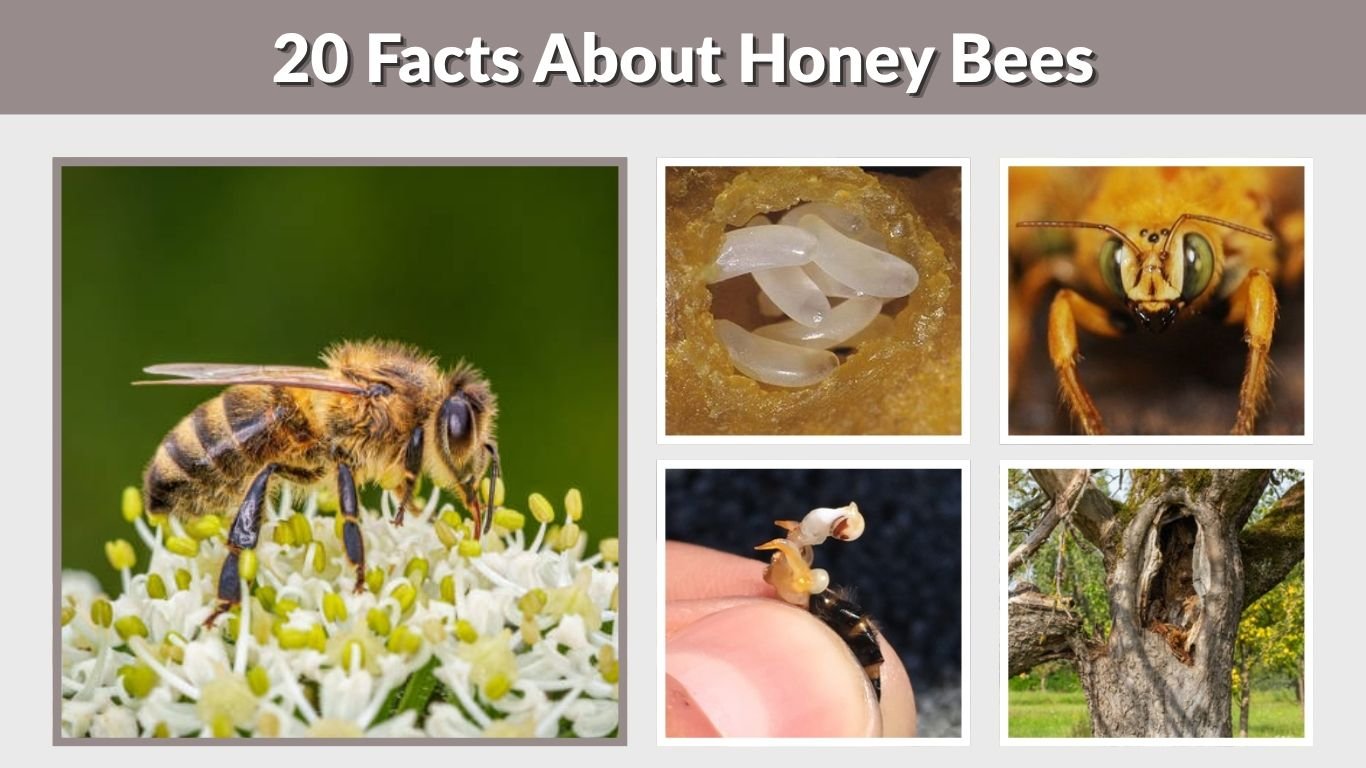
Honey bees are remarkable social insects that produce honey, pollinate flowering plants, and communicate through movement and scent. A healthy colony functions as an organized … Read More
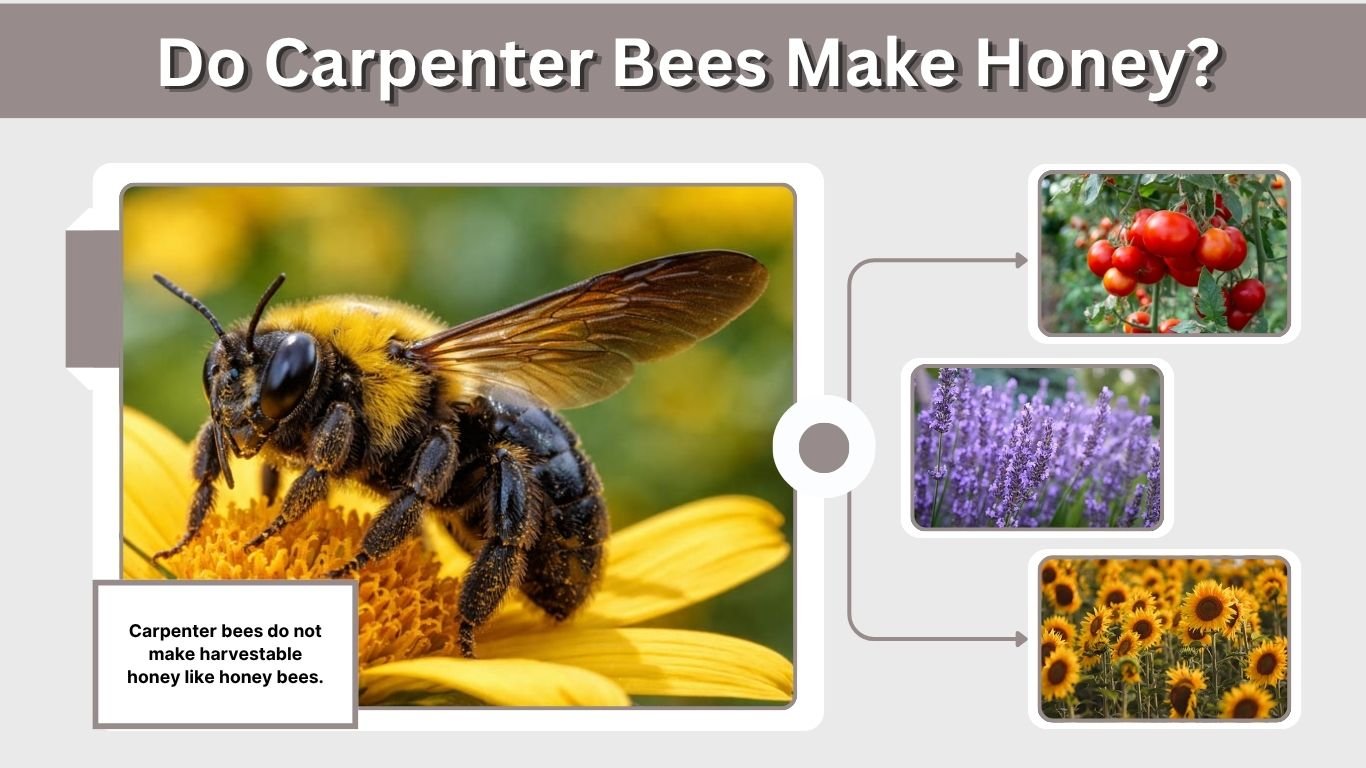
Carpenter bees do not make harvestable honey like honey bees. Although they collect nectar and pollen from flowers, female carpenter bees use these resources to … Read More
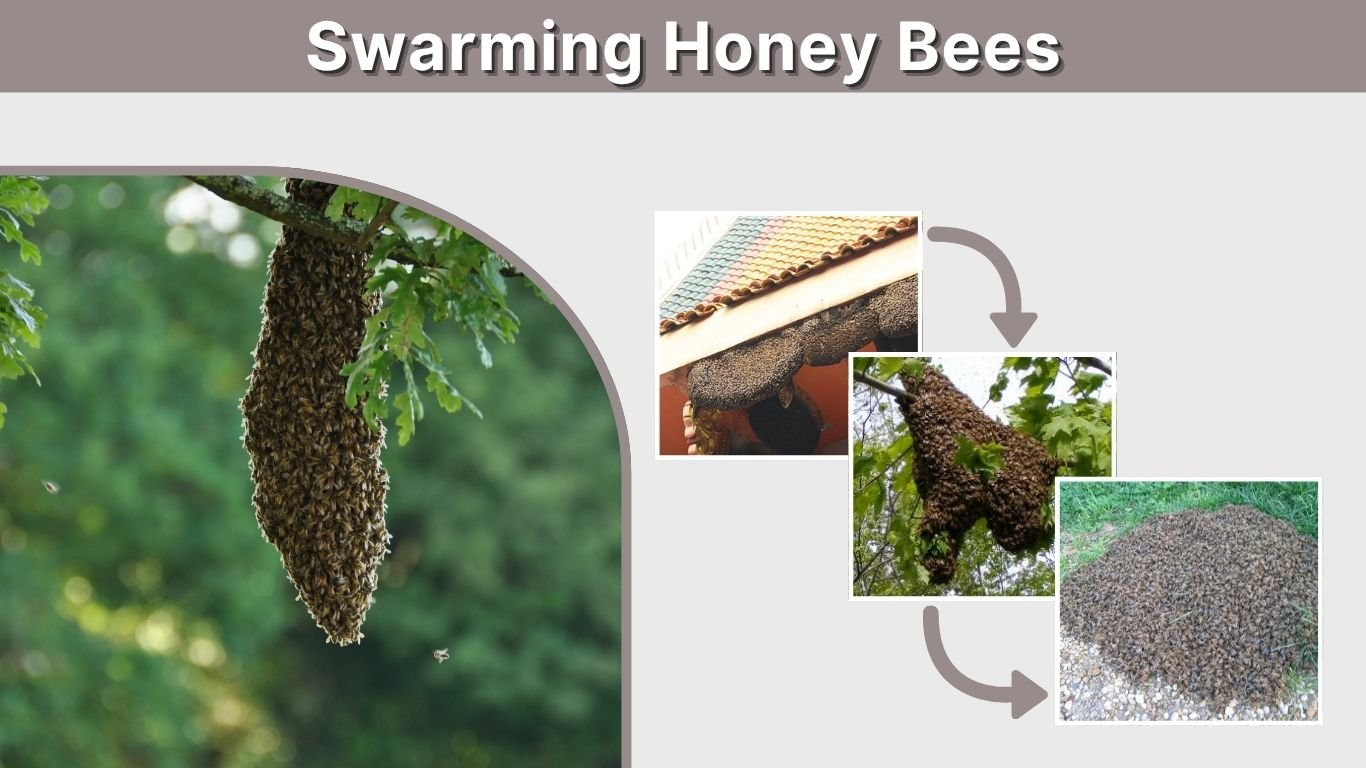
Swarming honey bees can look alarming, but it is usually a natural method of colony reproduction. Thousands of workers leave their original hive with the … Read More
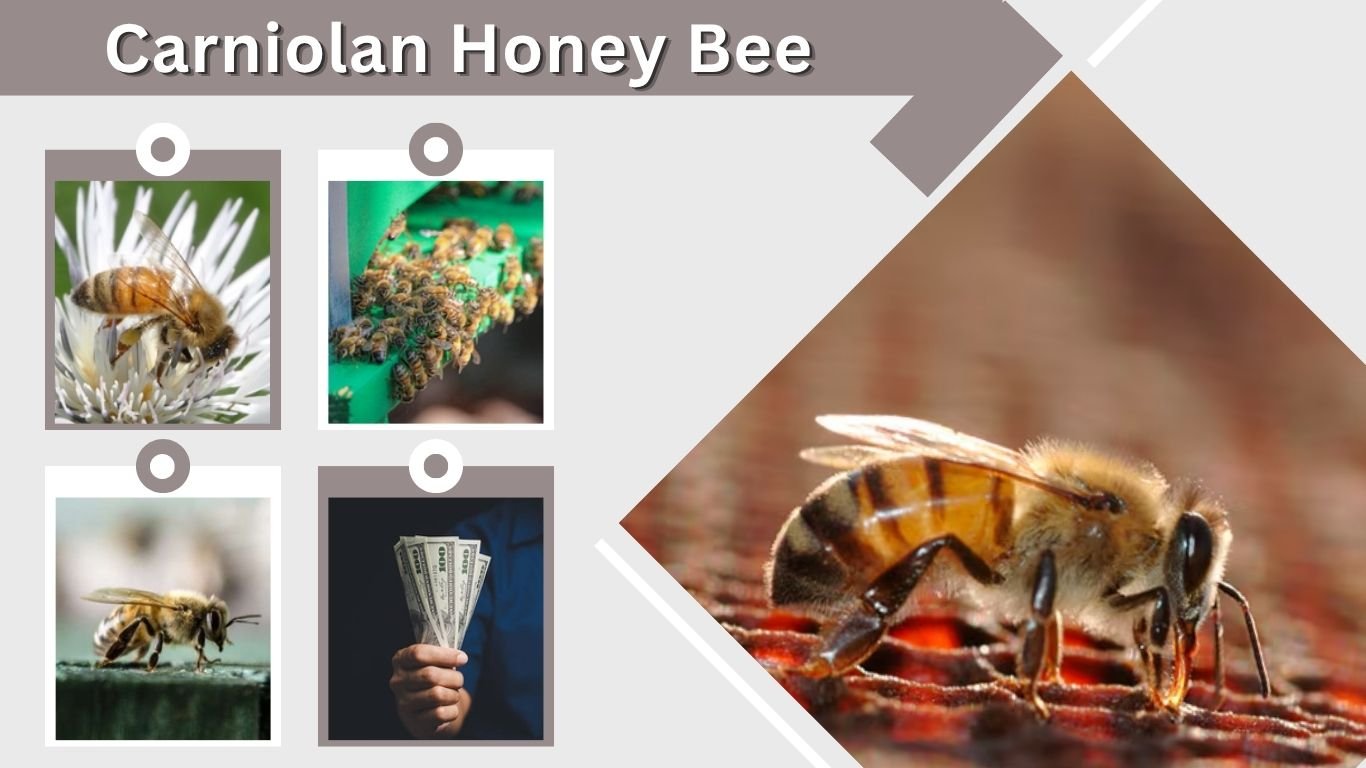
The Carniolan honey bee (Apis mellifera carnica) is a gentle, dark-colored subspecies valued for rapid spring growth, efficient overwintering, and strong honey production. Originating in … Read More