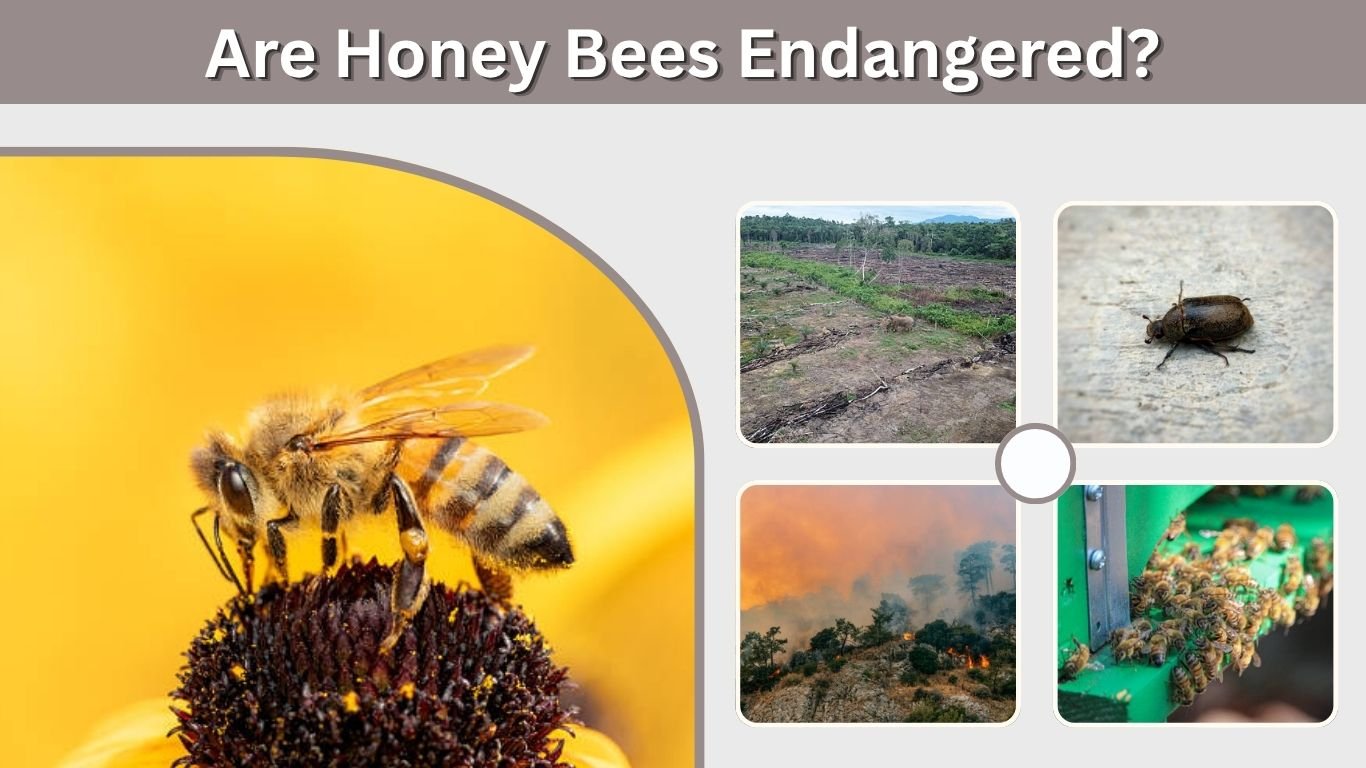
Are Honey Bees Endangered? Status, Threats, and Facts
Honey bees face serious health problems, but the familiar managed western honey bee is not globally classified as endangered. Millions of colonies are maintained by … Read More
Honey bees face serious health problems, but the familiar managed western honey bee is not globally classified as endangered. Millions of colonies are maintained by … Read More
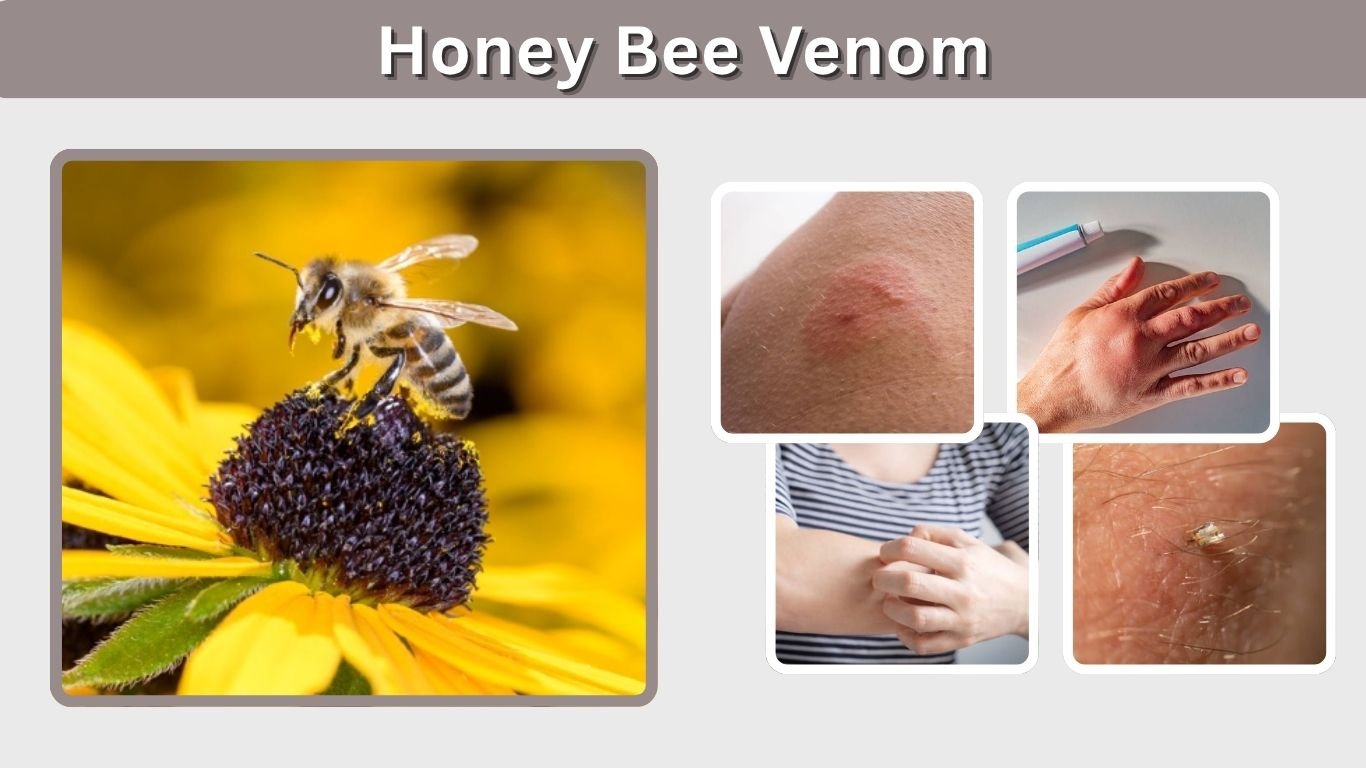
Honey bee venom is the defensive fluid delivered through a female bee’s stinger. It contains biologically active substances that produce pain and inflammation but also … Read More
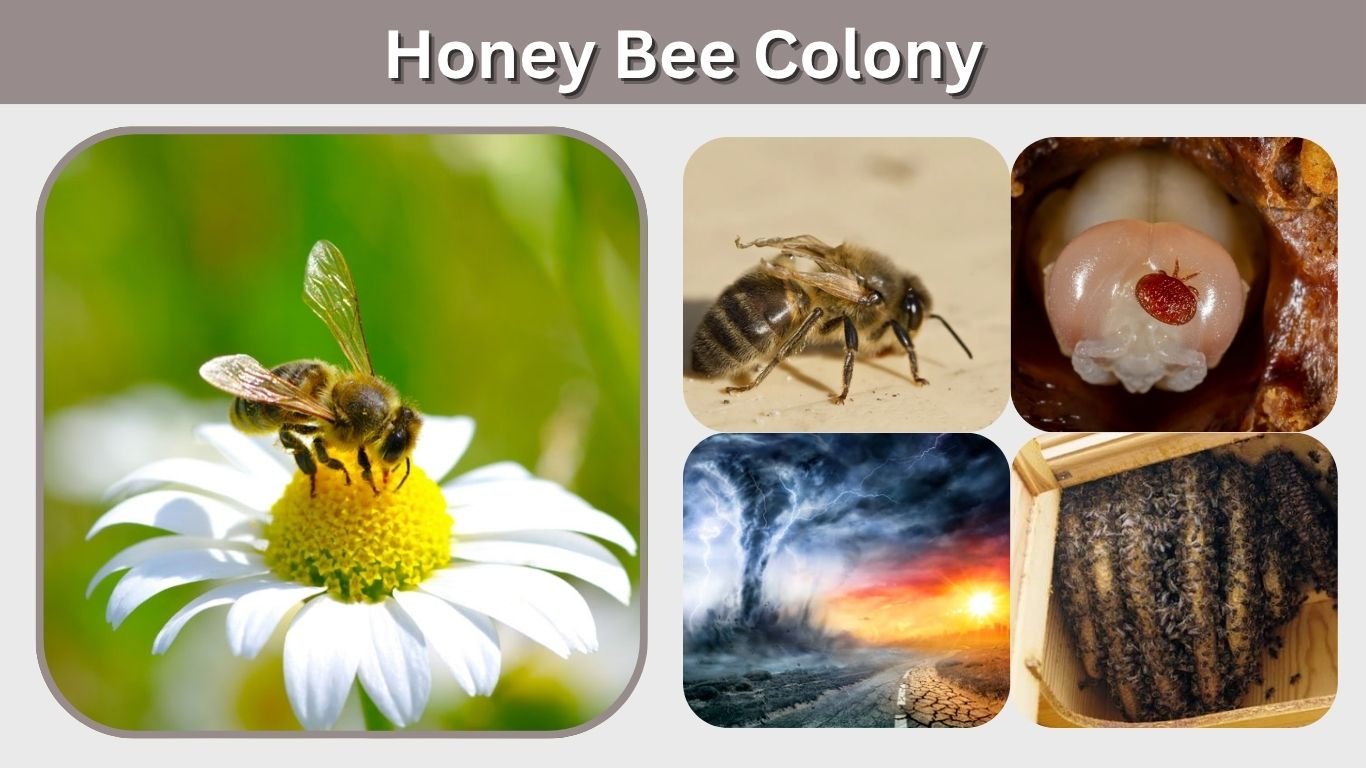
A honey bee colony is a highly organized community that functions almost like one living organism. It normally contains one queen, thousands of female workers, … Read More
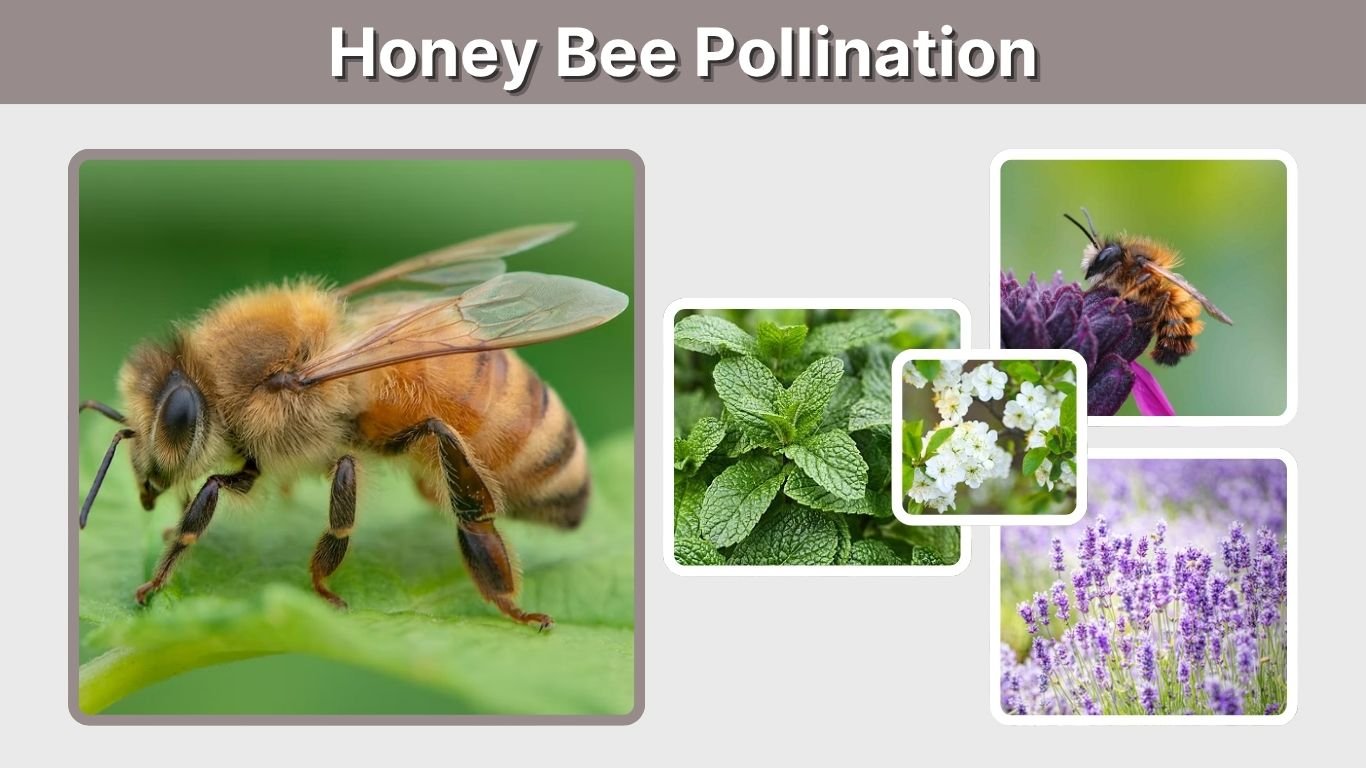
Honey bee pollination occurs when worker bees transfer pollen between flowers while collecting nectar and pollen for their colony. This movement allows many flowering plants … Read More
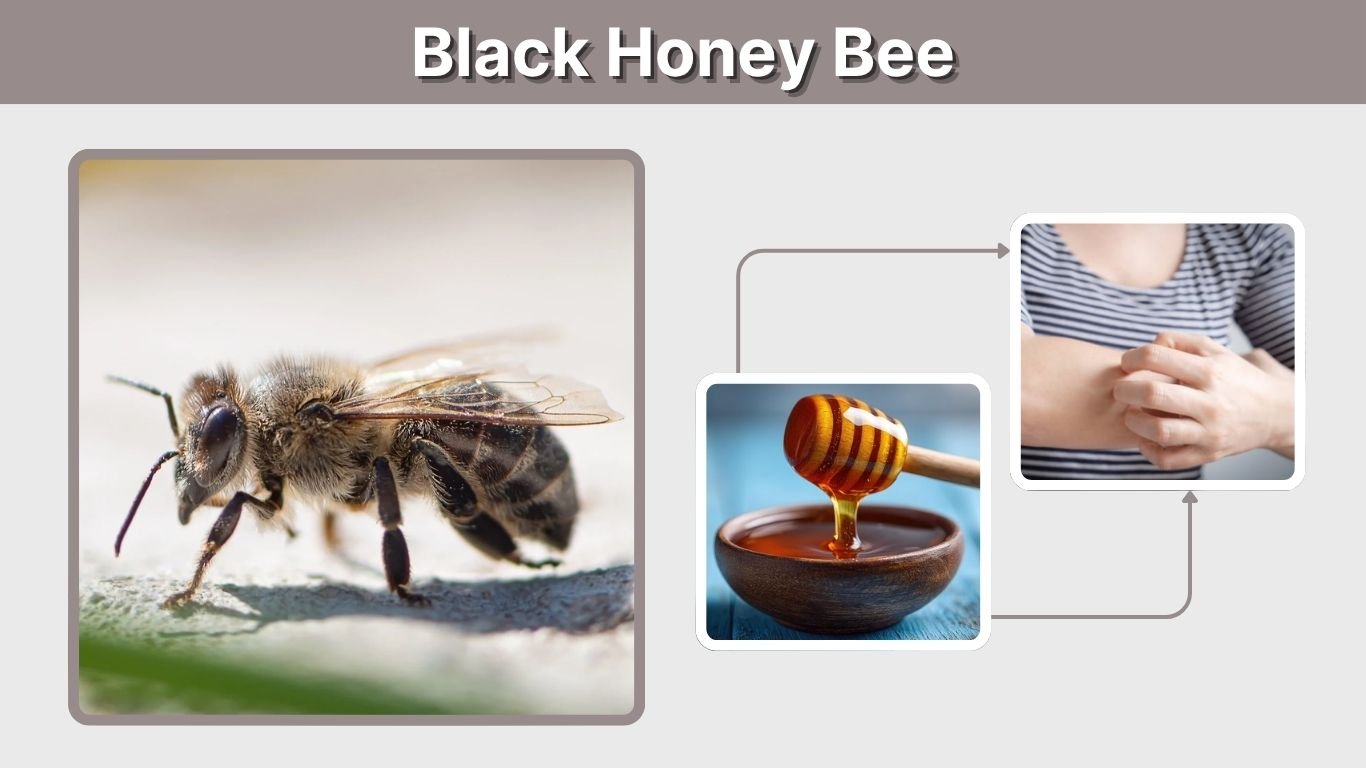
A black honey bee is usually a dark-colored honey bee rather than one specific species. In Europe, the name commonly refers to the European dark … Read More
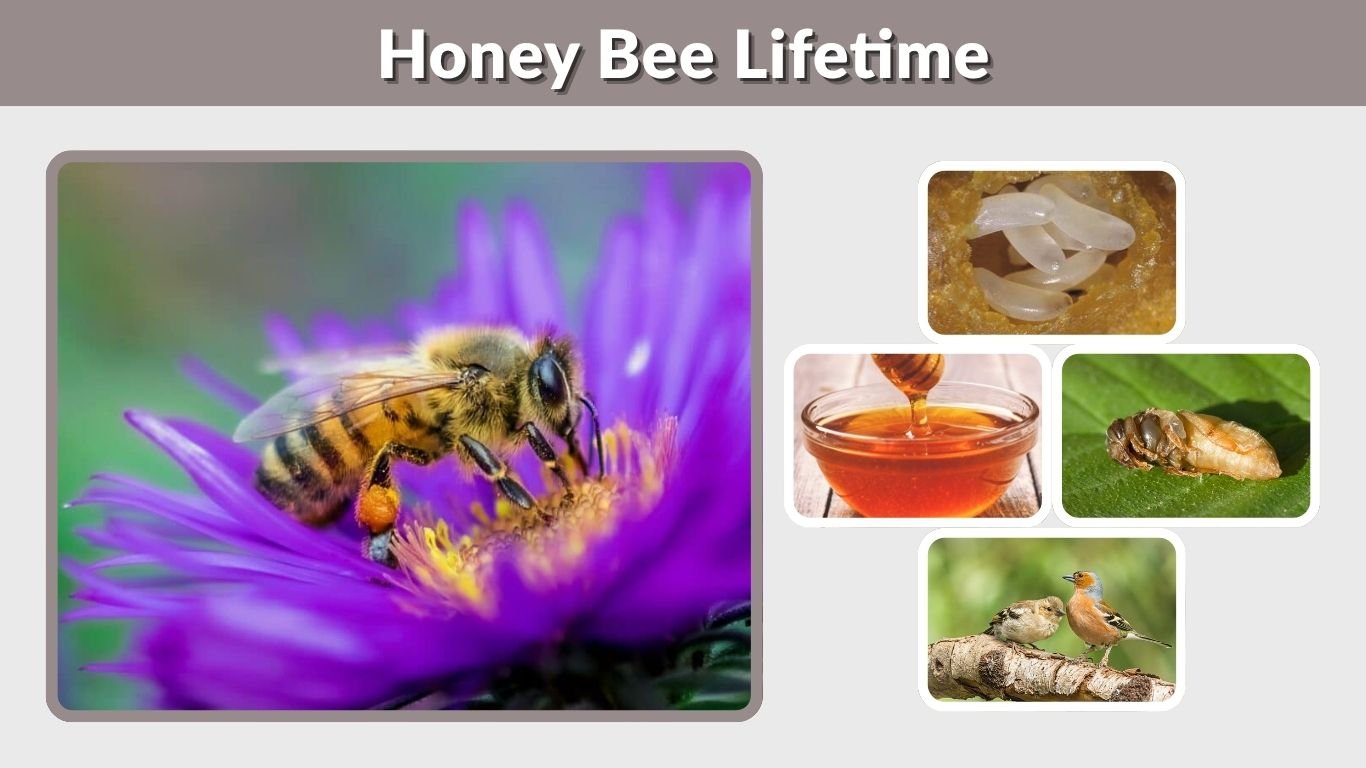
A honey bee’s lifetime depends on whether it is a worker, drone, or queen. Summer workers usually live for only five to seven weeks, while … Read More
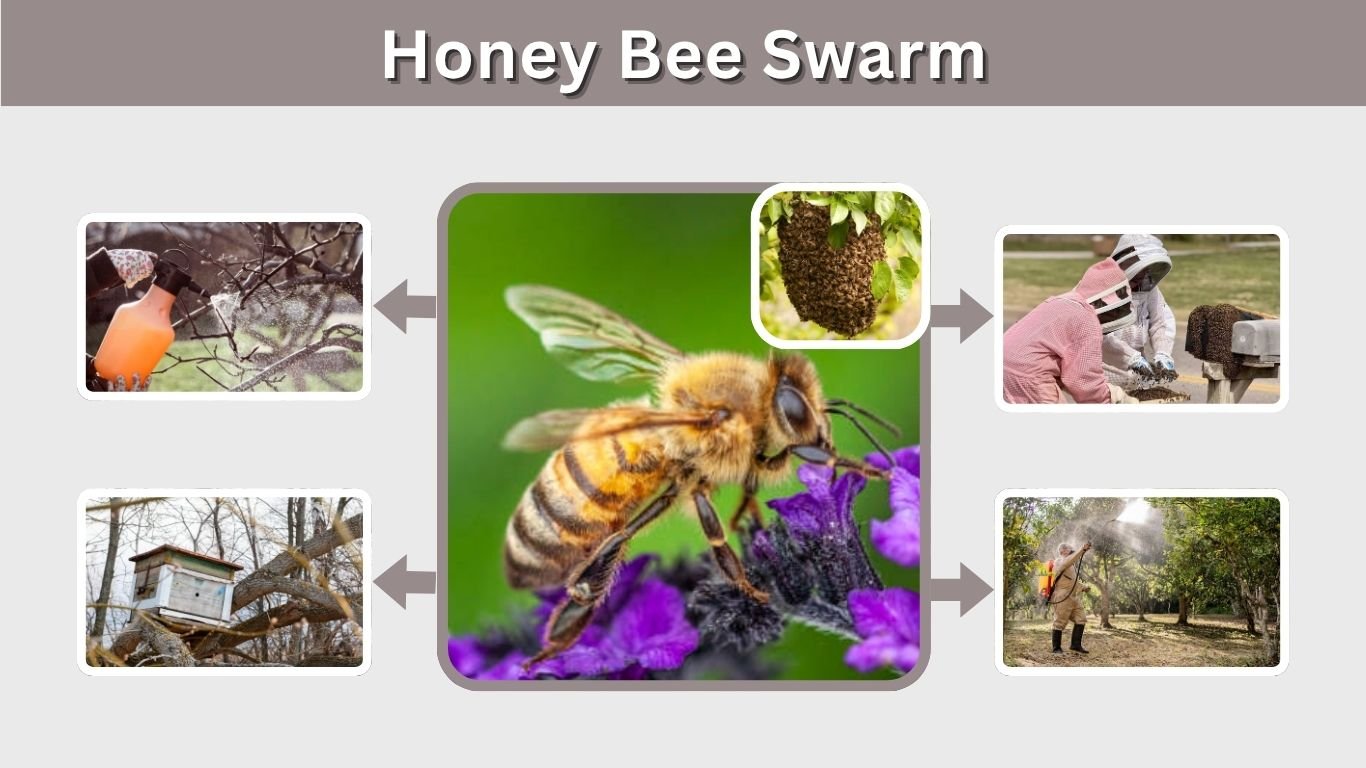
A honey bee swarm can look alarming when thousands of bees suddenly gather on a tree, fence, wall, or other structure. However, swarming is a … Read More
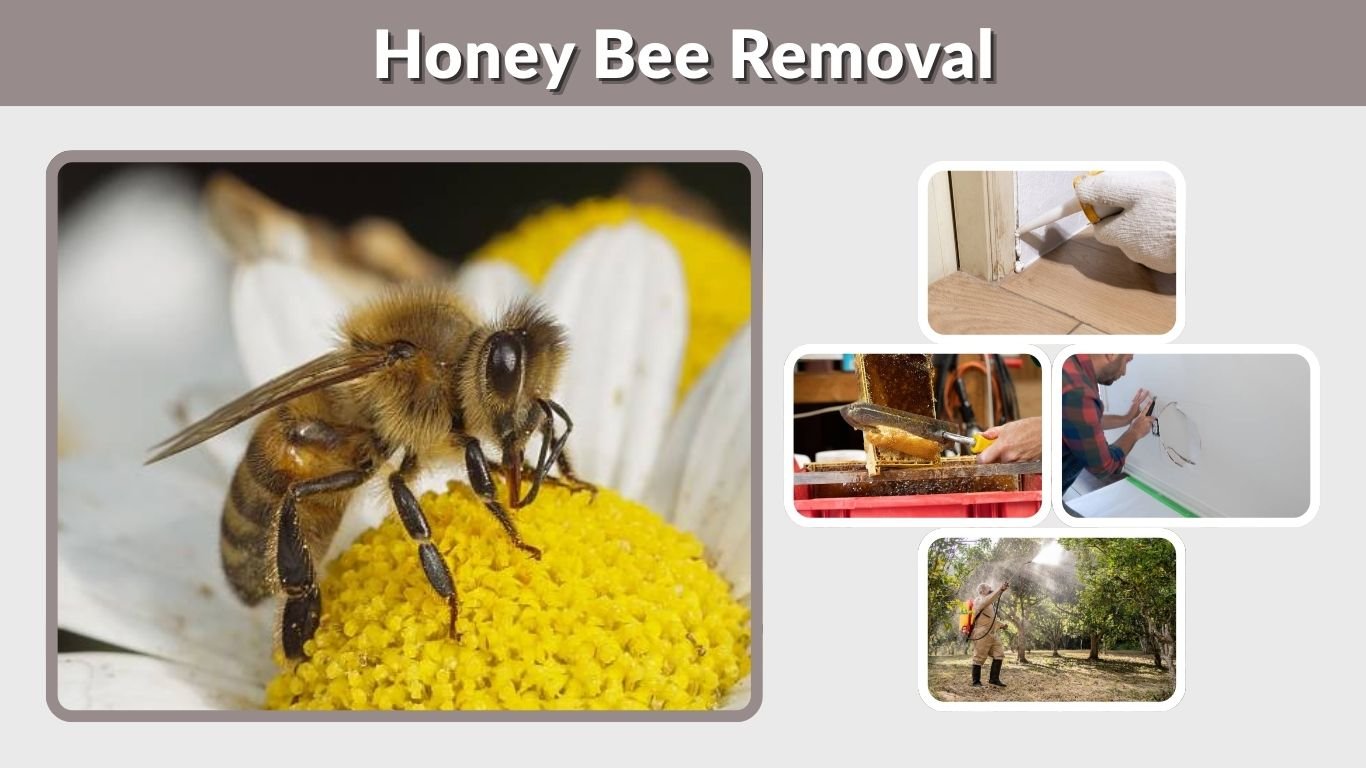
Honey bee removal is often needed when a swarm or established colony settles near a house, inside a wall, beneath a roof, or in a … Read More

A honey bee sting usually causes immediate burning pain, redness, swelling, and itching around the sting site. Most mild reactions can be treated at home, … Read More
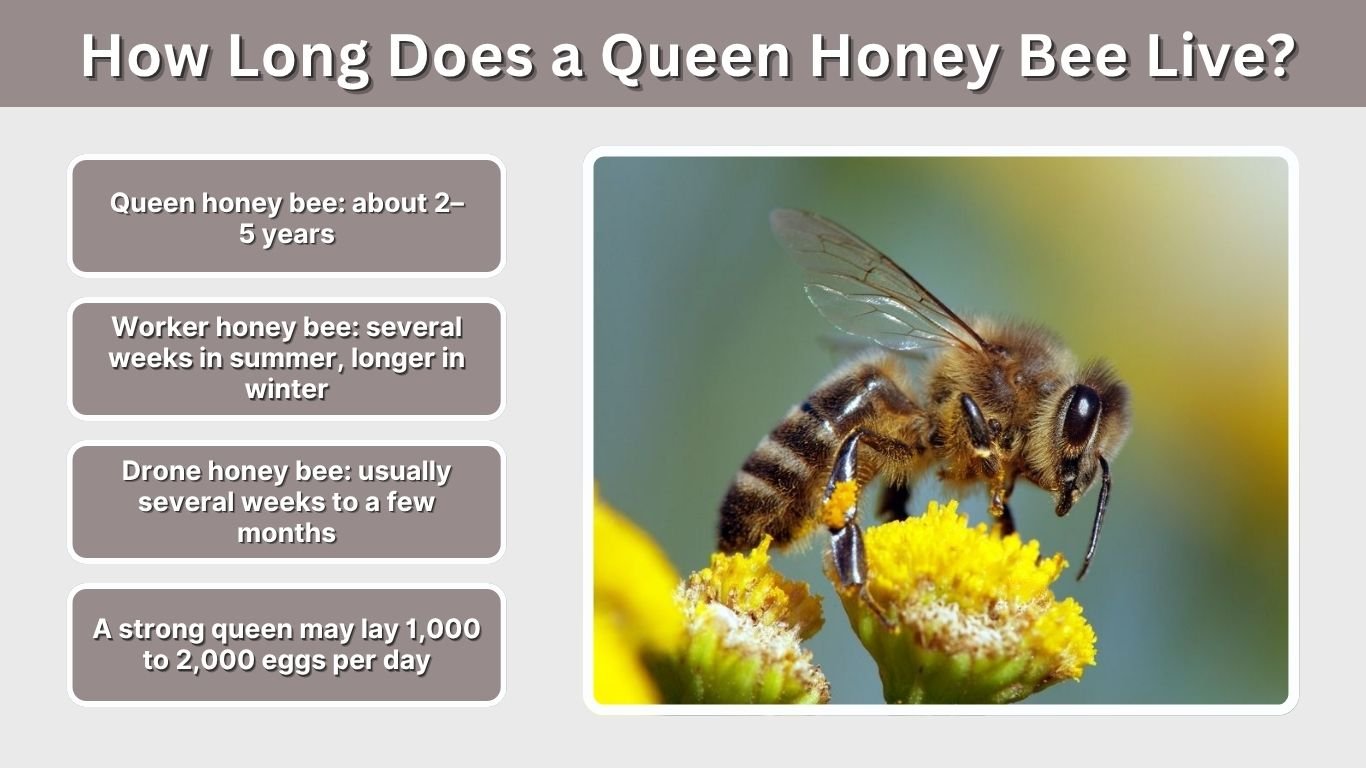
A queen honey bee can live much longer than worker bees or drones. While most workers survive only weeks to months depending on the season, … Read More
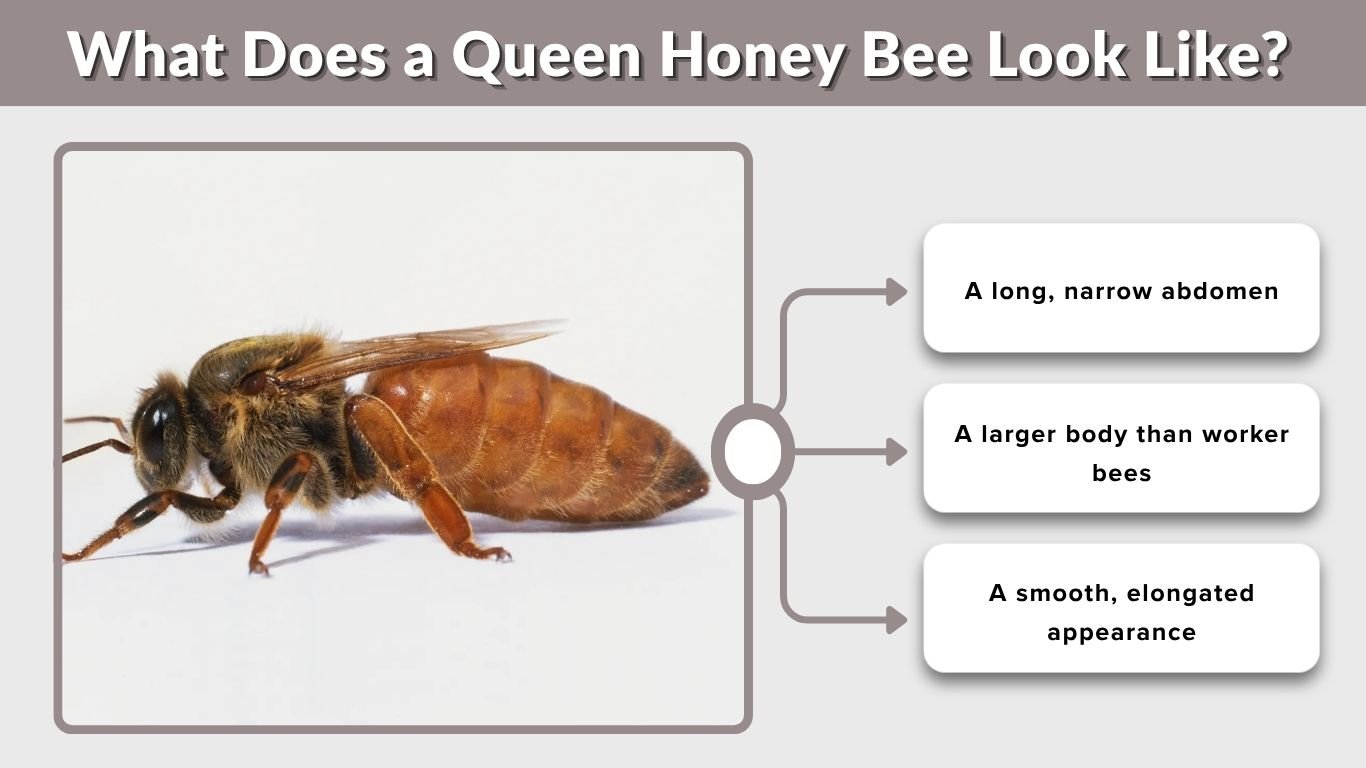
A queen honey bee looks noticeably different from worker bees once you know which features to check. She has a longer abdomen, a larger overall … Read More
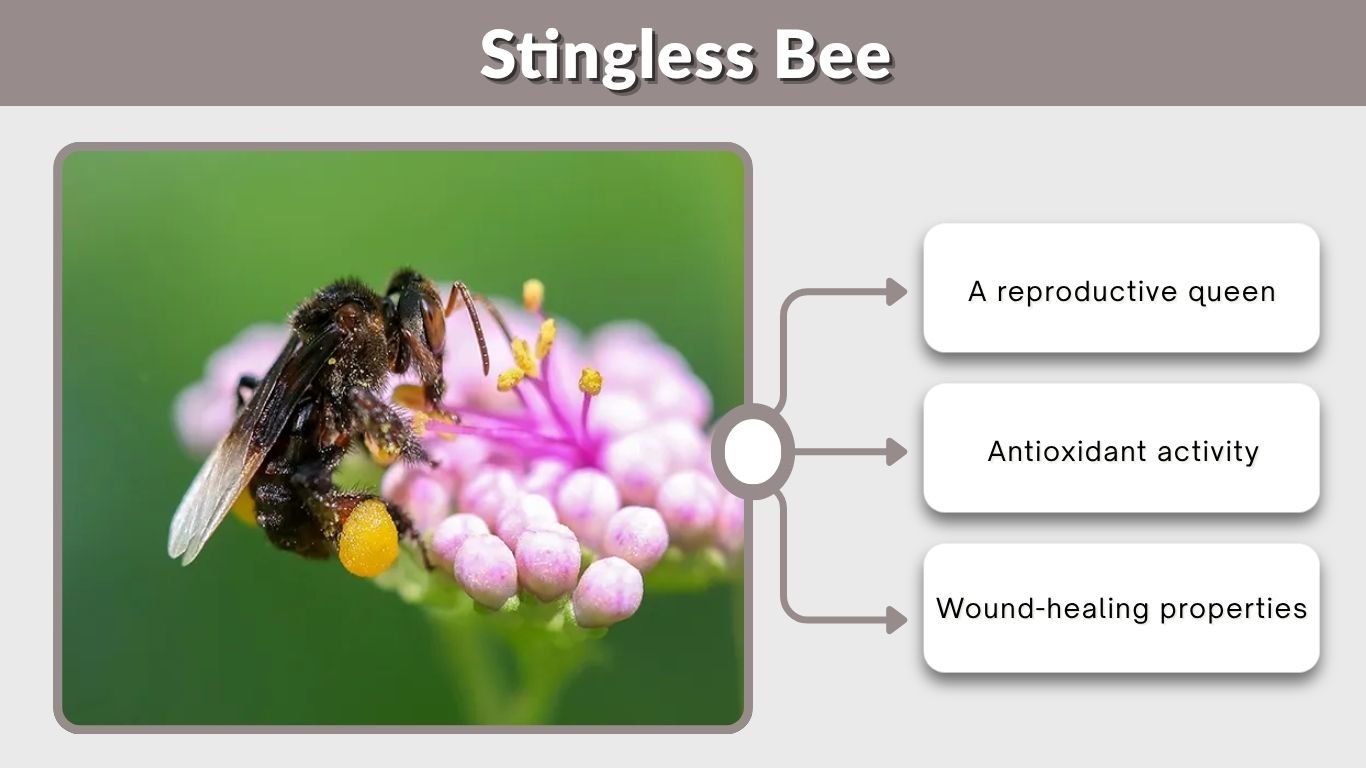
Stingless bees are small social bees best known for producing a distinctive sweet-and-sour honey and pollinating tropical plants. They belong mainly to the tribe Meliponini … Read More