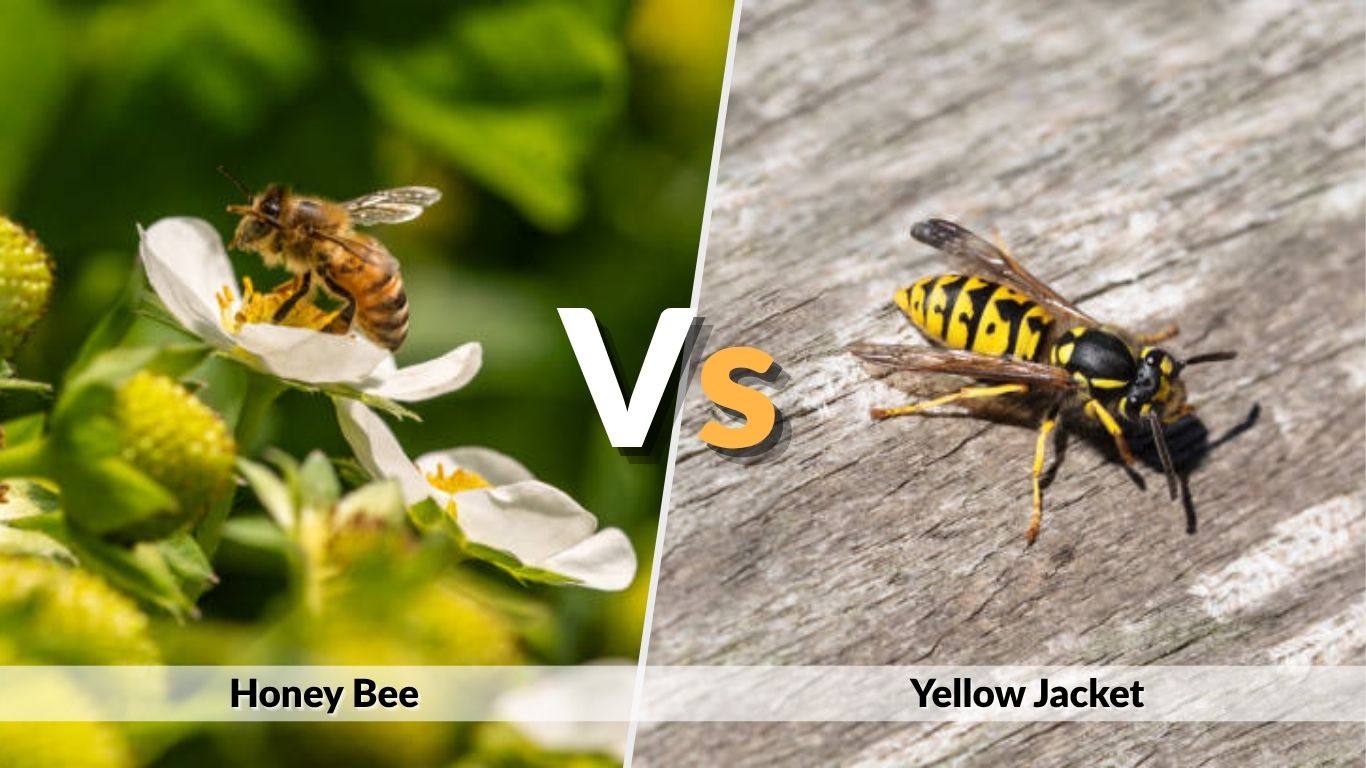
Honey Bee vs Yellow Jacket: Key Differences Guide
Many people confuse honey bees and yellow jackets because both are flying insects with similar colors. However, they are very different in behavior, appearance, and … Read More
Many people confuse honey bees and yellow jackets because both are flying insects with similar colors. However, they are very different in behavior, appearance, and … Read More
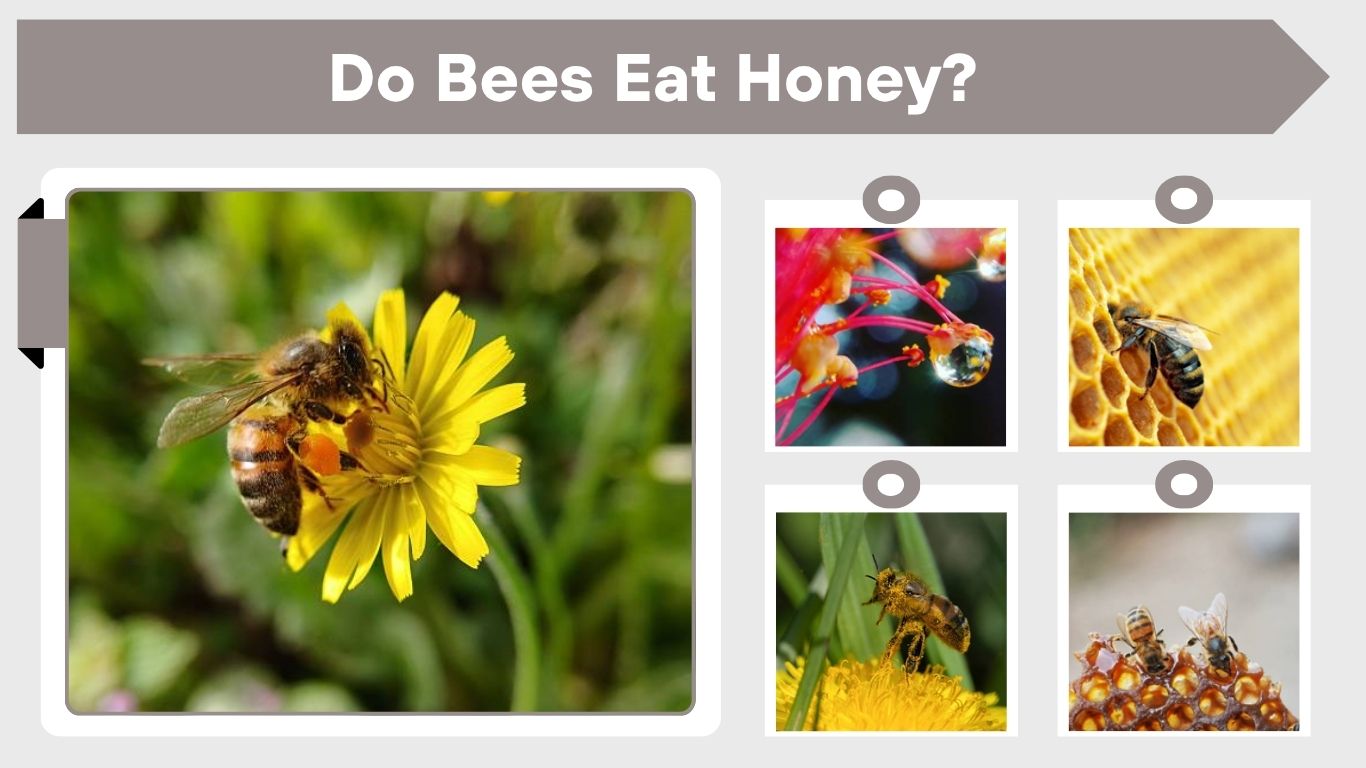
Bees are widely known for producing honey, but many people wonder whether they actually eat it or simply store it. The truth is that honey … Read More
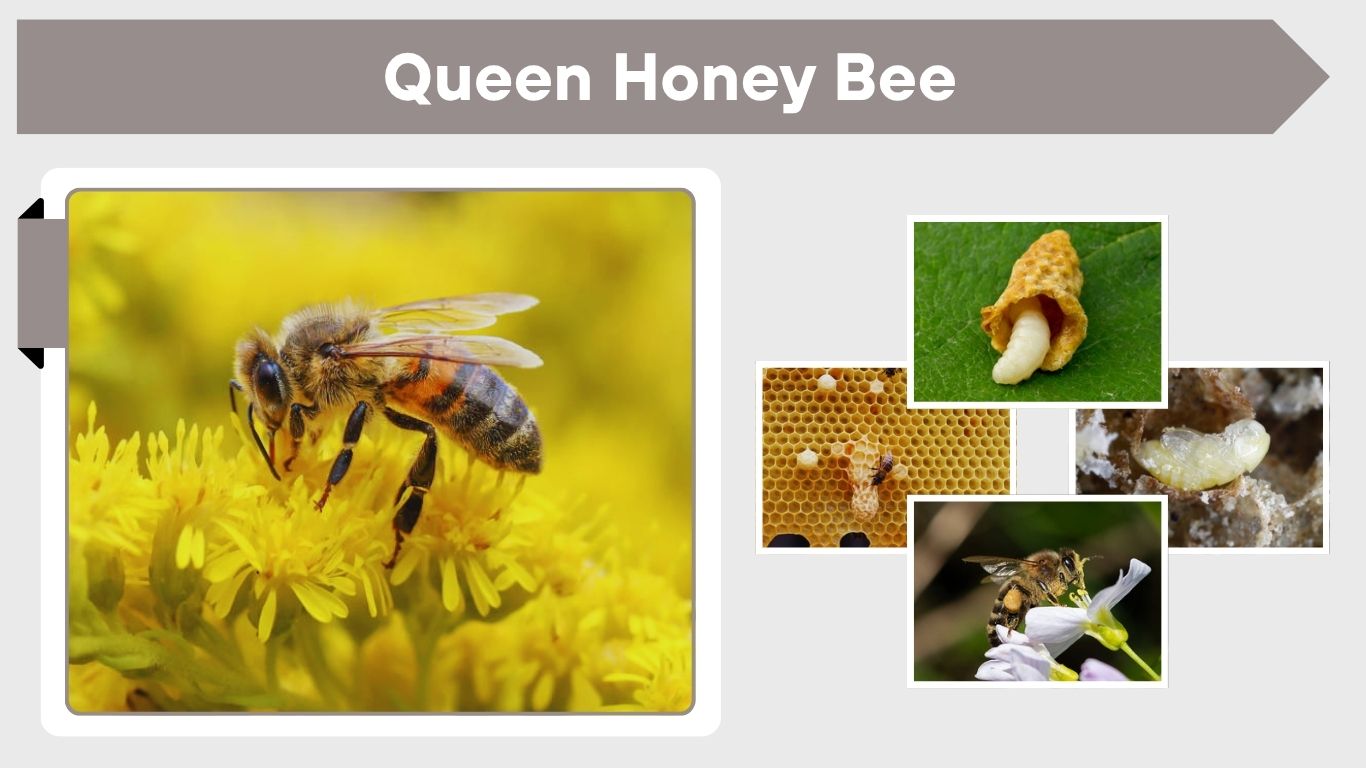
The queen honey bee is the most important member of a honey bee colony, responsible for reproduction and maintaining order within the hive. Unlike worker … Read More
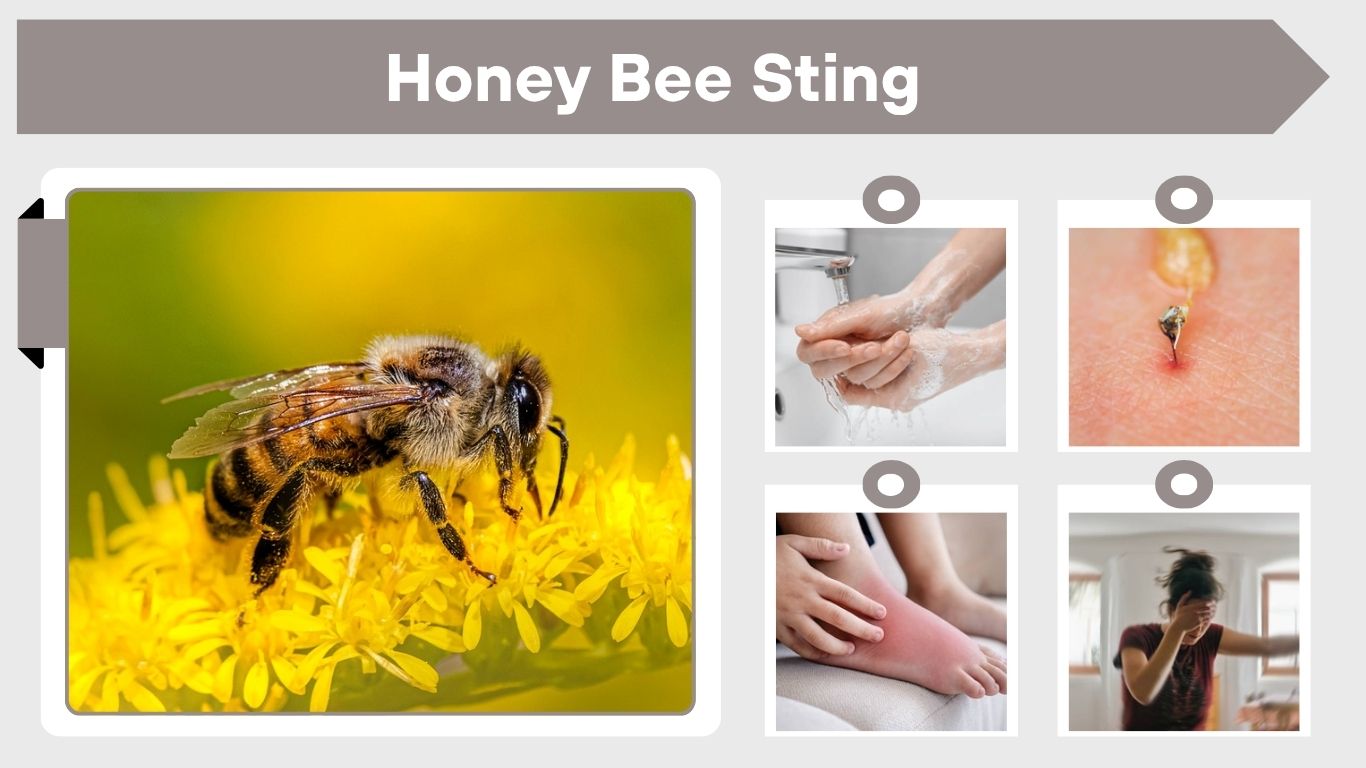
A honey bee sting is a common experience that can cause sudden pain, swelling, and discomfort. While most stings are mild and manageable at home, … Read More
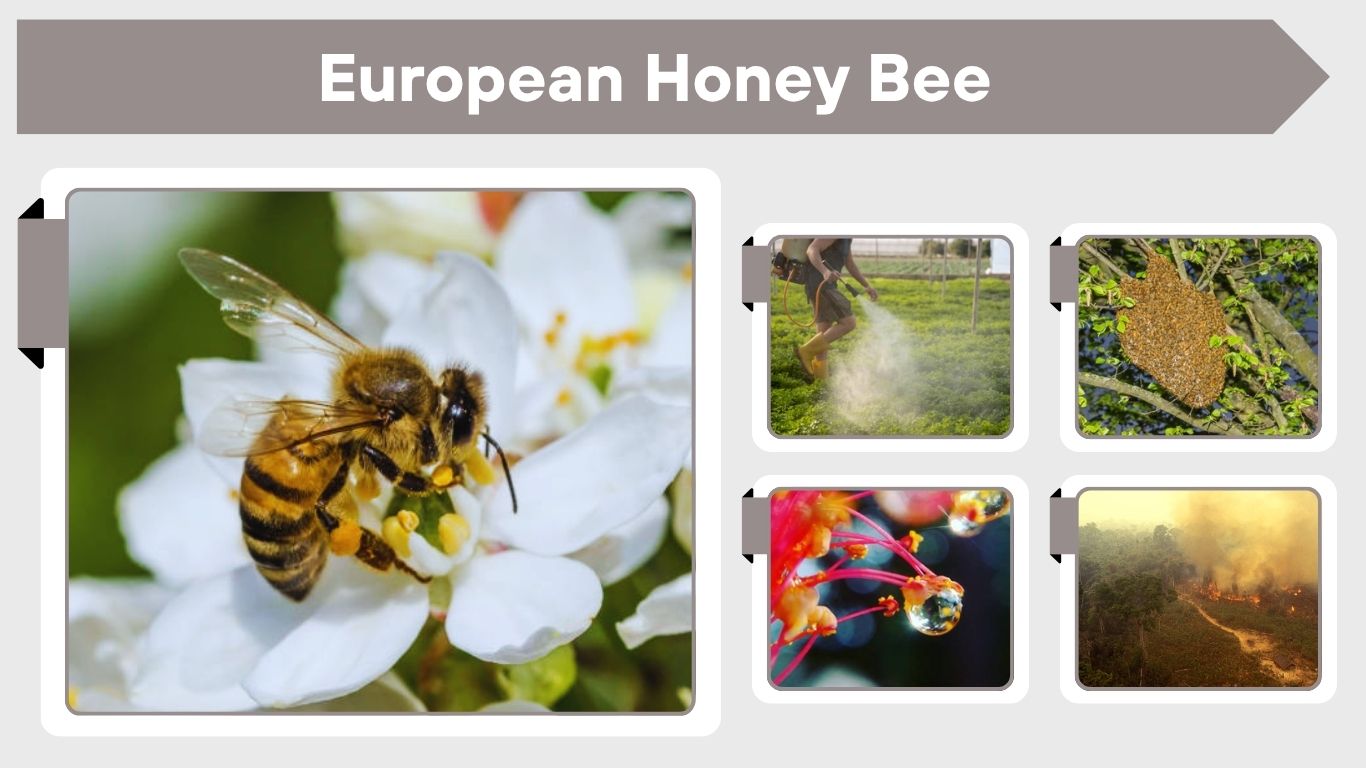
The European honey bee (Apis mellifera) is one of the most recognized and valuable insects in the world. Known for its role in pollination and … Read More
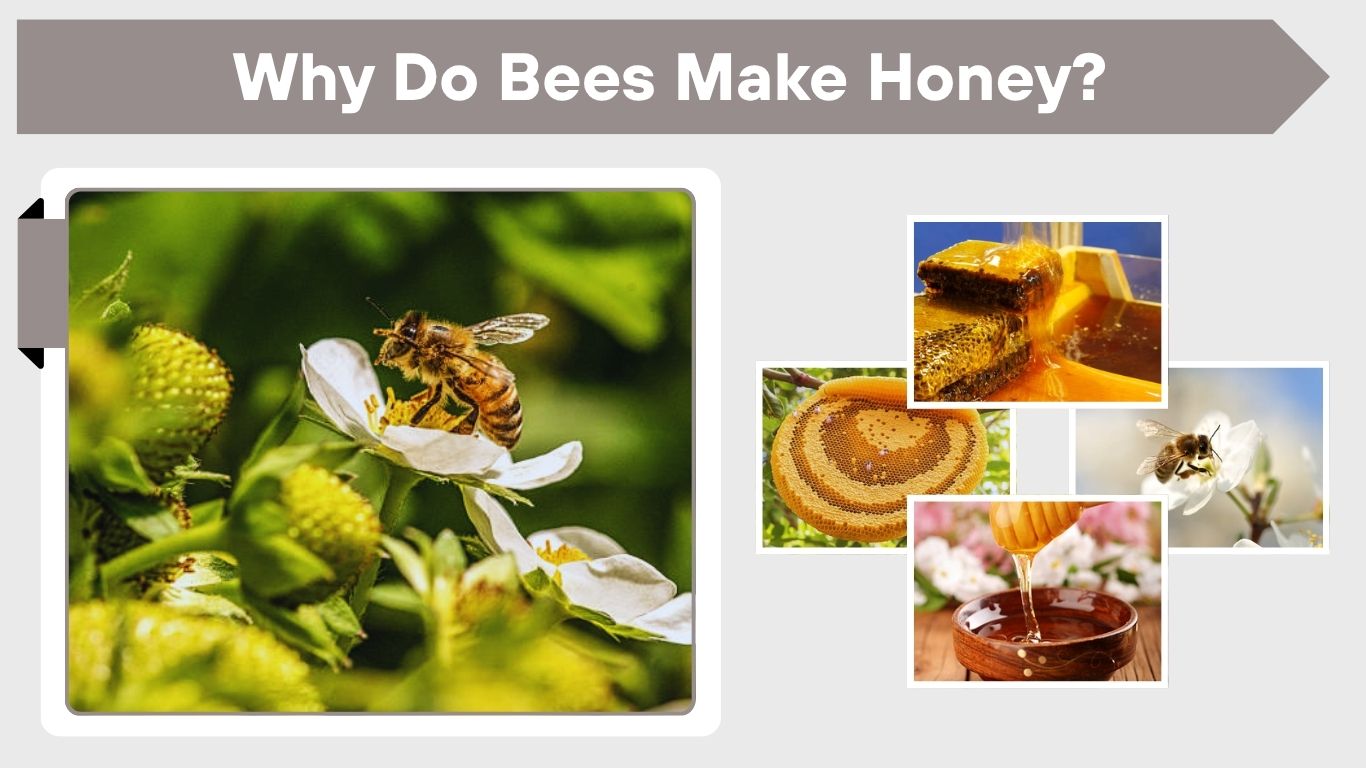
Bees don’t make honey for humans—they produce it as a vital survival resource. Honey acts as a long-lasting food supply that helps the entire colony … Read More
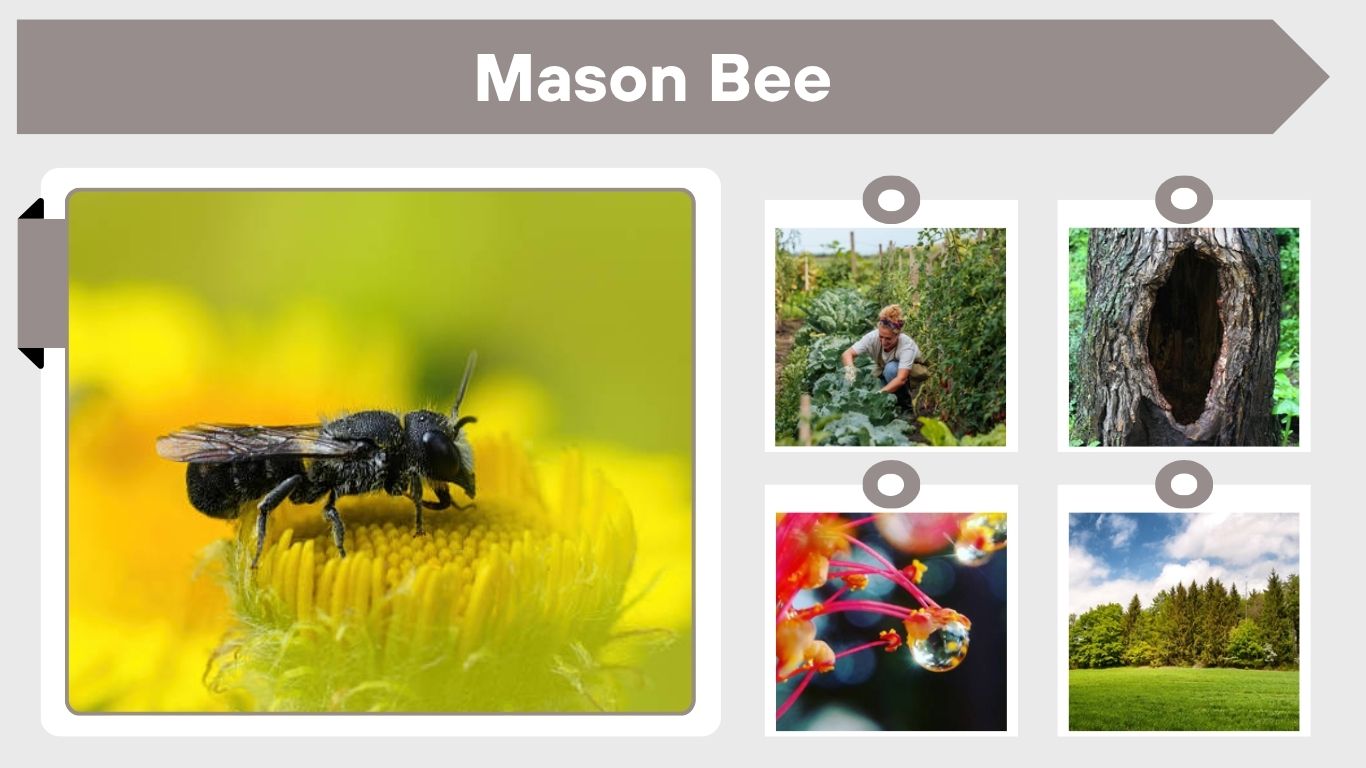
Mason bees are among the most efficient and gentle pollinators found in nature. Unlike honeybees, they do not live in large colonies or produce honey, … Read More
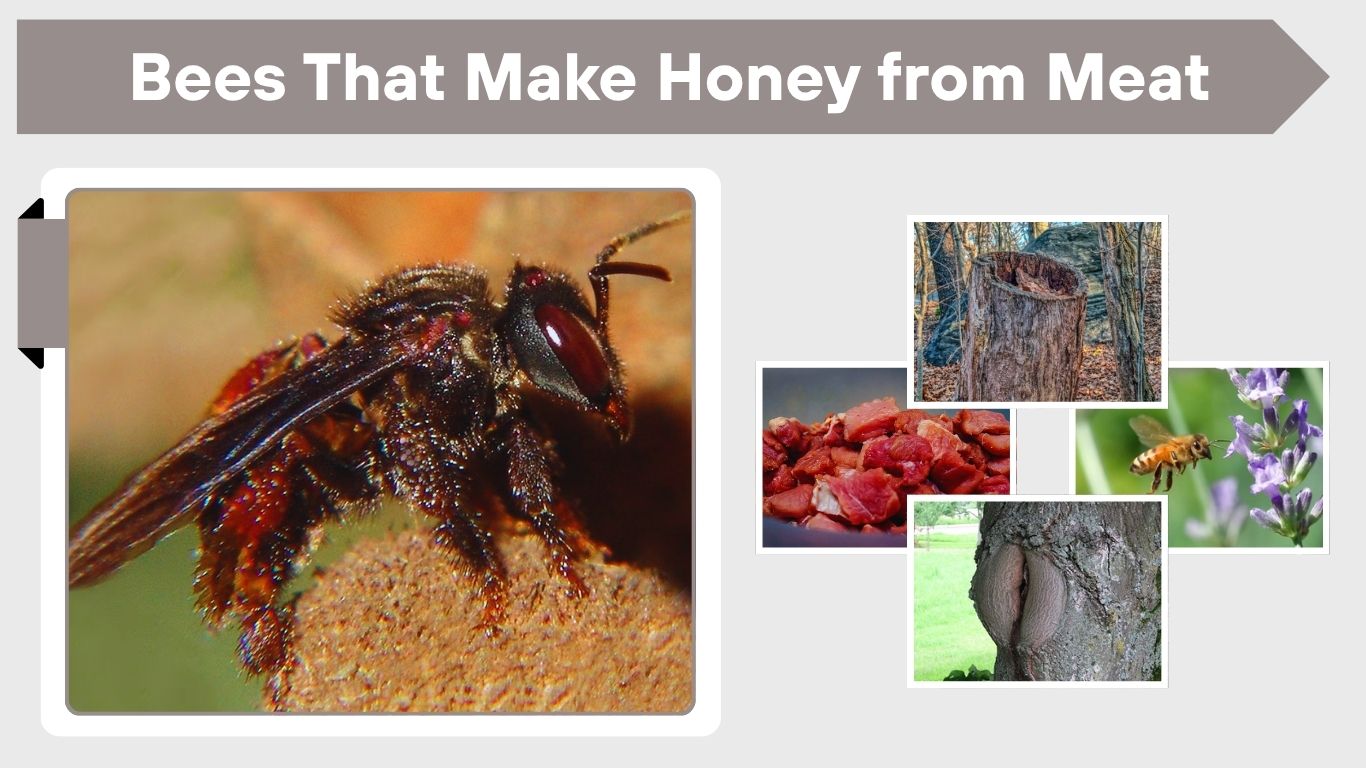
When most people think of bees, they imagine insects collecting nectar from flowers and producing sweet golden honey. However, not all bees follow this familiar … Read More
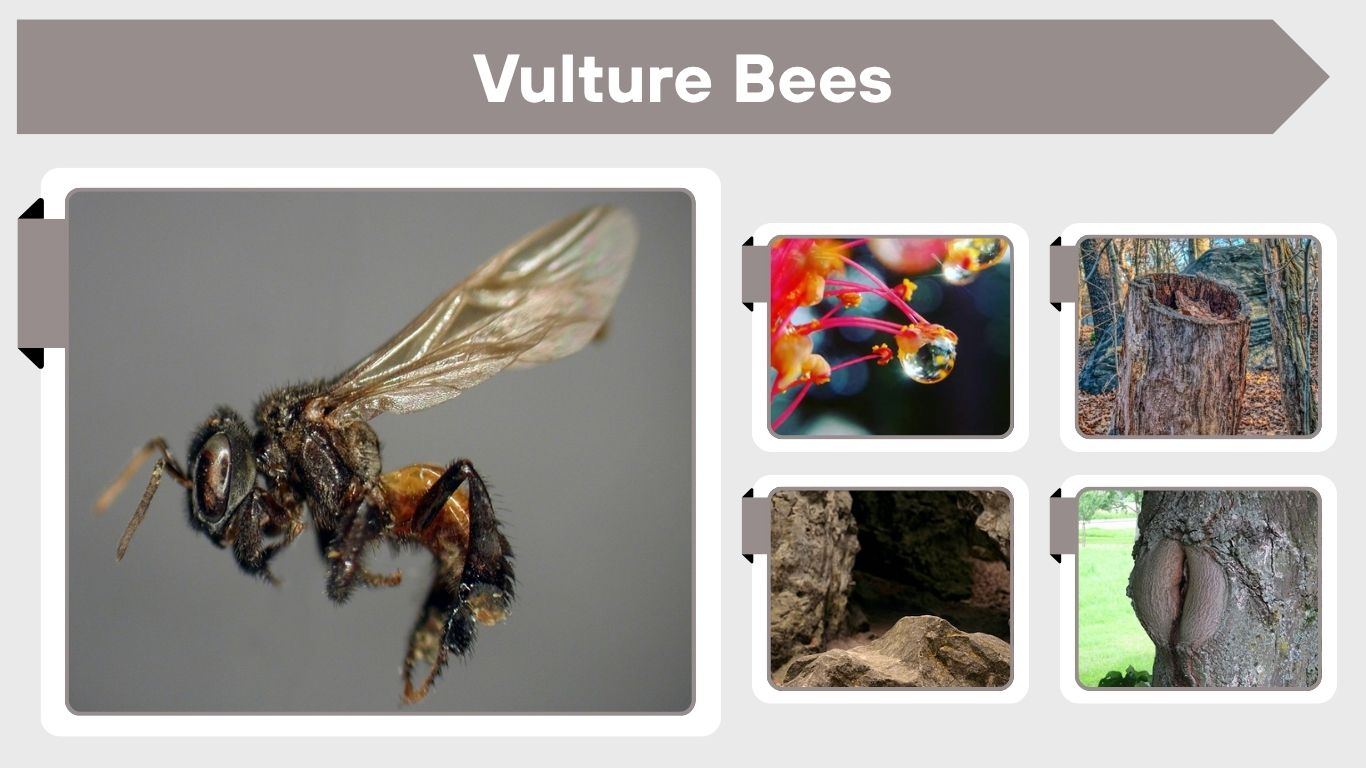
Vulture bees are among the most unusual insects in the bee world. Unlike typical bees that rely on nectar and pollen, these stingless bees have … Read More

Stingless bees are fascinating social insects known for their gentle nature and vital role in pollination. Found mainly in tropical and subtropical regions, these bees … Read More

The eastern carpenter bee is one of the most common large bees found in North America, especially in the eastern regions. Known for its loud … Read More
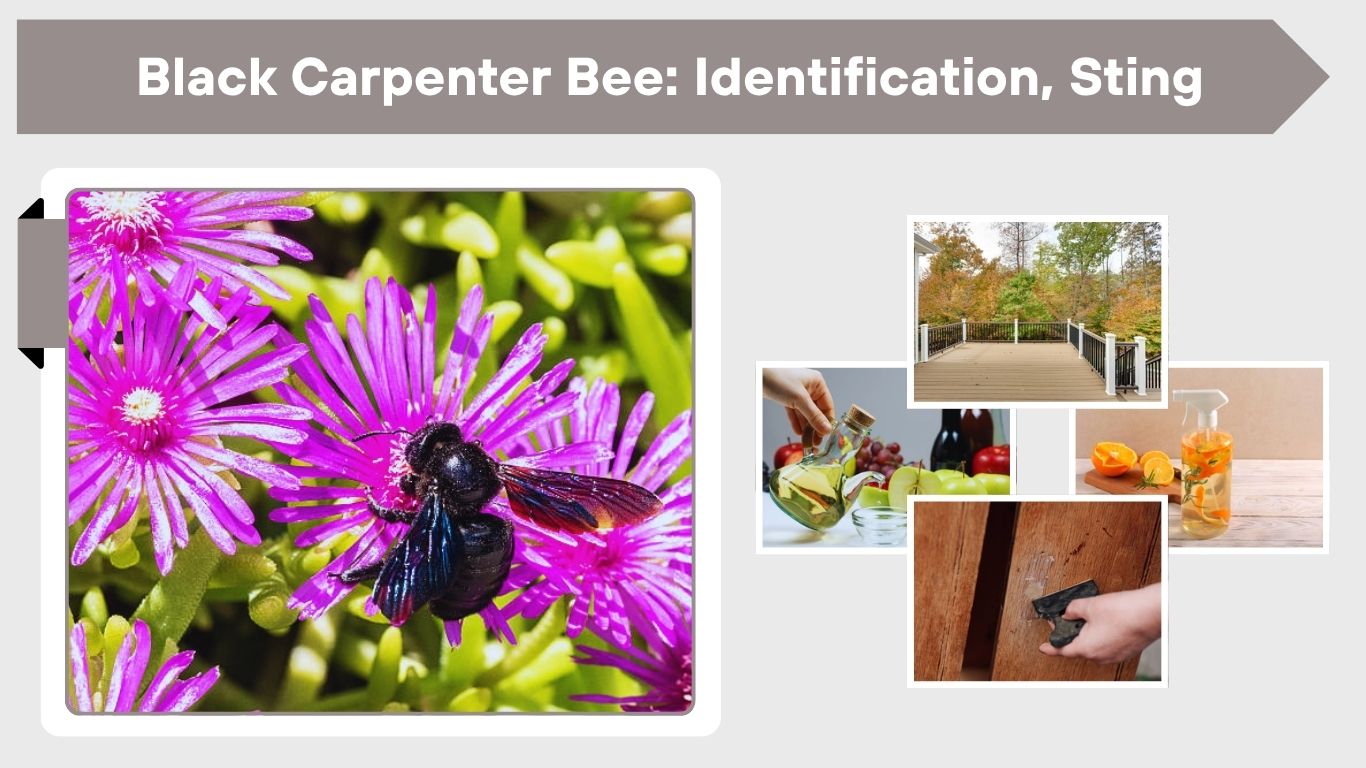
Black carpenter bees are often mistaken for bumblebees due to their large size and buzzing flight. These insects are commonly seen hovering around wooden structures, … Read More