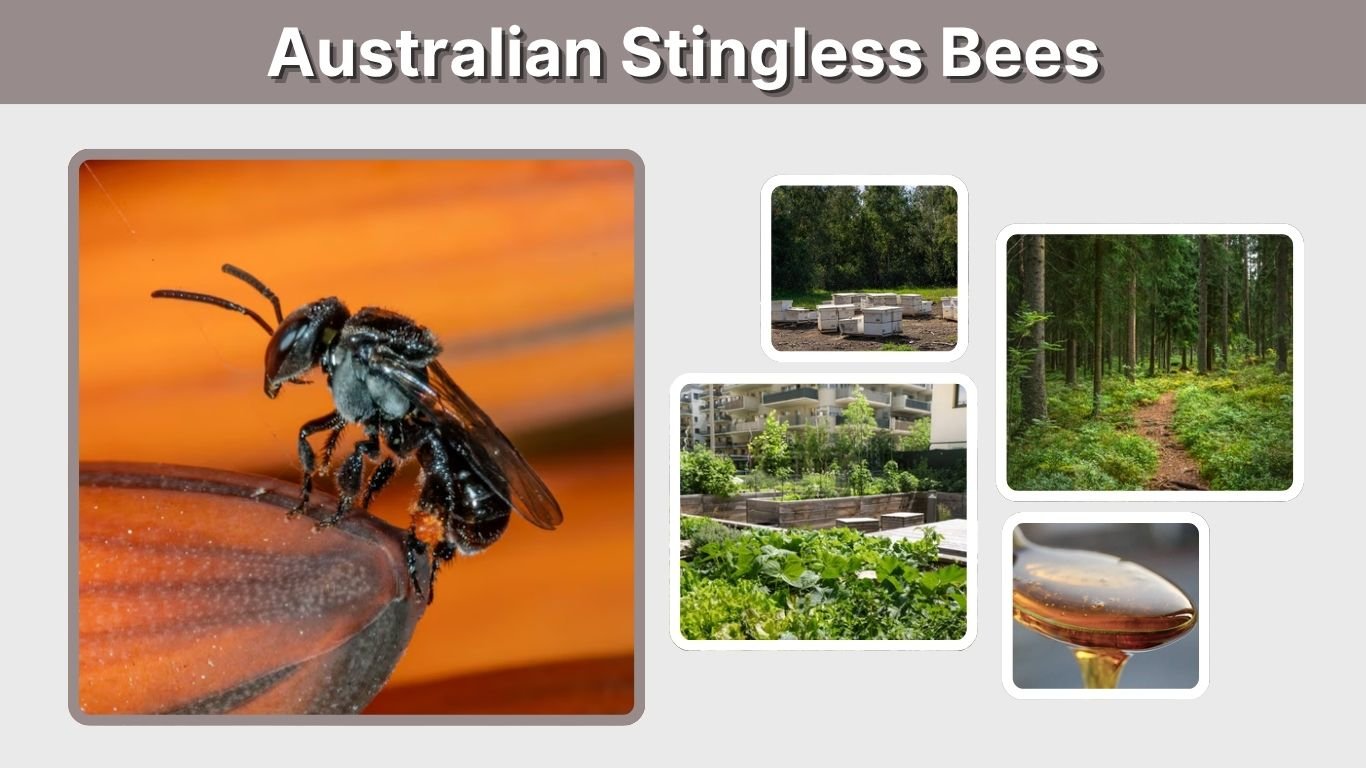
Australian Stingless Bees: Species, Hives, Honey & Facts
Australian stingless bees are tiny native pollinators that live in highly organized colonies and produce a distinctive honey known as sugarbag. Unlike European honey bees, … Read More
Australian stingless bees are tiny native pollinators that live in highly organized colonies and produce a distinctive honey known as sugarbag. Unlike European honey bees, … Read More
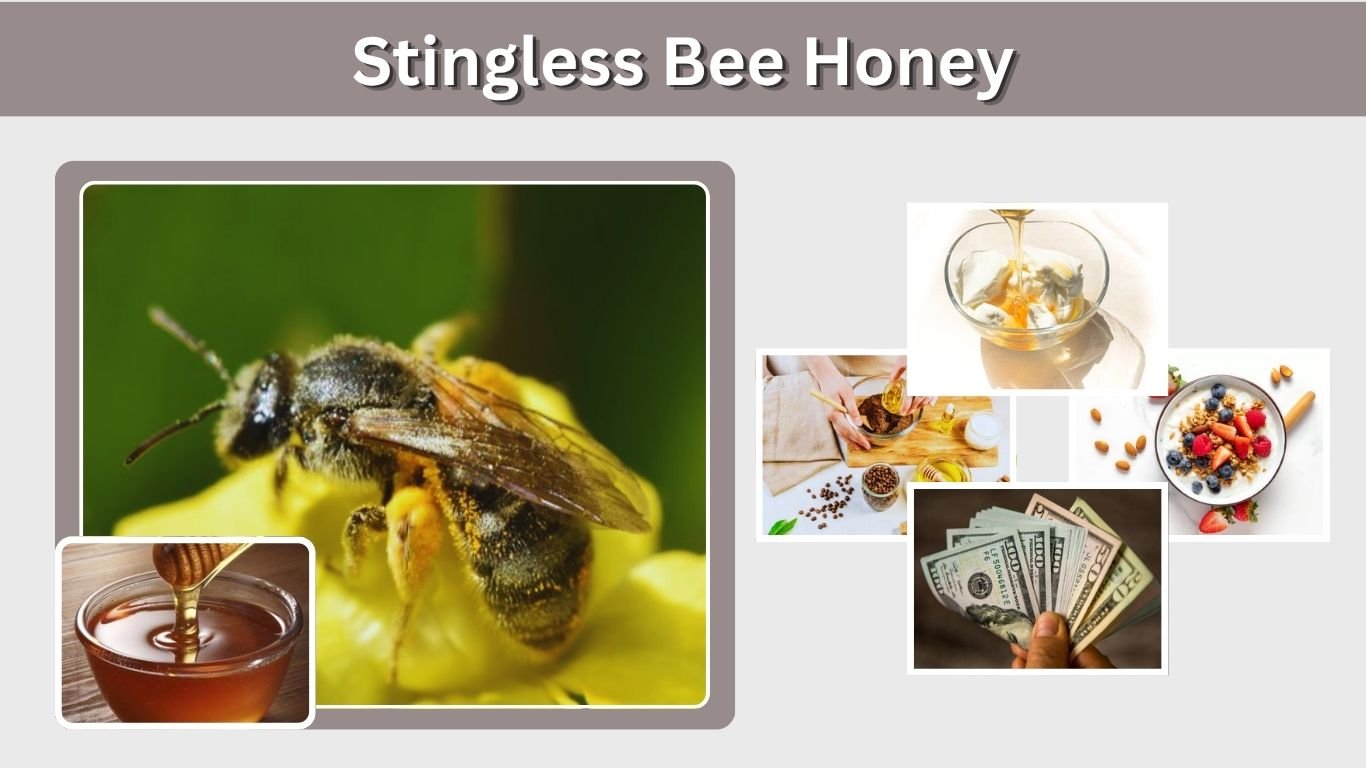
Stingless bee honey is a distinctive type of honey produced by tropical and subtropical stingless bees. Unlike the thick, intensely sweet honey commonly produced by … Read More
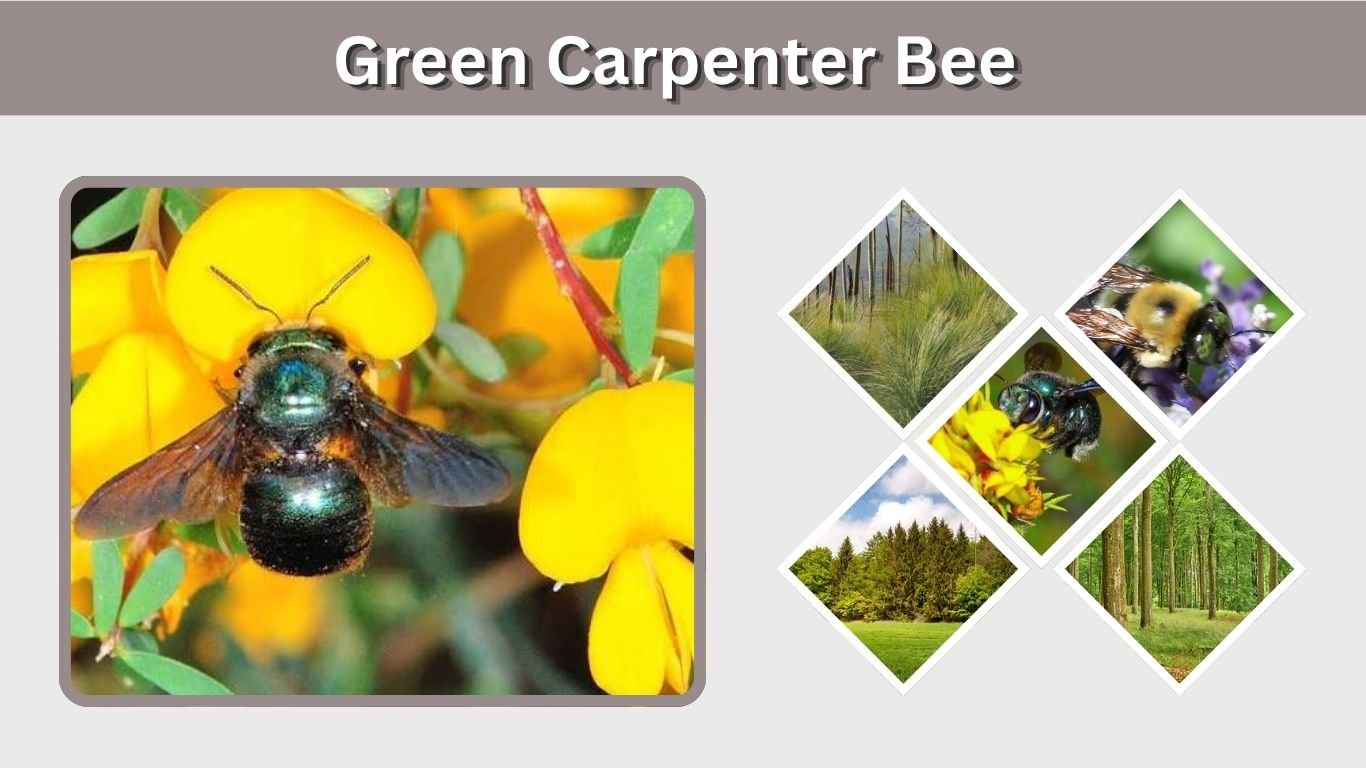
The green carpenter bee is one of Australia’s most striking native bees, famous for its shimmering metallic green body and deep buzzing flight. Often called … Read More
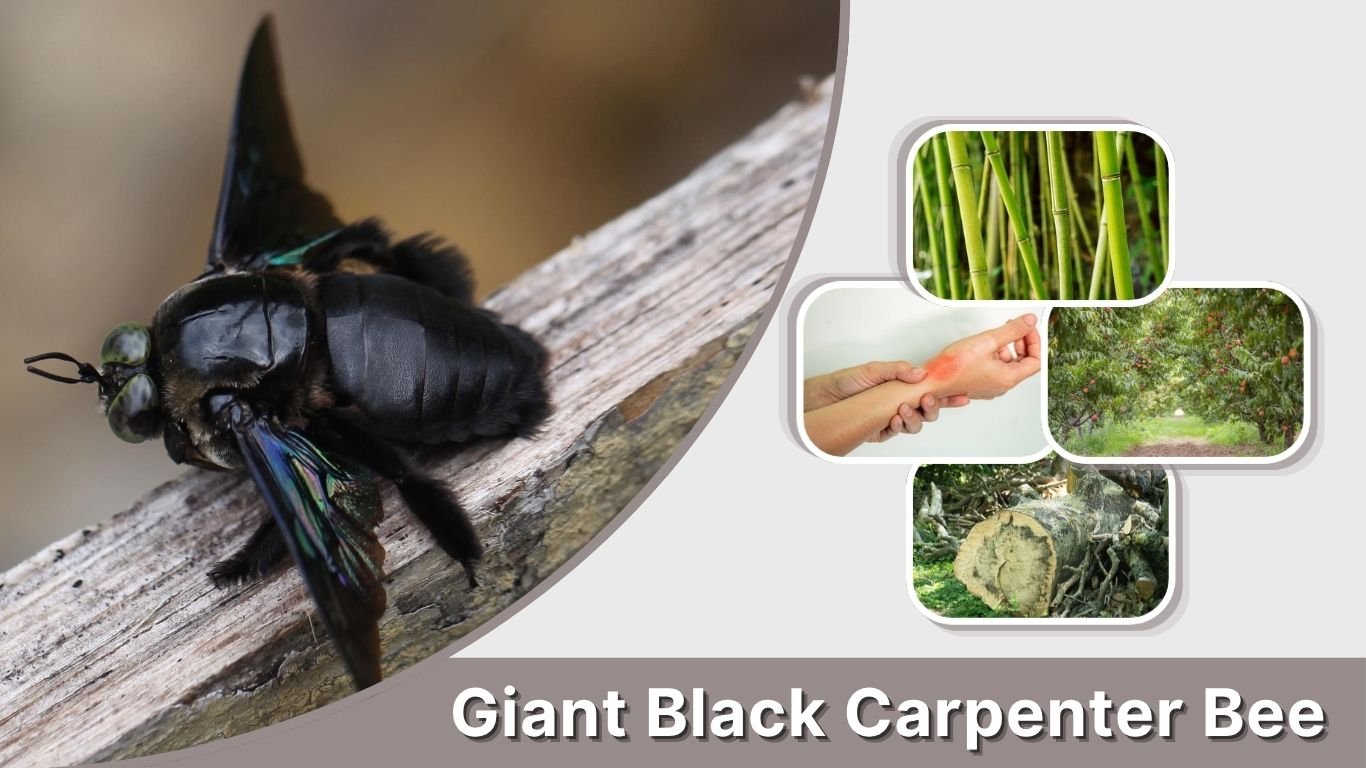
The giant black carpenter bee is an enormous, glossy bee known for its deep buzzing flight and iridescent blue, green, or purple wings. The name … Read More
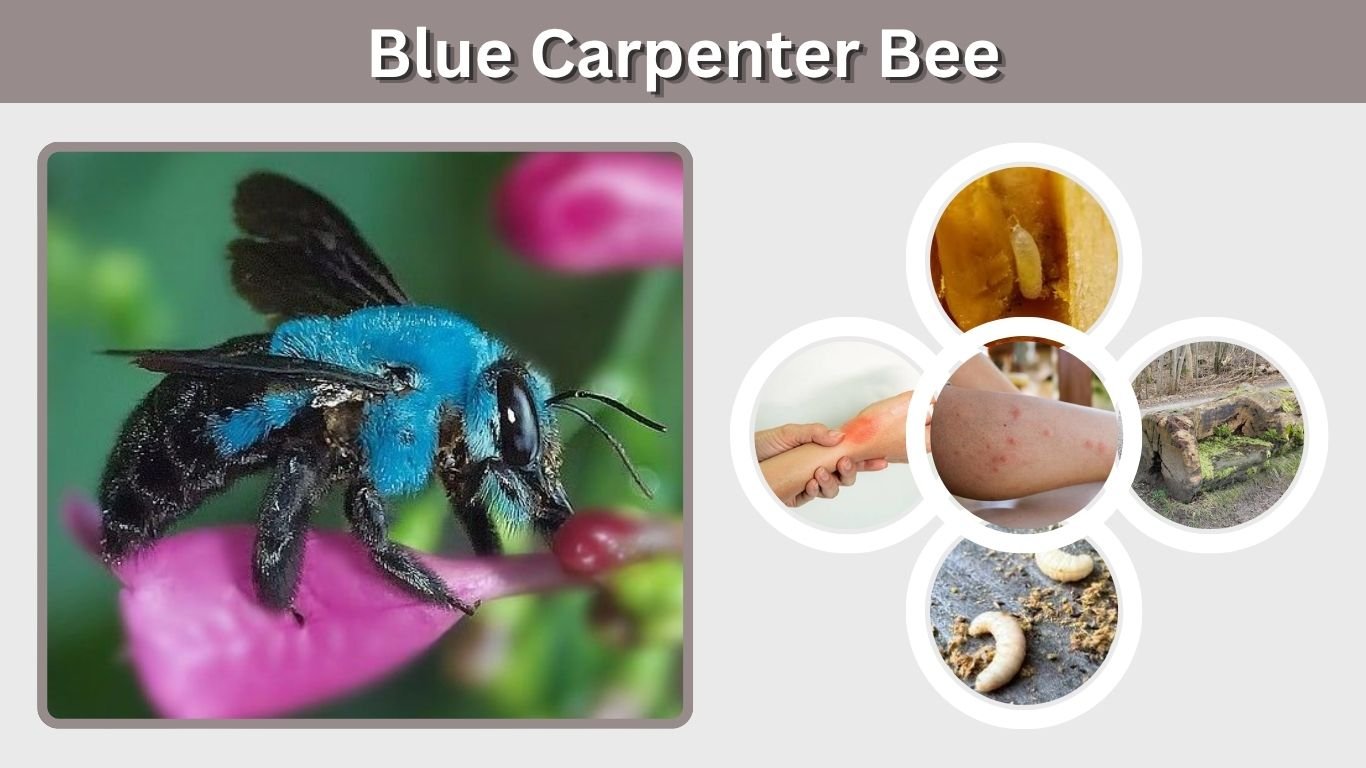
The blue carpenter bee is one of the most striking large bees in the world, known for its metallic blue body and powerful buzzing flight. … Read More
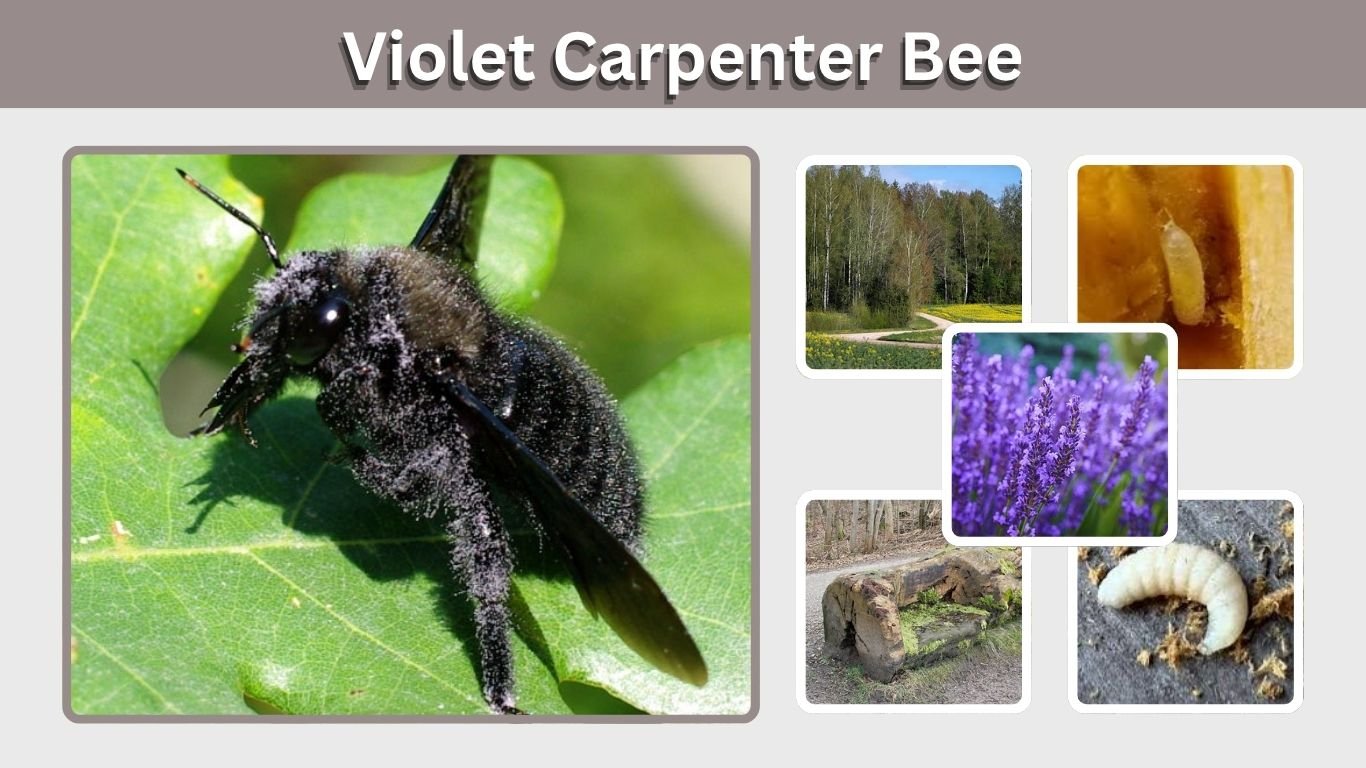
The violet carpenter bee (Xylocopa violacea) is a large, striking bee recognized by its glossy black body and beautiful violet-blue wings. Native to much of … Read More
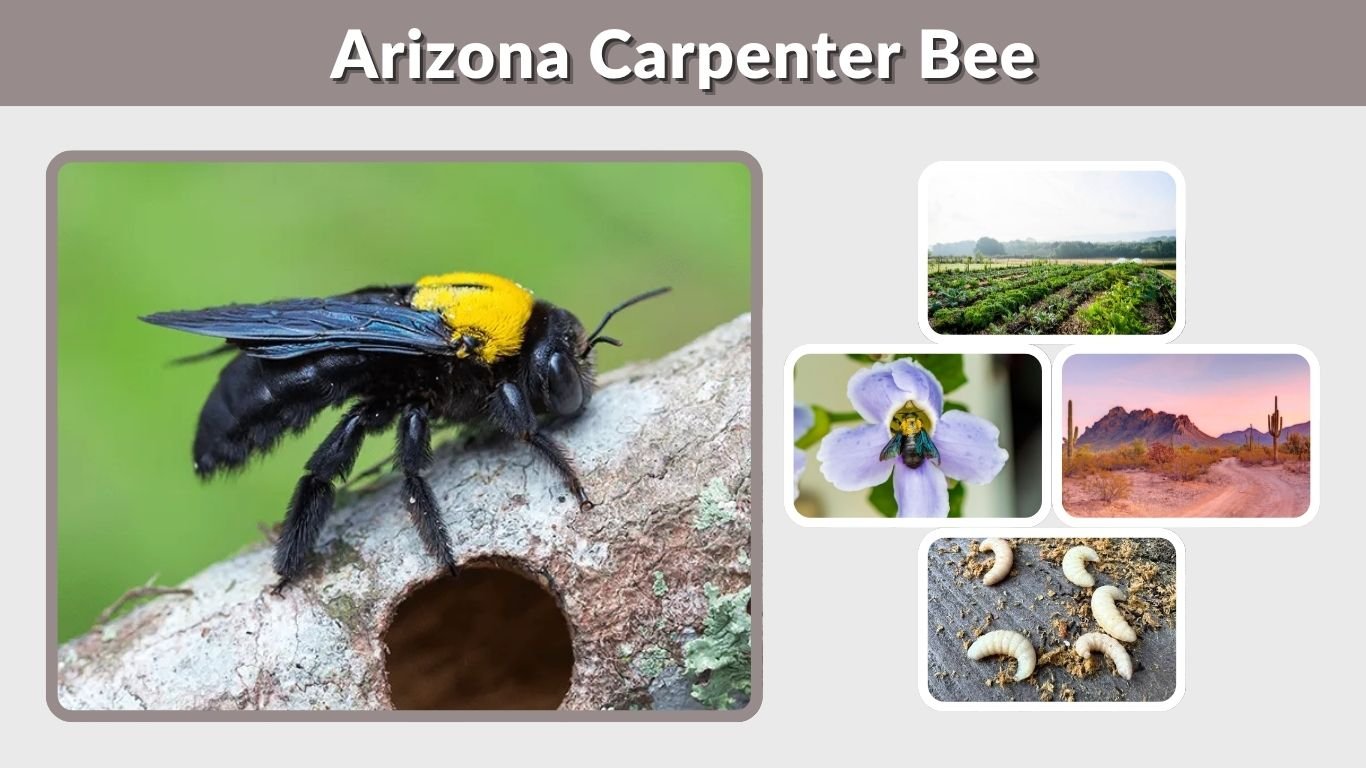
The Arizona carpenter bee is one of the largest and most noticeable native bees found across the state. These powerful pollinators are often seen around … Read More
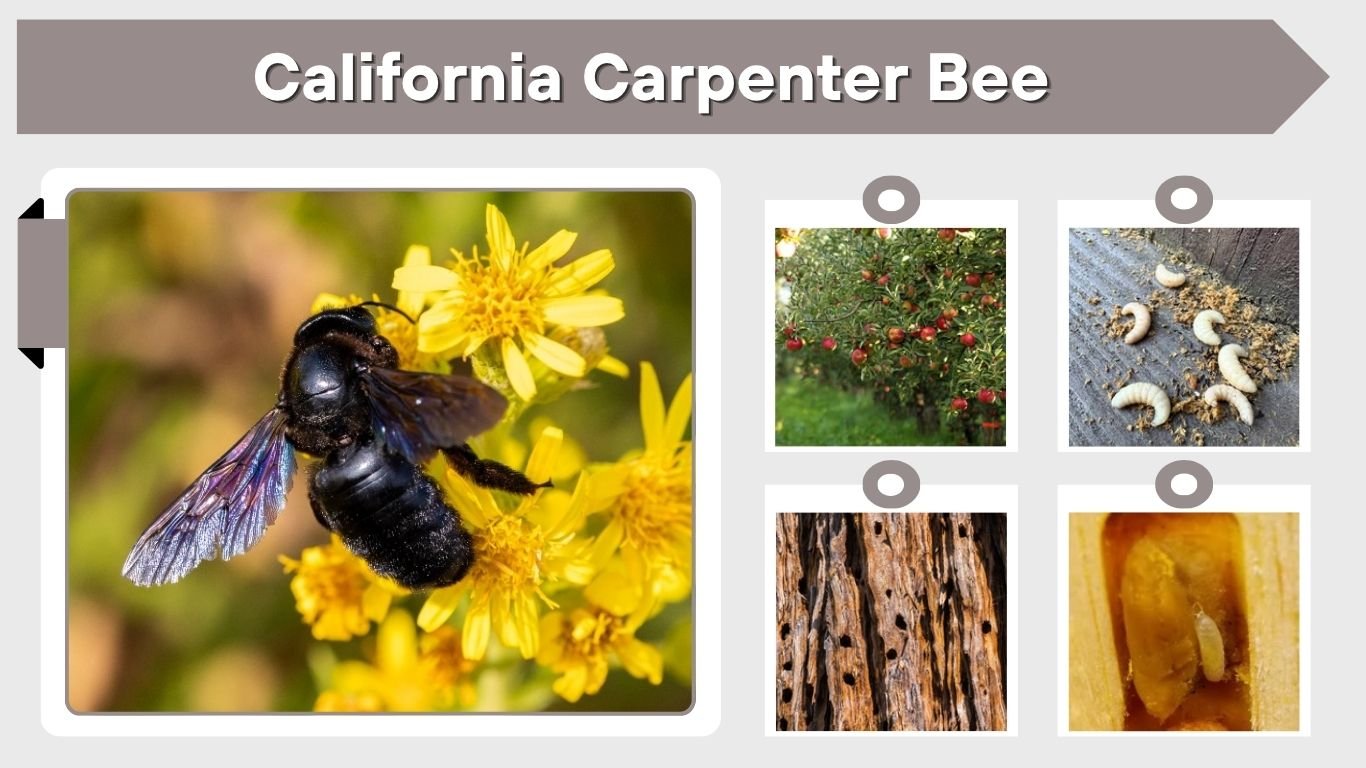
The California carpenter bee (Xylocopa californica), also called the Western carpenter bee, is one of the largest and most noticeable native bees in western North … Read More
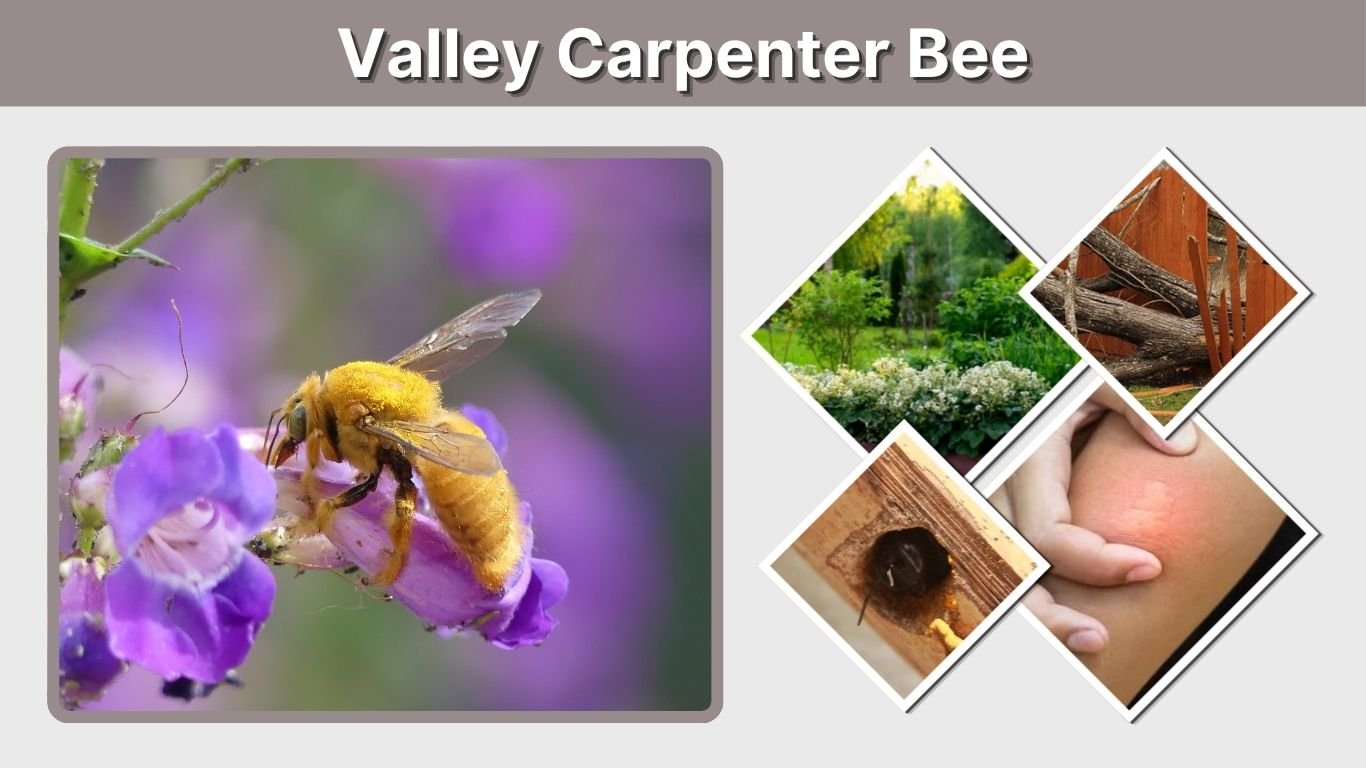
The valley carpenter bee (Xylocopa varipuncta) is one of the largest and most distinctive carpenter bees in western North America. Females are glossy black, while … Read More
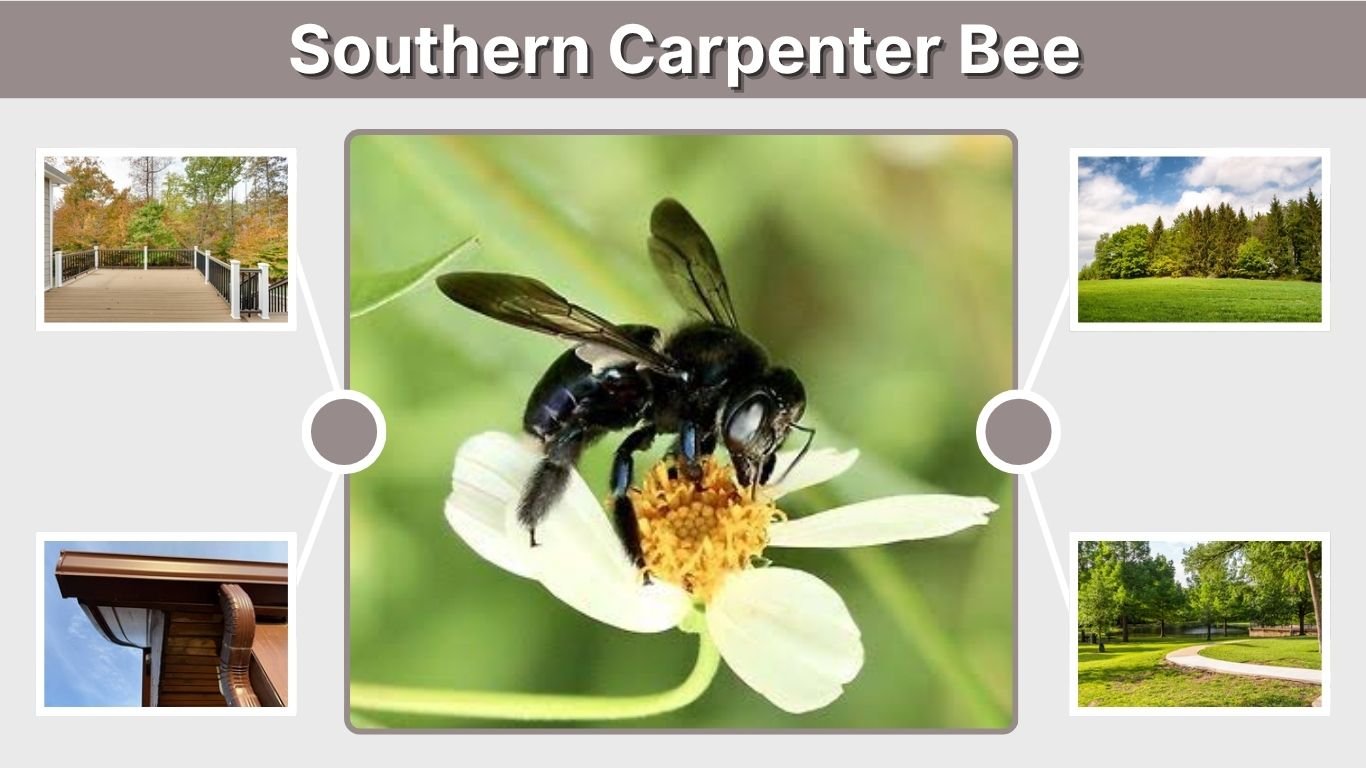
The southern carpenter bee is a large, dark-colored bee commonly associated with warm parts of the southeastern United States. Its scientific name is Xylocopa micans, … Read More
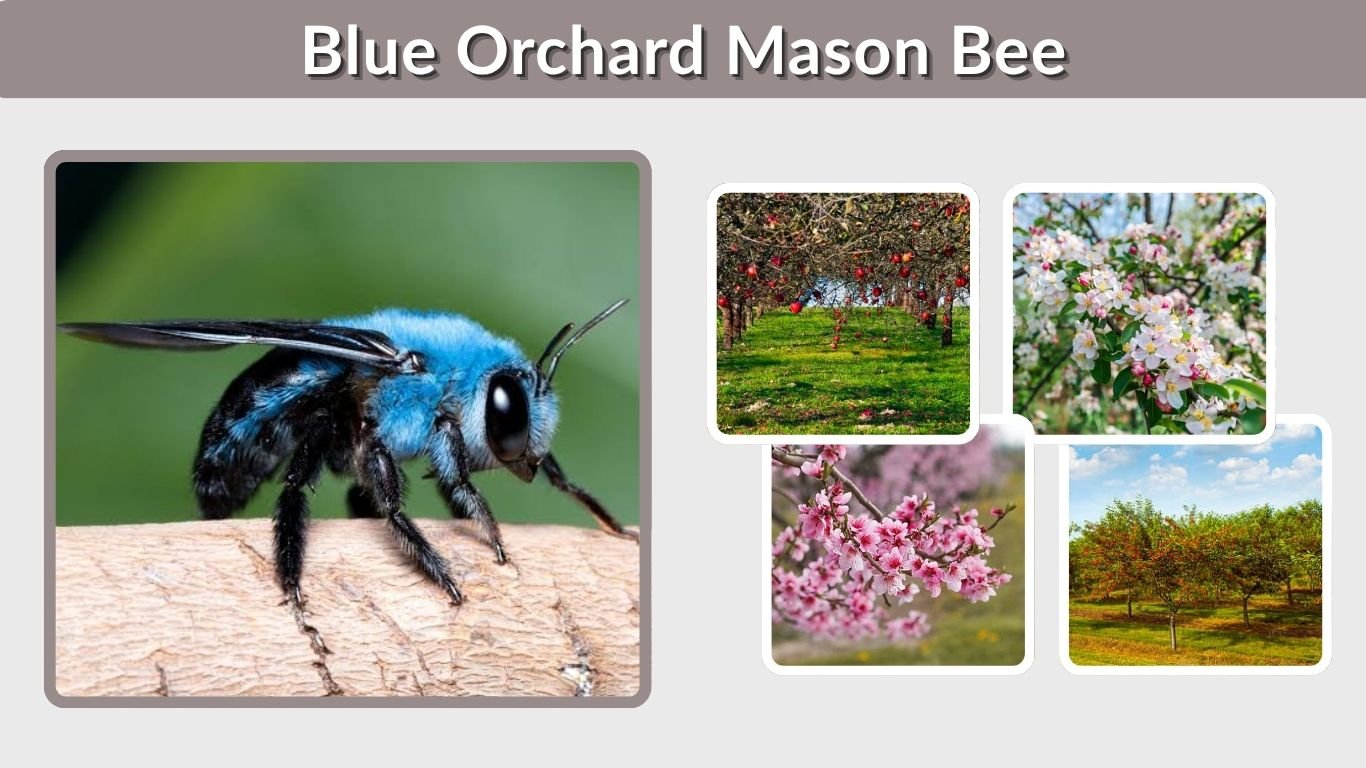
The blue orchard mason bee (Osmia lignaria) is a small native bee best known for its metallic blue color and exceptional ability to pollinate spring-blooming … Read More
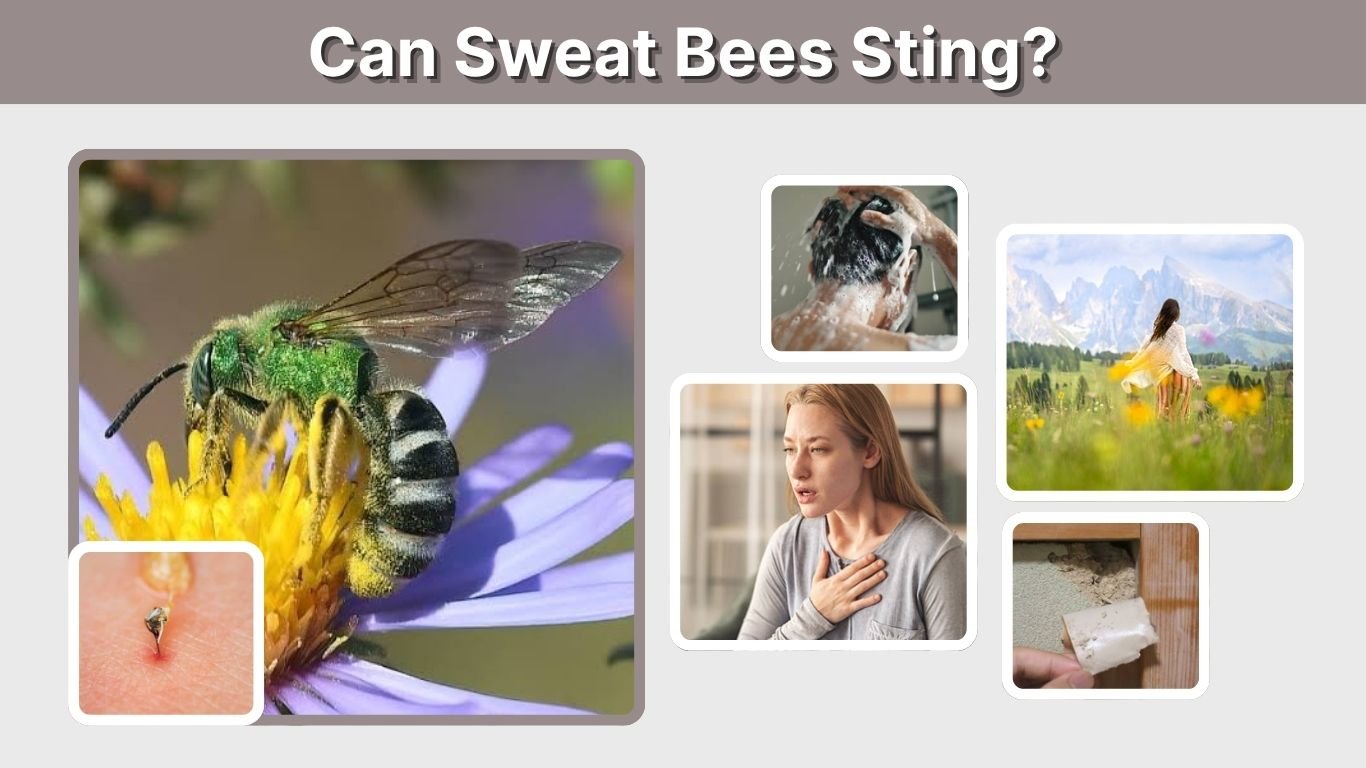
Yes, sweat bees can sting, but they are generally mild-mannered bees that rarely sting unless they feel trapped, pressed against the skin, or threatened. These … Read More