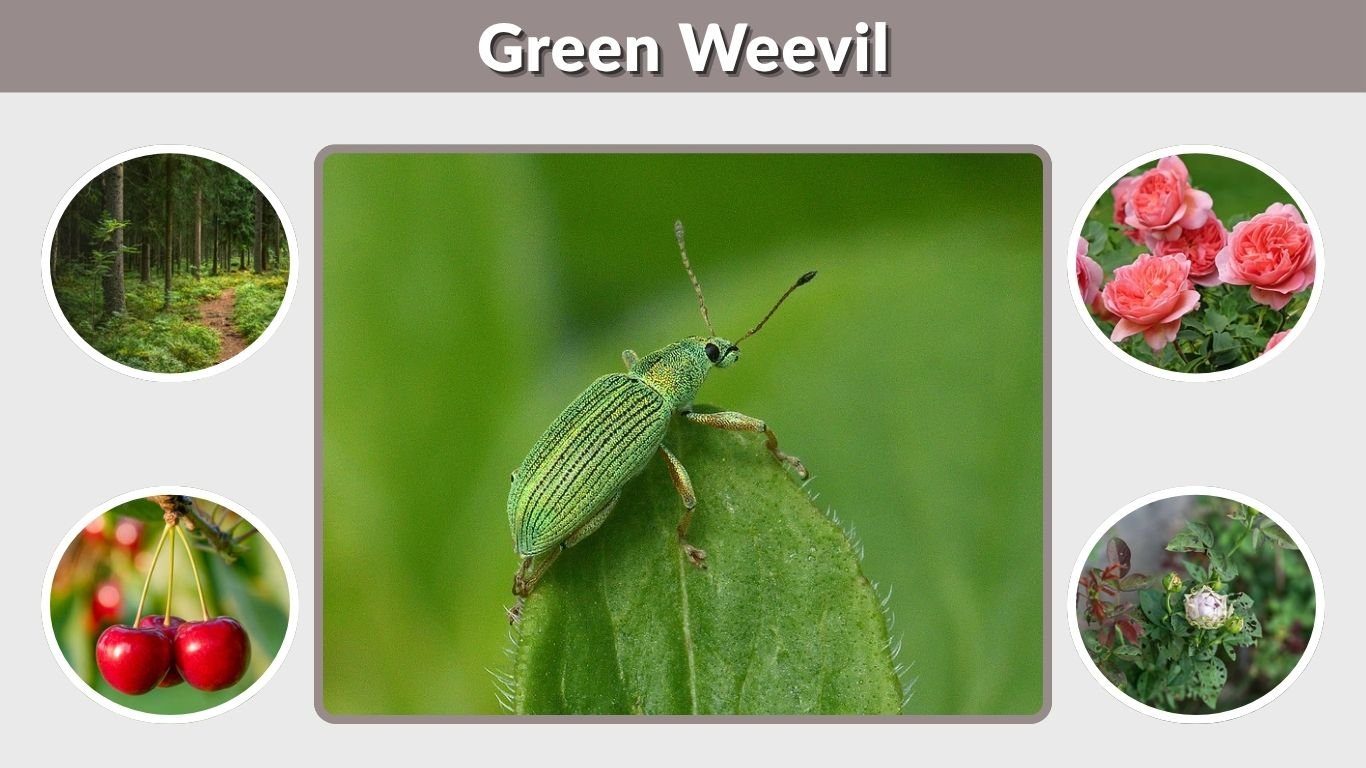
Green Weevil: Identification, Types, Life Cycle, Damage, and Control
The green weevil is a small beetle recognized by its distinctive snout and green, blue-green, or metallic coloration. Several different weevil species can appear green, … Read More
The green weevil is a small beetle recognized by its distinctive snout and green, blue-green, or metallic coloration. Several different weevil species can appear green, … Read More
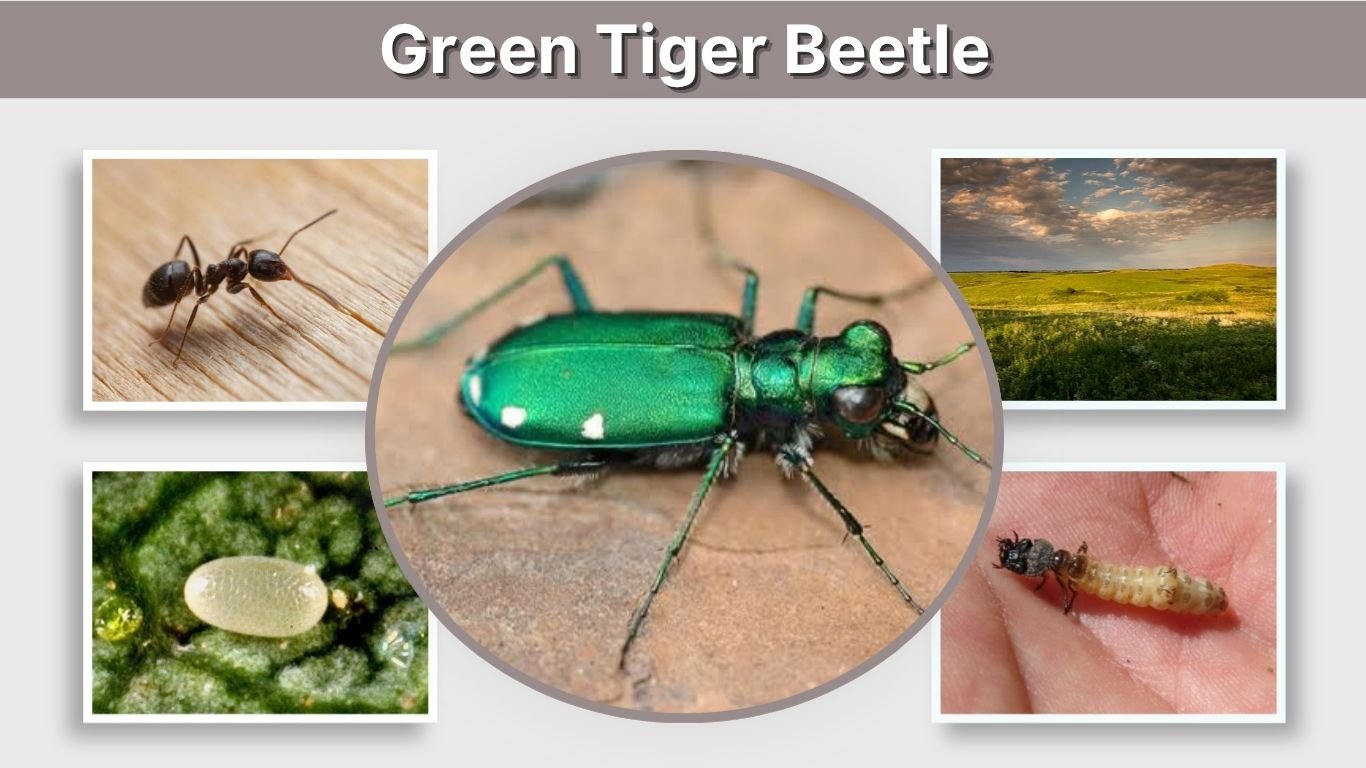
The green tiger beetle is a fast-moving predatory beetle known for its brilliant metallic green color, long legs, and powerful jaws. Depending on location, the … Read More
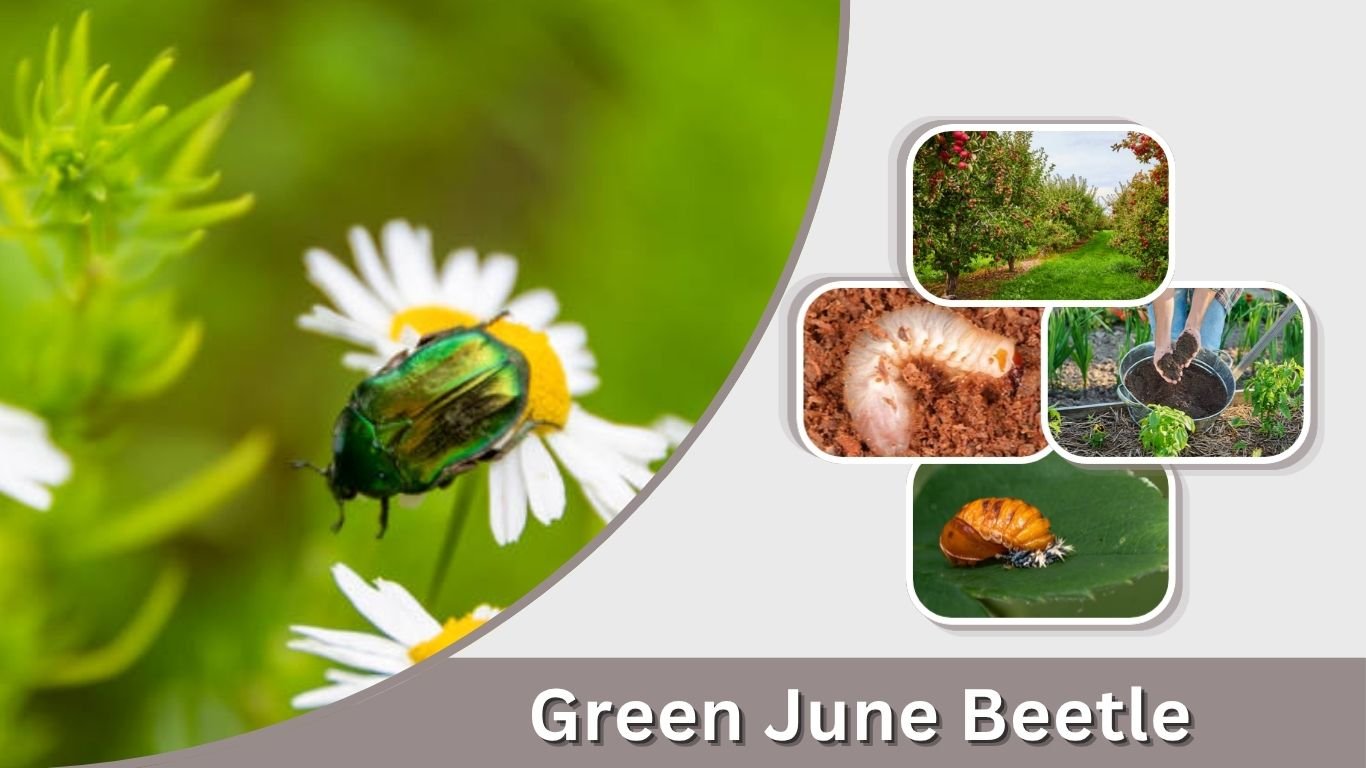
The green June beetle is a large, shiny beetle commonly noticed flying over lawns, gardens, and fruit trees during warm summer months. Its metallic green … Read More
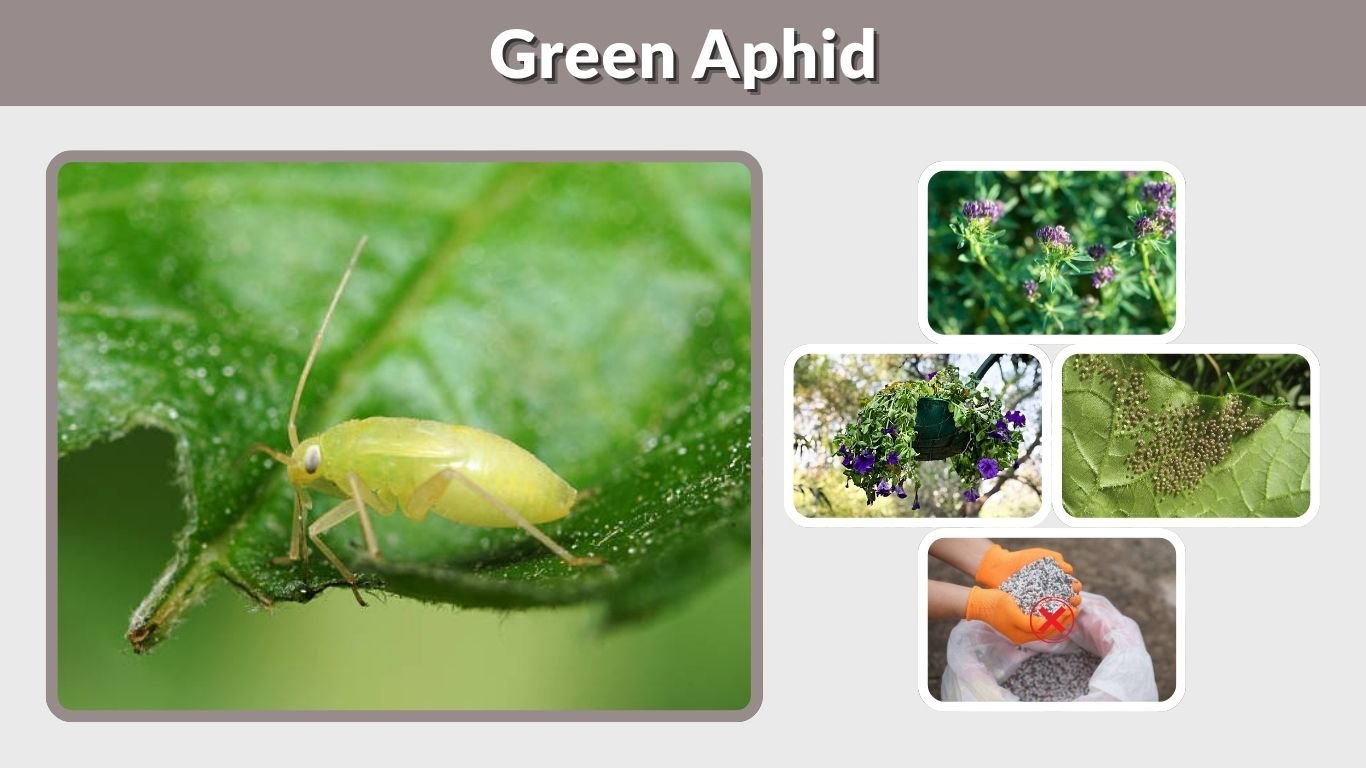
A green aphid is a tiny, soft-bodied sap-feeding insect commonly found on vegetables, flowers, fruit trees, shrubs, and agricultural crops. These insects may be pale … Read More
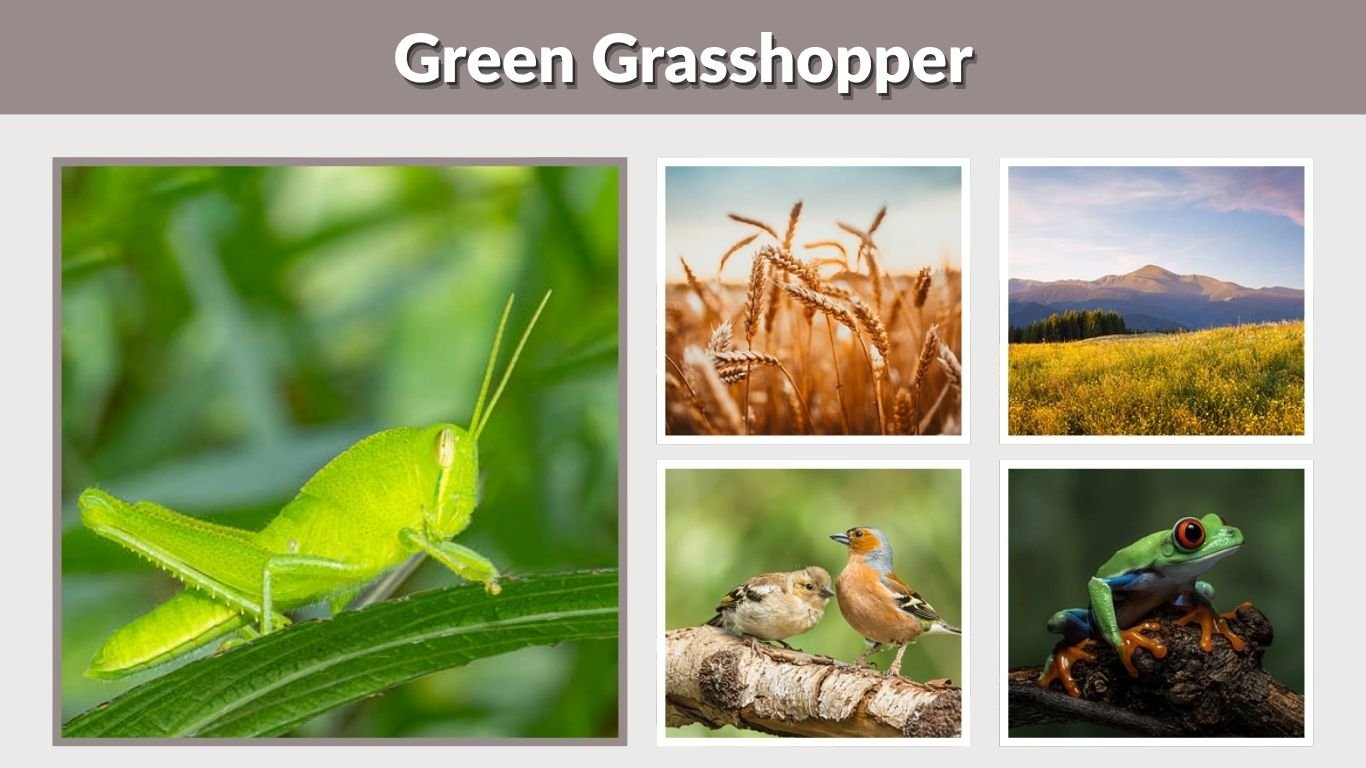
A green grasshopper is one of the most noticeable insects found in gardens, lawns, meadows, farms, and other areas filled with vegetation. Its bright green … Read More
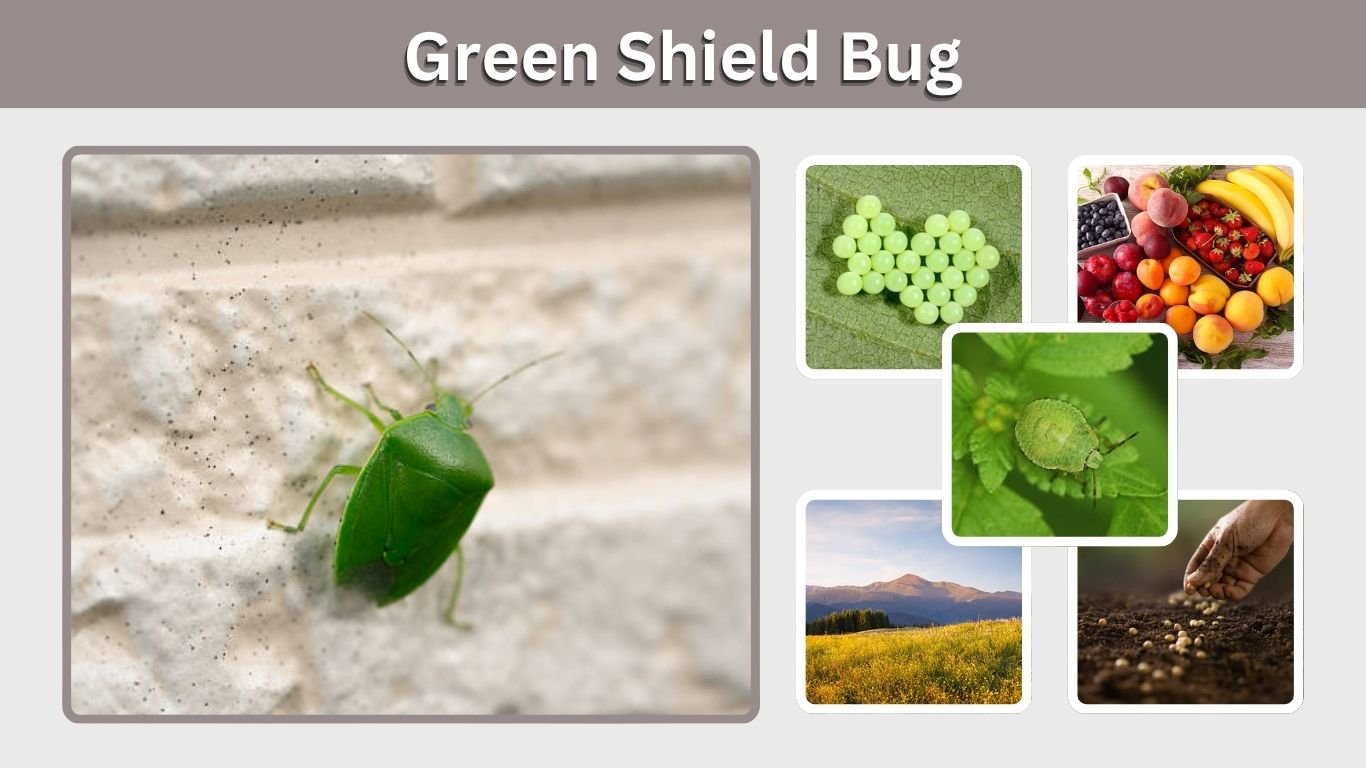
The green shield bug is a distinctive insect recognized by its broad, shield-shaped body and bright green color. It is commonly found on garden plants, … Read More
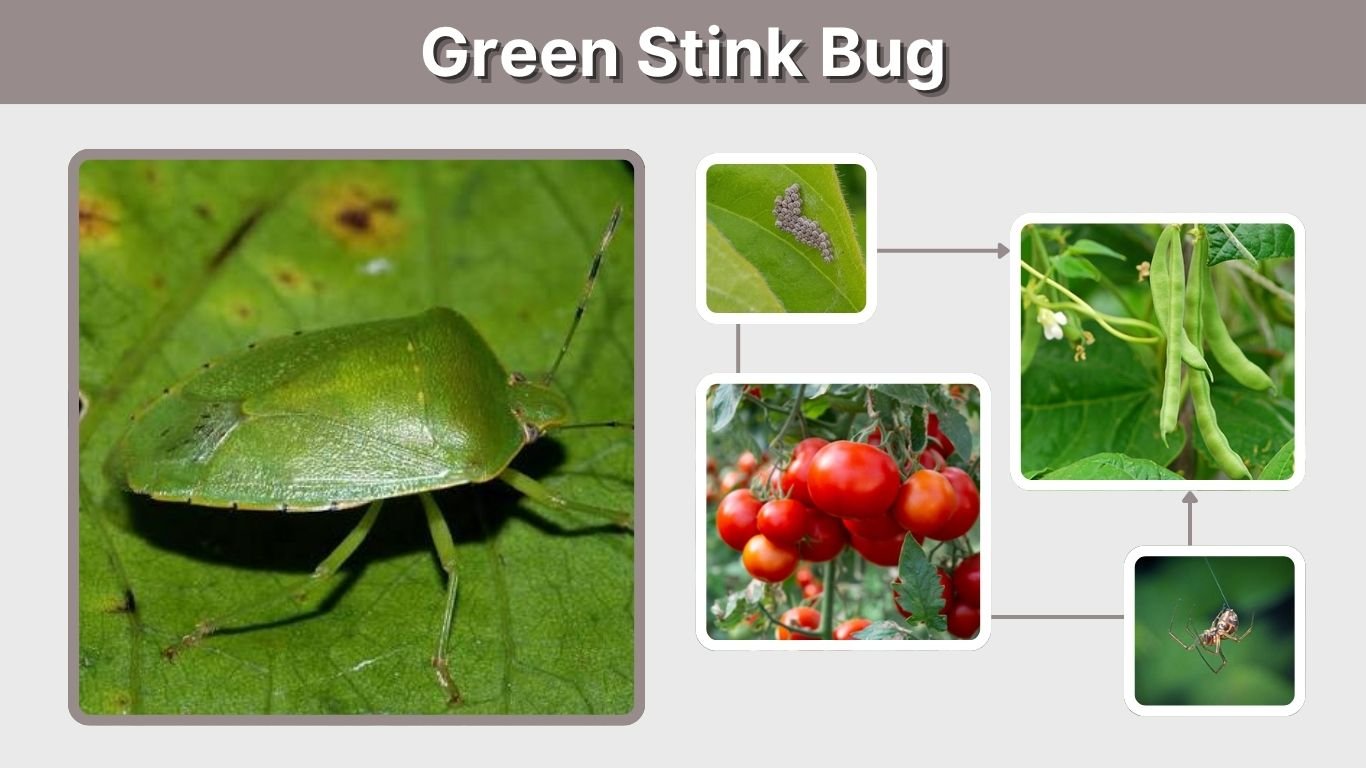
The green stink bug is a shield-shaped insect commonly found in gardens, farms, orchards, and around homes. Its bright green body makes it easy to … Read More
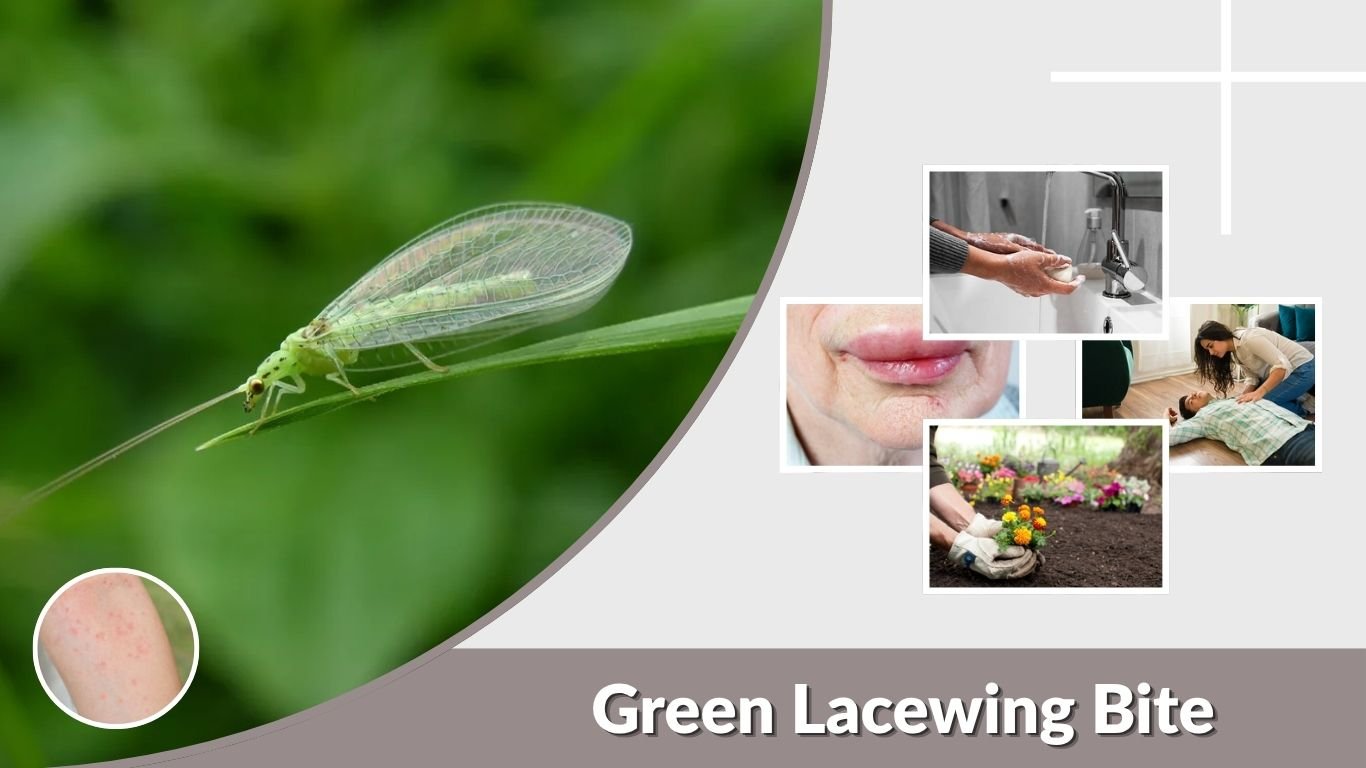
A green lacewing bite can be surprising because these delicate green insects are generally considered beneficial and harmless. Adult green lacewings rarely cause problems for … Read More
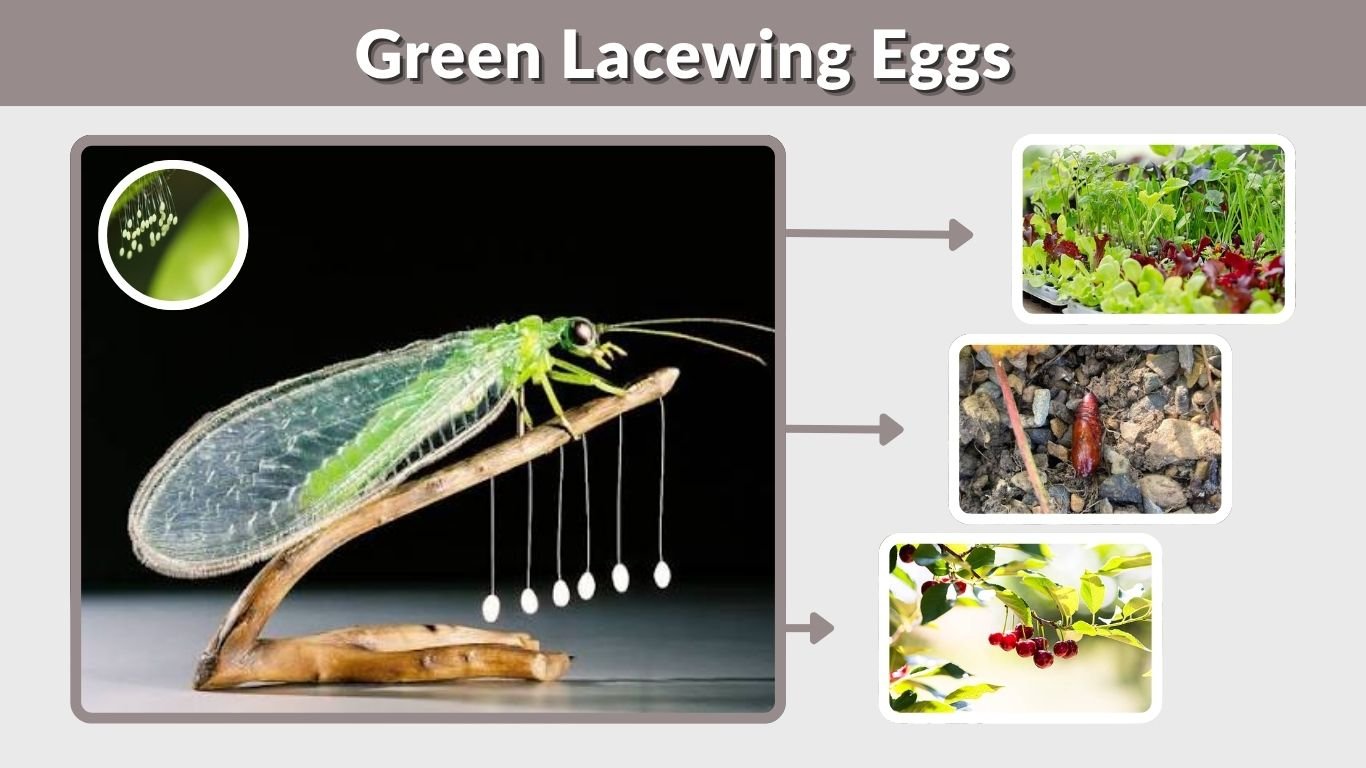
Green lacewing eggs are tiny but highly distinctive eggs produced by beneficial insects in the family Chrysopidae. They are usually found on plants, with each … Read More
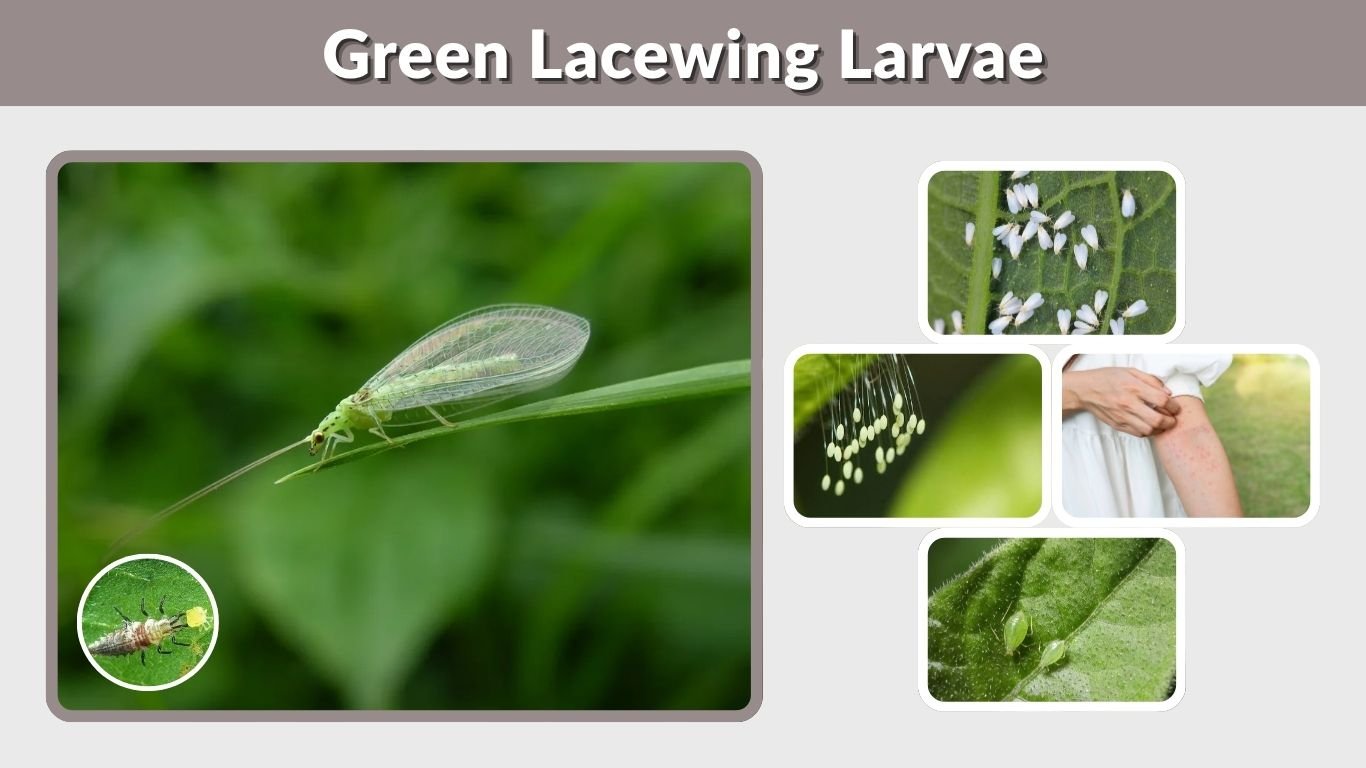
Green lacewing larvae are among the most useful predatory insects found in gardens, farms, greenhouses, and landscapes. Although the delicate green adults look harmless, their … Read More
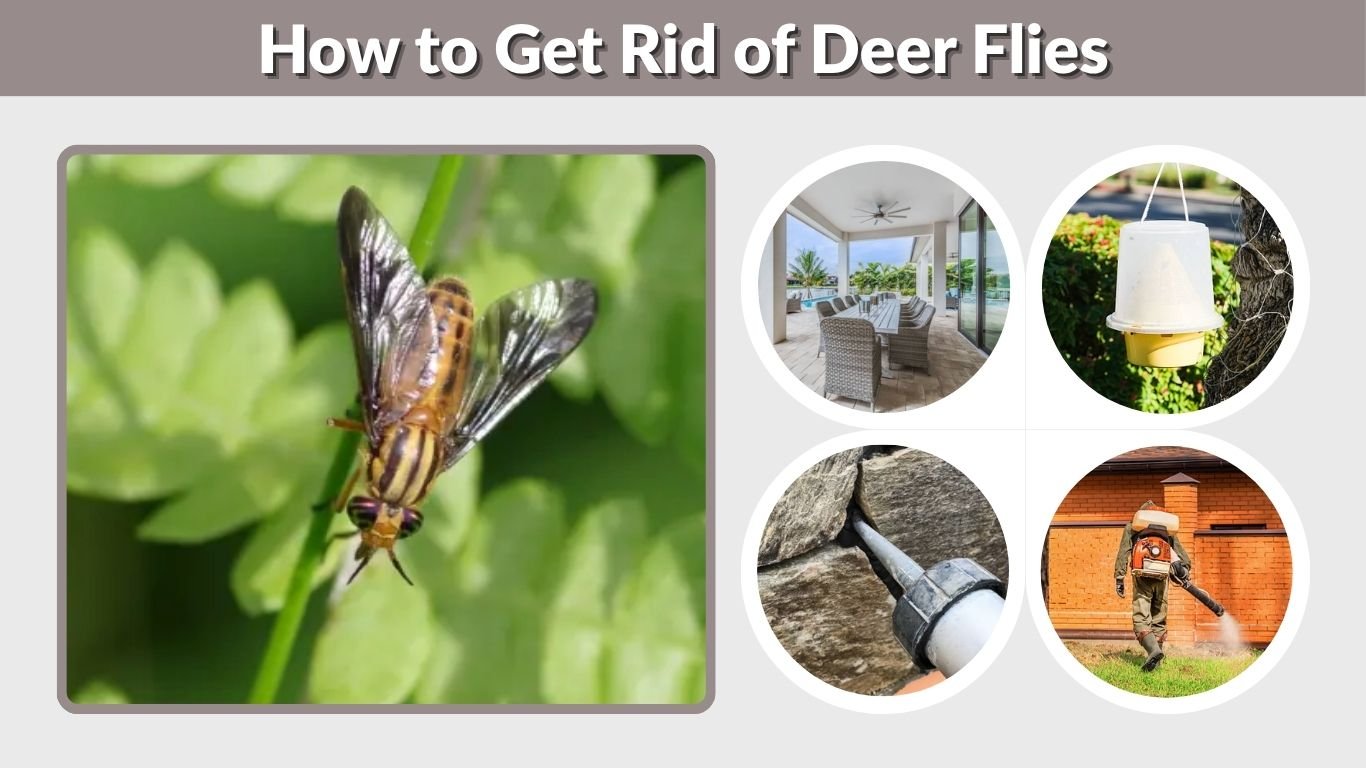
Deer flies can quickly turn a relaxing day outdoors into an uncomfortable experience. These aggressive biting flies are especially common around wooded areas, wetlands, ponds, … Read More
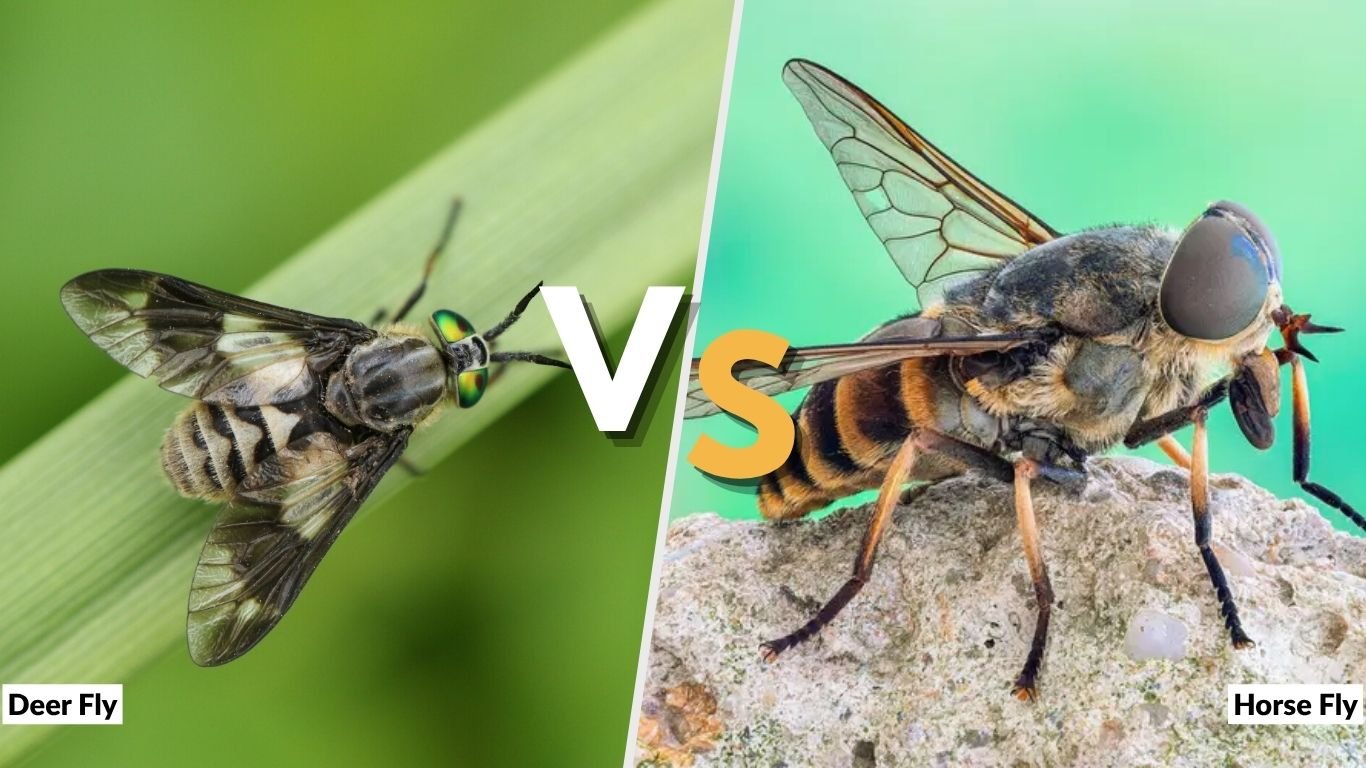
Deer flies and horse flies are closely related biting flies that belong to the family Tabanidae. Both can deliver painful bites, especially during warm weather, … Read More