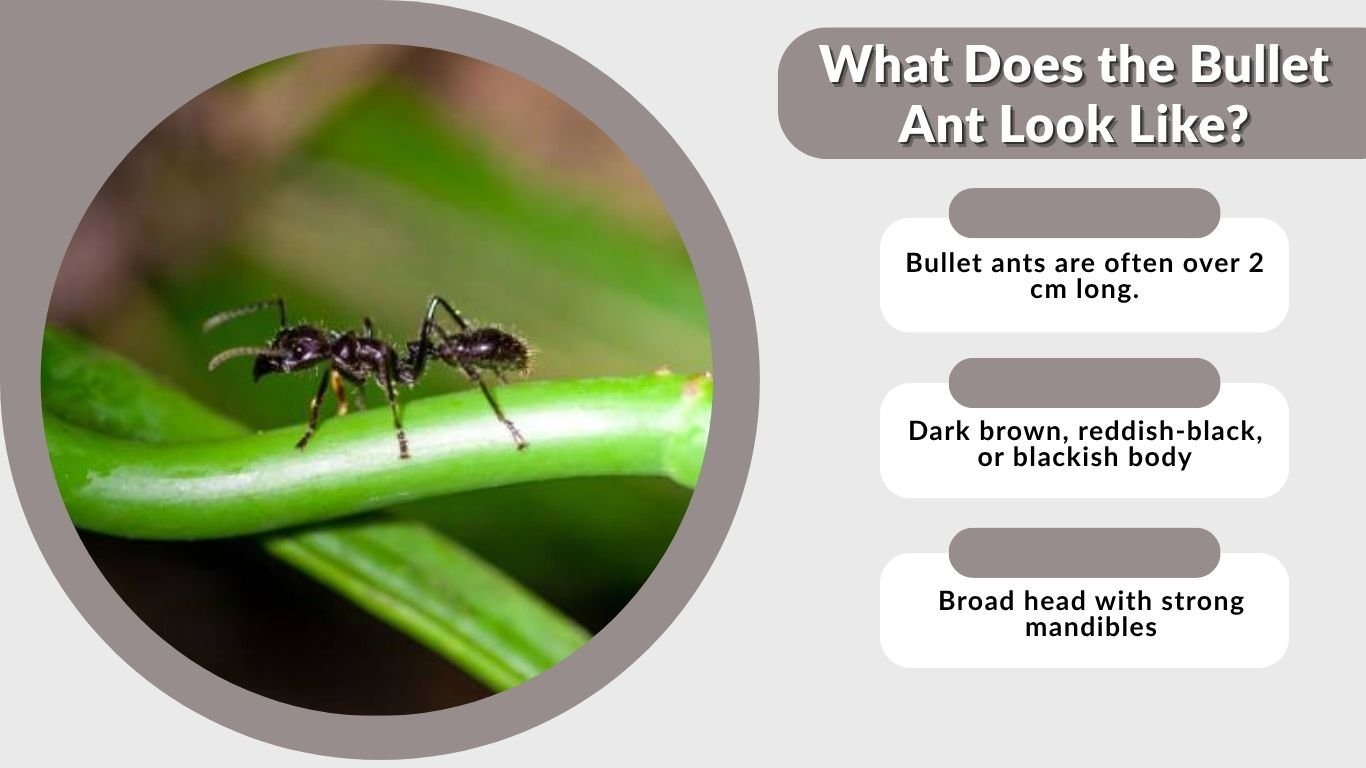
What Does the Bullet Ant Look Like? Identification Guide
The bullet ant is one of the most recognizable ants in the tropical Americas because of its large size, dark body, long legs, and wasp-like … Read More
The bullet ant is one of the most recognizable ants in the tropical Americas because of its large size, dark body, long legs, and wasp-like … Read More
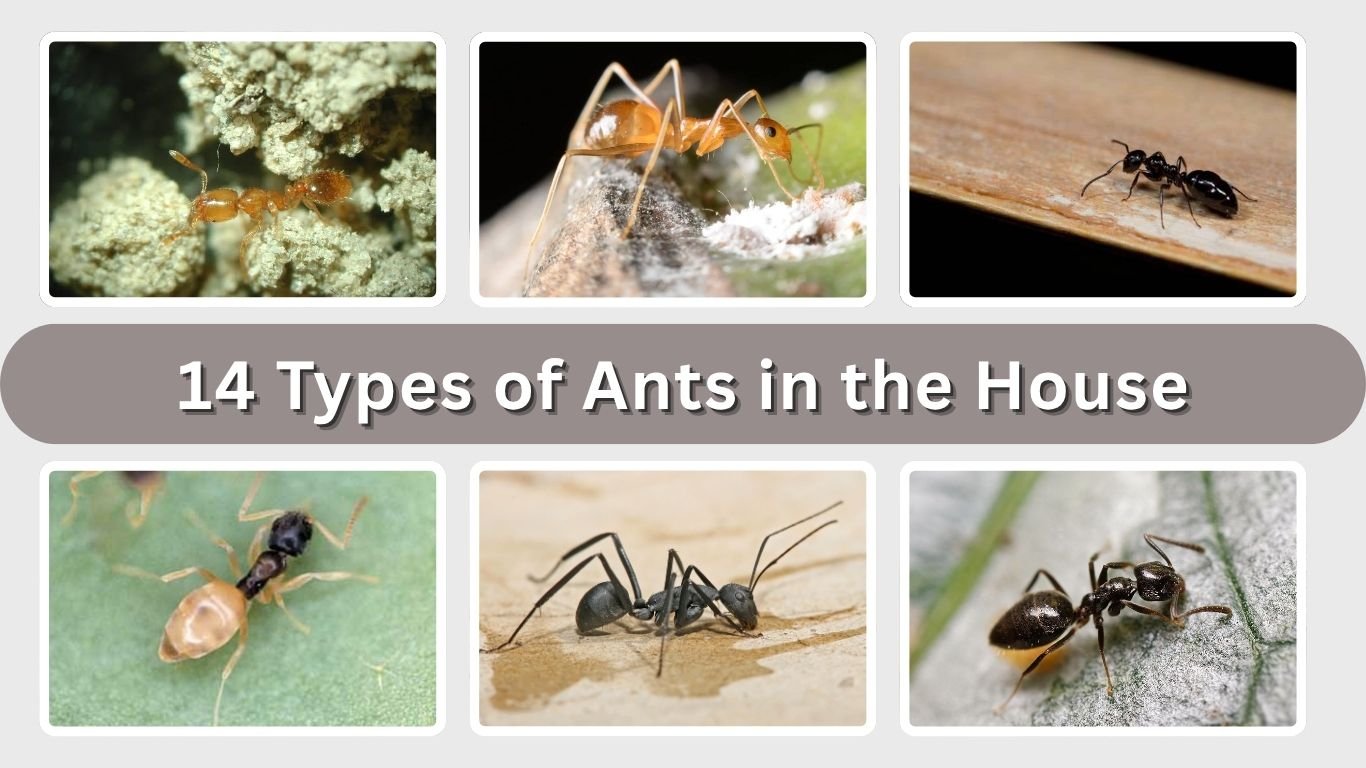
Ants are among the most common household pests, but not every species behaves the same way. Some invade kitchens for sugar and grease, while others … Read More

Sugar ants eat sweet, protein-rich, and greasy foods found both indoors and outdoors. Their name comes from their strong attraction to sugary substances such as … Read More

Sugar ants enter homes searching for sweet food, moisture, and shelter. Although wiping away visible ants provides temporary relief, it rarely affects the hidden colony. … Read More
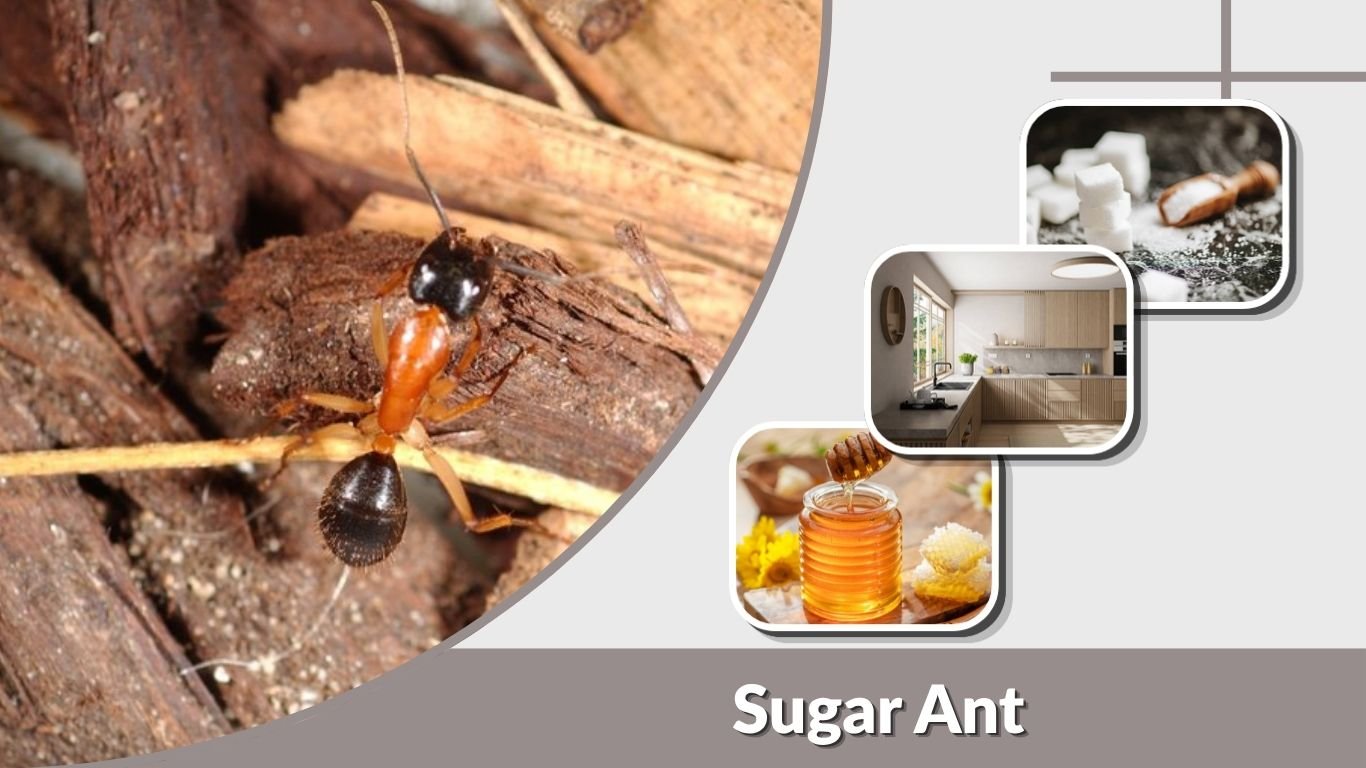
Sugar ants are small ants commonly seen following trails across kitchen counters, sinks, cupboards, and floors. However, “sugar ant” is not always a precise species … Read More
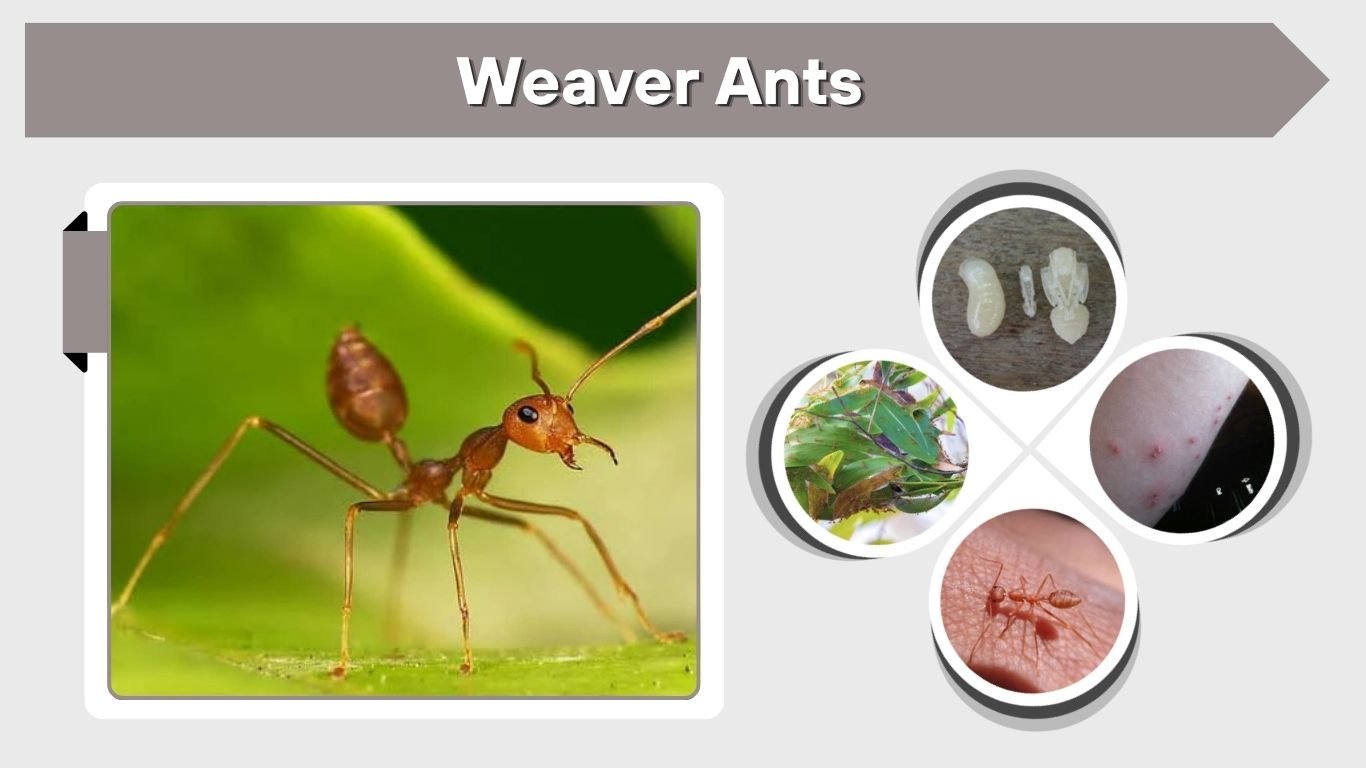
Weaver ants are remarkable tree-dwelling insects famous for building nests from living leaves. Rather than collecting ordinary construction materials, worker ants pull leaves together and … Read More
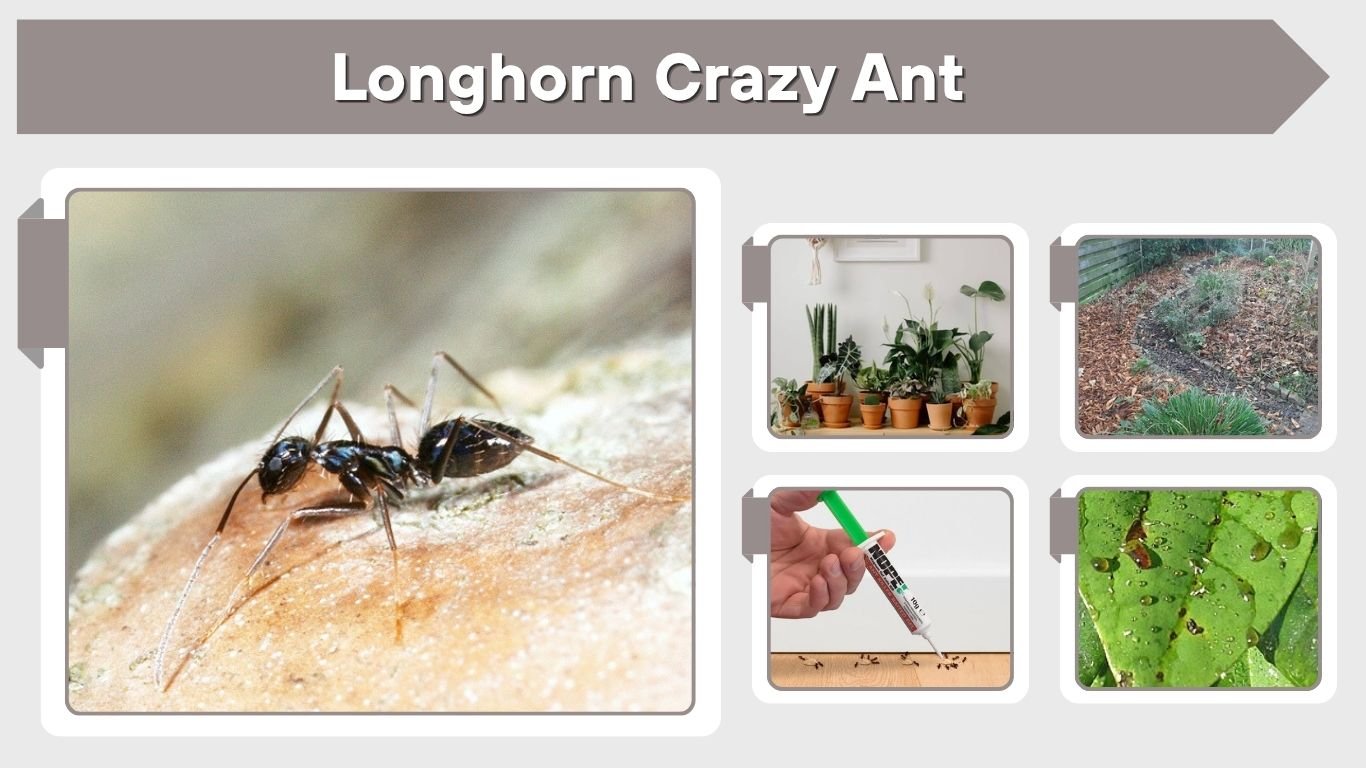
The longhorn crazy ant is a small, fast-moving ant recognized by its extremely long legs and antennae. It frequently enters houses, restaurants, greenhouses, hospitals, and … Read More

Crazy ants in Florida can become overwhelming because they form enormous colonies, move unpredictably, and invade homes in extremely large numbers. Several ants may be … Read More

Crazy ants can quickly become one of the most frustrating pests around a home. They move rapidly, form large colonies, invade kitchens and electrical equipment, … Read More
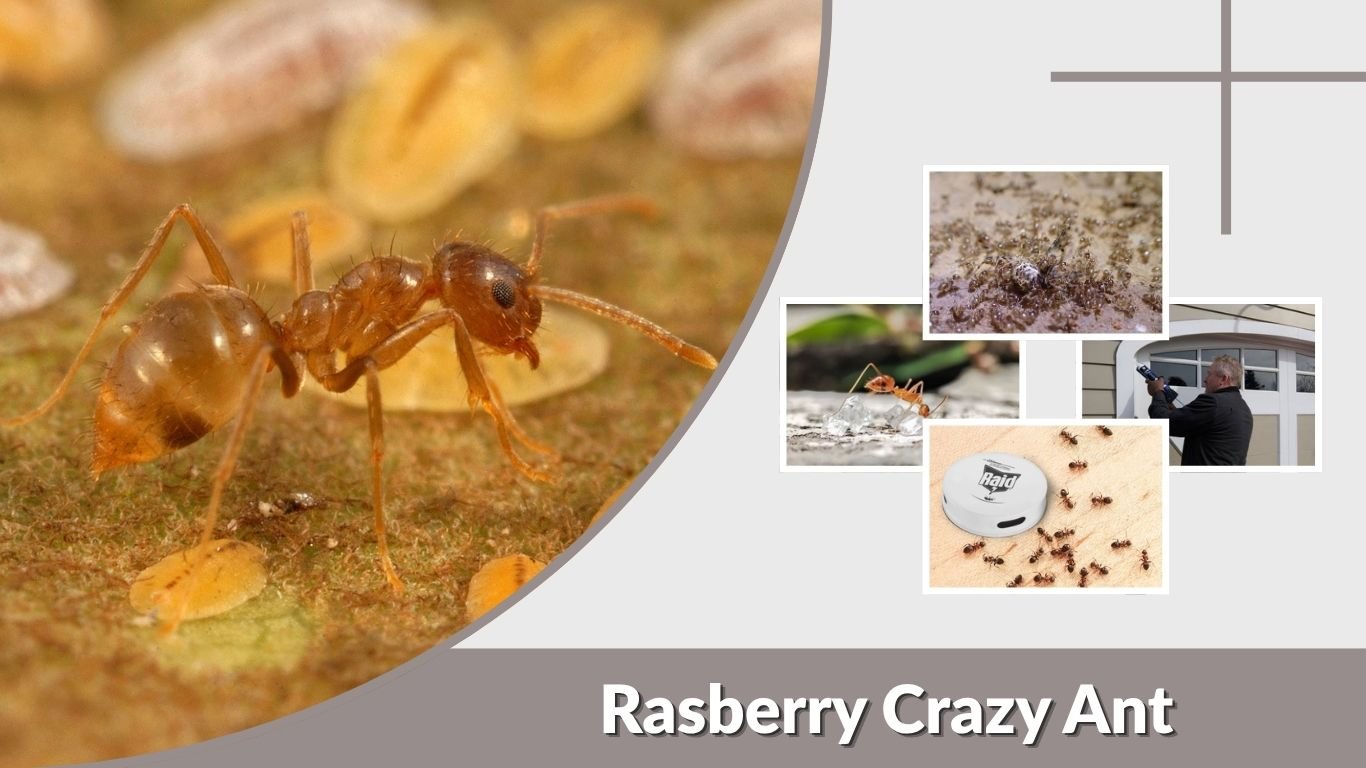
The Rasberry crazy ant is a highly invasive pest capable of forming enormous colonies around homes, businesses, farms, and natural habitats. Now officially called the … Read More
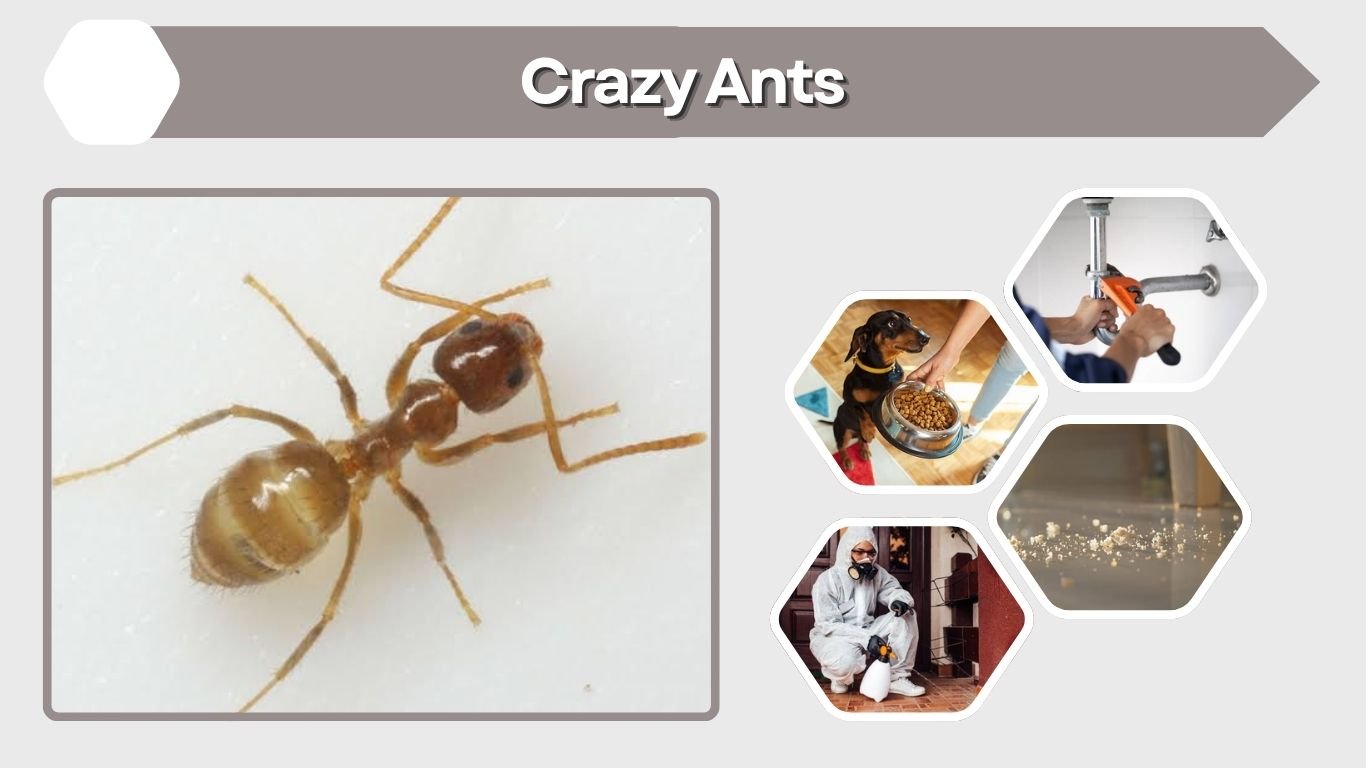
Crazy ants are small, fast-moving ants known for running in sudden, uneven directions instead of following neat trails. The name “crazy ant” does not describe … Read More
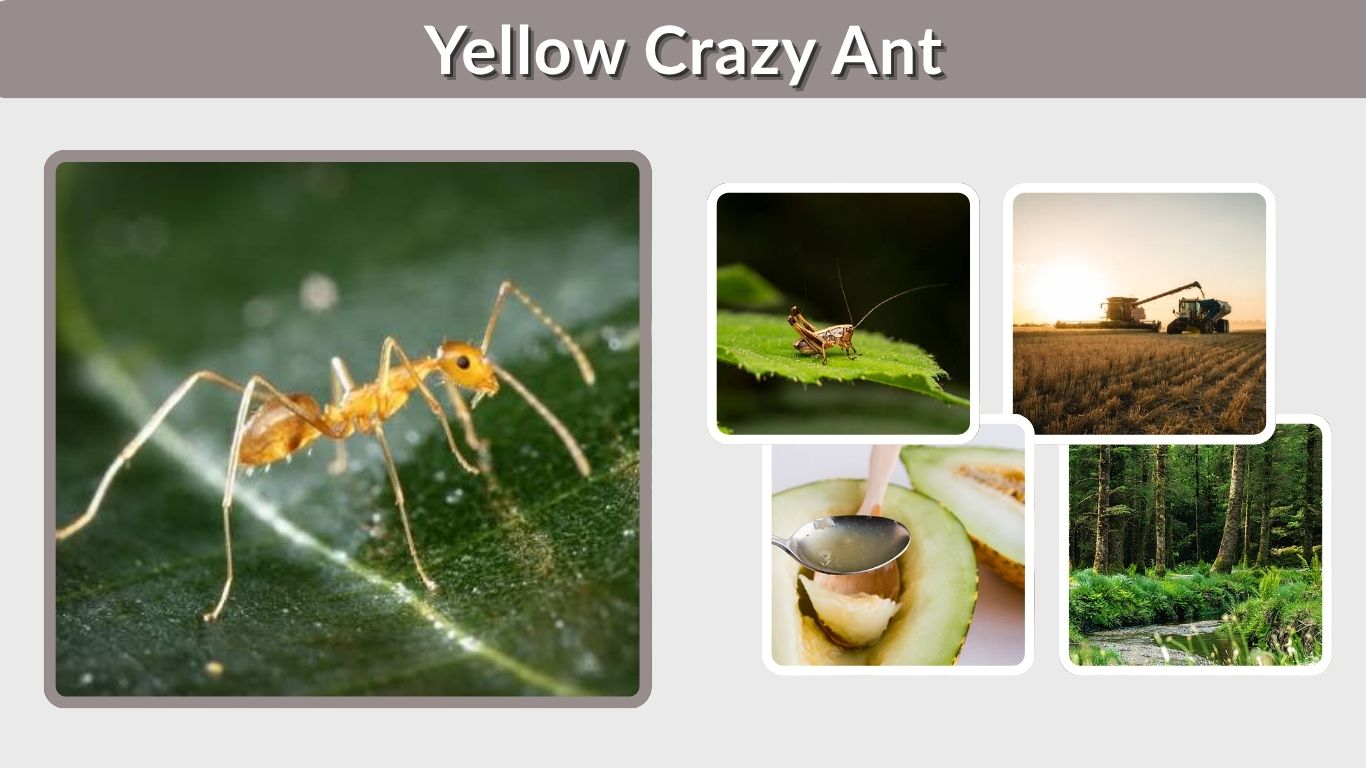
The yellow crazy ant is one of the most invasive ant species in the world. It gets its name from its yellowish body and fast, … Read More