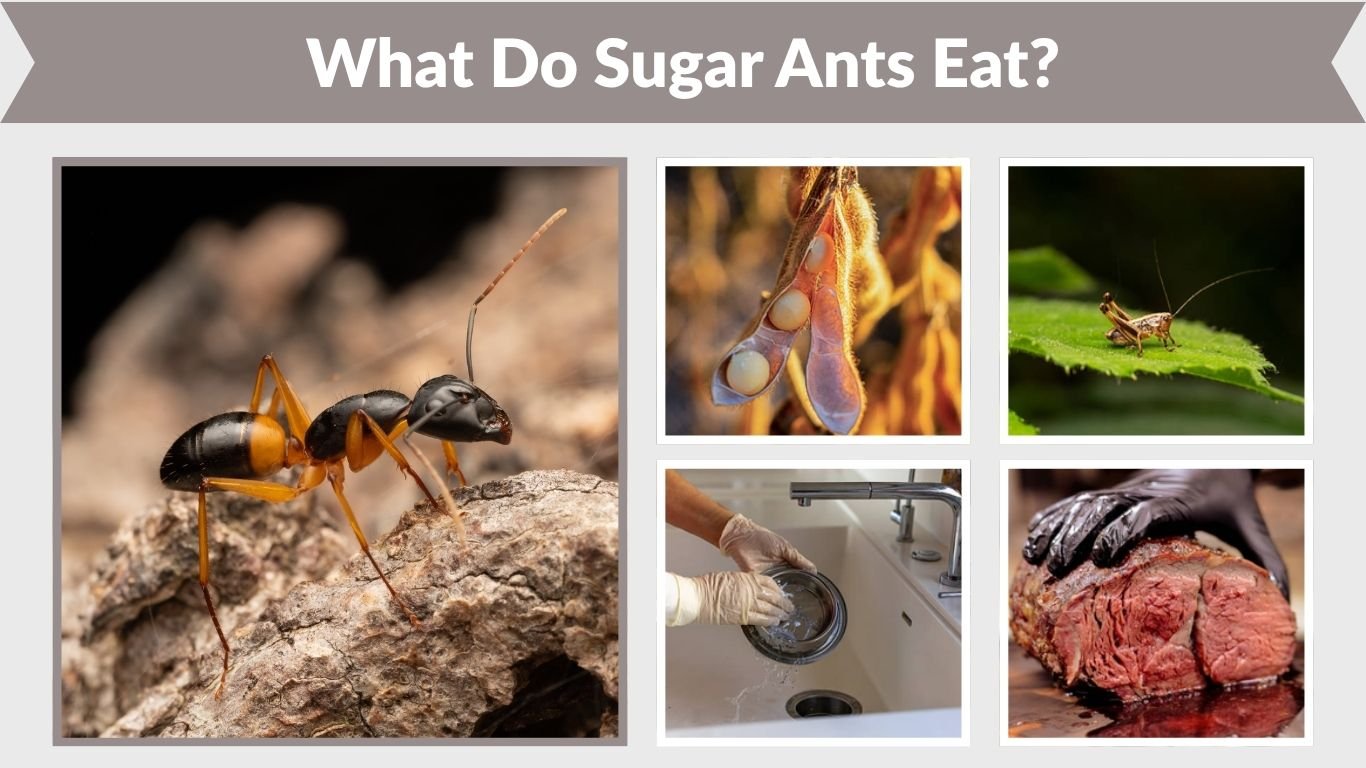
Sugar ants eat sweet, protein-rich, and greasy foods found both indoors and outdoors. Their name comes from their strong attraction to sugary substances such as honey, syrup, fruit, and nectar. However, these ants do not live on sugar alone. Depending on the species and the needs of the colony, they may also consume insects, meat, pet food, seeds, and fatty leftovers. Understanding what sugar ants eat can help you remove food sources, choose an effective bait, and prevent an infestation.
What Are Sugar Ants?
“Sugar ant” is a general name commonly used for small ants that enter homes looking for sweet food. It may refer to odorous house ants, Argentine ants, pavement ants, pharaoh ants, or other household species. In Australia, the name often refers specifically to the banded sugar ant.
Although these ants have different appearances and nesting habits, they share an attraction to carbohydrates. Worker ants use sugary foods for energy, while developing larvae and queens often require more protein.
10 Foods Sugar Ants Eat
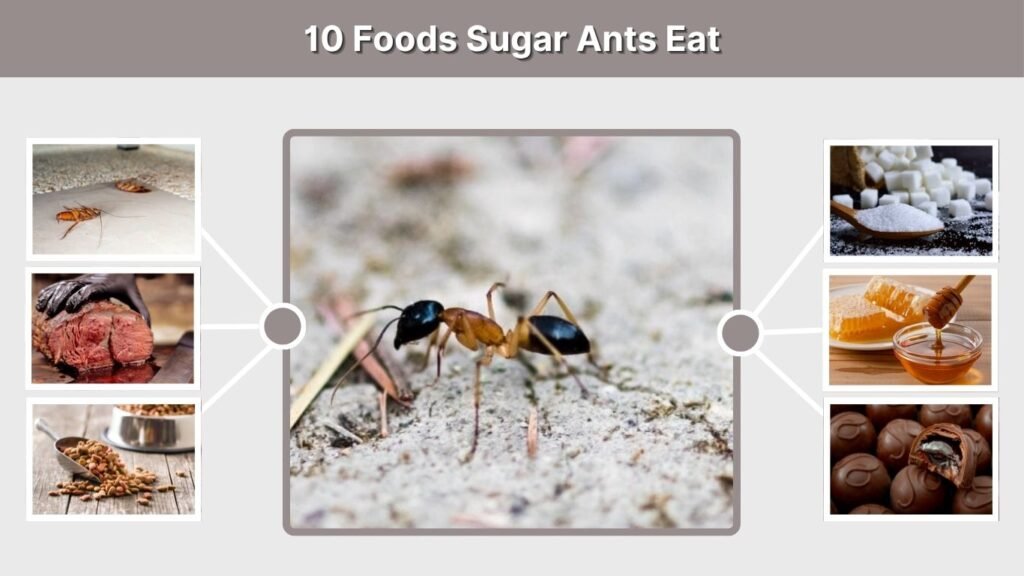
Sugar ants are opportunistic feeders, meaning they eat whatever suitable food is available. Kitchens, pantries, trash cans, gardens, and pet-feeding areas can provide everything a colony needs.
1. Sugar
Granulated sugar is one of the most obvious foods that attracts sugar ants. Loose sugar around containers, coffee stations, cupboards, and kitchen counters can quickly lead to an organized ant trail.
Even a few grains may be enough for workers to discover a food source. They carry liquid or dissolved sugar back to the colony and share it with other ants.
Store sugar in a tightly sealed container and wipe the outside of the jar regularly.
2. Honey
Honey contains natural sugars that provide ants with quick energy. An open honey jar, sticky lid, or small drip on a counter can attract large numbers of workers.
Sugar ants may enter through tiny gaps and follow scent trails to the honey repeatedly. Because honey remains sticky for a long time, even an old spill can continue attracting ants.
Wash honey bottles and store them in clean, sealed cupboards.
3. Syrup
Pancake syrup, maple syrup, corn syrup, and flavored drink syrups are highly attractive to sugar-feeding ants. Syrup spills often collect around bottle caps, refrigerator shelves, dining tables, and kitchen cabinets.
Because syrup is concentrated and easy for ants to consume, workers may recruit many nestmates after locating it. Clean spills with soap and water rather than simply wiping the surface with a dry cloth.
4. Fruit
Sugar ants eat ripe, damaged, and overripe fruit because it contains natural sugars and moisture. Bananas, grapes, mangoes, apples, peaches, berries, and melons may attract ants when left uncovered.
Fruit juice leaking from damaged produce can also create a strong food trail. Fallen fruit beneath outdoor trees may support nearby colonies and encourage ants to enter the home.
Keep ripe fruit refrigerated when possible and discard spoiled produce promptly.
5. Candy and Chocolate
Candy, chocolate, frosting, cookies, and other sweets provide carbohydrates and sometimes fat. Small crumbs beneath furniture or inside drawers can remain unnoticed while feeding ants for days.
Soft candy and melted chocolate are particularly accessible because ants can easily collect the sugary material. Wrapped candy may also attract ants if the packaging is damaged or sticky.
Store sweets in airtight containers rather than thin bags or open bowls.
6. Nectar
Outdoors, sugar ants commonly feed on nectar from flowers. Nectar is a natural carbohydrate source that gives worker ants energy for walking, foraging, nest building, and caring for the colony.
Ants may crawl across flowers and occasionally contribute to pollination, although they are generally less effective pollinators than bees. Flowering plants near windows or walls may also bring ant activity closer to a building.
Ants feeding on flowers usually do not harm the plant.
7. Honeydew from Insects
Honeydew is a sweet liquid produced by sap-feeding insects such as aphids, scale insects, mealybugs, and whiteflies. It is one of the most important natural foods for many sugar-feeding ants.
Ants may protect these insects from predators in exchange for a steady honeydew supply. Heavy ant activity on a plant can therefore indicate an aphid or scale infestation.
Controlling honeydew-producing pests may reduce the number of ants around gardens and exterior walls.
8. Dead Insects
Sugar ants also eat dead insects and other small invertebrates. These foods provide protein needed for growing larvae and reproductive members of the colony.
Workers may collect flies, mosquitoes, spiders, beetles, and insect fragments. They break the food into manageable pieces and transport it back to the nest.
This scavenging behavior helps remove dead insects from the environment, but it can also attract ants to window sills, garages, and other places where insects accumulate.
9. Meat and Greasy Food
Many ants called sugar ants switch between sweet and protein-rich foods. They may eat cooked meat, grease, butter, cheese, fried food, and oily crumbs.
Greasy residue around stoves, grills, trash cans, and food packaging can attract pavement ants and other household species. Ant colonies may seek more protein when they are raising large numbers of larvae.
Regularly clean beneath ovens, refrigerators, microwaves, and small kitchen appliances.
10. Pet Food
Dog food, cat food, fish flakes, birdseed, and other pet foods contain protein, carbohydrates, and fat. These ingredients make pet-feeding areas attractive to sugar ants.
Ants may enter open pet-food bags or form trails toward bowls left on the floor. Wet pet food is especially appealing because it also provides moisture.
Keep pet food in sealed containers, clean bowls after feeding, and avoid leaving food out overnight.
What Do Sugar Ants Eat Inside the House?
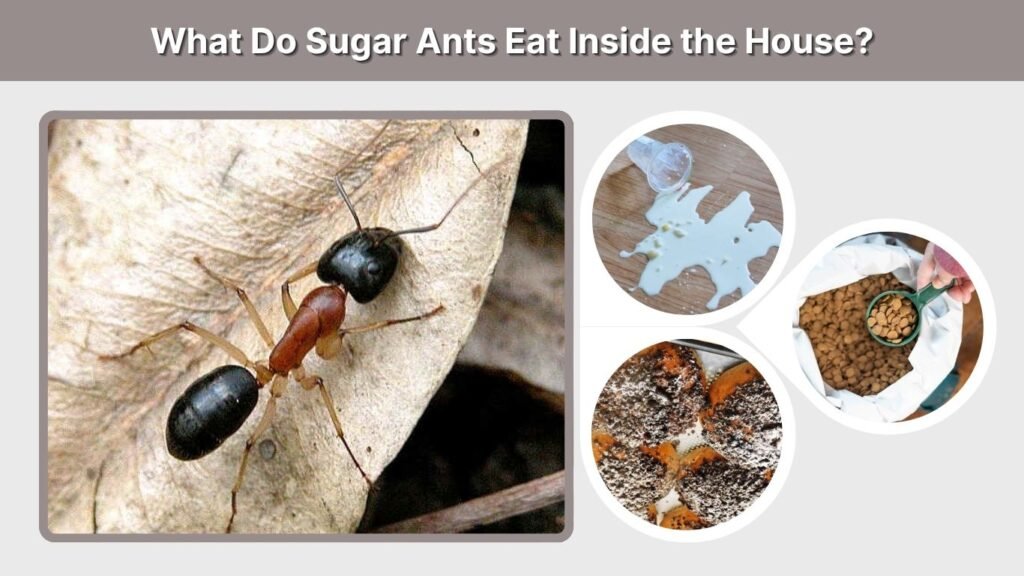
Inside a home, sugar ants eat almost any accessible food containing sugar, protein, or grease. Kitchens are the most common infestation areas, but ants can also find food in bedrooms, living rooms, bathrooms, garages, and laundry rooms.
Common indoor food sources include:
- Drink spills and soda residue
- Cake, bread, and cookie crumbs
- Jam, jelly, and peanut butter
- Dirty dishes
- Trash and recycling
- Toothpaste residue
- Pet food
- Dead insects
- Grease around cooking appliances
- Food stored in damaged packaging
Removing these sources makes ant bait more attractive and reduces the likelihood of repeated infestations.
Do Sugar Ants Eat Only Sweet Foods?
Sugar ants do not eat only sugar. Adult workers primarily need carbohydrates for energy, but the colony also requires protein and fat. Protein is especially important for larvae because it supports growth and development.
Food preferences may change throughout the year. A colony that accepts sweet liquid bait one week may show greater interest in protein or grease later. This is why ants sometimes ignore a bait even when it is placed directly beside their trail.
What Do Baby Sugar Ants Eat?
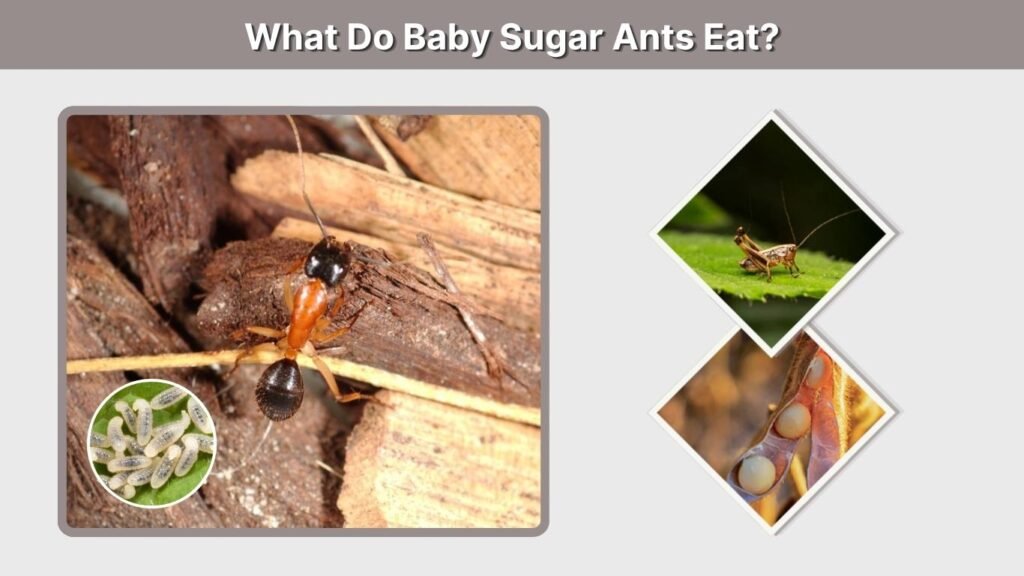
Baby ants are called larvae. They remain inside the nest and depend on adult workers for food. Workers bring protein-rich material into the colony, process it, and feed it to the larvae.
The larvae may receive nutrients from insects, meat, seeds, or other protein sources. Adult ants can also share liquid food through a mouth-to-mouth process known as trophallaxis.
Larvae eventually develop into pupae and then emerge as adult workers, males, or queens.
What Do Sugar Ant Queens Eat?
A sugar ant queen is fed by worker ants after the colony becomes established. Her diet may include sugary liquids for energy and protein-rich food for egg production.
Workers gather food, store it in their bodies, and share it with the queen inside the protected nest. A queen usually does not leave an established colony to search for food.
Because bait-fed workers share food throughout the nest, slow-acting ant bait may eventually reach the queen.
How Long Can Sugar Ants Live Without Food?
Sugar ants may survive several days or longer without food, depending on the species, temperature, moisture, and stored resources inside the colony. Access to water can be just as important as access to food.
A colony may also have stored food or workers with liquid reserves in their bodies. Therefore, simply cleaning the kitchen may not eliminate an established nest. Sanitation should be combined with sealing entry points and using appropriately labeled bait when necessary.
How to Stop Feeding Sugar Ants Accidentally
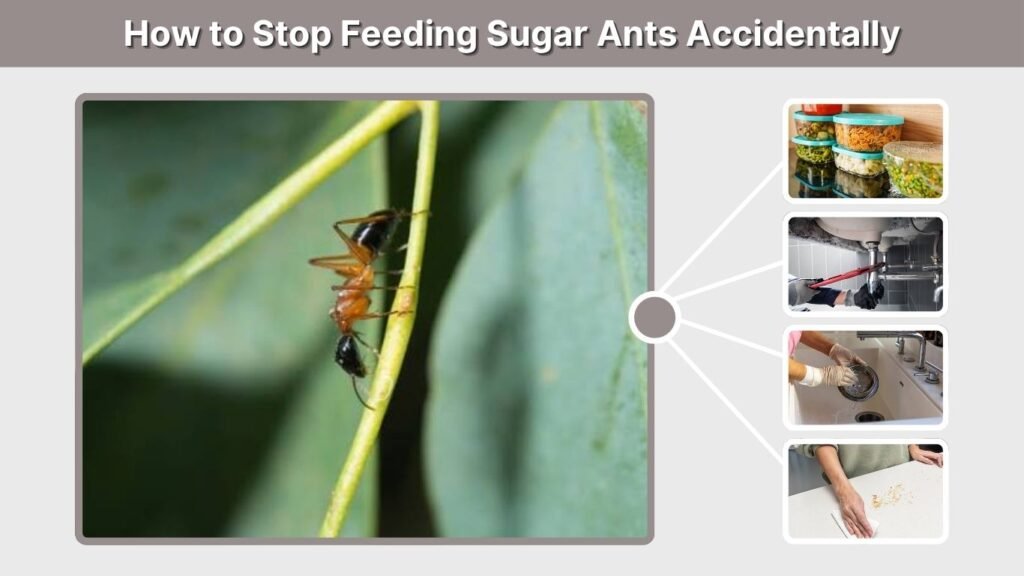
Preventing access to food is one of the most effective ways to discourage sugar ants.
- Store sugar, flour, cereal, and snacks in airtight containers.
- Clean spills immediately with soap and water.
- Wash sticky jars and bottles.
- Empty trash regularly.
- Rinse recyclable containers.
- Sweep beneath appliances and furniture.
- Refrigerate ripe fruit.
- Clean pet bowls after use.
- Repair leaking pipes and faucets.
- Control aphids and scale insects on plants.
Small amounts of food can support many ants, so attention to crumbs and sticky residue is essential.
FAQs
What food attracts sugar ants the most?
Sugar ants are commonly attracted to honey, syrup, sugar, ripe fruit, jam, candy, and sweet drinks. However, their preferences can change according to the species and the colony’s nutritional needs. Some colonies may temporarily prefer meat, grease, insects, or pet food over sweets.
Do sugar ants eat wood?
Most sugar ants do not eat wood. Carpenter ants may excavate damp or damaged wood to create nesting galleries, but they do not digest it as food. They obtain nutrients from sugary liquids, insects, meat, grease, and other organic materials.
Do sugar ants eat other ants?
Some ant species attack and consume other ants, especially during territorial conflicts or food shortages. However, common household sugar ants usually feed on sweet liquids, dead insects, grease, and available human food rather than actively hunting other ant colonies.
Why are sugar ants attracted to water?
Sugar ants need moisture for survival. They may gather around sinks, bathrooms, dishwashers, leaking pipes, plant trays, and pet-water bowls. During hot or dry weather, water may attract ants even when little food is available nearby.
What should I use as bait for sugar ants?
Sweet liquid or gel bait often works well when ants are actively seeking carbohydrates. If they ignore sweet bait, a protein- or grease-based product may be more attractive. Use a properly labeled enclosed bait station and keep it inaccessible to children and pets.