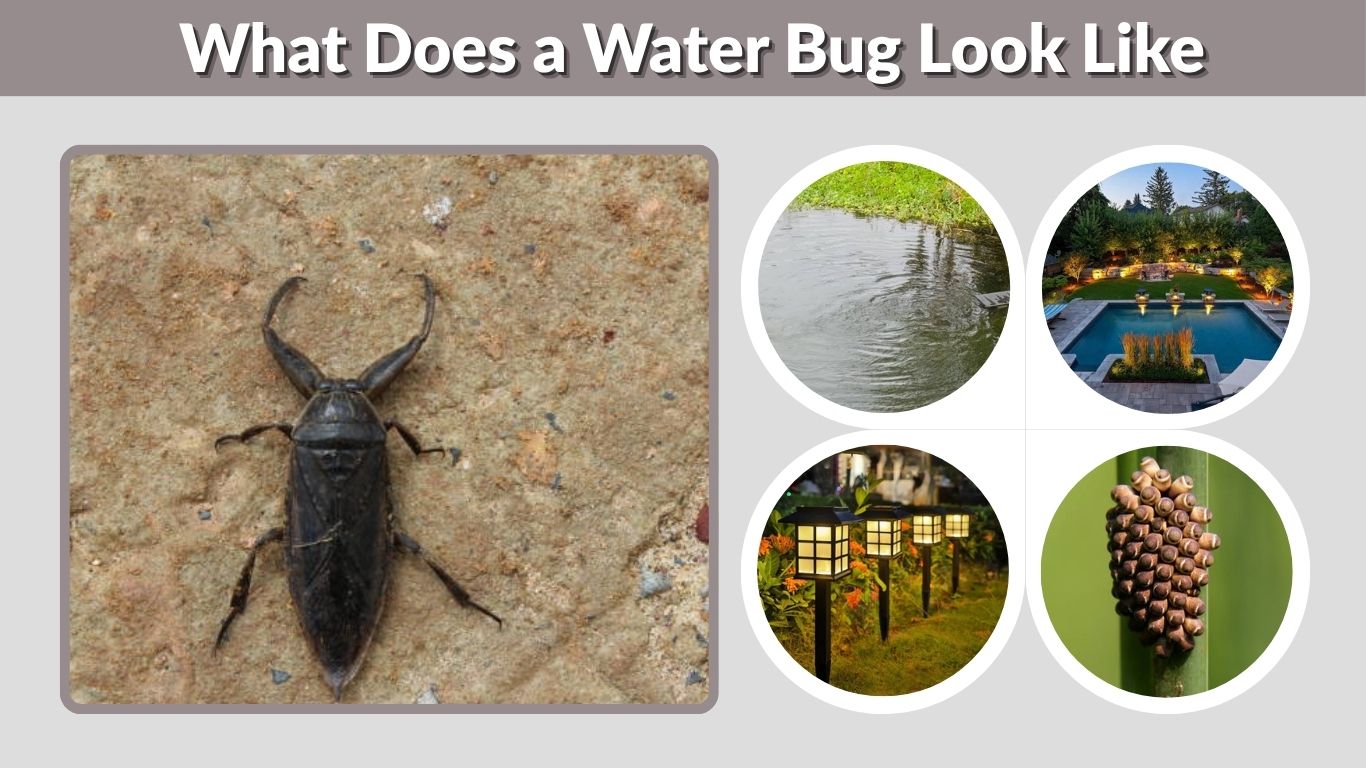
Water bugs are often confused with cockroaches because some are large, dark, and fast-moving. However, true water bugs have different body shapes, legs, habits, and habitats. Some live in ponds, pools, drains, and wet outdoor areas, while others enter homes by mistake. Learning what a water bug looks like helps you identify the insect and know whether it is a real water bug or a roach.
What Is a Water Bug?
The name “water bug” can mean different things depending on where you live. Some people use it for true aquatic insects, while others use it for large cockroaches found near sinks, bathrooms, basements, or drains.
True water bugs usually live in water or near wet areas. They are insects with flat bodies, strong legs, and piercing mouthparts. They may swim, crawl, or wait near the water surface for prey. House “water bugs,” on the other hand, are often Oriental cockroaches or American cockroaches.
Common Meaning of Water Bug
In everyday language, a water bug may refer to:
- Giant water bugs
- Toe-biters
- Water boatmen
- Backswimmers
- Water scorpions
- Oriental cockroaches
- American cockroaches near water
- Roach-like insects found in kitchens or bathrooms
This is why identification can feel confusing. A bug in a pond may be a true water bug. A bug in your kitchen may be a cockroach.
True Water Bug vs House Water Bug
A true water bug is usually connected to ponds, lakes, pools, and slow-moving water. It may have a flattened body, strong front legs, and a sharp beak-like mouthpart.
A house water bug usually means a roach. These insects prefer damp spaces but do not live underwater. They hide in cracks, drains, basements, laundry rooms, and under appliances.
What Does a Water Bug Look Like?
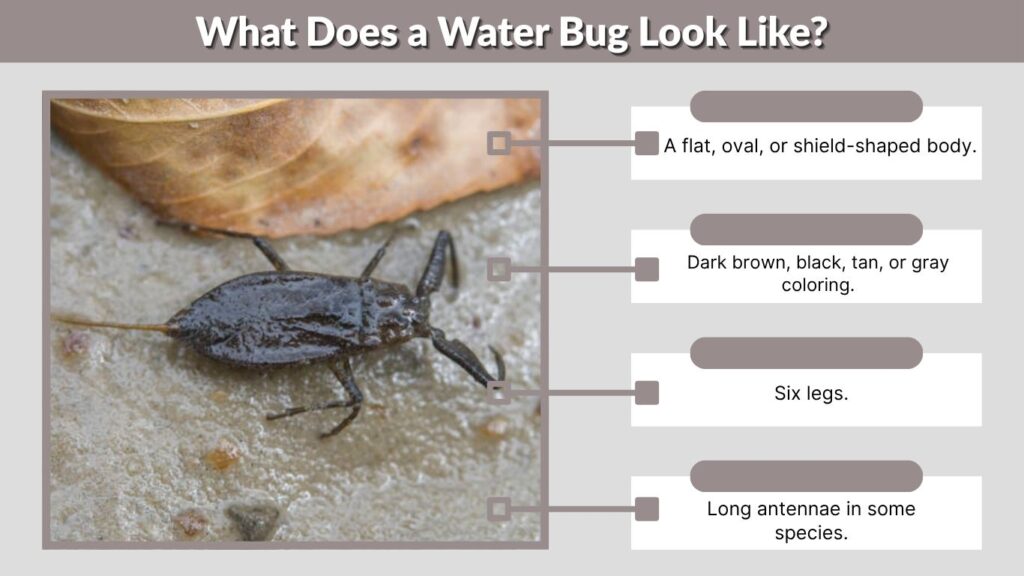
A water bug usually has a flat or oval body, long legs, and dark brown, tan, or black coloring. Some are small and narrow, while others are very large and look almost like cockroaches. True water bugs often have a more shield-like body and stronger front legs.
Many water bugs have a hard outer shell. Their bodies may look shiny or dull depending on the species. Some swim with paddle-like legs, while others crawl slowly on aquatic plants, mud, or pool surfaces.
Main Body Features
A typical water bug may have:
- A flat, oval, or shield-shaped body
- Dark brown, black, tan, or gray coloring
- Six legs
- Long antennae in some species
- Strong front legs for holding prey
- A pointed or beak-like mouthpart
- Wings in adult stages
- A body size from very small to over 2 inches
Giant water bugs are among the largest. They can look broad, flat, and powerful. Smaller aquatic bugs may look more like tiny beetles, tadpoles, or seed-shaped insects.
Color and Size
Water bugs are not always black. Some are brown, gray, tan, or mottled. The color often helps them blend into mud, leaves, stones, or water plants.
Their size depends on the species. Small water bugs may be less than half an inch long. Giant water bugs can grow around 2 inches or more. Roach-like house water bugs are often large, dark, and shiny.
Water Bug That Looks Like a Cockroach
Many people search for a water bug that looks like a cockroach because the two insects can look similar at first glance. Both may be brown or black, both may have oval bodies, and both can move quickly.
The biggest difference is where they live and how their bodies are built. Cockroaches have long antennae, spiny legs, and a smoother oval body. True water bugs usually have stronger front legs, a flatter body, and aquatic habits.
Quick Comparison Table
| Feature | True Water Bug | Cockroach Called “Water Bug” |
| Main habitat | Ponds, pools, streams, wet outdoor areas | Kitchens, bathrooms, basements, drains |
| Body shape | Flat, broad, sometimes shield-like | Oval, smooth, roach-shaped |
| Antennae | Often short or less noticeable | Long and very visible |
| Legs | May be paddle-like or strong for grabbing prey | Spiny legs made for running |
| Food | Small fish, tadpoles, insects, larvae | Food scraps, grease, waste, organic matter |
| Risk in house | Usually accidental visitor | May indicate infestation |
House Water Bug That Looks Like a Roach
A house water bug is often an Oriental cockroach. It has a dark brown to black body, a shiny surface, and a slow, heavy-looking movement compared with some other roaches. It likes damp places such as drains, crawl spaces, basements, and bathrooms.
American cockroaches may also be called water bugs. They are reddish-brown, larger, and may run quickly. They often appear near sewer lines, floor drains, kitchens, and laundry areas.
What Do Baby Water Bugs Look Like?
Baby water bugs look like smaller versions of adults, but they may not have fully developed wings. Their bodies can be pale, tan, brown, or dark depending on their age and species.
Young aquatic water bugs may look like tiny oval insects moving in water. Some may look like small tadpoles from a distance because they swim quickly and have rounded bodies. Baby roaches, often mistaken for baby water bugs, are usually small, flat, dark, and hide near moisture.
Baby Water Bug Identification
Look for these signs:
- Small oval or flat body
- Six visible legs
- No fully grown wings
- Brown, tan, gray, or black color
- Active movement near water or damp areas
- Smaller body than the adult insect
- May gather near drains, pools, ponds, or wet soil
If the babies are inside your house and appear near food, cracks, cabinets, or appliances, they are more likely to be cockroach nymphs than true water bugs.
Bugs That Look Like Tadpoles in Water
Tiny bugs in water that look like tadpoles may be mosquito larvae, water boatmen, backswimmers, or other aquatic insect larvae. Mosquito larvae wiggle near the surface and look worm-like. Water boatmen and backswimmers look more like tiny swimming insects with legs.
If you see many small moving shapes in standing water, remove the water source. Birdbaths, buckets, plant saucers, clogged gutters, and unused pools can attract aquatic insects and mosquito larvae.
What Do Giant Water Bugs Look Like?
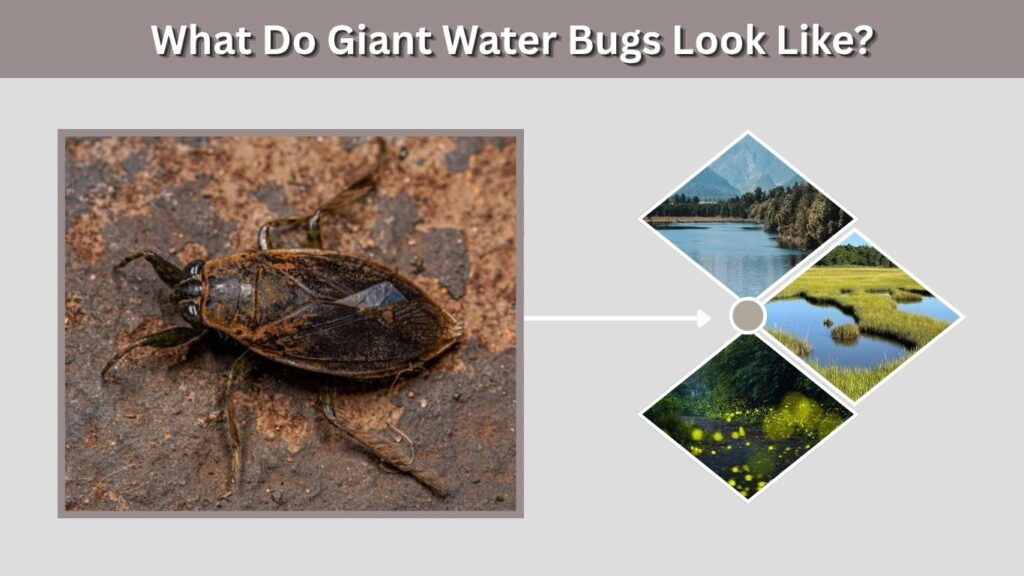
Giant water bugs are large, flat insects with strong front legs and a wide body. They are often brown or dark tan. Their shape can look like a large flattened leaf or a heavy roach, but their front legs are more powerful and built for catching prey.
They are sometimes called toe-biters because they can bite if handled or stepped on. They usually live near ponds, lakes, marshes, and lights near water. At night, they may fly toward outdoor lights.
Key Features of Giant Water Bugs
Giant water bugs often have:
- A broad, flat body
- Brown or tan coloring
- Strong grabbing front legs
- A pointed beak under the head
- Large size compared with most insects
- Wings as adults
- Slow crawling movement on land
- Strong swimming ability in water
They are predators. They feed on aquatic insects, tadpoles, small fish, and other small water animals.
What Do Water Bug Bites Look Like?
A water bug bite may look like a red, swollen, painful spot. True giant water bugs can give a sharp bite when disturbed. The bite may burn or sting, but it is usually not dangerous for most healthy people.
Cockroaches rarely bite humans, but they can irritate allergies and contaminate surfaces. If the “water bug” in your home is actually a cockroach, the bigger concern is sanitation and infestation.
Signs of a Water Bug Bite
A possible bite may include:
- Redness around the area
- Mild swelling
- Sharp pain at first
- Burning or stinging feeling
- Itching after the pain fades
- A small raised bump
- Tenderness for a short time
Wash the area with soap and water. Use a cold compress for swelling. Seek medical help if you notice severe swelling, breathing trouble, spreading redness, pus, fever, or signs of infection.
What Do Water Bug Eggs Look Like?
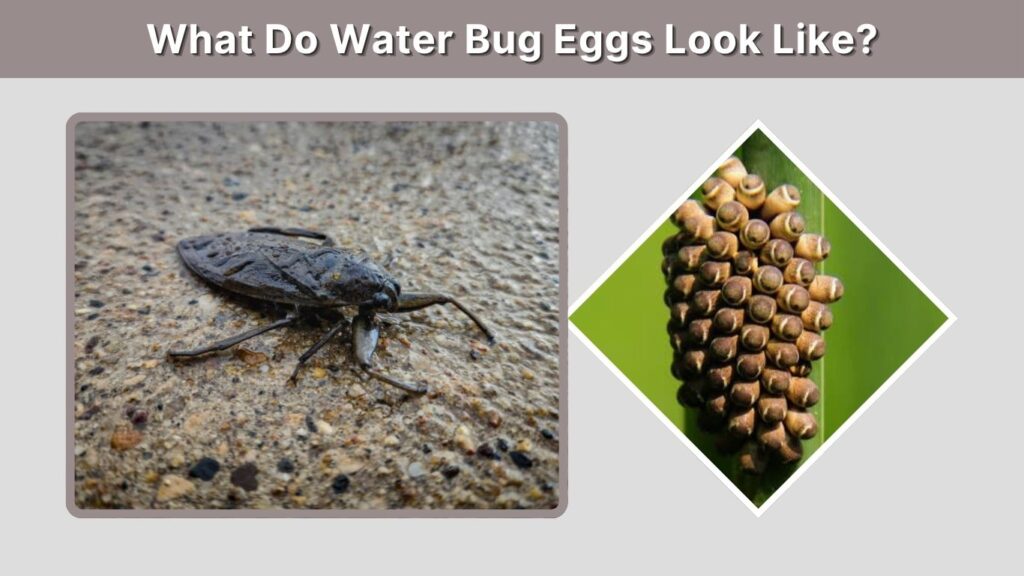
Water bug eggs vary by species. Some aquatic bugs lay eggs on plants, floating objects, or underwater surfaces. Giant water bug eggs may be laid on vegetation or even carried by the male in some species.
Cockroach egg cases look different. A roach egg case is usually small, brown, capsule-shaped, and may be found in hidden indoor spaces. If you find capsule-like cases in cabinets, behind appliances, or near drains, you may have cockroaches.
Egg Case Clues Inside the House
Indoor egg cases may suggest roaches if they are:
- Small and brown
- Capsule-shaped
- Found behind appliances
- Hidden in cracks
- Near drains or pipes
- In cabinets or storage areas
- Close to food or trash
True aquatic water bug eggs are less likely to be found inside a dry home.
What Does Water Bug Poop Look Like?
Water bug droppings are not always easy to see. True aquatic water bugs usually leave waste in water or outdoor habitats, so people rarely notice it indoors.
Cockroach droppings are more common inside homes. Small roach droppings may look like black pepper, coffee grounds, or dark smears. Larger roaches may leave cylindrical droppings with ridges. If people call these insects water bugs, they may search for water bug poop when they are actually seeing roach droppings.
Signs the Droppings Are From Roaches
You may be dealing with roaches if you see:
- Black pepper-like specks
- Dark smears near walls
- Droppings inside cabinets
- Waste behind appliances
- Musty odor
- Shed skins
- Egg cases
- Live insects at night
Finding droppings indoors means you should clean the area, remove food sources, seal cracks, and consider pest control if activity continues.
Where Do Water Bugs Usually Live?
True water bugs live in aquatic or damp outdoor areas. They are common around ponds, lakes, marshes, ditches, pools, and slow streams. Some may appear in swimming pools because they are attracted to water and light.
House water bugs prefer damp indoor and outdoor spaces. They may hide in basements, crawl spaces, bathrooms, kitchens, floor drains, garages, and under sinks. They may enter homes through gaps, pipes, vents, and cracks.
Common Indoor Hiding Spots
Inside homes, roach-like water bugs may hide in:
- Kitchen cabinets
- Bathroom drains
- Basement corners
- Laundry rooms
- Under sinks
- Behind refrigerators
- Around water heaters
- Floor drains
- Wall cracks
- Crawl spaces
Moisture is the main attraction. Leaky pipes, wet cardboard, food crumbs, and clutter can make the problem worse.
Do Water Bugs Like Light or Dark?
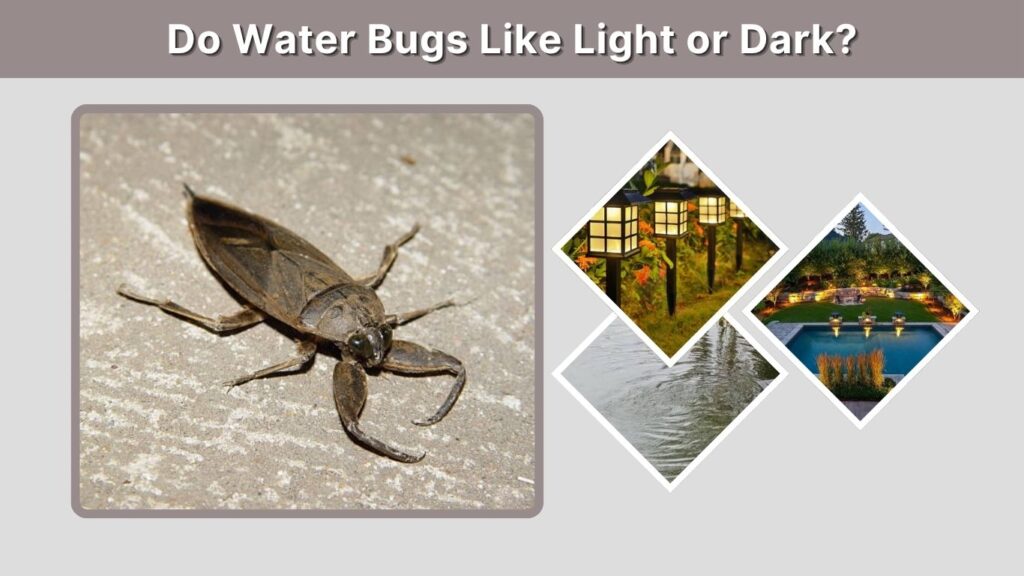
Many true water bugs are attracted to lights at night, especially outdoor lights near water. This is why giant water bugs may appear on porches, patios, or near pool lights.
Roach-like water bugs usually prefer dark, damp hiding places. They may come out at night to search for food and water. Seeing them during the day may mean their hiding spaces are crowded or disturbed.
Why They Come Near Homes
Water bugs may come near homes because of:
- Bright outdoor lights
- Standing water
- Leaky pipes
- Damp basements
- Open drains
- Food crumbs
- Trash bins
- Wet mulch
- Gaps under doors
- Cracks around foundations
Reducing moisture and sealing entry points can help keep them away.
Water Bugs That Look Like Spiders, Sticks, or Centipedes
Not every water bug looks like a roach. Some aquatic insects have long legs, thin bodies, or unusual shapes. Water scorpions can look like sticks. Water striders look like spiders walking on the surface. Some aquatic larvae may look like tiny worms or centipedes.
These insects are usually found outdoors in natural water. Most are not household pests. If they appear inside, they may have entered accidentally or come from a nearby water source.
Common Look-Alikes
Some common water-related look-alikes include:
- Water striders that look like spiders
- Water scorpions that look like sticks
- Mosquito larvae that look like tiny worms
- Dragonfly nymphs that look like chunky aquatic larvae
- Backswimmers that swim upside down
- Water boatmen that look like tiny oval swimmers
- Cockroach nymphs that look like small water bugs
Location is the best clue. Bugs in ponds are likely aquatic insects. Bugs in kitchens are more likely roaches.
How to Tell If It Is a Water Bug or Roach
Start by checking the body, antennae, legs, and location. If the insect has long antennae, spiny legs, and is found near food or drains, it is probably a cockroach. If it has a flat body, strong front legs, and came from a pond or pool, it may be a true water bug.
Behavior also matters. Roaches run and hide quickly. True water bugs may swim, crawl slowly on land, or fly toward lights at night.
Simple Identification Steps
Use these steps:
- Check where you found it.
- Look for long antennae.
- Notice if the legs are spiny or paddle-like.
- Check if the body is flat and shield-shaped.
- Look for egg cases or droppings indoors.
- Watch whether it runs, swims, or flies.
- Compare the size and color.
- Look for moisture sources nearby.
If you find several insects indoors, it is more likely a cockroach problem than a single outdoor water bug.
How to Prevent Water Bugs in the House
The best prevention is moisture control. Fix leaks, dry damp areas, and remove standing water. Keep food sealed and clean up crumbs, grease, and trash. Seal cracks around doors, windows, pipes, and foundations.
For roach-like water bugs, sanitation is very important. They need food, water, and hiding places. Removing these conditions makes your home less attractive.
Prevention Tips
To reduce water bugs and roach-like pests:
- Fix leaking pipes
- Clean kitchen surfaces
- Store food in sealed containers
- Empty trash often
- Remove wet cardboard
- Dry bathroom floors
- Seal gaps under doors
- Use drain covers
- Reduce outdoor lights near doors
- Clear leaves and mulch near the foundation
If you see many insects, droppings, or egg cases, professional pest control may be needed.
FAQs
What does a water bug look like in your house?
A water bug in your house often looks like a large dark roach. It may be black, brown, or reddish-brown with an oval body and long legs. In many homes, the insect called a water bug is actually an Oriental or American cockroach that prefers damp areas.
Do water bugs look like cockroaches?
Some water bugs do look like cockroaches, especially when they are large, dark, and oval-shaped. However, true water bugs usually have flatter bodies and stronger front legs. Cockroaches have long antennae, spiny legs, and are more common around indoor food, drains, and hiding spaces.
What does a baby water bug look like?
A baby water bug is smaller than the adult and may not have fully developed wings. It can look flat, oval, brown, tan, or dark. If you see small bugs inside cabinets, bathrooms, or near appliances, they may be baby cockroaches rather than true baby water bugs.
What do water bug bites look like?
A water bug bite may look like a red, swollen, painful bump. It can sting or burn at first and may feel tender for a while. Most bites are not serious, but spreading redness, pus, fever, or strong allergic symptoms need medical attention.
What does water bug poop look like?
True water bug poop is rarely noticed indoors. What people often call water bug poop is usually cockroach droppings. These may look like black pepper, coffee grounds, dark smears, or small ridged pellets. Droppings inside a home can be a sign of roach activity.