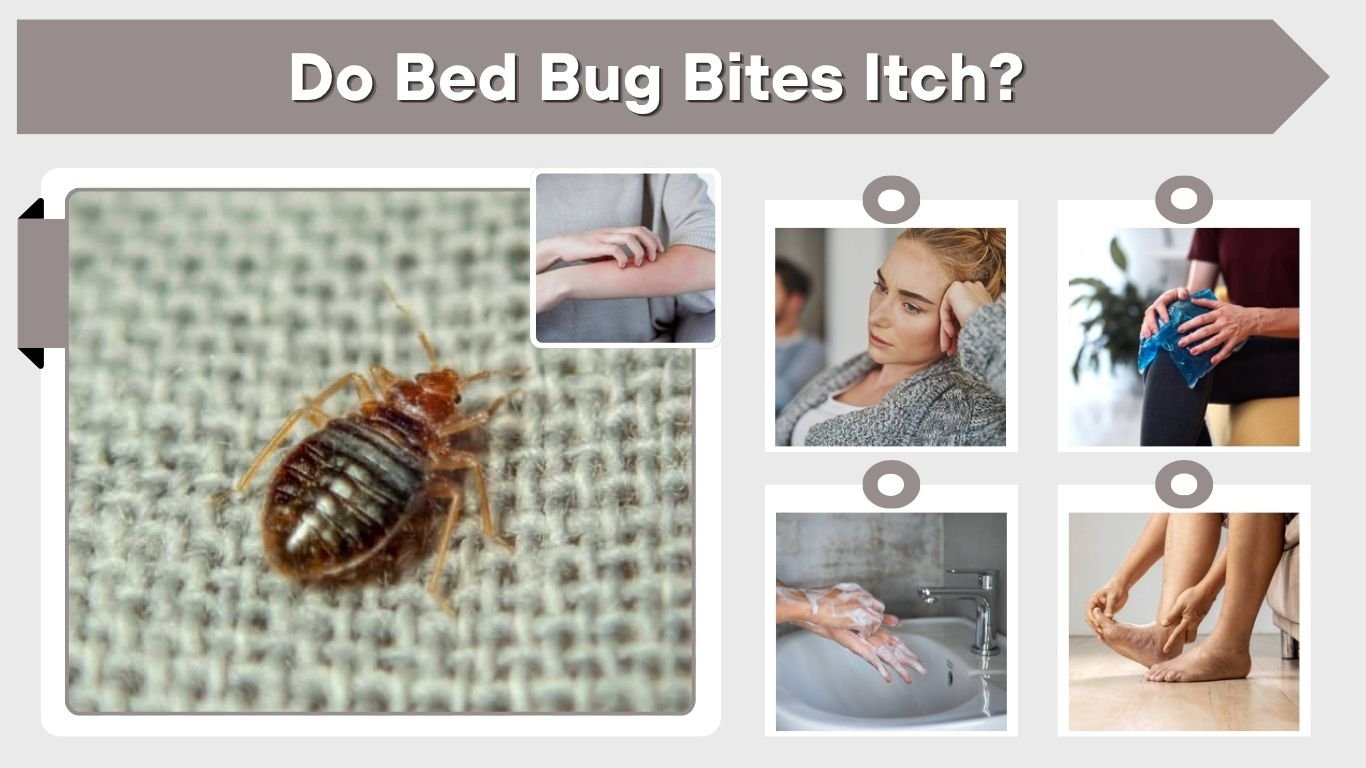
Do bed bug bites itch? Yes, they commonly do, although the reaction varies greatly from person to person. Some people develop intensely itchy red welts shortly after being bitten, while others notice symptoms several days later or have almost no visible reaction. Bed bug bites can also cause swelling, irritation, or mild burning, especially when scratched. Understanding when itching begins, how long it lasts, and what provides relief can help you manage the bites while checking your home for signs of bed bugs.
Why Do Bed Bug Bites Itch?
Bed bugs feed by piercing the skin and taking a small blood meal. During feeding, they introduce saliva containing substances that help them feed without immediately alerting the person. Your immune system may react to components in that saliva, producing redness, swelling, and itching. The intensity depends largely on an individual’s sensitivity and previous exposure to bed bugs.
Why Can the Itching Be So Bad?
The itching is caused by your body’s inflammatory response rather than by a bed bug remaining inside the skin. People who are more sensitive may develop larger or more intensely itchy welts.
Repeated exposure can also change the reaction. The American Academy of Dermatology notes that people may become increasingly sensitive to bed bug bites over time, causing symptoms to appear faster after repeated bites.
Common Symptoms
Bed bug bites may cause:
- Red or pink raised welts
- Moderate to intense itching
- Mild swelling
- A darker spot near the center
- Bites appearing in clusters or rough lines
- Mild burning or irritation
- Blisters in more sensitive people
- Broken skin after excessive scratching
However, bites alone cannot reliably confirm bed bugs because mosquito, flea, and other insect bites may look similar.
Do Bed Bug Bites Always Itch?
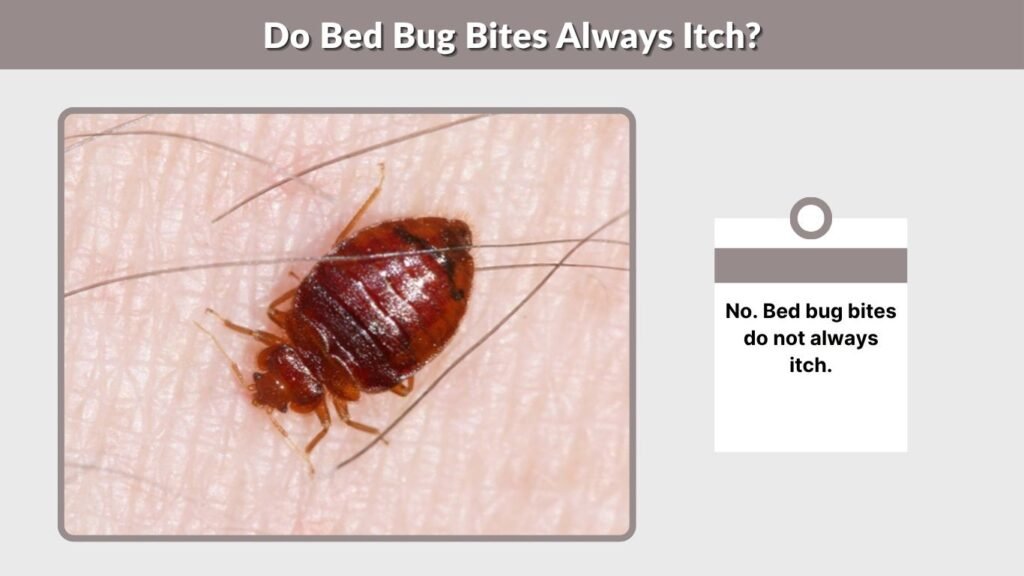
No. Bed bug bites do not always itch. Reactions range from no noticeable signs at all to severe itching, swelling, hives, or blistering. One person sharing a bed may develop obvious welts while another person exposed to the same insects shows almost nothing. This variation is one reason infestations can sometimes remain unnoticed for a considerable period.
Can Bed Bug Bites Not Itch at All?
Yes. Some people have little or no reaction. They may be bitten repeatedly without developing the characteristic itchy bumps commonly associated with bed bugs.
Therefore, the absence of itching does not prove that a home is free of bed bugs. Environmental evidence such as live insects, shed skins, fecal spots, eggs, and rusty stains on bedding is more useful for confirming an infestation.
Do Baby Bed Bug Bites Itch?
Bed bug nymphs also require blood meals and can bite humans. The resulting skin reaction depends on the person rather than simply the age of the bed bug.
A bite from a young bed bug may therefore itch in much the same way as one from an adult. You cannot reliably determine whether an adult or nymph caused a bite from the skin mark.
Do Bed Bug Bites Itch Right Away?
Not necessarily. One distinctive feature of bed bug reactions is that symptoms may be delayed. CDC states that most people do not notice the bite when it occurs because bed bugs introduce anesthetic and anticoagulant substances while feeding. Bite marks can appear from one to several days afterward and, in some people, may take as long as 14 days to develop.
How Soon Do Bed Bug Bites Start to Itch?
Someone bitten for the first time may not develop itching immediately. According to the American Academy of Dermatology, itchy welts may take several days to develop and sometimes as long as two weeks.
After repeated exposure, a sensitized person may react much faster—sometimes within seconds or minutes.
Can Bites Itch Before You See Them?
Skin sensations and visible inflammation do not always develop at exactly the same time. You might notice mild itching or irritation before a welt becomes obvious.
However, unexplained itching alone is not enough to diagnose bed bugs. Dry skin, allergies, eczema, mosquitoes, fleas, and many other conditions can produce similar symptoms.
How Long Do Bed Bug Bites Itch?
For most people, uncomplicated bed bug bites gradually improve as the immune reaction settles. The bites generally heal within approximately one to two weeks, although itching may disappear sooner. Sensitive individuals may experience discomfort for longer, particularly when bites are numerous or repeatedly scratched.
Why Can Bed Bug Bites Itch for Days?
The immune response does not disappear immediately after the bed bug finishes feeding. Inflammation around the bite may continue, causing persistent itching even though the insect is no longer on the body.
Scratching can further irritate the skin and prolong discomfort. Repeated scratching can also break the skin and increase the risk of secondary bacterial infection.
Do Bed Bug Bites Itch More at Night?
Bed bug bites do not biologically need nighttime to become itchy. However, itching may feel worse at night because there are fewer distractions, the skin is warm in bed, and people may pay greater attention to irritated areas.
Bed bugs themselves are commonly active while people sleep, but existing bites can itch during either daytime or nighttime.
Do Bed Bug Bites Itch or Hurt?
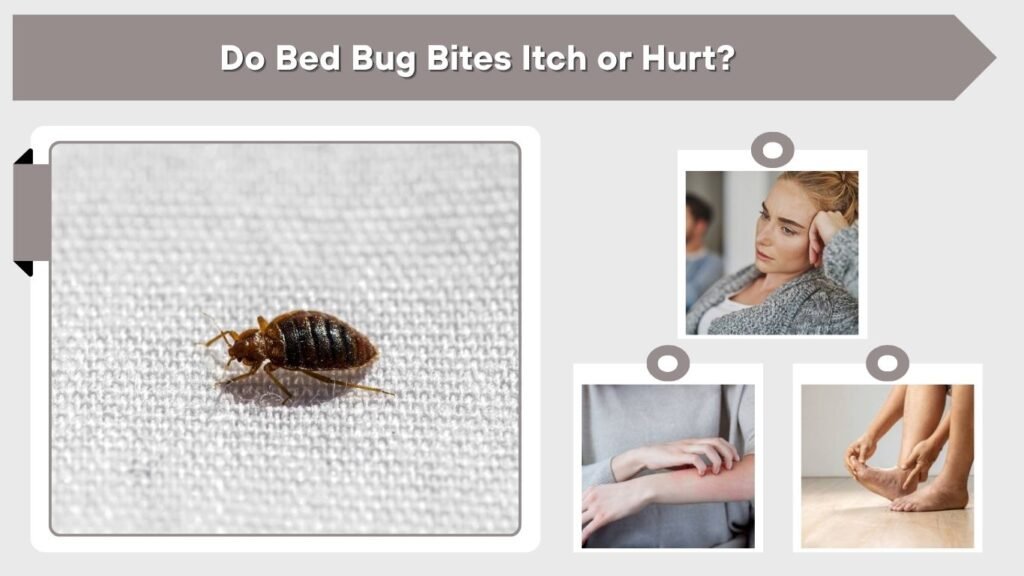
Itching is generally more characteristic than pain. Nevertheless, some bites can feel tender, irritated, burning, or sore, especially after frequent scratching. Larger allergic reactions may also produce greater swelling and discomfort. Significant pain, warmth, pus, or worsening tenderness can suggest infection rather than a normal uncomplicated bite reaction.
Bed Bug Bites vs Mosquito Bites
Both can cause red, swollen, itchy bumps, making them difficult to distinguish by appearance alone.
Bed bug bites are more likely to:
- Appear after sleeping
- Occur in clusters or rough lines
- Affect exposed skin such as arms, neck, face, and hands
- Develop after a delayed reaction
- Occur alongside evidence of bed bugs near sleeping areas
Mosquito bites often occur following known outdoor exposure and may appear more randomly across exposed skin. Still, bite appearance alone cannot provide a definite diagnosis.
How to Stop Bed Bug Bites From Itching
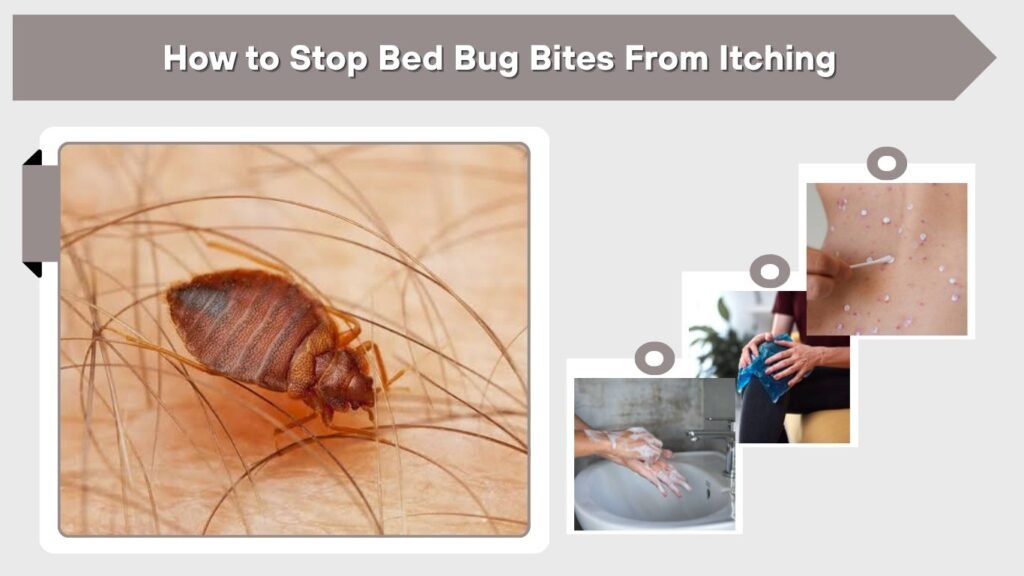
Most uncomplicated bites require only symptom relief while they heal. The most important step is avoiding excessive scratching because damaged skin may become infected. Treating the bites does not eliminate an infestation, so skin care and bed bug control should occur at the same time when an infestation has been confirmed.
Ways to Relieve Itching
For mild reactions:
- Wash the bites gently with soap and water.
- Avoid scratching whenever possible.
- Apply an appropriate over-the-counter corticosteroid cream.
- Consider an oral antihistamine when appropriate.
- Keep fingernails short to reduce scratching damage.
- Keep irritated skin clean.
- Seek medical advice if symptoms worsen.
The American Academy of Dermatology recommends washing uncomplicated bites and notes that corticosteroid creams can help reduce itching.
When Should You See a Doctor?
Seek medical care if bites develop severe swelling, large blisters, increasing pain, pus, or other signs of infection.
Emergency care is appropriate for symptoms such as difficulty breathing or swelling of the lips, tongue, or face. Serious allergic reactions to bed bug bites are uncommon but possible.
How to Know Whether Bed Bugs Are Causing the Itch
Because many conditions produce itchy bumps, inspecting the sleeping area is more reliable than diagnosing bed bugs from bites alone. Bed bugs commonly hide in mattress seams, bed frames, headboards, furniture joints, and nearby cracks during the day before emerging to feed.
Signs to Check Around Your Bed
Look for:
- Live reddish-brown bed bugs
- Tiny black or dark fecal spots
- Rusty blood stains on sheets
- Pale shed skins
- Small white eggs
- Bugs hiding along mattress seams
- Activity around bed frames and headboards
Finding physical evidence makes bed bugs much more likely than simply having unexplained itchy marks.
Treat the Infestation, Not Just the Itch
Anti-itch treatments can make bites more comfortable, but they do nothing to stop additional bites.
Once bed bugs are confirmed, addressing the infestation is essential. Because these insects hide effectively and can be difficult to eliminate completely, professional pest-control treatment is often appropriate for established infestations.
FAQs
1. Do bed bug bites always itch?
No. Bed bug bites affect people differently. Some develop intensely itchy red welts, while others experience mild symptoms or no visible reaction. The absence of itching therefore cannot rule out bed bugs. Checking mattresses, bed frames, furniture, and bedding for physical evidence is more reliable than judging an infestation from skin symptoms alone.
2. How long do bed bugs bite?
Itching often gradually improves as the bites heal, and most uncomplicated bed bug bites disappear within about one to two weeks. The exact duration depends on individual sensitivity, number of bites, and scratching. Persistent or worsening itching accompanied by infection, severe swelling, or blisters deserves medical evaluation.
3. Do bed bug bites itch immediately?
Not always. People often do not feel bed bugs feeding, and visible reactions can be delayed. Bite marks commonly appear one or several days later, while some people may take up to 14 days to react. With repeated exposure and increased sensitivity, reactions can develop much faster.
4. Why do bed bug bites itch so much?
The itching results from your body’s immune response to substances introduced during the bed bug’s blood meal. Some individuals are much more sensitive than others, and repeated exposure may increase sensitivity. Scratching further inflames the skin and can make itching seem stronger or last longer.
5. Do bed bug bites itch like mosquito bites?
Yes, they can feel and look very similar. Both may create red, swollen, itchy bumps. Bed bug bites are often noticed after sleeping and may occur in clusters or rough lines, but these patterns are not definitive. Finding actual bed bugs or other infestation signs is more reliable for identification.