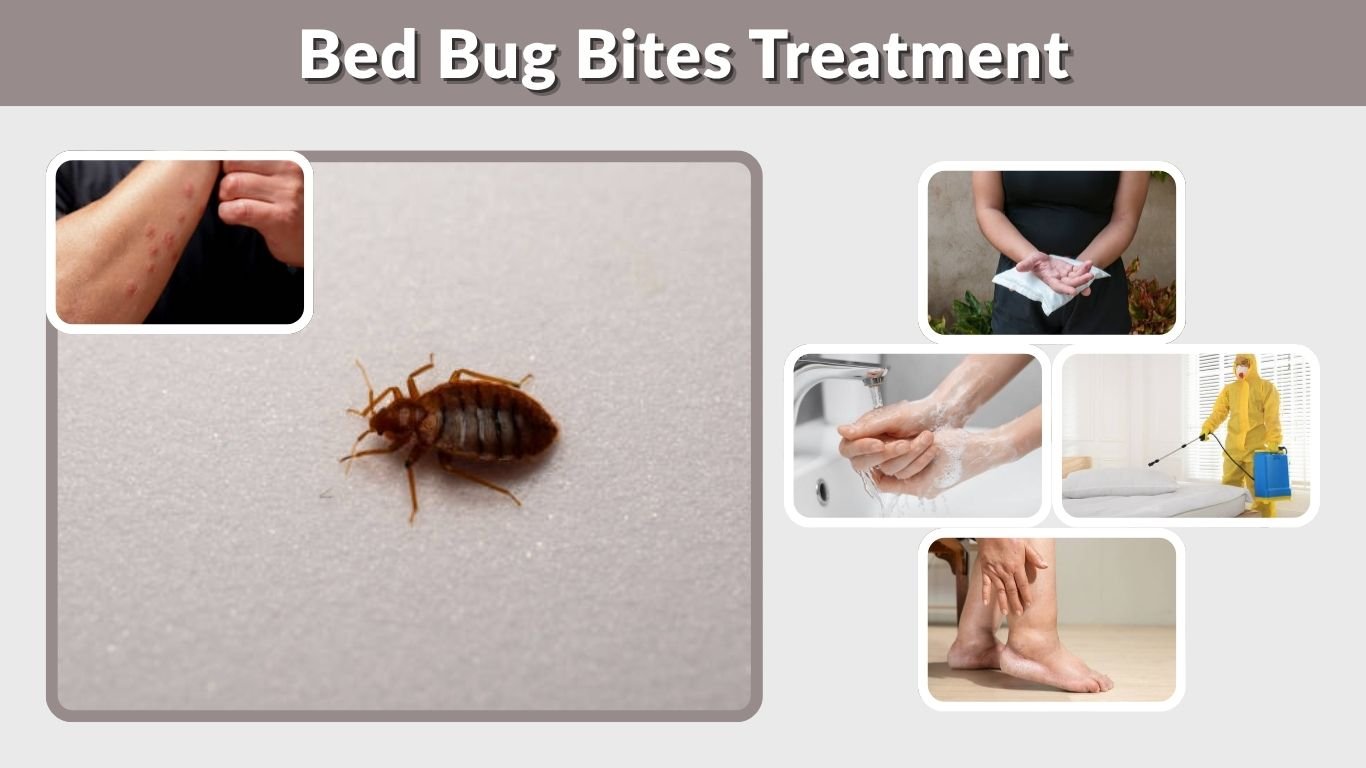
Bed bug bites treatment mainly focuses on relieving itching, reducing inflammation, protecting the skin, and preventing infection while the bites heal. Most reactions are mild and improve without extensive medical treatment, although some people develop stronger allergic reactions or skin infections after scratching. Bed bug bites can resemble mosquito, flea, and other insect bites, so marks alone cannot confirm an infestation. Knowing which home treatments, creams, and remedies actually help can make recovery more comfortable while the underlying bed bug problem is addressed.
What Do Bed Bug Bites Look and Feel Like?
Bed bug reactions vary considerably from person to person. Some people develop no visible marks, while others experience intensely itchy welts. Reactions may not appear immediately after the bite and can sometimes take several days to become noticeable. Because many skin conditions and insect bites look similar, the appearance of a rash cannot reliably identify bed bugs by itself.
Common Bed Bug Bite Symptoms
Possible symptoms include:
- Small raised or swollen marks
- Red, brown, or purple discoloration depending on skin tone
- Intense itching
- Mild burning or irritation
- Bites appearing in groups or lines
- Local swelling
- Tenderness after scratching
- Small blisters in stronger reactions
Bed bug bites may occur randomly or form clusters or lines. Some people develop noticeable symptoms quickly after repeated exposure, while others react more slowly.
Can You Identify Bed Bugs From Bites Alone?
No. Bite marks can resemble flea bites, mosquito bites, hives, dermatitis, and other skin conditions.
Confirmation usually requires finding evidence of bed bugs around sleeping areas, such as live insects, shed skins, eggs, dark fecal spots, or blood spots. CDC guidance notes that the inflammatory skin reaction itself is not specific enough to diagnose bed bug exposure.
Best Treatment for Bed Bug Bites at Home
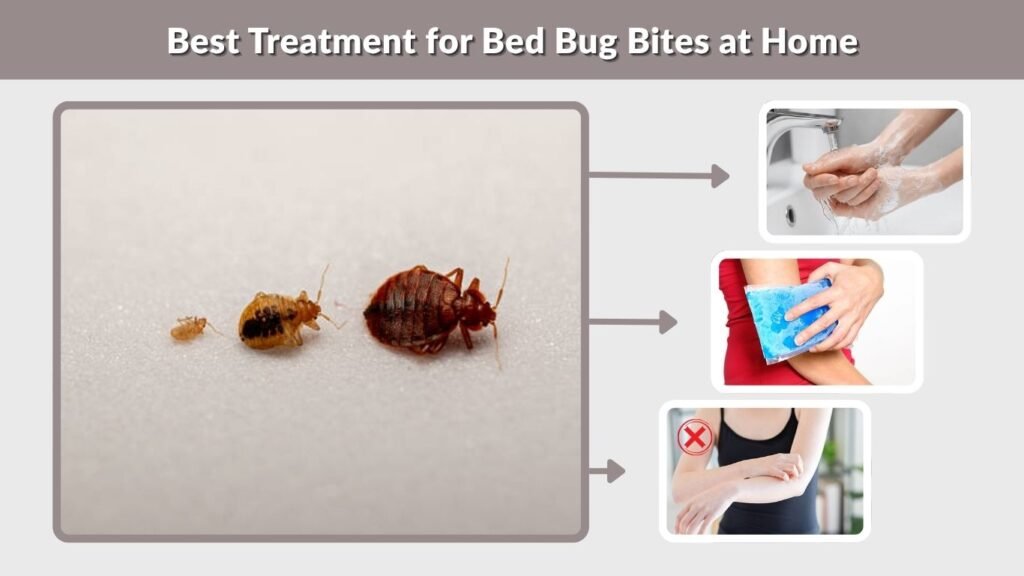
Most uncomplicated bed bug bites need only basic symptom relief and good skin hygiene. The bites generally heal naturally while your immune system responds to the insect’s saliva. Home care should reduce itching and discourage scratching, because broken skin can allow bacteria to enter and cause a secondary infection.
Simple Home Treatment Steps
For mild bites:
- Wash affected skin gently with soap and water.
- Apply a clean, cool damp cloth to itchy areas.
- Avoid scratching or picking at the bites.
- Keep fingernails short if itching is severe.
- Wear loose clothing over irritated areas.
- Monitor the skin for signs of infection.
- Ask a pharmacist about symptom-relief medicines if needed.
A cool compress can help reduce temporary itching and swelling. Most bites improve without intensive treatment.
How Long Do Bed Bug Bites Last?
Many bed bug bites resolve within approximately one to two weeks, although healing time varies with the person’s reaction and whether the skin has been scratched.
Repeated exposure can create new marks while older ones are healing, making it appear that the same bites are lasting longer. Eliminating the infestation is therefore necessary to prevent continuing bites.
Bed Bug Bite Creams and Ointments
Topical products can help when itching or inflammation becomes uncomfortable. Their purpose is to control symptoms rather than remove bed bugs from the home. Mild over-the-counter treatments may be appropriate for uncomplicated reactions, but widespread rashes, significant blistering, infection, or severe allergic symptoms deserve professional medical evaluation.
Creams That May Help
Depending on your circumstances, options may include:
- Mild hydrocortisone cream for itching
- Other topical corticosteroids recommended by a clinician
- Antiseptic products when appropriate
- Moisturizing products for irritated skin
- Oral antihistamines for troublesome itching
The American Academy of Dermatology notes that weak corticosteroid creams are available without prescription in some locations, while stronger forms require medical supervision. The CDC states that topical steroid creams and antihistamines may be useful for more extensive reactions.
Using Hydrocortisone Safely
Hydrocortisone may relieve inflammation and itching, but it should be used according to its label or professional advice.
Product suitability varies with age, pregnancy, skin location, medical conditions, and other medications. NHS guidance, for example, advises getting medical advice before using hydrocortisone in children under 10 or during pregnancy.
Bed Bug Bite Home Remedies
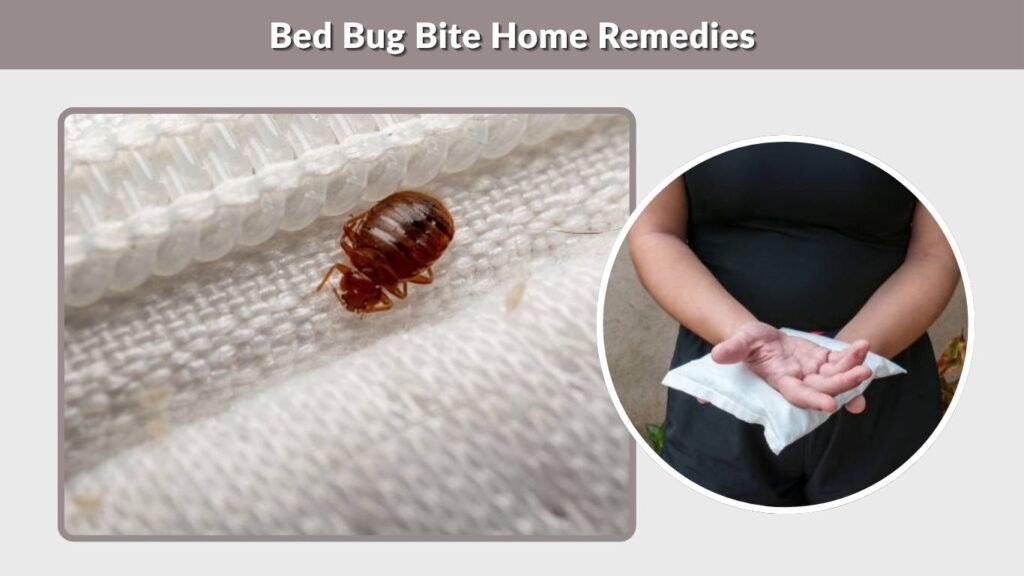
Home remedies are frequently suggested for bed bug bites, but evidence for many popular treatments is limited. The safest approach is usually simple skin care: washing the area, cooling it, avoiding scratching, and using established medications when appropriate. A remedy that temporarily feels soothing should not be confused with a treatment for the underlying infestation.
Cool Compress for Itching
Applying a clean, cool damp cloth is a straightforward way to calm itchy or swollen skin.
Do not place extreme cold directly against the skin for long periods. Gentle cooling is intended to provide temporary symptom relief rather than dramatically change the healing process.
NHS guidance specifically recommends cooling the affected area and keeping it clean.
Avoid Harsh Homemade Treatments
Avoid applying irritating chemicals or highly concentrated household substances to bite marks simply because they are promoted as natural remedies.
Damaging already irritated skin can increase discomfort and make infection more likely. Established skin-care measures are preferable, particularly for children, people with sensitive skin, or bites near the eyes and face.
Treatment for Severe Itching or Allergic Reactions
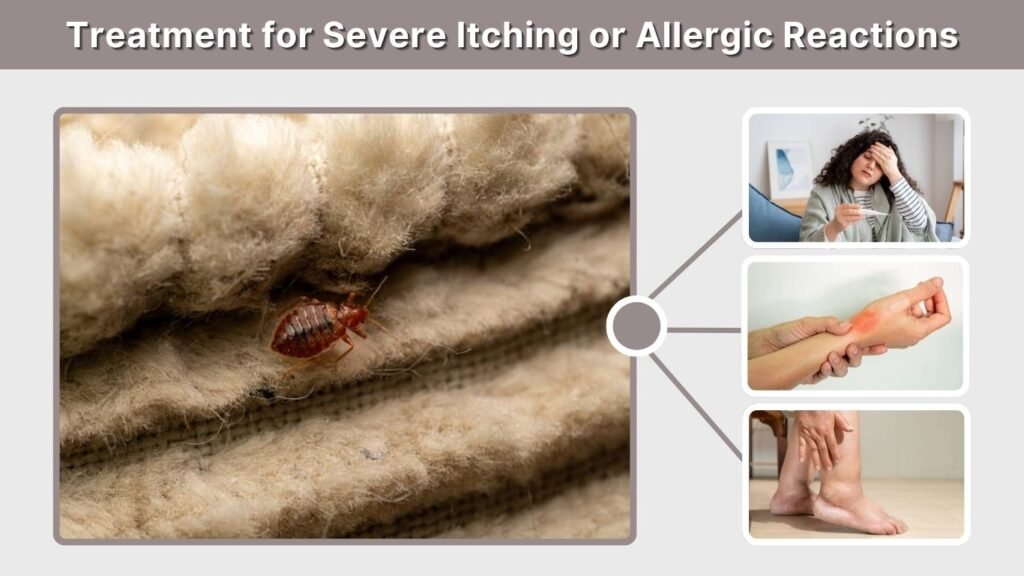
Although most bites are minor, some people develop substantial swelling, hives, large blisters, or other allergic responses. Treatment depends on severity. Stronger skin reactions may require prescription medication, while symptoms involving breathing, the tongue, or general illness require urgent medical assessment rather than continued home treatment.
When to Seek Medical Care
Get medical advice for:
- Numerous bites causing significant discomfort
- Large blisters
- Increasing tenderness
- Pus or drainage
- Worsening redness or swelling
- Fever or feeling significantly unwell
- Persistent severe itching
- Hives or a substantial allergic skin reaction
Scratching can damage the skin and contribute to secondary bacterial infection. Antibiotics may be required when an infection develops, but they should be used only when medically appropriate.
Emergency Symptoms
Seek emergency medical care for difficulty breathing, significant tongue or throat swelling, severe systemic allergic symptoms, faintness, or another rapidly worsening reaction.
Serious reactions to bed bug bites are uncommon, but they can occur.
Bed Bug Bite Marks and Scars
Bed bug bites generally heal without permanent scars. However, repeatedly scratching itchy lesions can damage the skin, produce scabs, increase infection risk, and leave temporary dark or light marks after inflammation has resolved. Preventing scratching is therefore an important part of both symptom control and reducing noticeable post-bite marks.
Why Dark Marks May Remain
After inflammation settles, some people develop post-inflammatory discoloration where bites occurred. The marks may remain visible longer than the original swelling or itching.
Allowing bites to heal without repeatedly scratching or picking at them can reduce additional skin trauma. Persistent scars or discoloration that causes concern can be discussed with a dermatologist.
Bed Bug Bites on Different Skin Tones
Bites do not always appear bright red. On brown or Black skin, marks may appear brown, purple, darker than surrounding skin, or may be harder to recognize visually.
This variation is another reason bite appearance alone should not be used to diagnose a bed bug infestation.
Why Do Bed Bug Bites Continue After Treatment?
New-looking bites after pest treatment do not necessarily prove that treatment failed. Skin reactions can sometimes become visible days after the original exposure. However, surviving bed bugs, newly hatched insects, or untreated hiding areas can also produce genuinely new bites.
Bites After Bed Bug Treatment
If bite-like marks continue, inspect the environment for actual evidence of bed bugs rather than relying exclusively on the skin reaction.
The American Academy of Dermatology emphasizes that stopping future bites requires eliminating the bed bugs themselves. If live insects or other infestation signs remain, additional pest-control measures may be needed.
No Bed Bugs but Still Getting Bites
If repeated inspections find no evidence of bed bugs, consider other explanations rather than automatically continuing bed bug treatment.
Mosquitoes, fleas, mites, allergic reactions, dermatitis, and other skin conditions can produce similar marks. A dermatologist or other healthcare professional may help evaluate persistent or unexplained skin symptoms.
How to Prevent More Bed Bug Bites
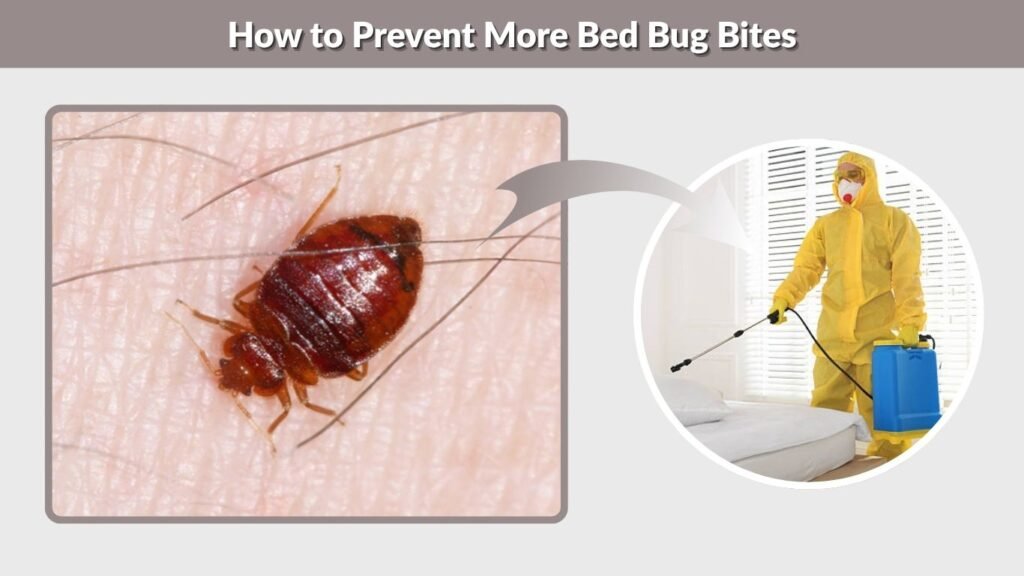
Treating skin symptoms does not control the insects. Bed bugs hide close to sleeping areas and emerge to feed, so preventing new bites requires addressing the infestation itself. Inspect mattresses, box springs, bed frames, headboards, and nearby furniture, and use an appropriate pest-management strategy if bed bugs are confirmed.
Important Next Steps
After identifying bed bugs:
- Inspect sleeping areas carefully.
- Avoid moving untreated belongings between rooms.
- Launder and heat-dry appropriate items.
- Consider mattress and box-spring encasements.
- Monitor for continuing activity.
- Use appropriate bed bug control methods.
- Consider professional pest control for persistent infestations.
Skin treatments can make bites more comfortable, but eliminating the infestation is what prevents repeated exposure.
FAQs
1. What is the best treatment for bed bug bites?
Most mild bites need gentle washing, a cool compress, avoidance of scratching, and symptom relief. Mild corticosteroid creams or antihistamines may help itching when appropriate.
2. What ointment is good for bed bug bites?
A mild hydrocortisone or other corticosteroid product may help relieve itching and inflammation. Follow the product instructions or advice from a pharmacist or healthcare professional.
3. How quickly do bed bug bites go away?
Many uncomplicated bites improve and disappear within approximately one or two weeks, although individual reactions vary.
4. Why do I still have bites after bed bug treatment?
Some marks may appear later from earlier exposure, while genuinely new bites can indicate surviving bed bugs or continued exposure. Look for physical evidence of infestation rather than judging treatment success only by skin marks.
5. When should I see a doctor for bed bug bites?
Seek medical care for numerous bites, significant blistering, infection, severe swelling, or an allergic reaction. Difficulty breathing or major tongue or throat swelling requires emergency medical attention.