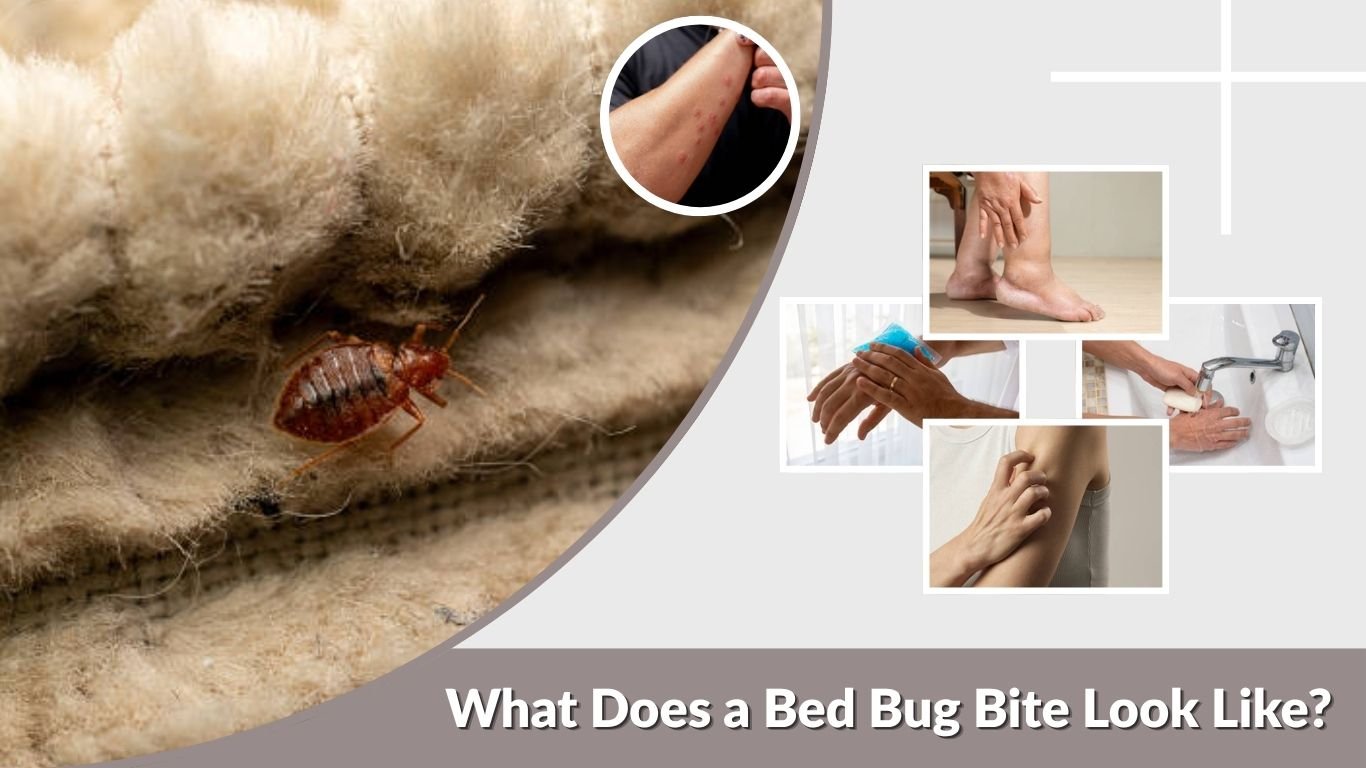
What does a bed bug bite look like? Bed bug bites often appear as small, itchy, swollen bumps that may develop in clusters, straight lines, or zigzag patterns. They can resemble mosquito bites, flea bites, or common skin rashes, making identification difficult. Some people develop noticeable red or purple welts, while others experience almost no visible reaction. Understanding the appearance of fresh bites, their locations, and how symptoms change over time can help you recognize possible bed bug activity. This guide explains the key signs and differences.
What Does a Bed Bug Bite Look Like on Humans?
Bed bug bites usually resemble small, raised bumps or welts on the skin. Their size, shape, and color depend on an individual’s immune response and skin tone. Although some bites form distinctive patterns, there is no single appearance that confirms a bed bug bite.
Common Physical Signs of Bed Bug Bites
Several features can help you recognize a possible bed bug reaction:
- Raised bumps: Small, swollen spots that resemble mosquito bites.
- Red or purple marks: Bites may appear red, pink, purplish, or darker than surrounding skin.
- Clustered bites: Multiple marks sometimes appear close together.
- Straight or zigzag lines: Several bites may form a recognizable pattern.
- Itchy welts: Affected areas can become intensely itchy.
- Central puncture: Some bites have a tiny darker spot where the insect fed.
These characteristics are useful clues, but similar reactions can result from other insects or skin conditions.
Where Do Bed Bug Bites Usually Appear?
Bed bugs typically feed while people sleep, often biting skin that is exposed or accessible.
Common locations include the arms, hands, shoulders, neck, face, back, and legs. They can also bite other parts of the body.
Bed bugs do not live permanently on human skin. After feeding, they generally return to cracks, furniture, mattresses, or other hiding places.
What Does a Fresh Bed Bug Bite Look Like?
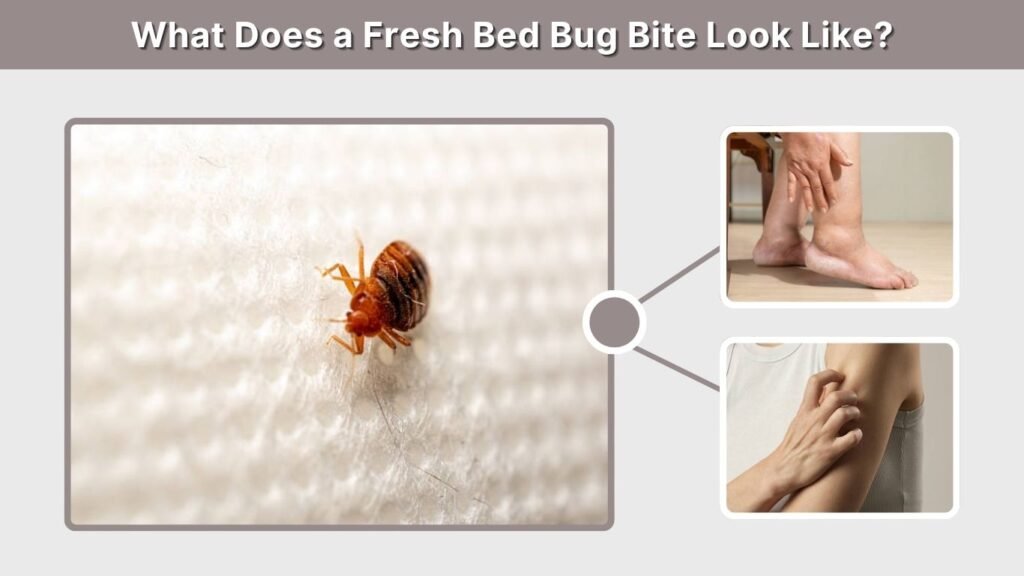
A fresh bed bug bite may be difficult to recognize because skin reactions are not always immediate. Bed bugs inject substances during feeding that help prevent the host from feeling the bite. Visible marks can develop hours or days afterward.
Appearance of a New Bed Bug Bite
When a reaction first appears, it may look like a small raised bump surrounded by mild swelling. The area may become itchy, red, pink, or discolored.
Some people develop larger welts, while others notice only a faint spot. A newly visible bite does not necessarily mean the insect fed that same day.
In certain individuals, bites may take up to two weeks to produce a noticeable reaction.
What Do Bed Bug Bites Look Like After Several Days?
As inflammation develops, existing bumps may become more noticeable or itchy. Some people experience swelling, while others see their marks gradually fade.
Scratching can cause scabs and broken skin. As bites heal, discoloration may remain temporarily, particularly in people prone to post-inflammatory hyperpigmentation.
Most uncomplicated bites improve within one to two weeks, although some reactions last longer.
What Does a Bed Bug Bite Rash Look Like?
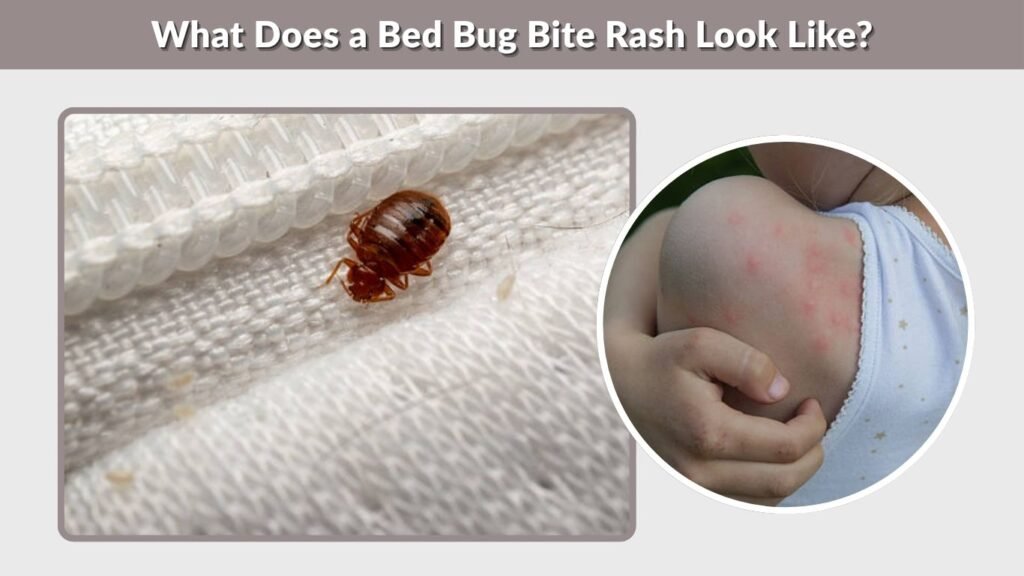
A bed bug bite rash may appear as a collection of itchy bumps, raised welts, or irritated patches of skin. In more sensitive individuals, several nearby reactions can make an area look like a continuous rash.
Common Bed Bug Rash Patterns
Bed bug reactions may develop in several arrangements.
Linear pattern: Several bites appear along a relatively straight line.
Zigzag pattern: Raised marks form an irregular sequence, sometimes associated with repeated feeding.
Clustered pattern: Multiple bumps occur close together in one area.
Scattered pattern: Individual bites appear randomly across exposed skin.
These patterns are not exclusive to bed bugs. Fleas, mosquitoes, and other causes of skin irritation may produce similar arrangements.
Can Bed Bug Bites Cause Blisters?
Yes. Although uncommon, some individuals develop fluid-filled blisters after bed bug bites.
These reactions may involve substantial swelling and discomfort. Large blisters, painful reactions, or widespread symptoms should be evaluated by a healthcare professional.
Avoid deliberately breaking blisters because damaged skin can develop an infection.
What Do Bed Bug Bites Look Like on Different Skin Tones?
Bed bug bites do not have the same appearance on everyone. Skin pigmentation influences how inflammation becomes visible, so descriptions focusing only on red bumps may overlook important differences.
Bed Bug Bites on Light Skin
On lighter skin, bites often appear as pink or red raised bumps. They may have a darker central spot or a surrounding area of inflammation.
Larger welts can develop in people who experience stronger reactions. The marks may be particularly noticeable on exposed arms, legs, and shoulders.
Bed Bug Bites on Dark Skin
On darker skin, bites may look purple, brown, or slightly darker than the surrounding skin rather than bright red.
Swelling and changes in skin texture may be more noticeable than color changes.
After healing, some bites leave temporary dark marks known as post-inflammatory hyperpigmentation. These changes do not necessarily indicate an active infestation.
Bed Bug Bites vs Other Insect Bites: Visual Differences
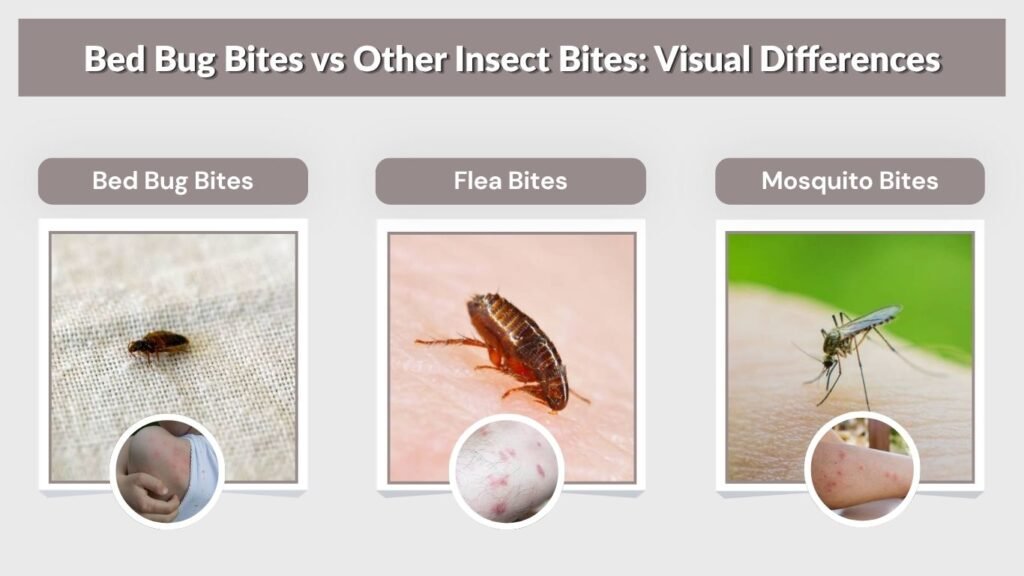
Bed bug bites are frequently mistaken for flea and mosquito bites. Their similarities make visual identification unreliable, but body location, exposure history, and infestation evidence can help distinguish possible causes.
| Feature | Bed Bug Bites | Flea Bites | Mosquito Bites |
| Appearance | Raised, itchy welts | Small, itchy bumps | Puffy, itchy bumps |
| Pattern | Clustered, lined, or random | Clustered or scattered | Often scattered |
| Common areas | Exposed skin during sleep | Ankles and lower legs | Any exposed skin |
| Bite timing | Usually at night | Day or night | Often dusk or nighttime, depending on species |
| Reaction timing | May be delayed | Often relatively quick | Often relatively quick |
Bed Bug Bites vs Flea Bites
Flea bites commonly occur around the ankles and lower legs. They may form small clusters, especially in homes where pets or flea-infested carpets are present.
Bed bug bites more often affect areas exposed during sleep, including the face, arms, and neck.
However, the two can look nearly identical, so the location alone cannot establish the cause.
Bed Bug Bites vs Mosquito Bites
Mosquito bites often cause isolated, swollen bumps, while bed bug bites may occur in groups or lines.
However, mosquitoes can cause multiple bites, and bed bugs can leave isolated marks.
Evidence of insects around your sleeping environment is more reliable than comparing bite shapes.
How to Confirm Whether You Have Bed Bug Bites
Finding bite marks does not prove that bed bugs are present. The most reliable approach is to inspect your bedroom for insects and other physical signs of infestation.
Signs of Bed Bugs Around Your Bed
Check for the following evidence:
- Live insects: Small, flat, reddish-brown bugs hiding near sleeping areas.
- Dark fecal spots: Tiny black or dark brown marks on mattresses and furniture.
- Blood stains: Small rusty or reddish marks on bedding.
- Shed skins: Pale, empty insect shells.
- Eggs: Tiny, pale eggs hidden in cracks and mattress seams.
Carefully examine bed frames, headboards, mattress piping, and nearby furniture.
If you find a suspicious insect, capture it safely for identification by a qualified pest professional.
How to Treat Bed Bug Bites on Your Skin
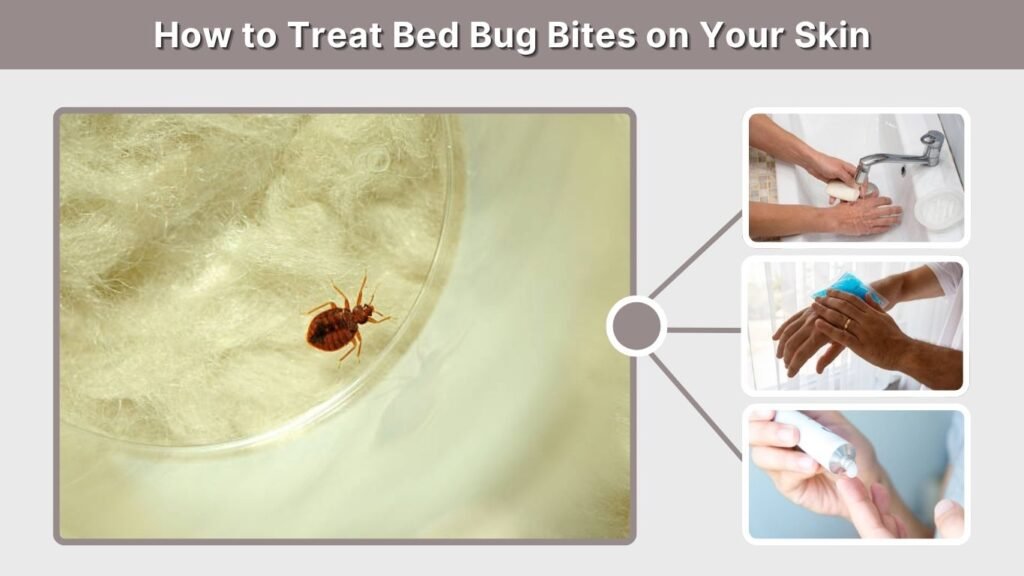
Most bed bug bites do not require medical treatment. Simple measures can ease itching while the skin heals.
Home Treatment for Bed Bug Bites
Wash the affected area gently with soap and water. Apply a cool compress to soothe discomfort and reduce swelling.
An over-the-counter hydrocortisone cream may relieve itching when used according to its label. Oral antihistamines can help some people experiencing stronger reactions.
Avoid scratching, as broken skin can become infected. Treatment relieves symptoms but does not eliminate insects from your home.
When Should You Seek Medical Attention?
Consult a healthcare professional if the skin becomes increasingly painful, warm, swollen, or begins producing pus.
Large blisters, fever, or persistent worsening symptoms also require assessment.
Difficulty breathing, tongue swelling, or faintness can indicate a serious allergic reaction and require emergency medical care.
FAQs
1. What do bed bug bites look like when they first appear?
They often appear as small, raised, itchy bumps. However, early reactions may be faint or absent, and visible marks can take several days to develop.
2. Do bed bug bites always appear in groups of three?
No. Bed bug bites may appear in lines, zigzag patterns, clusters, or randomly scattered arrangements. Three bites in a row are not a reliable diagnostic rule.
3. Can bed bug bites look like pimples?
Yes. Some bites resemble small inflamed pimples or raised bumps. However, acne and other skin conditions can look similar.
4. What color are bed bug bites on humans?
Bites may appear pink, red, purple, brown, or darker than the surrounding skin. Their color depends on skin tone, inflammation, and the healing stage.
5. Can you have bed bugs without visible bite marks?
Yes. Some people show little or no skin reaction even after being bitten. Inspecting your sleeping environment is essential because the absence of marks does not rule out an infestation.