
Ground-nesting wasps are common insects that build their nests beneath soil, lawns, gardens, and sandy areas. Some species live in large colonies and aggressively defend their nests, while others are solitary hunters that rarely bother humans. These wasps create underground tunnels and chambers to protect their eggs and raise their young safely away from predators and harsh weather conditions.
From yellowjackets to cicada killers, each species has unique nesting habits, behaviors, and identification features. Understanding the different types of ground-nesting wasps can help homeowners recognize active nests and stay safe outdoors.
1. Yellowjacket Wasp

Yellowjacket wasps are among the most common ground-nesting wasps found in many regions. These aggressive social wasps build underground colonies that can grow very large during summer. They often use abandoned rodent burrows or natural holes in the soil to create protected nests for their colony.
Identification
- Bright yellow and black striped body
- Smooth and shiny appearance
- Narrow waist between the thorax and abdomen
- Usually around 10–16 mm long
- Fast and aggressive flying behavior
- Often seen hovering near food or garbage
Where Yellowjacket Wasps Build Nests
Yellowjackets prefer underground nesting locations because the soil provides insulation and protection from predators. They commonly build nests in lawns, gardens, parks, and wooded areas. The entrance to the nest usually appears as a small hole in the ground with heavy wasp activity around it.
Some colonies may also nest inside wall cavities, attics, or crawl spaces if suitable underground areas are unavailable.
How Yellowjackets Make Underground Nests
The queen begins the colony in spring after emerging from winter hibernation. She searches for an existing hole or burrow and starts building small paper cells inside the underground chamber. These cells are made from chewed wood fibers mixed with saliva.
Once worker wasps mature, they expand the nest by creating additional chambers and tunnels. The colony grows rapidly during warm months and may eventually contain thousands of wasps.
Why Yellowjackets Are Considered Dangerous
Yellowjackets are highly defensive and may sting repeatedly if they believe their nest is threatened. Unlike honeybees, they do not lose their stinger after attacking. Disturbing a ground nest accidentally while mowing grass or gardening can trigger aggressive swarming behavior.
Their attraction to sugary foods and outdoor gatherings also increases encounters with humans during late summer and early fall.
Signs of an Active Yellowjacket Nest
An active yellowjacket nest often becomes noticeable because of constant movement near the nest entrance. Worker wasps repeatedly fly in and out while searching for food.
You may notice increased wasp activity around:
- Holes in the ground
- Garden edges
- Sidewalk cracks
- Tree roots
- Wood piles
- Outdoor trash areas
2. German Yellowjacket

German yellowjackets are highly social wasps known for building large underground nests. They are one of the most aggressive yellowjacket species and commonly appear around homes, outdoor eating areas, and garbage bins. Their colonies grow quickly during warm seasons and can contain thousands of worker wasps by late summer.
These wasps are skilled nest builders that often choose hidden underground spaces where the colony remains protected from weather and predators.
Identification
- Bright yellow and black striped body
- Black markings or dots near the face
- Smooth body with little hair
- Workers usually measure 12–15 mm long
- Fast and direct flying movement
- Strong attraction to sugary foods and meat
Where German Yellowjackets Build Nests
German yellowjackets prefer underground nesting sites because they offer safety and stable temperatures. They often use abandoned rodent burrows, soil cracks, or hidden cavities beneath structures.
In urban environments, they may also nest inside:
- Wall voids
- Roof spaces
- Garages
- Attics
- Garden beds
- Underground pipes
Their nests are usually hidden from view, making them difficult to detect until the colony becomes large.
How German Yellowjackets Build Their Nests
The queen begins nest construction alone during spring. She chews weathered wood fibers and mixes them with saliva to create a paper-like material. This pulp is used to build small hexagonal cells underground where eggs are laid.
After the first worker wasps emerge, they take over construction duties and rapidly expand the nest. New chambers and layers are continuously added as the colony population increases throughout summer.
Why German Yellowjackets Are Aggressive
German yellowjackets aggressively defend their nests and can sting multiple times when disturbed. Because underground nests are often hidden, humans may accidentally trigger attacks while walking, gardening, or mowing lawns.
These wasps become especially active during late summer when worker wasps search for food sources around outdoor gatherings and trash containers.
Signs of a German Yellowjacket Nest
A hidden underground nest can usually be identified by heavy wasp traffic near a single entrance hole. Worker wasps repeatedly travel in and out while collecting food and nesting materials.
Common warning signs include:
- Continuous wasp movement near the ground
- Small holes with flying activity
- Increased wasps around outdoor food
- Buzzing sounds near walls or soil
- Wasps entering cracks in structures
- Aggressive swarming behavior near nesting areas
3. Eastern Yellowjacket

Eastern yellowjackets are common ground-nesting wasps found throughout many wooded and suburban areas. These social wasps build large underground colonies that become highly active during summer and early fall. They are known for their aggressive nest defense and strong attraction to sugary foods, meat, and garbage.
Their underground nests help protect the colony from weather changes and predators while providing enough space for rapid population growth.
Identification
- Yellow and black striped abdomen
- Smooth, shiny body surface
- Workers usually 10–16 mm long
- Distinct black markings on the face
- Narrow waist with compact body shape
- Fast and aggressive flight pattern
Where Eastern Yellowjackets Build Nests
Eastern yellowjackets mainly build nests underground using abandoned animal burrows or naturally formed soil cavities. They prefer quiet locations with loose soil and good shelter from heavy disturbance.
These wasps commonly nest in:
- Lawns
- Garden areas
- Forest edges
- Parks
- Mulch beds
- Beneath tree roots
The nest entrance often appears as a small hole with constant wasp activity nearby.
How Eastern Yellowjackets Build Their Nests
The queen starts building the colony in spring after emerging from hibernation. She gathers weathered wood fibers and chews them into a paper-like pulp using saliva. Small paper cells are formed underground where eggs are laid.
Once worker wasps hatch, they continue expanding the nest by adding more chambers and tunnels. The colony grows rapidly during warm weather and may contain thousands of wasps by the end of summer.
Why Eastern Yellowjackets Are Considered Dangerous
Eastern yellowjackets are highly defensive and may attack in large numbers if their nest is disturbed. Because their nests are hidden underground, accidental encounters are common during outdoor activities such as mowing, gardening, or landscaping.
Unlike bees, these wasps can sting repeatedly without losing their stinger, making them especially dangerous for people with allergies.
Signs of an Active Eastern Yellowjacket Nest
An active nest usually becomes noticeable because of constant movement around the underground entrance. Worker wasps repeatedly leave and return while searching for food.
Common signs include:
- Heavy wasp traffic near ground holes
- Sudden swarming behavior
- Increased wasp activity in lawns
- Buzzing sounds from underground areas
- Wasps entering cracks or burrows
- Aggressive behavior near the nest site
4. Common Wasp

The common wasp is one of the most widespread ground-nesting wasp species found in gardens, forests, and urban areas. These social wasps live in large colonies and are known for their defensive behavior when their nests are disturbed. During late summer, they frequently gather around sweet foods and drinks, increasing contact with humans.
Their underground nests can become very large and may house thousands of worker wasps by the end of the season.
Identification
- Bright yellow and black striped body
- Smooth body with very little hair
- Workers measure around 12–17 mm long
- Distinct black anchor-shaped mark on the face
- Narrow waist with compact abdomen
- Loud buzzing flight behavior
Where Common Wasps Build Nests
Common wasps usually build their nests underground in hidden and protected locations. They often use abandoned rodent burrows or natural holes in the soil as starting points for the colony.
Typical nesting locations include:
- Gardens
- Grass lawns
- Woodland edges
- Compost areas
- Under sheds
- Soil banks
They may also build nests inside wall cavities or roof spaces when underground areas are limited.
How Common Wasps Build Their Nests
The queen begins nest construction during spring after surviving winter hibernation. She collects weathered wood fibers and mixes them with saliva to create a paper-like building material. Small hexagonal cells are formed underground where the first eggs are placed.
As worker wasps mature, they expand the colony by adding more layers and chambers. The nest continues growing throughout summer and reaches peak size in early fall.
Why Common Wasps Become Aggressive
Common wasps aggressively protect their nests from threats. Underground nests are often difficult to notice, which increases the risk of accidental disturbance during outdoor activities.
These wasps can sting multiple times and release alarm chemicals that attract other colony members to attack. Their aggressive behavior becomes more noticeable as the colony grows larger later in the season.
Signs of an Active Common Wasp Nest
An underground common wasp nest usually shows clear signs of continuous activity near the entrance area. Worker wasps frequently travel in and out while collecting food and nesting materials.
You may notice:
- Constant wasp movement near soil holes
- Increased activity around outdoor food
- Buzzing sounds from underground
- Wasps flying low over lawns
- Aggressive swarming near nesting spots
- Small openings beneath structures or roots
5. Western Yellowjacket
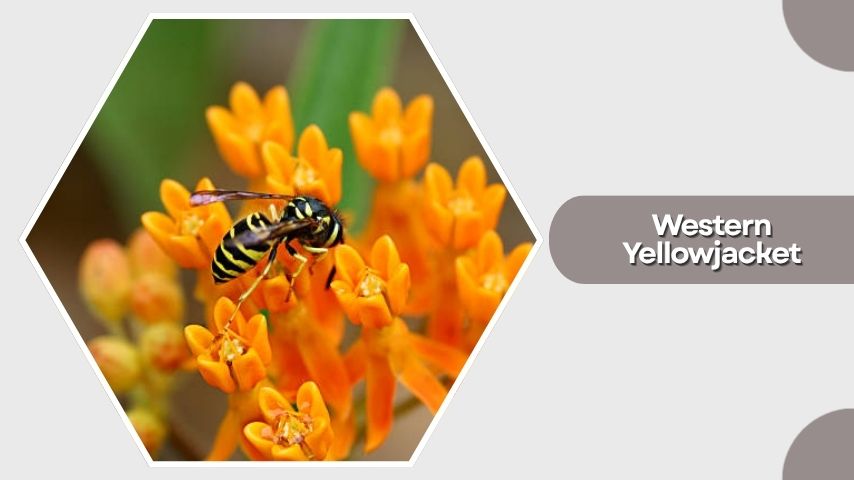
Western yellowjackets are aggressive social wasps commonly found in western regions of North America. These wasps are well known for building underground nests and forming very large colonies during warm months. They frequently search for sugary foods, meat, and garbage, making them common pests around outdoor gatherings and residential areas.
Their underground nests provide strong protection for the colony and help maintain stable temperatures throughout the season.
Identification
- Bright yellow and black striped abdomen
- Smooth and shiny body texture
- Workers usually 10–16 mm long
- Thin waist connecting the abdomen and thorax
- Rapid flying behavior
- Strong attraction to food and sweet drinks
Where Western Yellowjackets Build Nests
Western yellowjackets mainly build nests underground using abandoned burrows or natural openings in the soil. They prefer quiet areas with loose soil and limited disturbance.
Common nesting locations include:
- Lawns
- Parks
- Garden beds
- Forest edges
- Beneath rocks
- Under tree roots
In some cases, they may also nest inside walls, attics, or crawl spaces.
How Western Yellowjackets Build Their Nests
The queen begins the nest alone during spring after leaving hibernation. She gathers weathered wood fibers and chews them into a soft paper-like pulp using saliva. This material is used to build small underground cells where eggs are laid.
After worker wasps emerge, they continue expanding the nest by constructing additional chambers and tunnels. The colony grows rapidly during summer and can eventually contain thousands of wasps.
Why Western Yellowjackets Are Dangerous
Western yellowjackets are highly defensive and can attack aggressively when their nest is disturbed. Because their nests are hidden underground, accidental encounters often happen while mowing grass, gardening, or walking near the entrance.
These wasps are capable of stinging multiple times and may swarm in large numbers when threatened.
Signs of an Active Western Yellowjacket Nest
An active nest usually becomes noticeable because of heavy wasp traffic around a small ground opening. Worker wasps continuously enter and exit while searching for food.
Common warning signs include:
- Wasps flying close to the ground
- Continuous activity near soil holes
- Buzzing sounds from underground areas
- Increased wasp presence around food
- Aggressive behavior near lawns or gardens
- Hidden entrances beneath vegetation or rocks
6. Bald-Faced Hornet
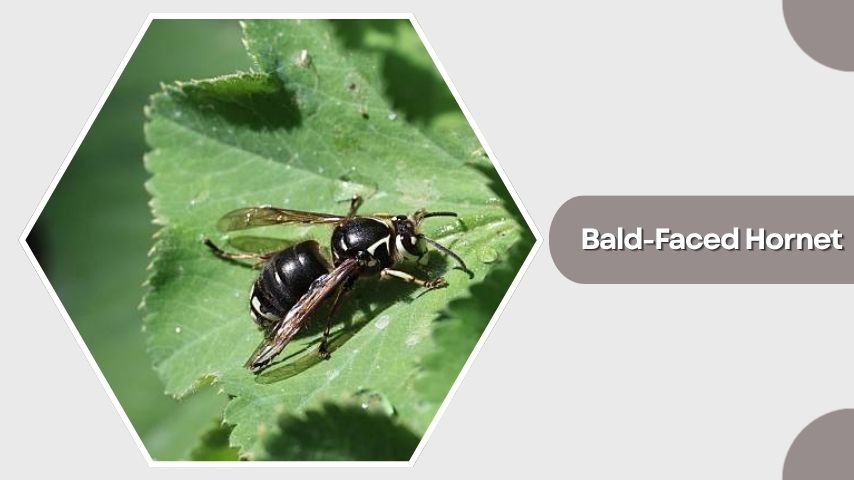
Bald-faced hornets are large social wasps known for their black-and-white coloring and highly defensive behavior. Although they commonly build aerial paper nests in trees and structures, some colonies may establish nests close to the ground or inside protected ground-level cavities. These wasps are aggressive when defending their colony and can sting repeatedly.
Their nests grow quickly during summer and may contain several hundred workers by the end of the season.
Identification
- Black body with white facial markings
- Large and robust body shape
- Workers usually 12–18 mm long
- Smooth body with narrow waist
- Loud buzzing flight
- Aggressive defensive behavior
Where Bald-Faced Hornets Build Nests
Bald-faced hornets usually prefer elevated nesting areas, but they sometimes use hollow stumps, low shrubs, wall voids, or sheltered ground-level spaces. They select locations that provide protection from rain and predators.
Common nesting areas include:
- Tree branches
- Bushes
- Hollow logs
- Sheds
- Wall cavities
- Ground-level sheltered spaces
Their nests are enclosed and football-shaped with a single entrance hole.
How Bald-Faced Hornets Build Their Nests
The queen starts building the nest in spring after emerging from winter shelter. She scrapes weathered wood fibers and mixes them with saliva to create a gray paper-like material. Small hexagonal cells are formed first, and the nest gradually expands as worker hornets emerge.
Workers continue enlarging the nest by adding multiple paper layers around the outer shell. This enclosed structure protects the colony from weather and outside threats.
Why Bald-Faced Hornets Are Dangerous
Bald-faced hornets are extremely protective of their nests and respond aggressively to disturbances. If threatened, they may swarm and sting repeatedly. Their venom can cause painful reactions, especially for individuals allergic to insect stings.
Because colonies become larger later in summer, aggressive encounters are more common during that period.
Signs of an Active Bald-Faced Hornet Nest
Active nests usually show constant hornet movement near the entrance. Worker hornets frequently travel in and out while gathering food and nest materials.
Common signs include:
- Large gray paper nest nearby
- Loud buzzing around trees or structures
- Constant flying activity
- Hornets defending a specific area
- Increased insect activity during daytime
- Aggressive swarming when disturbed
7. Cicada Killer Wasp
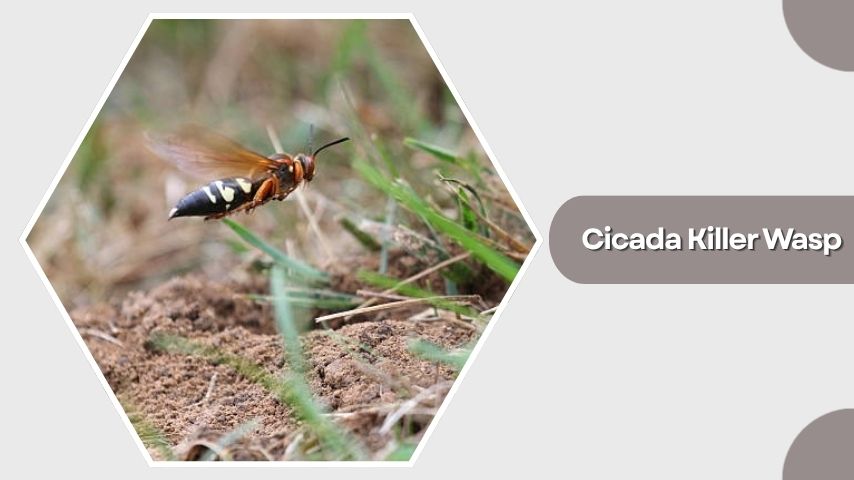
Cicada killer wasps are large solitary wasps known for digging nests in the ground. Unlike social yellowjackets, these wasps do not live in large colonies or aggressively defend their nests. Female cicada killers build underground burrows where they store paralyzed cicadas as food for their developing larvae.
Although their large size can appear intimidating, cicada killer wasps are generally less aggressive toward humans unless directly handled or threatened.
Identification
- Large black body with yellow markings
- Reddish-brown wings
- Females can grow up to 2 inches long
- Thick and robust body shape
- Loud buzzing flight
- Often seen carrying cicadas
Where Cicada Killer Wasps Build Nests
Cicada killer wasps prefer dry, sandy, or loose soil where digging is easier. They commonly create burrows in sunny open spaces with minimal vegetation.
Typical nesting areas include:
- Lawns
- Garden edges
- Sand piles
- Sidewalk borders
- Playgrounds
- Dirt pathways
The entrance usually appears as a round hole surrounded by loose soil.
How Cicada Killer Wasps Build Their Nests
Female cicada killers dig long underground tunnels using their legs and jaws. The tunnel branches into several chambers where eggs are laid. After capturing and paralyzing cicadas, the female places them inside the chambers as food for the larvae.
Once enough food is stored, the chamber is sealed, and the larva develops underground until adulthood.
Why Cicada Killer Wasps Are Less Aggressive
Unlike social wasps, cicada killers do not defend a colony of workers. Males may fly aggressively around people, but they cannot sting. Females can sting but usually only do so when physically threatened.
Their behavior is focused mainly on hunting cicadas and maintaining their underground burrows rather than attacking humans.
Signs of an Active Cicada Killer Nest
Active cicada killer nests are usually easy to recognize because of the loose soil around the entrance hole and the large wasps flying nearby.
Common signs include:
- Small dirt mounds in lawns
- Round holes in dry soil
- Large wasps hovering close to the ground
- Wasps carrying cicadas
- Increased activity during hot summer days
- Multiple burrows in sunny open areas
8. Great Golden Digger Wasp
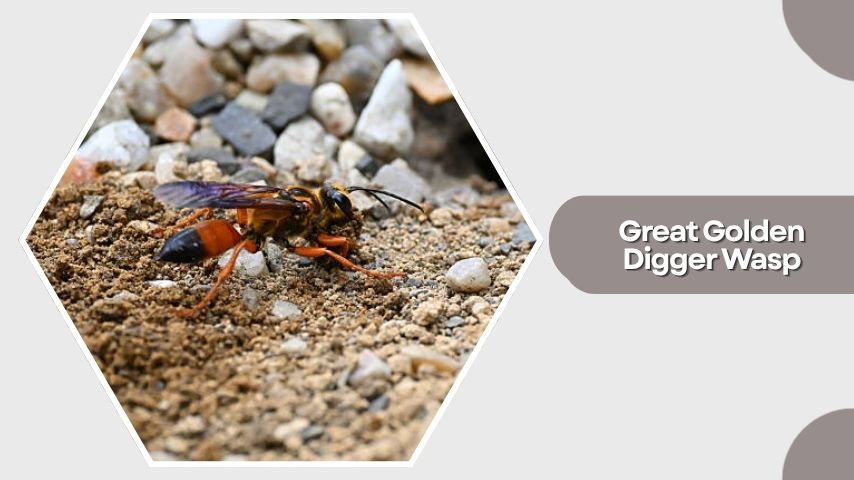
The great golden digger wasp is a solitary ground-nesting wasp recognized for its metallic golden hairs and long slender body. These wasps are skilled diggers that create underground burrows where they store paralyzed insects as food for their larvae. Unlike aggressive social wasps, they are usually calm and rarely sting humans.
Great golden digger wasps play an important role in controlling grasshopper and cricket populations in natural environments.
Identification
- Black body with golden-orange hairs
- Long and slender waist
- Reddish-orange abdomen
- Females grow around 20–25 mm long
- Smoky amber-colored wings
- Slow and graceful flight pattern
Where Great Golden Digger Wasps Build Nests
These wasps prefer loose, dry soil that is easy to excavate. They commonly choose sunny areas with limited vegetation and good drainage.
Common nesting sites include:
- Sandy soil
- Garden edges
- Lawns
- Dirt pathways
- Open fields
- Near flower beds
Their burrow entrances are often hidden beneath grass or loose soil.
How Great Golden Digger Wasps Build Their Nests
Female wasps dig underground tunnels using their legs and jaws. The tunnel contains several side chambers where eggs are laid. After hunting insects such as crickets or grasshoppers, the female paralyzes the prey and places it inside the chamber as food for the developing larva.
Once the chamber is fully stocked, the female seals it with soil before beginning another nesting chamber nearby.
Why Great Golden Digger Wasps Are Beneficial
These wasps help naturally reduce populations of pest insects that damage plants and crops. Because they are solitary and non-aggressive, they rarely pose a danger to humans.
They spend most of their time hunting prey, collecting nectar, and maintaining their underground burrows instead of defending a colony.
Signs of an Active Great Golden Digger Wasp Nest
Active nests can usually be identified by loose soil around a small burrow entrance and the presence of large orange-and-black wasps flying close to the ground.
Common signs include:
- Small holes in dry soil
- Loose dirt around burrow entrances
- Wasps carrying grasshoppers or crickets
- Increased activity in sunny areas
- Large solitary wasps flying low
- Nesting activity near gardens or fields
9. Sand Wasp
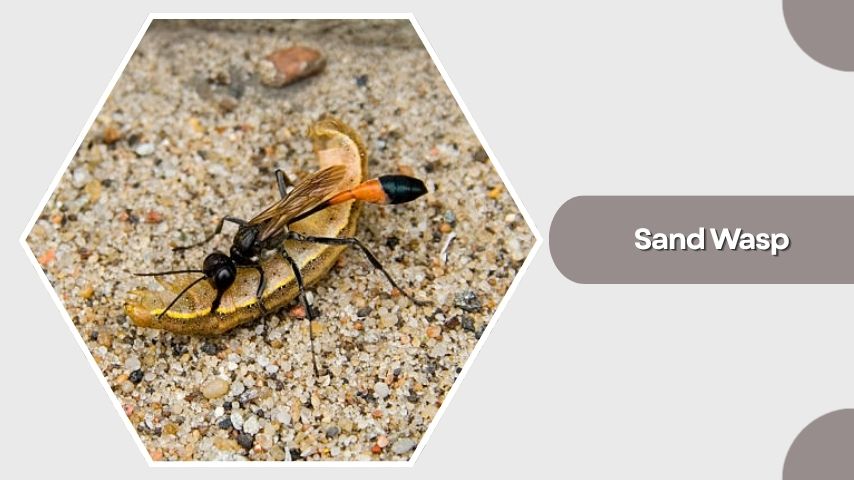
Sand wasps are solitary ground-nesting wasps that prefer dry, sandy environments. These fast-flying hunters dig burrows in loose soil where they raise their young. Unlike aggressive social wasps, sand wasps rarely sting humans and spend most of their time catching insects to feed their larvae.
Their nesting behavior is highly organized, and many females may build nests close together in suitable sandy areas without forming true colonies.
Identification
- Black body with yellow or white markings
- Medium-sized slender body
- Large prominent eyes
- Fast and darting flight pattern
- Long wings folded over the back
- Often seen hovering near sandy ground
Where Sand Wasps Build Nests
Sand wasps prefer warm, dry areas with loose soil that allows easy digging. They often choose open sunny spaces with little vegetation.
Common nesting locations include:
- Sandy beaches
- Dirt trails
- Dry riverbanks
- Open fields
- Sand dunes
- Bare garden soil
Their nests usually appear as small holes surrounded by fine loose sand.
How Sand Wasps Build Their Nests
Female sand wasps dig underground burrows using their legs and jaws. Each burrow contains chambers where eggs are laid. After hunting flies and other insects, the female carries the prey into the nest to feed the developing larva.
The nest entrance may be temporarily covered to protect it from predators and parasites while the female searches for more prey.
Why Sand Wasps Are Important
Sand wasps help control populations of flies and other small insects in natural environments. Because they are solitary and non-aggressive, they are considered beneficial insects rather than dangerous pests.
Their hunting behavior also supports ecological balance by reducing insect populations naturally without harming plants.
Signs of an Active Sand Wasp Nest
Active nests are usually noticeable because of small sandy openings and rapid wasp activity close to the ground.
Common signs include:
- Tiny holes in sandy soil
- Small piles of loose sand
- Fast-moving wasps hovering nearby
- Wasps carrying insects into burrows
- Increased activity in sunny dry areas
- Multiple nest entrances grouped together
10. Mining Wasp
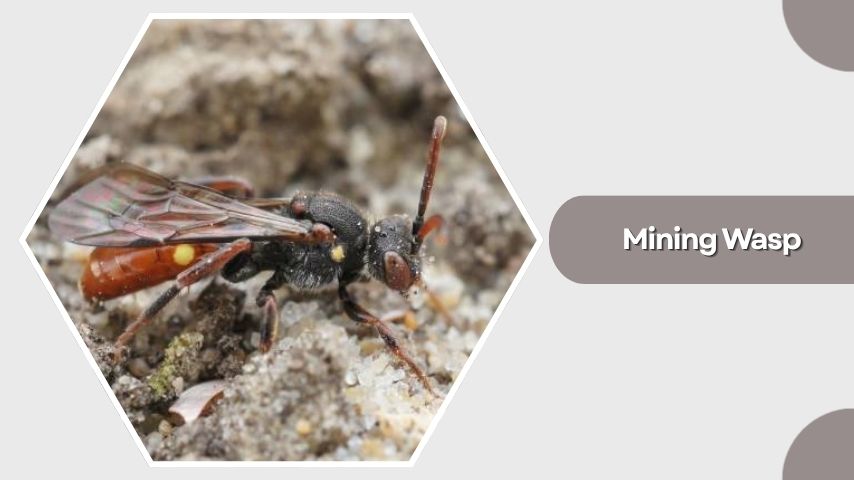
Mining wasps are solitary ground-nesting wasps that dig tunnels in soil to raise their young. These wasps belong to a large family of hunting wasps that capture insects or spiders as food for developing larvae. They are generally non-aggressive and spend most of their time searching for prey and maintaining underground burrows.
Many mining wasps prefer quiet outdoor spaces with loose soil where they can easily excavate tunnels and nesting chambers.
Identification
- Slender black or dark-colored body
- Narrow waist between body sections
- Medium-sized appearance
- Smooth body with light hair coverage
- Fast and active flight behavior
- Often seen near soil or sandy areas
Where Mining Wasps Build Nests
Mining wasps choose dry, loose soil that allows easy digging. They commonly build nests in open sunny locations with limited vegetation.
Typical nesting sites include:
- Sandy ground
- Garden soil
- Dirt banks
- Lawns
- Forest clearings
- Walking trails
Their nest entrances are usually small and difficult to notice unless the wasps are actively flying nearby.
How Mining Wasps Build Their Nests
Female mining wasps dig underground tunnels using powerful legs and jaws. The tunnel contains several chambers where eggs are placed. After hunting insects or spiders, the female paralyzes the prey and stores it inside the chamber as food for the larva.
Once the chamber is supplied with enough prey, the female seals it with soil before starting another chamber.
Why Mining Wasps Are Beneficial
Mining wasps help naturally control populations of insects and spiders that may damage plants or disturb gardens. Since they are solitary and rarely aggressive, they are generally considered harmless to humans.
Their role as predators makes them valuable insects in maintaining ecological balance outdoors.
Signs of an Active Mining Wasp Nest
Active mining wasp nests often appear as small openings in loose soil with occasional wasp activity nearby.
Common signs include:
- Tiny holes in dry soil
- Loose dirt near nest entrances
- Solitary wasps flying low to the ground
- Wasps carrying insects or spiders
- Activity in sandy or open areas
- Small burrows in lawns or garden beds
FAQs
Are ground-nesting wasps more aggressive than other wasps?
Some ground-nesting wasps, especially yellowjackets, are highly aggressive when defending their nests. Solitary ground wasps like cicada killers and mining wasps are usually less aggressive and rarely sting humans unless directly threatened.
Why do wasps build nests underground?
Underground nests provide protection from weather, predators, and temperature changes. Soil insulation helps keep the colony stable and safe while allowing wasps to expand their nest chambers throughout the season.
How can you identify a ground wasp nest?
Ground wasp nests are often identified by small holes in the soil with constant wasp activity nearby. You may also notice loose dirt around the entrance and buzzing sounds close to the ground.
Do ground wasps return to the same nest every year?
Most social ground wasps abandon their nests after cold weather arrives. New queens usually build fresh nests the following spring rather than reusing old underground colonies.
Are ground-nesting wasps beneficial?
Yes. Many ground-nesting wasps help control harmful insect populations by hunting flies, caterpillars, grasshoppers, and spiders. They play an important role in maintaining ecological balance outdoors.