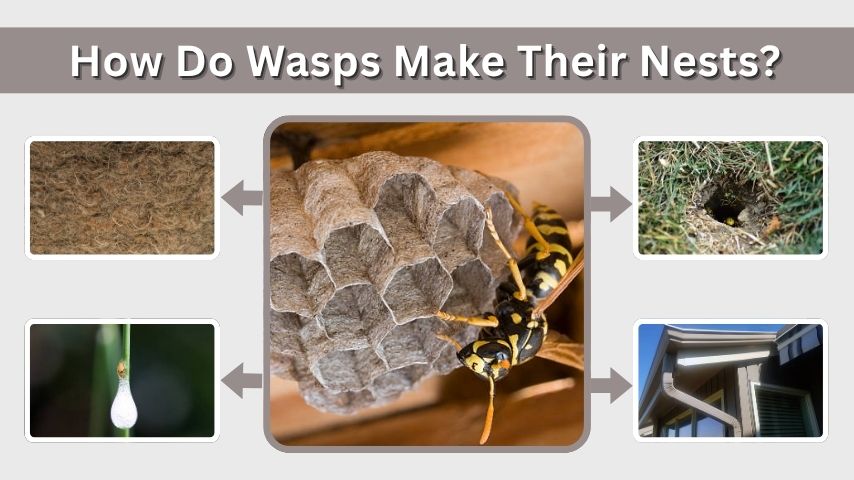
Wasps are skilled builders that create strong and protective nests using natural materials found around them. Depending on the species, they may use wood fibers, mud, or underground tunnels to form safe places for their colonies. These nests protect the queen, store food, and provide shelter for growing larvae during the warmer months.
Some wasps build hanging paper nests under roofs, while others dig into the ground or shape mud into tube-like chambers. Their building process is surprisingly organized and efficient, making wasp nests one of nature’s most interesting insect structures.
Why Do Wasps Build Nests?
Wasps build nests to create a secure environment where the colony can survive and grow. The nest acts as the center of the colony and supports everything from egg-laying to raising young wasps. Most nests begin in spring when the queen emerges from hibernation and searches for a suitable nesting location.
As the colony expands, worker wasps continue improving and enlarging the nest. Different species build nests in different styles, but all nests serve the same basic purpose of protection and survival.
Protection From Weather and Predators
A nest keeps wasps protected from rain, strong winds, and predators. Many wasps choose hidden or elevated locations because these areas are safer and harder for enemies to reach. Underground nests provide natural insulation, while paper nests hanging from roofs stay dry and sheltered.
Raising Young Wasps
Inside the nest are small chambers where the queen lays eggs. These cells protect larvae while worker wasps gather food and maintain the colony. As the young develop, the nest continues expanding to create more space.
Supporting the Growing Colony
A small nest built by a queen can eventually become home to hundreds or even thousands of wasps. Worker wasps constantly repair damage, strengthen walls, and add new layers during the active season.
How Do Wasps Make Their Nests?
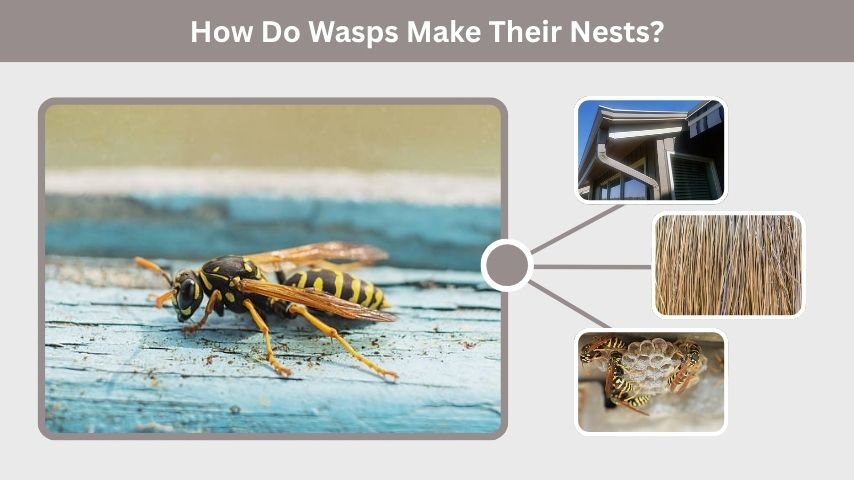
The nest-building process starts when a queen wasp finds a suitable place to begin construction. She gathers building materials, shapes the first cells, and lays eggs. Once worker wasps mature, they take over most of the construction duties.
Different wasp species use different techniques, but the overall process follows a similar pattern throughout the colony’s life cycle.
Step 1 – Choosing a Nesting Location
Wasps carefully select locations that offer safety, warmth, and protection from moisture. Common nesting spots include:
- Roof eaves
- Tree branches
- Wall cavities
- Sheds and garages
- Underground burrows
- Porch ceilings
The location depends on the wasp species and the environment around them.
Step 2 – Gathering Building Materials
Wasps collect materials from nearby natural sources. The most common materials include:
- Wood fibers from fences or trees
- Plant material
- Mud from wet soil
- Saliva used as a binding substance
Paper wasps scrape wood with their jaws, while mud daubers gather moist soil to shape their nests.
Step 3 – Building the Nest Structure
After gathering materials, wasps begin shaping the nest. They build small hexagonal cells where eggs are placed. Over time, more layers and chambers are added to support the expanding colony.
Worker wasps continue repairing weak areas and adding extra sections throughout the season. This teamwork allows the nest to grow quickly during warm months.
How Do Wasps Make Paper Nests?
Many social wasps create nests that look and feel like paper. These nests are made by chewing wood fibers and mixing them with saliva to form a soft pulp. Once the material dries, it becomes surprisingly strong and lightweight.
Paper nests are common among species such as paper wasps, yellowjackets, and hornets. These nests may hang from trees, roofs, or other elevated structures.
How Wasps Turn Wood Into Paper
The process begins when wasps scrape tiny wood fibers from surfaces like dead trees, fences, and wooden decks. They chew these fibers repeatedly until they become a paste-like material.
The saliva acts like glue, helping bind the fibers together. As the material dries, it forms the thin paper texture seen in many wasp nests.
Why Paper Nests Are So Strong
Although paper nests appear fragile, they are designed to withstand outdoor conditions. The layered structure provides strength while remaining lightweight. The material also helps regulate temperature inside the nest, protecting developing larvae.
Common Wasps That Build Paper Nests
Several wasp species are known for building paper nests, including:
- Paper wasps
- Yellowjackets
- Bald-faced hornets
- European wasps
- Red wasps
Each species creates slightly different nest shapes and sizes depending on colony needs and nesting locations.
How Do Paper Wasps Make Their Nests?
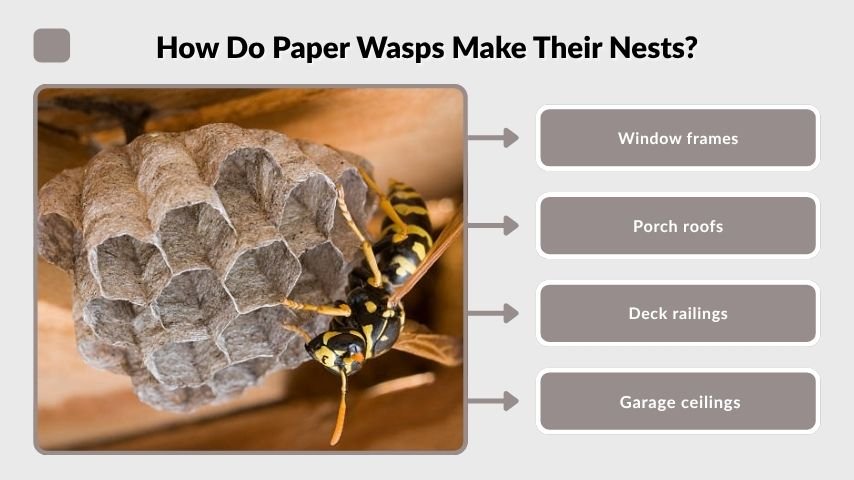
Paper wasps build open-comb nests that are easy to recognize. Unlike enclosed hornet nests, paper wasp nests expose their hexagonal cells without covering them completely. These nests are often attached to surfaces by a single narrow stalk.
The queen usually begins construction alone in spring before worker wasps emerge to help expand the nest.
Building the First Cells
The queen forms a small stalk and creates the first few hexagonal cells beneath it. These cells hold the earliest eggs and larvae. As worker wasps mature, they continue adding more cells to enlarge the structure.
Where Paper Wasps Commonly Nest
Paper wasps often build nests in quiet, protected areas around homes and buildings. Common nesting locations include:
- Window frames
- Porch roofs
- Deck railings
- Attics
- Barns
- Garage ceilings
How Do Mud Wasps Make Their Nests?
Mud wasps, often called mud daubers, build nests differently from paper wasps. Instead of using wood fibers, they gather wet mud and shape it into small chambers or tube-like structures. These wasps are usually solitary, meaning they do not live in large colonies like yellowjackets or hornets.
Mud nests are commonly attached to walls, ceilings, garages, barns, and sheltered outdoor spaces. The hard mud structure protects developing larvae from weather and predators until they mature.
Collecting Mud for Construction
Mud wasps search for soft, wet soil near puddles, riverbanks, or damp ground. They carry small pellets of mud back to the nesting site using their jaws. The process is repeated many times until enough material is collected to shape the nest.
Unlike social wasps, mud daubers work alone and build at a slower pace. However, their nests become very durable once the mud dries completely.
Forming Individual Chambers
The wasp shapes the mud into narrow tubes or rounded chambers. Each chamber contains food and a single egg. After sealing the chamber, the wasp begins building another section beside it.
Most mud nests contain several connected compartments arranged side by side. The design keeps developing larvae separated and protected inside individual cells.
Why Mud Nests Look Different
Mud nests have a rough texture and appear thicker than paper nests. Their appearance depends on the species and nesting surface. Some resemble organ pipes, while others look like small clumps of dried clay attached to walls or ceilings.
Because these wasps are less aggressive than social species, mud nests are usually less dangerous around homes.
How Do Wasps Make Nests in the Ground?
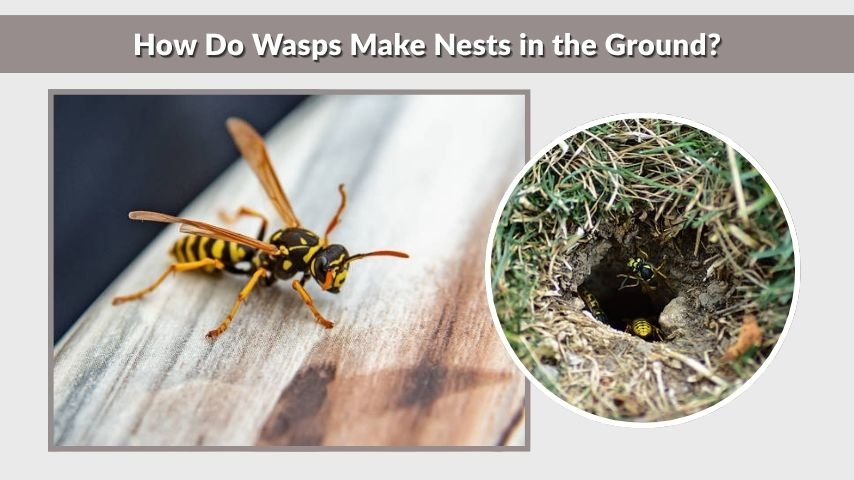
Some wasps prefer building nests underground instead of hanging them from structures or trees. Ground-nesting wasps often use abandoned animal burrows, cracks in the soil, or natural openings as starting points for their colonies.
These nests can become very large during summer because underground spaces provide insulation and protection from harsh weather conditions.
Using Existing Underground Spaces
Ground wasps often save energy by using tunnels already created by rodents or other small animals. After entering the hole, they expand the underground chambers to create room for larvae and colony growth.
Common underground nesting locations include:
- Garden soil
- Lawns
- Forest edges
- Dirt banks
- Sidewalk cracks
- Abandoned burrows
These hidden entrances can make underground nests difficult to spot until wasps become highly active.
Expanding the Tunnel System
As the colony grows, worker wasps continue digging deeper into the soil. Multiple chambers are added for egg-laying, food storage, and larval development. Some underground colonies may contain thousands of wasps by late summer.
The tunnels also help regulate temperature and humidity inside the nest, creating stable conditions for the colony.
Common Ground-Nesting Wasps
Several species are known for nesting underground, especially yellowjackets and ground wasps. These species can become defensive if their nests are disturbed accidentally.
People often discover ground nests while mowing lawns or gardening because worker wasps quickly emerge to defend the colony.
How Fast Do Wasps Make Nests?
The speed of nest construction depends on the wasp species, weather conditions, food supply, and colony size. Most nests begin small in spring and grow rapidly during warmer months when worker wasps become active.
A queen wasp can start a basic nest within just a few days, but large colonies may take several months to fully develop.
Early Nest Development
At the beginning of the season, the queen works alone to build the first few cells. This stage progresses slowly because she must gather materials, build the nest, lay eggs, and search for food by herself.
Once the first worker wasps emerge, nest growth speeds up significantly.
Rapid Growth During Summer
Worker wasps divide construction tasks among the colony. Some gather materials while others expand and repair the nest. During peak summer months, nests can grow surprisingly fast.
Large wasp colonies may expand by dozens of new cells each day under favorable conditions.
How Long It Takes to Build a Full Nest
The total time needed for a mature nest varies by species:
| Nest Type | Average Build Time |
| Small paper wasp nest | Few weeks |
| Mud dauber nest | Several days |
| Underground yellowjacket nest | Entire summer |
| Large hornet nest | 3 to 5 months |
Most wasp nests are abandoned once colder weather arrives and the colony dies off.
How Do Bees and Wasps Make Their Nests Differently?
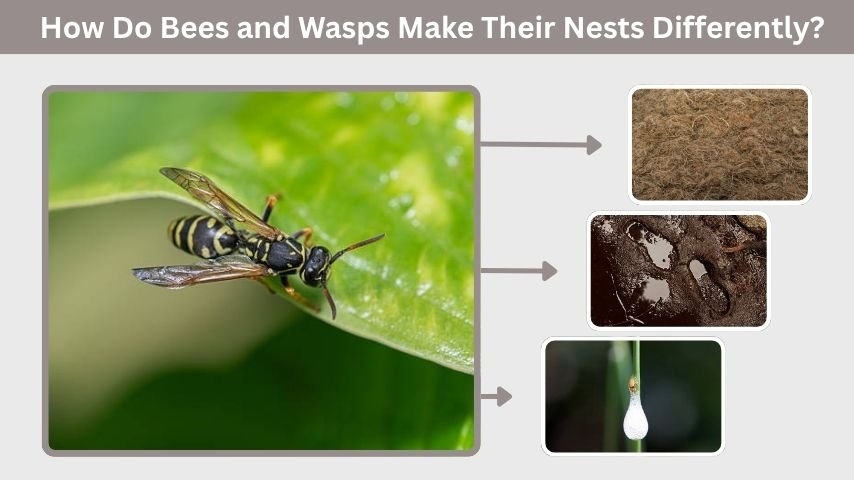
Although bees and wasps are both flying insects, they use different materials and nesting methods. Wasps mainly build nests for raising young, while bees focus on storing honey and pollen for the colony.
These differences affect the appearance, texture, and structure of their nests.
Materials Used by Bees and Wasps
Wasps commonly use:
- Wood fibers
- Mud
- Plant material
- Saliva
Bees mainly use:
- Beeswax
- Pollen
- Resin in some species
This is why bee hives look smoother and more organized compared to rough paper or mud wasp nests.
Structural Differences
Wasp nests are often lightweight and temporary, lasting for only one season. Bee hives are more permanent and designed for long-term colony survival.
| Feature | Wasps | Bees |
| Main Material | Paper or mud | Wax |
| Nest Style | Open or layered | Honeycomb |
| Lifespan | Seasonal | Long-term |
| Main Purpose | Raising larvae | Storing honey and brood |
FAQs
How do wasps make paper nests?
Wasps scrape wood fibers from trees, fences, and wooden surfaces. They chew the fibers and mix them with saliva to create a paper-like pulp that hardens as it dries.
How quickly do wasps make a nest?
A queen can begin building a small nest within a few days. Once worker wasps emerge, the colony can expand rapidly throughout the summer.
Do all wasps build nests from paper?
No. Some wasps build nests from mud, while others nest underground or inside natural cavities depending on the species.
Why do wasps build nests near houses?
Homes provide sheltered spaces that protect nests from rain, wind, and predators. Roofs, attics, garages, and porches are common nesting areas.
Are ground wasp nests dangerous?
Ground nests can become dangerous if disturbed because many underground species aggressively defend their colonies. Caution is important around active nest entrances.