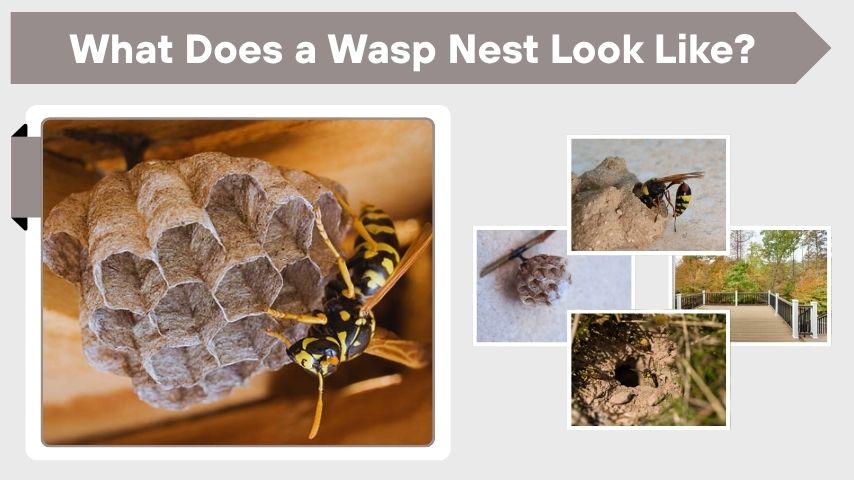
Wasp nests come in many shapes, sizes, and materials depending on the species. Some nests look like gray paper balls hanging from trees, while others appear as small holes in the ground or mud tubes attached to walls. The appearance of a nest can also change as the colony grows from a tiny starter nest into a large structure filled with thousands of wasps.
Learning what a wasp nest looks like can help you identify active colonies early and avoid dangerous encounters. Different nest styles also make it easier to recognize the type of wasp living nearby.
What Is a Wasp Nest?
A wasp nest is a protective structure built by wasps to raise their young and shelter the colony. Most nests are made from wood fibers, mud, or soil depending on the species. Some wasps build hanging paper nests, while others create underground tunnels or mud chambers.
The nest acts as the center of the colony, providing space for eggs, larvae, worker wasps, and the queen.
Why Wasps Build Nests
Wasps build nests to protect their developing larvae from predators and changing weather conditions. The nest also provides a secure place where the queen can lay eggs and workers can care for young wasps.
As the colony grows during spring and summer, the nest expands to create additional chambers and living space.
Materials Used to Build Wasp Nests
Different wasp species use different materials when constructing their nests. Common nesting materials include:
- Wood fibers chewed into paper pulp
- Mud collected from wet soil
- Saliva used as a binding material
- Soil and underground tunnels
- Plant fibers and natural debris
These materials help create strong and protective nest structures.
Where Wasp Nests Are Commonly Found
Wasp nests can appear in many hidden or sheltered areas around homes and gardens. Common nesting locations include:
- Roof eaves
- Trees and bushes
- Attics and lofts
- Underground burrows
- Garages and sheds
- Wall cavities
The exact location usually depends on the species and surrounding environment.
What Does a Wasp Nest Look Like at the Beginning?
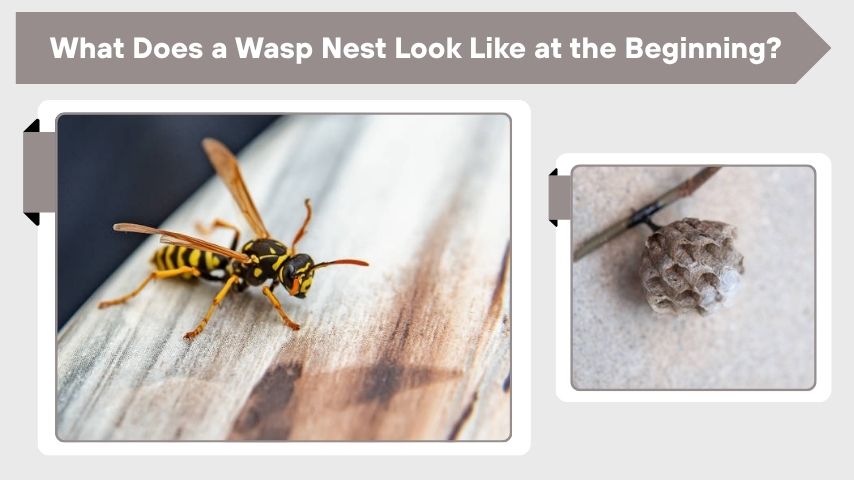
A new wasp nest starts very small and is usually built by a single queen in spring. Early nests often go unnoticed because they may only contain a few cells and a handful of wasps.
As worker wasps hatch and begin helping with construction, the nest rapidly increases in size throughout the season.
How a Queen Starts the Nest
The queen begins by collecting wood fibers or other building materials. She chews the fibers into a paper-like pulp and shapes the first few hexagonal cells. These cells hold the earliest eggs and larvae.
At this stage, the queen handles all nest-building and food gathering alone until the first workers emerge.
What a Small New Wasp Nest Looks Like
A small starter nest usually resembles a tiny gray paper structure hanging from a thin stalk. Most early nests are about the size of a golf ball or smaller.
Common features of a new nest include:
- Open hexagonal cells
- Thin paper texture
- Light gray or brown color
- Small hanging stalk
- Very few visible wasps
These nests are often attached beneath roofs, porch ceilings, or branches.
How Wasp Nests Grow Over Time
Once worker wasps mature, nest construction speeds up significantly. New layers and chambers are added to support the growing colony. Some nests become enclosed with a protective outer shell, while others remain open and exposed depending on the species.
Large nests may eventually contain hundreds or even thousands of wasps by late summer.
What Does a Paper Wasp Nest Look Like?
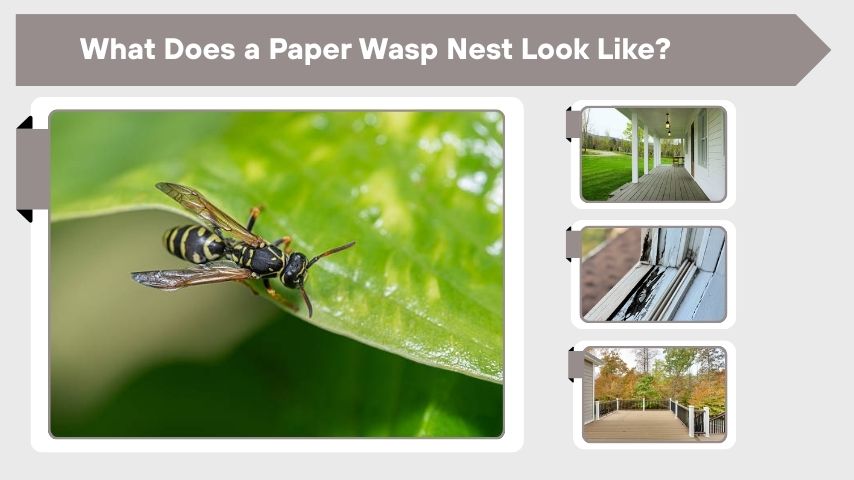
Paper wasp nests are among the easiest wasp nests to recognize because of their open comb structure. Unlike enclosed hornet nests, paper wasp nests expose their hexagonal cells without covering them completely.
These nests are lightweight but surprisingly strong because they are made from chewed wood fibers mixed with saliva.
Shape and Structure of Paper Wasp Nests
Paper wasp nests usually have an umbrella-like shape with visible open cells underneath. The nest hangs from a single narrow stalk attached to a roof, branch, or wall surface.
The exposed cells allow worker wasps to move freely while caring for eggs and larvae inside the nest.
Color and Texture of Paper Nests
Most paper wasp nests appear gray, brown, or tan depending on the materials collected by the wasps. The surface has a rough paper texture created from dried wood fibers.
Although the nest looks fragile, the layered paper material provides strength and insulation for the colony.
Common Places You May Find Paper Wasp Nests
Paper wasps prefer quiet and sheltered areas where the nest remains protected from rain and predators. They commonly build nests around homes and outdoor structures.
Frequent nesting spots include:
- Porch ceilings
- Window frames
- Deck railings
- Roof overhangs
- Barns and sheds
- Tree branches
What Does the Inside of a Wasp Nest Look Like?
The inside of a wasp nest contains organized chambers where eggs, larvae, and young wasps develop. Most nests are carefully designed with rows of hexagonal cells that maximize space and protect the colony. The structure inside depends on the species, but many nests follow a similar layered pattern.
Large nests may contain multiple comb sections stacked together and surrounded by a protective outer shell.
Hexagonal Chambers Inside the Nest
The small hexagonal cells inside a nest are used for raising young wasps. Each chamber holds a single egg or larva while worker wasps provide food and care. The hexagon shape allows the colony to fit many cells together without wasting space.
As larvae mature, they eventually develop into adult worker wasps that help expand the colony.
Layers Found Inside Large Wasp Nests
Large wasp nests often contain several comb layers connected by narrow supports. These layers create separate areas for larvae, pupae, and adult wasps. Some species build enclosed nests with paper walls surrounding the comb structure.
The outer shell helps protect the colony from weather conditions and predators while maintaining stable temperatures inside the nest.
What Lives Inside a Wasp Nest
An active wasp nest may contain thousands of insects during peak summer months. Different members of the colony perform specific roles that help the nest survive and grow.
Common occupants include:
- The queen wasp
- Worker wasps
- Developing larvae
- Pupae inside capped cells
- Newly emerged adults
The population increases rapidly as the season progresses.
What Does a Ground Wasp Nest Look Like?
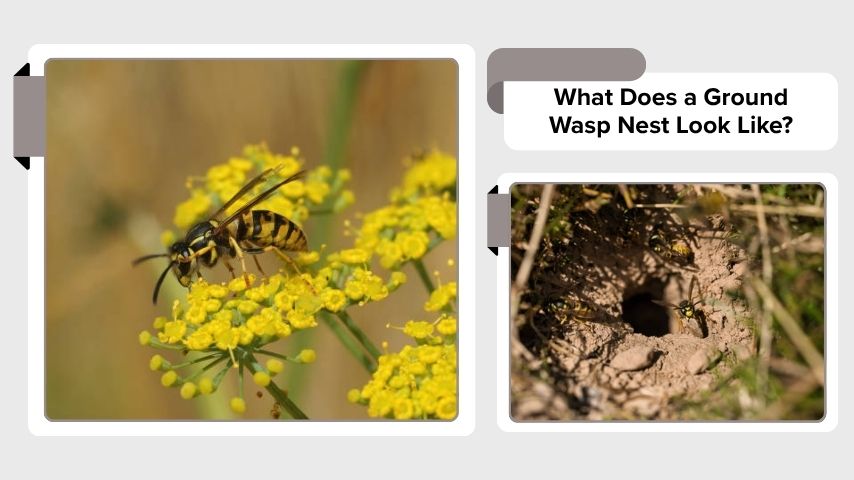
Ground wasp nests are very different from hanging paper nests because most of the structure remains hidden underground. These nests usually appear as small holes in the soil with heavy wasp activity around the entrance.
Many aggressive wasp species, especially yellowjackets, prefer underground nesting because the soil provides insulation and protection for the colony.
Appearance of Underground Nest Entrances
The visible part of a ground nest is often just a small opening in the soil. Some nests may have loose dirt or small piles of excavated soil around the entrance area.
Common signs of a ground nest include:
- Small holes in the lawn
- Wasps flying low to the ground
- Constant movement near the entrance
- Buzzing sounds from underground
- Loose soil around the opening
Ground nests can sometimes be difficult to notice until the colony becomes active.
Common Wasps That Build Underground Nests
Several wasp species build nests beneath the ground instead of hanging them from trees or buildings. These species often use abandoned animal burrows or natural soil cavities.
Ground-nesting wasps commonly include:
- Yellowjackets
- Cicada killers
- Digger wasps
- Sand wasps
- Mining wasps
Some underground colonies may contain thousands of wasps by late summer.
Why Ground Nests Can Be Dangerous
Ground wasps aggressively defend their nests when disturbed. People often accidentally trigger attacks while mowing lawns, gardening, or walking near hidden nest entrances.
Unlike bees, many ground wasps can sting multiple times, making large colonies especially dangerous for individuals with allergies.
What Does a Mud Wasp Nest Look Like?
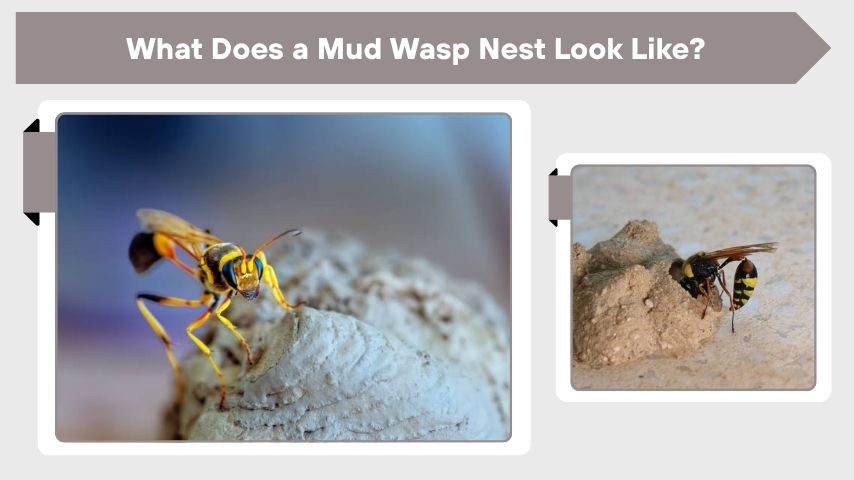
Mud wasp nests look very different from paper nests because they are made from wet soil instead of chewed wood fibers. These nests usually appear as rough clay tubes or small mud clumps attached to walls and ceilings.
Mud daubers and similar wasps are solitary insects, so their nests are much smaller than social wasp colonies.
Shape of Mud Wasp Nests
Mud nests often look like narrow tubes, rounded chambers, or uneven lumps of dried clay. The exact shape depends on the species and nesting location.
Some mud nests resemble rows of connected pipes, while others appear as single mud cells attached to surfaces.
Where Mud Wasps Build Their Nests
Mud wasps prefer sheltered locations where rain and wind are less likely to damage the nest. They commonly build nests around homes, garages, and outdoor structures.
Frequent nesting locations include:
- Garage walls
- Barn ceilings
- Porch corners
- Sheds
- Attic spaces
- Under roof overhangs
The nests harden as the mud dries, creating durable protective chambers.
How Mud Nests Differ From Paper Nests
Mud nests are thicker, rougher, and heavier than paper nests. Paper nests usually have visible hexagonal cells, while mud nests appear solid from the outside.
Unlike large social colonies, mud wasps usually build small individual chambers where a single larva develops inside each sealed compartment.
FAQs
What does a small wasp nest look like?
A small wasp nest usually appears as a tiny gray paper structure with a few open hexagonal cells. Early nests are often no larger than a golf ball.
What does the inside of a wasp nest look like?
Inside a wasp nest are rows of hexagonal chambers used for eggs, larvae, and pupae. Large nests may contain several layered comb sections.
What does a ground wasp nest look like?
Ground nests often appear as small holes in soil with wasps constantly flying in and out. Some entrances may have loose dirt nearby.
What does a mud wasp nest look like?
Mud wasp nests look like clay tubes or rough mud clumps attached to walls, ceilings, garages, or sheds.
What does a paper wasp nest look like?
Paper wasp nests have an umbrella-like shape with exposed hexagonal cells. They are usually gray or brown and hang from a thin stalk.