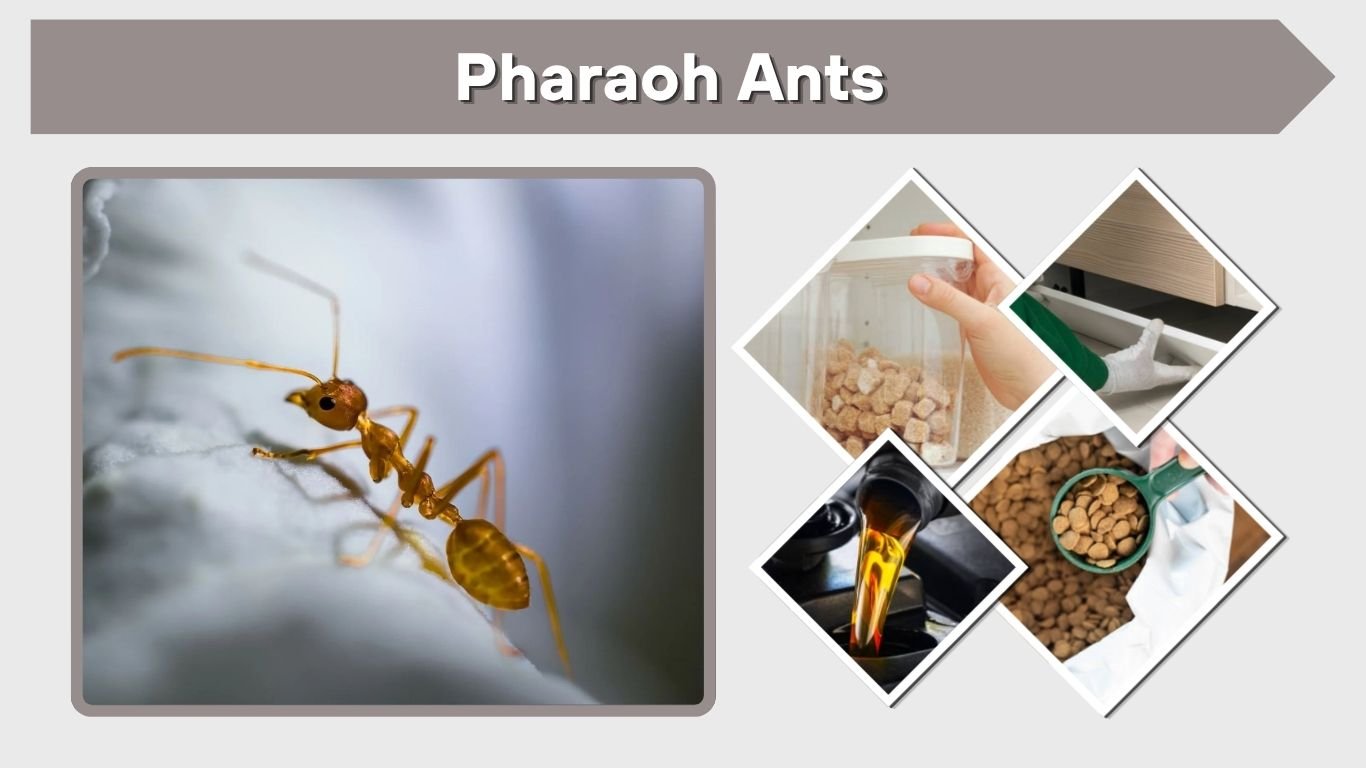
Pharaoh ants are tiny indoor pests that can spread rapidly through homes, apartments, hospitals, restaurants, and other heated buildings. Their small size allows them to nest inside walls, appliances, cabinets, and other difficult-to-reach spaces. More importantly, using the wrong treatment can cause one colony to split into several new colonies. Successful control depends on correct identification, careful sanitation, and slow-acting ant bait rather than repellent sprays.
What Are Pharaoh Ants?
The Pharaoh ant, scientifically known as Monomorium pharaonis, is a small ant species found worldwide. Although its exact native range is uncertain, it is thought to have originated in a tropical region. In cooler climates, it survives mainly inside heated buildings where food, moisture, and stable temperatures are available.
Unlike many outdoor ants, Pharaoh ants can complete their entire life cycle indoors. Colonies may contain several queens and range from a few dozen individuals to hundreds of thousands. Large infestations often consist of numerous connected nests spread through different rooms or neighboring units.
| Feature | Description |
| Scientific name | Monomorium pharaonis |
| Worker size | About 1.5–2 millimeters |
| Worker color | Pale yellow to reddish brown |
| Abdomen | Usually darker than the rest of the body |
| Colony structure | Multiple queens and connected nests |
| Common locations | Walls, cabinets, appliances, hospitals and apartments |
| Main concern | Food contamination and possible movement of microorganisms |
| Best control | Slow-acting ant bait |
What Do Pharaoh Ants Look Like?
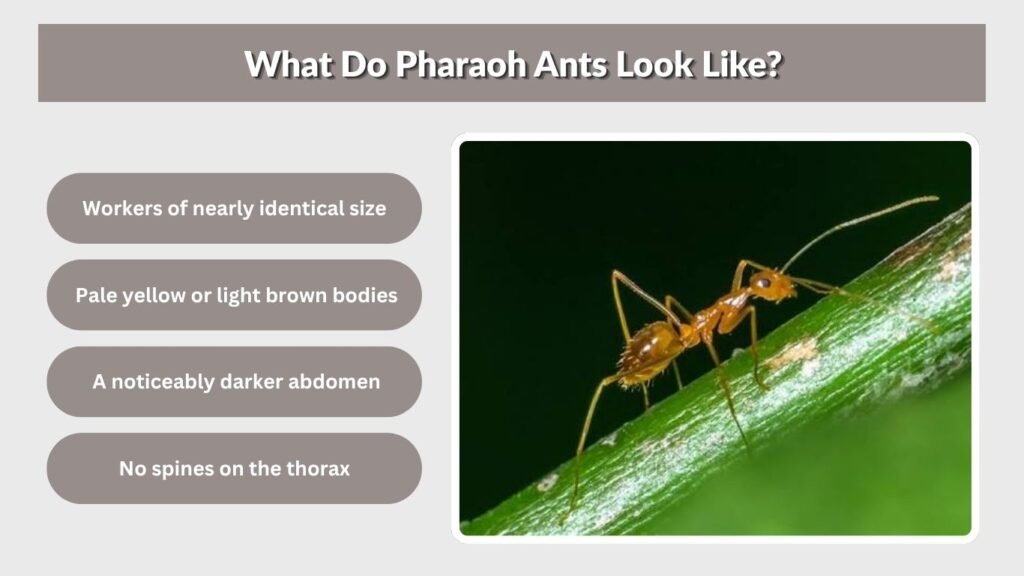
Pharaoh ant workers are approximately 1/16 inch long, making them much smaller than most familiar household ants. Their bodies are usually pale yellow, golden, or light reddish brown. The rear portion of the abdomen is commonly brown or almost black.
Identification Features
Look for the following characteristics:
- Workers of nearly identical size
- Pale yellow or light brown bodies
- A noticeably darker abdomen
- Twelve-segmented antennae ending in a three-segmented club
- Two small nodes between the thorax and abdomen
- No spines on the thorax
- Narrow trails of extremely small ants
Queens are larger and darker than workers. Because Pharaoh ants resemble thief ants and several other tiny species, identification by a pest-management professional may be necessary before treatment begins.
Where Do Pharaoh Ants Live?
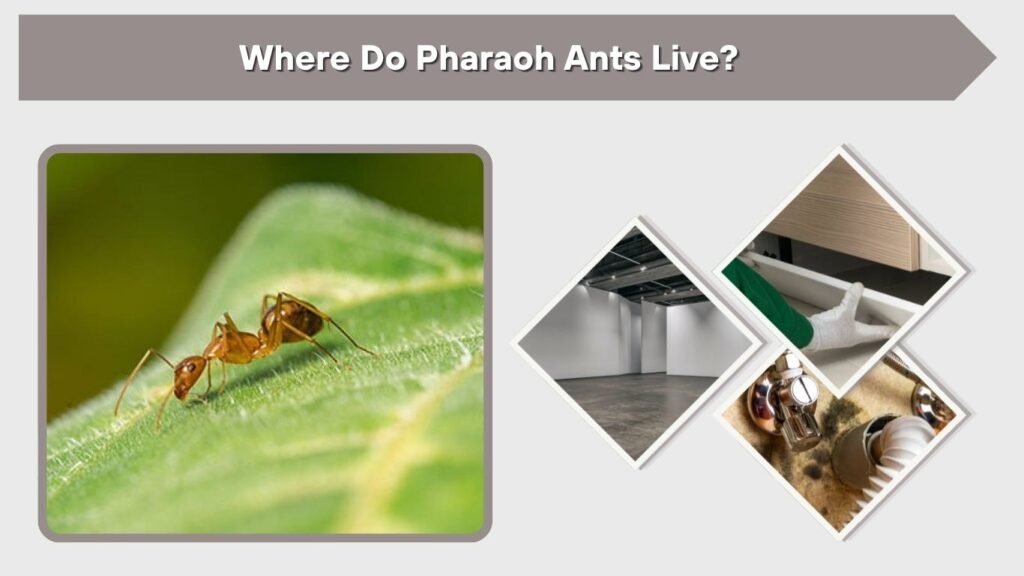
Pharaoh ants prefer warm, humid places close to food and water. Indoor nests are commonly established in protected spaces that remain undisturbed.
Common Nesting Locations
They may nest:
- Inside wall and ceiling voids
- Behind baseboards and cabinets
- Around heating pipes
- Near sinks and plumbing
- Inside electrical outlets
- Behind refrigerators and ovens
- Within furniture or stored materials
- Around laundry rooms and bathrooms
- Inside medical or food-service buildings
The ants do not excavate or consume wood. However, they can occupy existing cracks, insulation, hollow doors, and other structural cavities. Their ability to establish many small nests makes the original colony difficult to locate.
What Do Pharaoh Ants Eat?
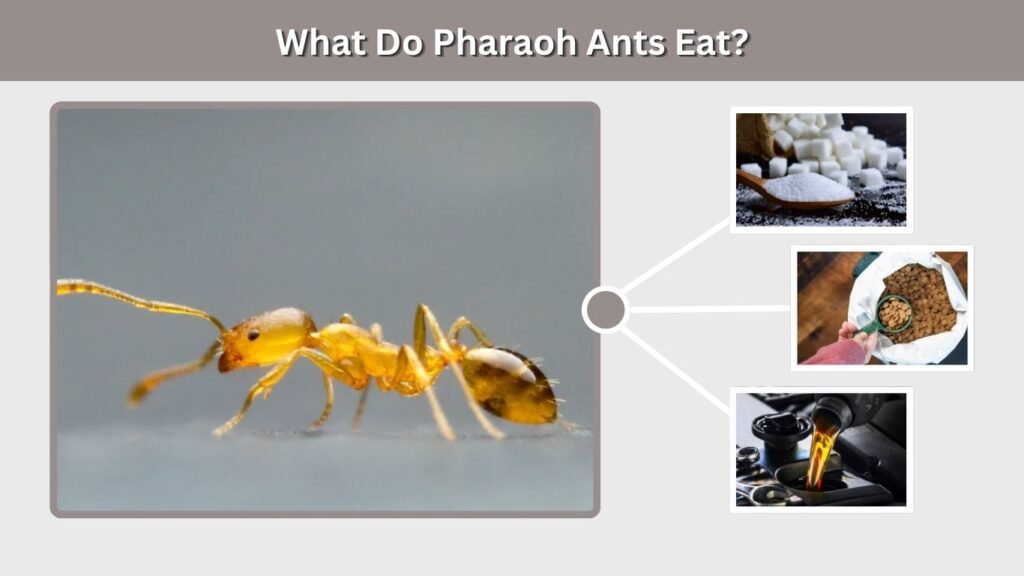
Pharaoh ants have a broad diet. Workers may collect sugar, syrup, fruit, baked goods, grease, meat, dead insects, pet food, and other protein-rich materials. Their preferences can change depending on the nutritional needs of the queens, workers, and developing larvae.
This changing appetite is important during control. Ants that ignore a sweet bait may be seeking fats or proteins at that time. A properly labeled bait program may therefore require different bait formulations rather than one product placed in a single location.
Are Pharaoh Ants a Health Risk?
Pharaoh ants are more than an unpleasant household nuisance. Their small bodies allow them to move between rubbish, drains, bathrooms, kitchens, stored food, medical equipment, and patient-care areas.
Researchers and public-health guidance have recognized their potential to act as mechanical carriers of microorganisms in hospitals. However, finding microorganisms on ants does not mean every household infestation will cause disease. The greatest concern is in hospitals, care facilities, food-preparation areas, and places occupied by medically vulnerable people.
Food Contamination
Pharaoh ants can crawl over exposed food, utensils, counters, cupboards, and food packaging. Any food heavily invaded by ants should be discarded. Containers should be cleaned before being returned to cupboards.
Risks in Healthcare Buildings
Hospitals and care homes require greater caution because ants may enter treatment rooms, sterile areas, wounds, intravenous equipment, or stored medical supplies. CDC infection-control references include research examining Pharaoh ants as possible pathogen vectors in hospitals.
Do Pharaoh Ants Bite?
Pharaoh ants are not considered aggressive toward people. They may bite or sting under unusual circumstances, but they are not normally associated with serious skin injuries. Their contamination potential is generally a greater concern than their direct physical effects.
Why Pharaoh Ants Are Difficult to Eliminate
Pharaoh ants reproduce mainly through a process called budding. Workers leave an established nest with brood and one or more queens, then create another nest nearby. Budding may occur when a colony becomes crowded or is stressed by disturbances, temperature changes, lack of food, or inappropriate pesticide treatment.
As a result, spraying visible ants can make an infestation more widespread. One disturbed nest may separate into several colonies located in different wall voids, rooms, or apartments.
How to Get Rid of Pharaoh Ants
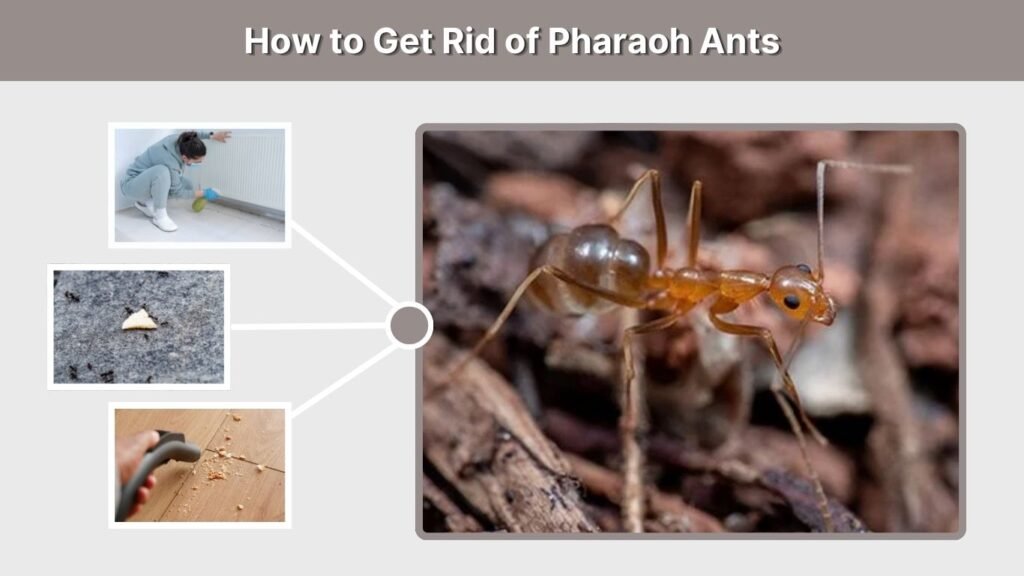
The safest general strategy is to use bait that workers carry back and share throughout the colony. Because infestations may extend beyond the visible room, treatment requires patience and consistent monitoring.
1. Confirm the Species
Do not assume every small yellow ant is a Pharaoh ant. Thief ants and other indoor species may look similar but require different management. Collect a few ants in a sealed container or take clear close-up photographs for professional identification.
2. Do Not Use Repellent Sprays
Avoid spraying household insecticide, essential-oil repellent, or strong cleaning products directly onto active trails. Sprays may kill visible workers but fail to reach the queens. They can also scatter the colony and interfere with bait feeding. EPA pest-management guidance specifically warns against spraying while using ant baits.
3. Use Slow-Acting Bait
Choose a ready-to-use product whose label permits indoor use and lists Pharaoh ants or the intended ant species. Place small bait stations or gel placements beside active trails, near cracks, and around suspected nesting areas.
Workers must survive long enough to carry the bait into the colony and share it with queens and brood. Killing workers immediately defeats this process. Baits placed near each confirmed activity area are more effective than a single station placed in the center of a room.
4. Monitor Bait Acceptance
Check the bait regularly. Replace it when it dries, becomes contaminated, or is completely consumed. Temporary increases in ant activity around bait are normal because workers are recruiting nestmates to the food.
Do not move or kill the ants while they are feeding. When one bait is ignored, a professionally selected alternative containing a different food base may be needed.
5. Remove Competing Food and Water
Store food in sealed containers, wipe up spills, clean grease, rinse recycling, and avoid leaving pet food out overnight. Repair leaking pipes and dry wet areas around sinks and appliances.
Do not clean directly beside an active bait placement while ants are feeding. Clean other surfaces and remove competing food so that the bait becomes the colony’s most convenient food source.
6. Treat the Entire Building When Necessary
In apartments, hotels, hospitals, and connected properties, treating only one room may push activity into nearby units or leave connected nests untouched. A coordinated building-wide inspection and baiting program is often necessary.
Property managers should be informed early so that neighboring rooms or apartments can be inspected. Healthcare and food-service infestations should be managed by qualified professionals familiar with sensitive environments.
How Long Does Treatment Take?
Pharaoh ant control is rarely immediate. Visible activity may decline within days, but complete control can take several weeks or longer because the bait must affect multiple queens and hidden nests. Continued monitoring is important even after trails disappear.
Preventing Pharaoh Ants From Returning
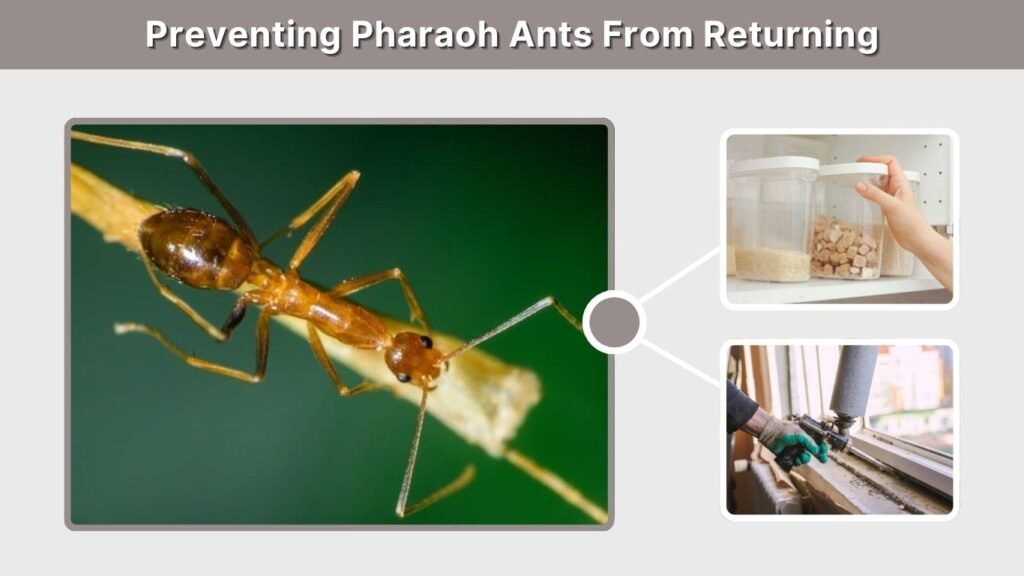
After activity has stopped, seal gaps around pipes, cabinets, baseboards, windows, and electrical lines. Store food securely, manage indoor moisture, and inspect packages, plants, furniture, or appliances brought into the building.
Regular monitoring is especially important in apartment buildings, hospitals, restaurants, bakeries, and care facilities where warmth and dependable food allow colonies to survive throughout the year.
FAQs
Why do Pharaoh ants suddenly appear?
A hidden colony may have discovered food or water, or ants may have moved because their original nesting area became disturbed. Their nests can remain unnoticed inside walls for long periods before workers begin appearing on counters and floors.
What is the best way to kill Pharaoh ants?
Slow-acting bait is generally preferred because workers distribute it to queens, larvae, and other ants. Contact sprays usually kill only visible workers and may encourage colony budding, making the infestation more difficult to eliminate.
Why are Pharaoh ants ignoring the bait?
Their food preference may have shifted from sugar to protein or fat. The bait might also be stale, contaminated, placed away from the trail, or competing with exposed food. Avoid creating homemade pesticide mixtures and use only properly labeled products.
Can Pharaoh ants spread disease?
They may mechanically transport microorganisms after moving across contaminated surfaces, which is particularly concerning in healthcare and food-handling environments. This potential does not mean that every Pharaoh ant carries disease or that seeing one ant will make someone ill.
Should I call a professional exterminator?
Professional treatment is advisable when ants appear in several rooms, repeatedly return, occupy multiple apartments, or occur in a hospital, care home, restaurant, or childcare facility. These infestations often require coordinated bait placement and long-term monitoring.