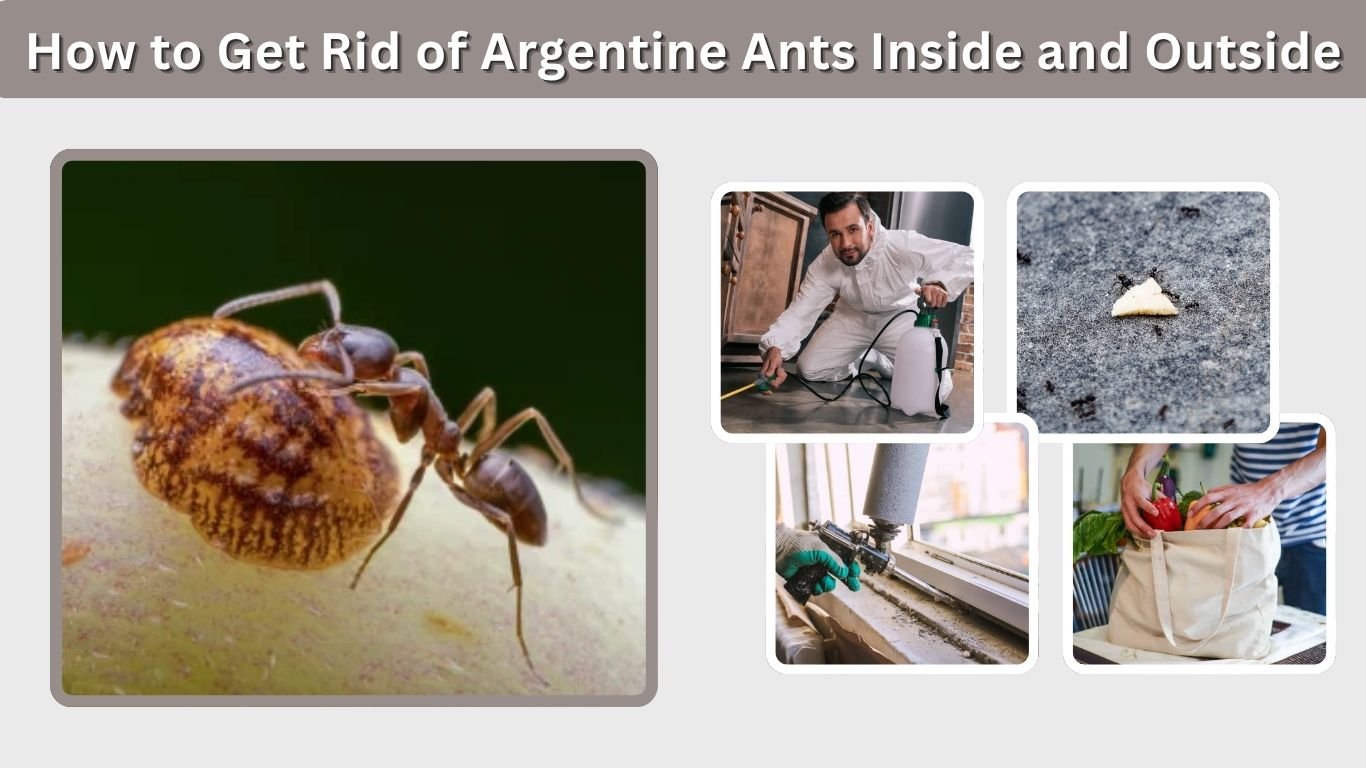
Argentine ants can be difficult to eliminate because a single infestation may contain many queens spread across several connected nests. Killing the ants visible on a kitchen counter rarely solves the underlying problem. Effective control requires slow-acting bait, removal of food and water, treatment of outdoor activity, and sealing of entry points. This guide explains how to get rid of Argentine ants in your house, yard, garden, or RV while reducing the chance that they return.
Why Argentine Ants Are Hard to Eliminate
Argentine ants live in large, cooperative colonies that commonly contain multiple queens. Nearby nests may exchange workers and food rather than fighting each other, allowing an infestation to spread across an entire property. Control can therefore take several weeks and may require continued baiting.
Spraying the visible trail provides only temporary relief. Contact insecticides may kill foraging workers without reaching queens and developing ants inside protected nests. Disturbing a colony can also cause surviving ants to relocate or divide into additional nesting sites.
| Control method | Expected effectiveness |
| Slow-acting liquid bait | High when ants accept it |
| Cleaning and sanitation | Essential supporting step |
| Sealing entry gaps | Helps prevent reinvasion |
| Moisture reduction | Makes buildings less attractive |
| Contact spray alone | Usually temporary |
| Natural repellents alone | Limited colony control |
| Professional treatment | Best for widespread infestations |
How to Get Rid of Argentine Ants With Baits
Baiting is usually the most effective way to target the entire colony. Worker ants collect the bait and share it with other workers, larvae, and queens. Argentine ants strongly prefer sweet liquid foods, so liquid or gel baits are often more attractive than dry granular products. UC Integrated Pest Management recommends refillable liquid bait stations for severe Argentine ant infestations.
Choose the Correct Bait
Select a slow-acting ant bait whose label specifically lists Argentine ants or sweet-feeding household ants. The bait must work slowly enough for workers to return to the colony before dying.
Commercial bait products may contain active ingredients such as borates or other registered insecticides. Availability and permitted ingredients vary by country, so read the complete label before purchasing or applying a product.
Find Active Trails
Follow the ants to determine where they are entering and where they are traveling. Common routes include:
- Along baseboards and countertops
- Beneath sinks and cabinets
- Around windows and doors
- Beside plumbing and electrical lines
- Along exterior walls and foundations
- Under flowerpots, stones and paving
Place bait stations beside active trails rather than directly blocking them. The goal is to let workers discover the food and carry it back to their nests.
Keep the Bait Fresh
Liquid bait may dry out, become contaminated or run empty. Check stations regularly and refill or replace them according to the label.
Ant numbers may temporarily increase after bait placement because more workers are being recruited to the food source. This is normally a positive sign. Avoid killing the ants feeding at the station.
Do Not Spray Around Bait
Repellent sprays, strong cleaners and essential oils can prevent ants from approaching the station. Keep the area surrounding the bait free from other pesticides and competing food. UC IPM notes that bait works only when the ants accept and feed on it.
How to Get Rid of Argentine Ants in the House
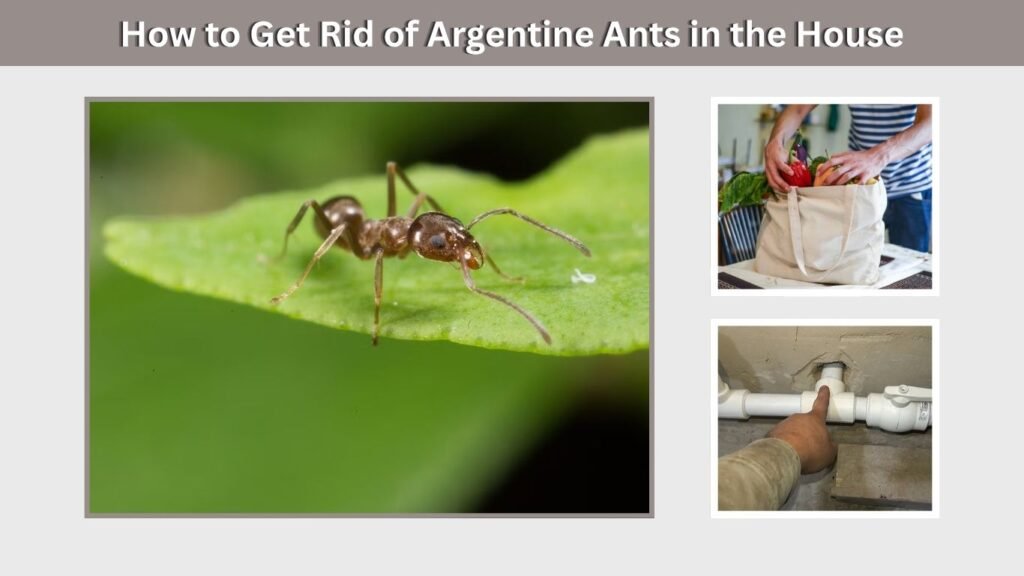
Indoor control should combine baiting with sanitation, moisture reduction and exclusion.
Remove Food Sources
Argentine ants are especially attracted to sugary liquids but may also collect fats, proteins, crumbs and pet food.
Clean kitchen counters, floors and dining areas daily. Store sugar, syrup, fruit and baked goods in sealed containers. Rinse recyclable bottles, empty rubbish regularly and avoid leaving pet food out overnight. The EPA recommends removing accessible food and water before relying on pesticide treatment.
Eliminate Indoor Moisture
Repair leaking pipes, taps and appliance connections. Dry the area beneath sinks and improve ventilation in bathrooms, kitchens and laundry rooms.
Argentine ants often move indoors during very dry, wet, hot or cold conditions. A reliable indoor water source can encourage them to remain inside even after food has been removed.
Seal Entry Points
After bait activity begins to decline, seal gaps around:
- Window and door frames
- Plumbing penetrations
- Utility cables
- Foundation cracks
- Wall joints
- Vents and damaged screens
Sealing too early may simply cause ants to search for another opening. First reduce the colony with bait, and then close the routes they were using.
How to Get Rid of Argentine Ants Outside
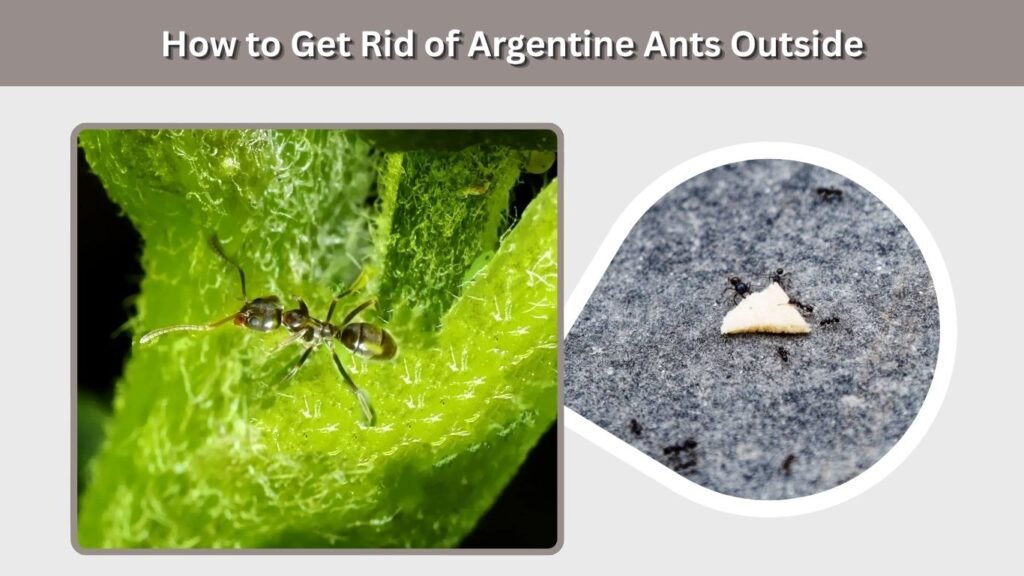
Most indoor invasions originate from outdoor nests, so exterior management is necessary for long-term control.
Place Baits Near Outdoor Trails
Position weather-resistant bait stations near foundations, patios, irrigation lines and other active trails. Keep them protected from direct sunlight, heavy rain and sprinklers.
Bait stations are preferable to leaving loose pesticide where children, pets or wildlife may reach it. Follow all label instructions and use tamper-resistant stations where exposure is possible.
Remove Nesting Materials
Reduce protected, damp nesting locations by moving:
- Boards and firewood
- Unused flowerpots
- Landscape fabric
- Thick leaf litter
- Rubbish and garden debris
- Stones touching the foundation
Keep mulch slightly away from exterior walls and avoid creating permanently wet soil beside the building.
Correct Irrigation Problems
Repair leaking hoses and irrigation fittings. Allow the soil surface to dry appropriately between watering periods, taking plant needs into account.
Do not attempt to remove all outdoor ants indiscriminately. Some native ants are beneficial predators, whereas Argentine ants can displace native species. Correct identification helps avoid unnecessary broad pesticide use.
How to Remove Argentine Ants From the Garden
Argentine ants often protect aphids, mealybugs, scale insects and whiteflies because these pests produce sugary honeydew. This relationship may increase plant damage by protecting sap-feeding insects from natural predators.
Inspect new leaves, stems and the undersides of foliage for honeydew-producing insects. Manage them with suitable horticultural methods, such as pruning badly infested growth, washing small infestations from sturdy plants or applying a properly labeled horticultural product.
Use enclosed ant bait stations near garden trails rather than applying household chemicals directly to soil or plants. Never place pesticide bait where it could contaminate edible produce, water features or animal feeding areas.
How to Get Rid of Argentine Ants Naturally
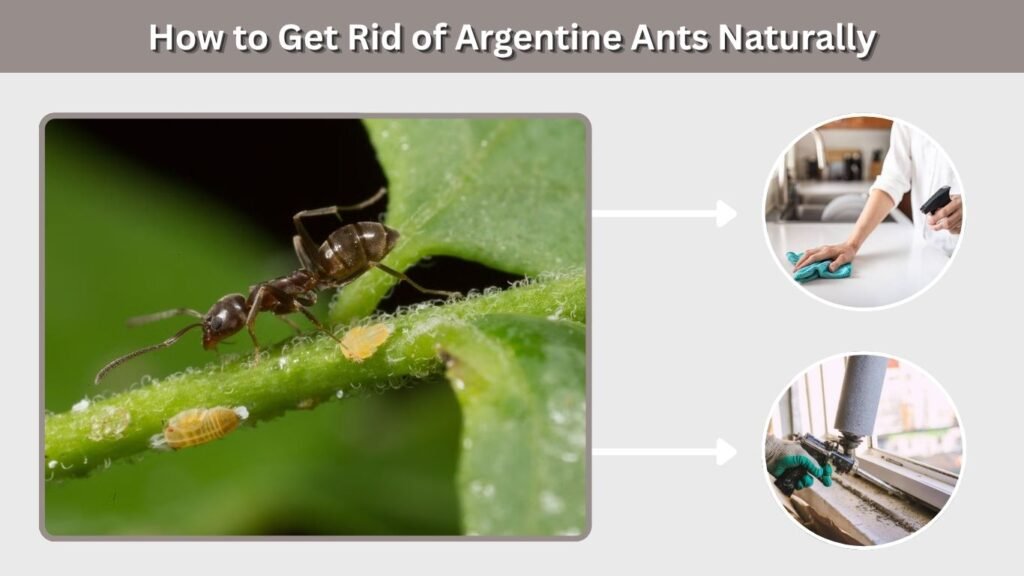
Natural methods can reduce indoor activity, but they rarely eliminate a large colony by themselves.
Clean Away Ant Trails
Wash countertops and other hard surfaces with soapy water to remove food residue and trail pheromones. This can interrupt active trails, although ants may establish a new route when the nest remains nearby.
Use Physical Barriers
Seal cracks, replace damaged screens and install door sweeps. Trim branches and vegetation that touch the building because ants can use them as bridges.
Reduce Food and Water
Sanitation, dry surfaces and moisture repairs are the safest natural controls. These steps do not poison the colony, but they make the property less suitable and improve bait performance.
Avoid relying on cinnamon, vinegar, peppermint oil or similar repellents as complete treatments. They may discourage ants from crossing a treated surface temporarily but generally do not reach the queens.
How to Get Rid of Argentine Ants in an RV
An RV offers numerous sheltered spaces, including wall cavities, storage compartments and plumbing access points.
Remove all food and vacuum crumbs from cabinets, seats and floor edges. Inspect utility connections, wheel areas and items stored beneath the vehicle. Place enclosed bait stations near trails while the RV is parked, following product directions for indoor use.
Check potted plants, outdoor mats, hoses and levelling blocks before bringing them inside. Avoid spraying cooking, sleeping or food-storage areas. Ventilate the RV and keep all pesticides inaccessible to children and pets.
What to Do About an Argentine Ant Swarm
Winged reproductive ants may appear when a colony is producing new queens and males. Vacuum visible swarmers and discard the vacuum contents outdoors in a sealed bag.
Swarming does not necessarily reveal the exact nest location. Continue inspecting for worker trails and place bait where workers are actively feeding. Repeated indoor swarms or ants emerging from wall openings may require a professional inspection.
Argentine Ant Control in Australia and New Zealand
Argentine ants are invasive pests in Australia and New Zealand, but pesticide registrations and local environmental rules differ from those in the United States. Use only products legally registered for ant control in your location and follow the national label.
Never import overseas pesticides or use an agricultural product inside a home unless its label permits that application. The EPA similarly warns against illegal or unregistered household pesticide products because they may lack tested directions and essential safety information.
When to Call a Pest-Control Professional
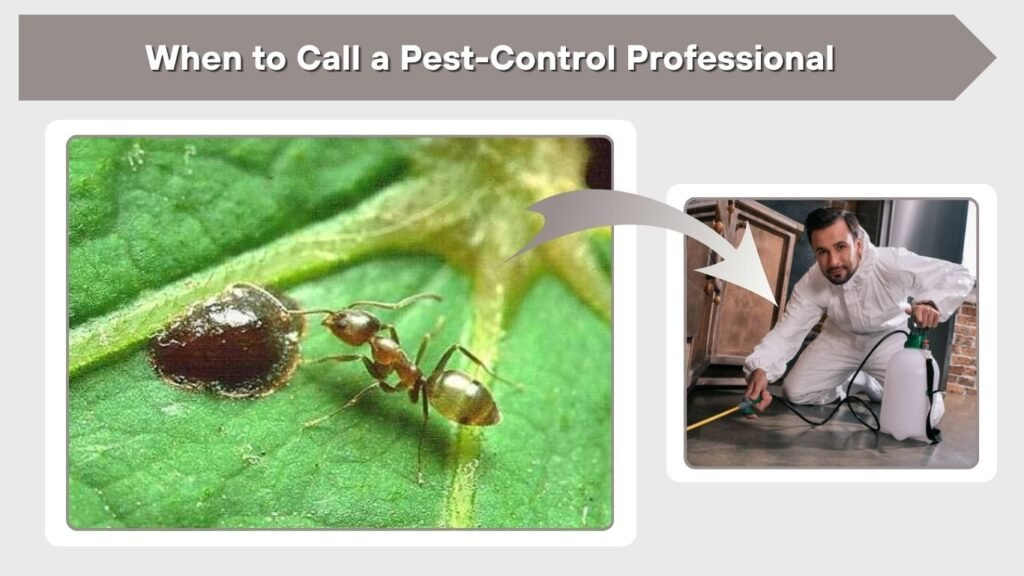
Professional assistance may be appropriate when ants occupy several rooms, repeatedly return after baiting, emerge from walls, cover a large garden or appear throughout neighbouring properties. Argentine ant control is difficult because colonies can be extensive and contain numerous queens.
Ask the technician to identify the species, explain the bait or treatment being used and describe precautions for children, pets, pollinators and edible plants.
FAQs
How long does it take to get rid of Argentine ants?
A small infestation may decline within several days, while a large network of nests can require several weeks of consistent baiting. Continue replacing bait while ants are feeding and maintain sanitation even after activity decreases.
What is the best bait for Argentine ants?
A slow-acting sweet liquid or gel bait labeled for Argentine ants is generally the best choice. Severe infestations may respond well to refillable liquid bait stations placed along active exterior trails.
Why are Argentine ants ignoring the bait?
The bait may be stale, placed away from the trail or competing with another food source. Ants’ nutritional needs can also change. Remove accessible foods, try a fresh labeled bait and reposition it beside an active route.
Will vinegar kill Argentine ants?
Direct contact may kill or repel a few workers, and cleaning with diluted vinegar may remove trail residue. However, vinegar does not normally reach the queens or eliminate the connected outdoor colonies.
Can Argentine ants return after treatment?
Yes. Nearby nests can send new workers into a treated area, especially when food, moisture or entry gaps remain. Continued outdoor baiting, moisture repair, cleaning and exclusion help reduce reinvasion.