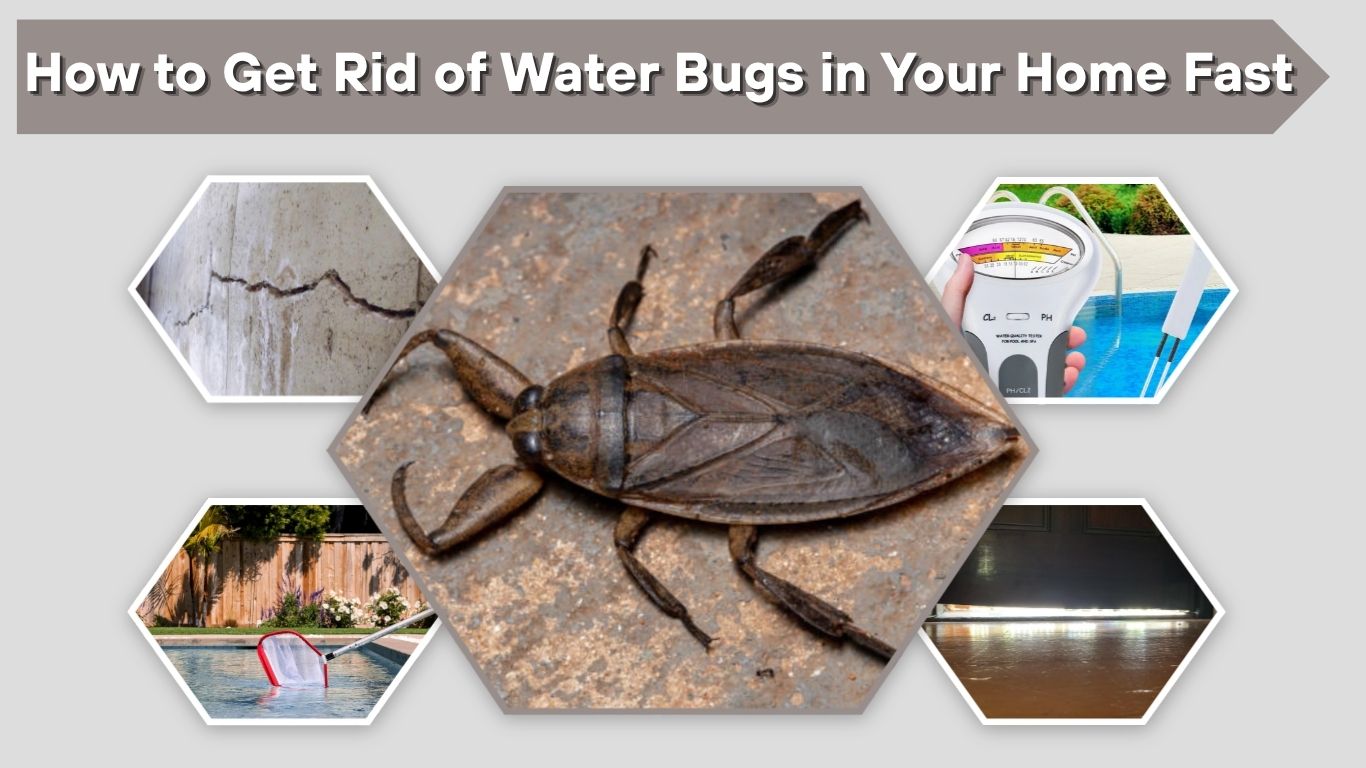
Water bugs are unpleasant to find in your home, bathroom, drains, pool, or apartment. The term “water bug” can describe true aquatic insects, but many people use it for large cockroaches that like damp spaces. The best way to get rid of water bugs is to remove moisture, block entry points, clean food sources, and treat hiding areas safely.
What Are Water Bugs, Really?
Before treating the problem, it helps to know what you are dealing with. Some insects called water bugs live near ponds, pools, and wet outdoor areas. However, when people see a big black or brown bug indoors, it is often an Oriental cockroach, American cockroach, or another roach species.
These pests prefer dark, moist areas. That is why they often show up in bathrooms, basements, laundry rooms, kitchens, garages, drains, and crawl spaces. True water bugs usually do not infest homes the same way cockroaches do, but roaches can multiply quickly if they find water, food, and shelter.
Water Bugs vs Cockroaches
| Feature | True Water Bugs | Cockroach “Water Bugs” |
|---|---|---|
| Habitat | Ponds, pools, wet outdoor areas | Bathrooms, drains, kitchens, basements |
| Infestation risk | Usually low indoors | High if food and moisture are available |
| Appearance | Often flat, aquatic-looking insects | Large brown or black roach-like body |
| Main solution | Remove from pool or outdoor water | Sanitation, sealing, drying, pest control |
How Do Water Bugs Get in the House?
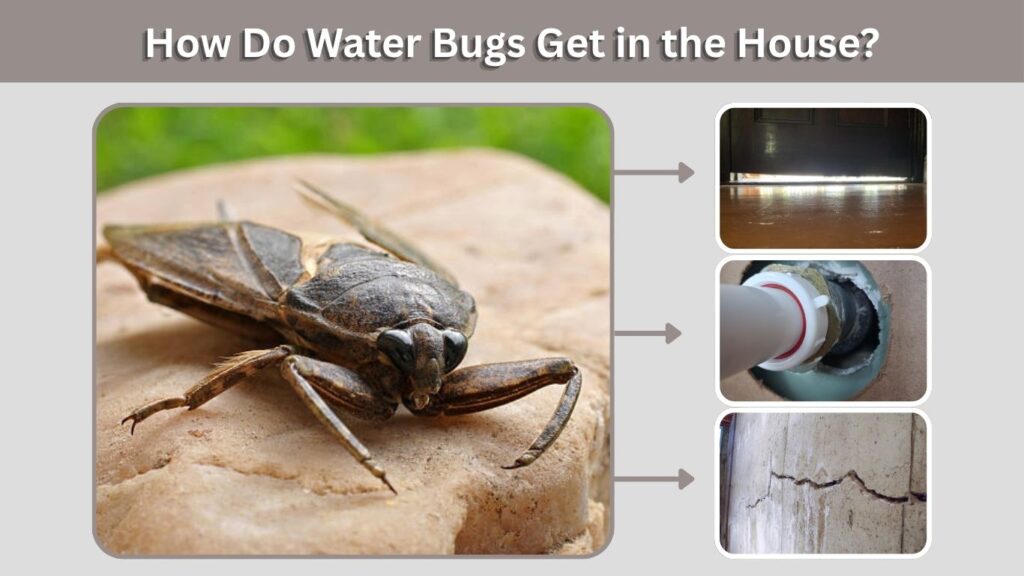
Water bugs and roach-like pests enter homes because they are searching for moisture, warmth, shelter, or food. They can squeeze through very small openings, especially around doors, pipes, drains, vents, windows, and foundation cracks.
Common entry points include:
- Gaps under exterior doors
- Cracks around basement walls or foundations
- Openings around plumbing lines
- Floor drains and sink drains
- Torn window screens
- Garage doors that do not seal tightly
- Crawl spaces, vents, and utility openings
If you see one water bug inside, it may have wandered in from outside. If you see several, especially at night, there may be a larger moisture or sanitation issue attracting them.
How to Get Rid of Water Bugs in the House
The most effective way to get rid of water bugs in your house is to combine cleaning, moisture control, sealing, and targeted treatments. Spraying one visible bug may solve the moment, but it will not stop more from coming in.
Remove Food Sources
Water bugs and roaches can survive on crumbs, grease, pet food, trash, and organic buildup. Start by removing anything that attracts them.
- Wipe kitchen counters every night
- Sweep or vacuum crumbs from floors
- Store dry food in sealed containers
- Do not leave dirty dishes overnight
- Empty trash regularly
- Clean under appliances
- Pick up pet food after feeding
Pay close attention to kitchens and dining areas. Even small amounts of grease behind the stove or food under the refrigerator can keep pests coming back.
Reduce Moisture
Water bugs are strongly attracted to damp spaces. Fixing moisture problems is one of the best long-term solutions.
Check for:
- Leaky pipes under sinks
- Standing water near tubs or showers
- Damp basements
- Wet crawl spaces
- Condensation near windows
- Slow-draining sinks
- Dripping outdoor faucets
Use a dehumidifier in basements or humid rooms. Keep bathroom fans running after showers, and dry wet floors quickly. Without steady water, roach-like water bugs have a much harder time surviving indoors.
Seal Entry Points
After cleaning and drying the home, seal the places where bugs enter. This step is especially important if water bugs keep appearing even after you kill the ones you see.
Use caulk, weatherstripping, door sweeps, and mesh covers where needed. Seal cracks around pipes, vents, baseboards, windows, and exterior doors. Repair damaged screens and close gaps around garage doors.
How to Get Rid of Water Bugs in the Bathroom
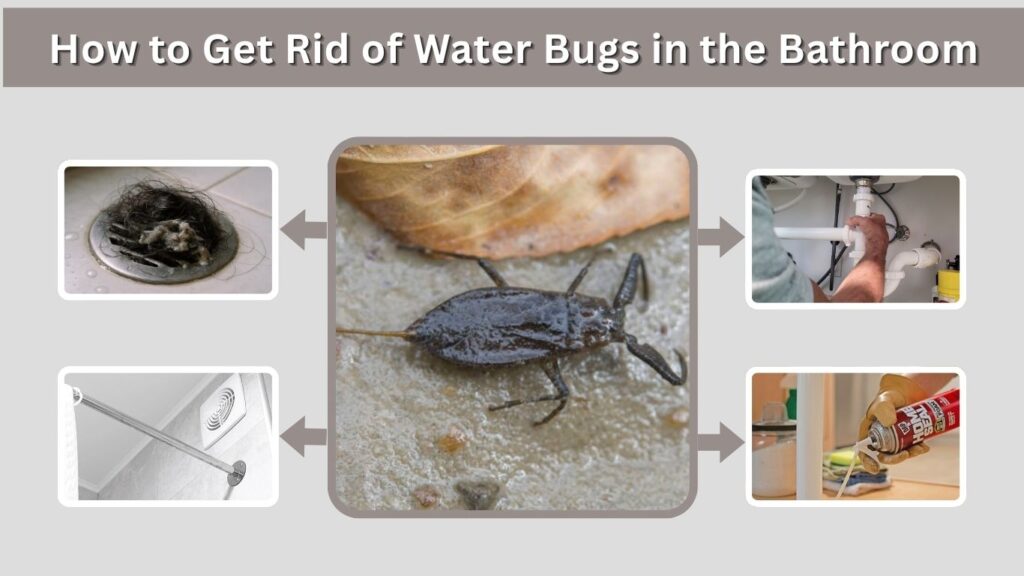
Bathrooms attract water bugs because they offer moisture, warmth, and hiding places. If you see water bugs in the bathroom, inspect drains, pipes, cabinets, and wall gaps.
Start with these steps:
- Clean hair, soap scum, and buildup from drains
- Fix leaks under the sink or behind the toilet
- Keep the floor dry after showers
- Seal gaps around pipes and baseboards
- Use a bathroom fan to reduce humidity
- Store toiletries and paper goods off the floor
You can also pour boiling water carefully down drains to loosen organic buildup, but do not rely on this alone. If bugs are coming from wall voids, plumbing openings, or nearby rooms, drain cleaning will not fully solve the issue.
How to Get Rid of Water Bugs in Drains
Water bugs may appear near drains because drains hold moisture and organic matter. However, large roaches usually do not live only inside the drain. They may use plumbing openings or gaps around pipes to move around.
To reduce drain activity:
- Scrub drain covers and sink openings
- Use a drain brush to remove buildup
- Flush drains with hot water
- Repair slow or clogged drains
- Seal gaps around plumbing penetrations
- Keep sink areas dry overnight
Avoid mixing chemical drain cleaners with other products. If the drain smells bad, backs up often, or attracts repeated pests, a plumber may need to inspect the line.
Home Remedies to Get Rid of Water Bugs
Home remedies can help reduce water bugs, especially when the problem is small. They work best when combined with cleaning, sealing, and moisture control.
Useful home methods include:
- Boric acid: Apply lightly in cracks and hidden dry areas, away from children and pets.
- Diatomaceous earth: Use food-grade powder in dry hiding spots where bugs travel.
- Sticky traps: Place behind toilets, under sinks, and near appliances to monitor activity.
- Soap and water spray: Can kill visible bugs on contact, but does not prevent more.
- Essential oils: May repel some insects briefly, but they are not a complete solution.
Home remedies are less effective for heavy infestations. If you see water bugs often, find droppings, smell a musty odor, or notice them during the day, stronger treatment may be needed.
How to Get Rid of Water Bugs in a Pool
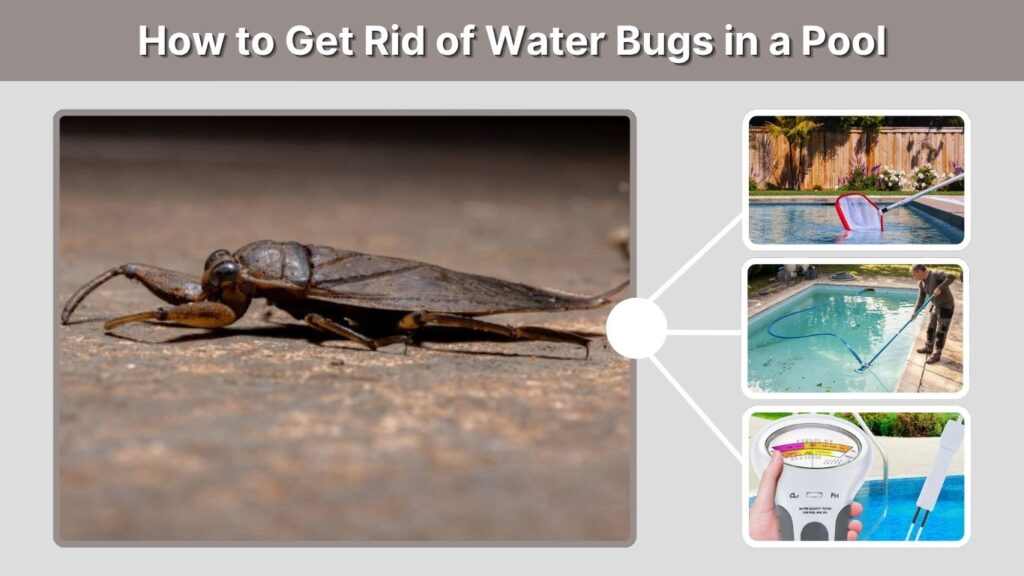
Pool water bugs are usually different from the roach-like pests found inside homes. They may include water boatmen or backswimmers. These insects often appear when algae, debris, or other small organisms are present in the pool.
To get water bugs out of a pool:
- Skim bugs from the surface with a pool net
- Brush pool walls and steps
- Vacuum the pool thoroughly
- Shock the pool if algae is present
- Balance chlorine and pH levels
- Clean the filter
- Remove leaves and organic debris
- Keep pool lights off when not needed at night
Water boatmen feed on algae, while backswimmers may feed on other small insects. Keeping the pool clean and chemically balanced is the best way to stop them from returning.
How to Keep Water Bugs Away Outside
Outdoor prevention matters because many indoor water bug problems begin outside. If your yard, patio, or foundation area is damp and cluttered, bugs may gather close to the house and eventually move indoors.
Focus on these outdoor fixes:
- Remove leaf piles, wood piles, and yard debris
- Keep mulch away from the foundation
- Repair leaking outdoor faucets
- Clean gutters and downspouts
- Make sure water drains away from the house
- Seal cracks in exterior walls
- Keep trash cans tightly closed
- Trim plants touching the home
Outdoor lights can also attract insects. Consider using yellow bug lights near doors or turning unnecessary lights off at night.
Are Big Black Water Bugs Dangerous?
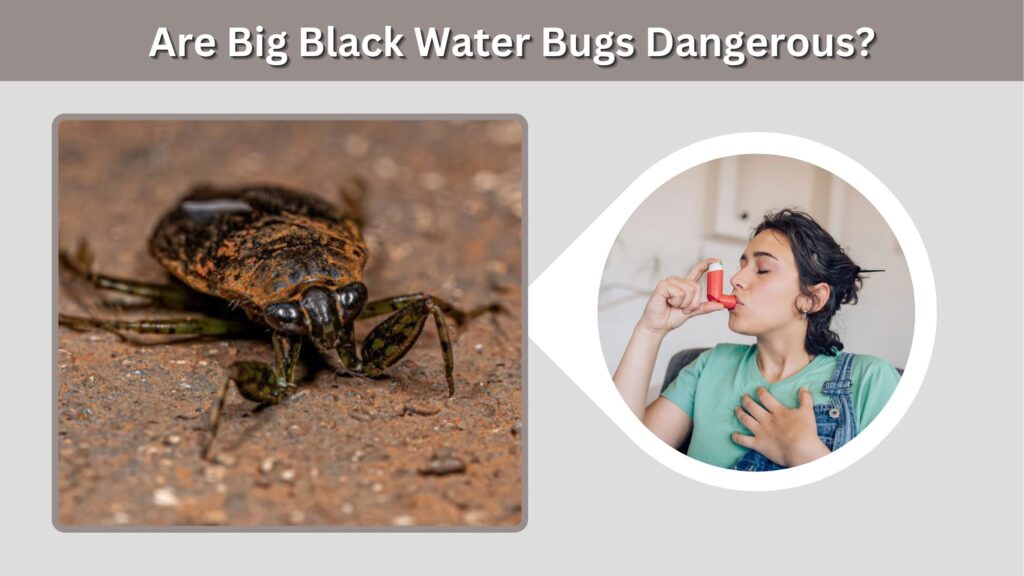
Big black water bugs can look alarming, but most are not dangerous in the way stinging insects are. The bigger concern is sanitation. If the “water bug” is actually a cockroach, it can move through dirty areas and contaminate surfaces.
Cockroach-like water bugs may trigger allergies or asthma in sensitive people. They can also indicate hidden moisture problems inside the home. Seeing one occasionally may not mean an infestation, but repeated sightings should be taken seriously.
When Should You Call Pest Control?
You can often handle a small water bug problem yourself. However, professional pest control is a better option when the infestation is recurring, widespread, or difficult to locate.
Call a professional if:
- You see water bugs every week
- Bugs appear during the daytime
- You find droppings or egg cases
- There is a strong musty odor
- DIY sprays and traps are not working
- You live in an apartment with shared walls
- Bugs keep returning from drains or basements
In apartments, water bugs may move between units through plumbing, walls, and shared utility spaces. In that case, building-wide treatment may be more effective than treating only one room.
FAQs
What is the fastest way to get rid of water bugs?
The fastest way is to kill visible bugs, place traps near activity areas, remove food, dry damp spaces, and seal entry points. Sprays may handle individual bugs, but long-term control depends on removing moisture and hiding places. For heavy activity, professional treatment is usually faster and more reliable.
Why do I have water bugs in my house?
Water bugs usually enter because they are looking for water, food, warmth, or shelter. They may come through cracks, drains, vents, doors, or plumbing gaps. Damp bathrooms, basements, kitchens, and laundry rooms are common problem areas because they provide the moisture these pests need to survive.
How do I get rid of water bugs naturally?
Natural methods include reducing moisture, cleaning food crumbs, sealing cracks, using sticky traps, applying food-grade diatomaceous earth, and carefully using boric acid in hidden dry areas. These methods work best for small problems. If bugs keep appearing, there may be a larger infestation or hidden entry point.
Do water bugs come up through drains?
Some water bugs and roach-like pests may appear near drains, but they often enter through gaps around plumbing rather than living only inside the drain. Cleaning drains can help, especially if there is organic buildup. Seal pipe openings and fix leaks to stop them from using the area as a pathway.
Are water bugs hard to get rid of?
Water bugs can be hard to get rid of if the home has moisture problems, open entry points, or hidden roach activity. A single bug is usually easy to remove, but repeated sightings need a full approach. Cleaning, drying, sealing, trapping, and targeted pest treatment usually solve the issue.