

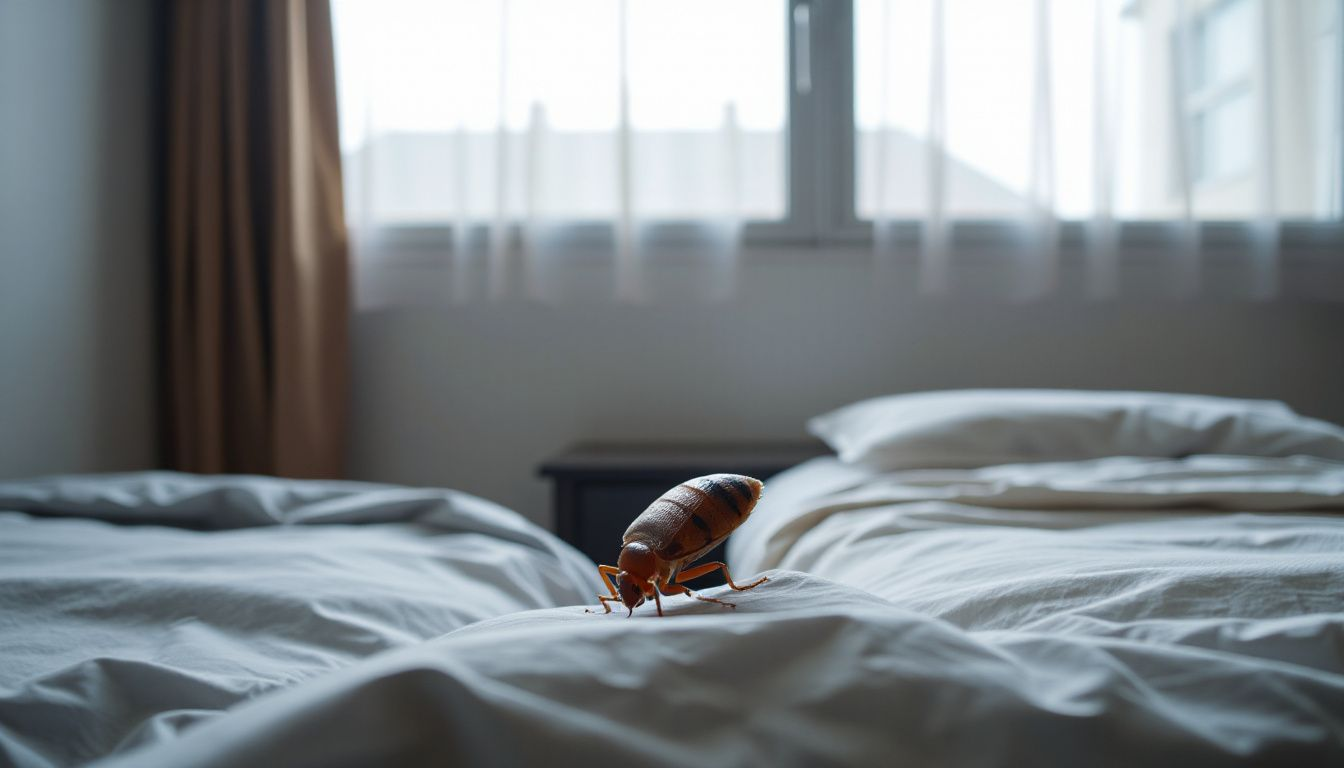
Nearly 1 in 5 travelers reports encountering bed bugs at least once, and infestations can spread from a single suitcase in days. how to get rid of bed bugs fast, from home, hotel : 7 Best ways starts with speed, containment, and choosing the right method for the setting.
Why it matters: bed bugs multiply quickly, hide in seams, and aren’t linked to cleanliness—so waiting rarely “fixes itself.” Fast action reduces bites, limits reinfestation, and lowers the odds of carrying them from a hotel back home.
Look at a common scenario: a guest notices bites after night one, checks the mattress piping, then isolates luggage in the bathtub and heat-treats clothing before returning—preventing a costly home outbreak.
- Option 1: Heat (dryer/steam) — Pros & Cons:
- Pros: Fast kill; no residue; ideal for fabrics and seams.
- Cons: Misses deep wall voids; requires correct temperature/contact time.
Best For: Renters, travelers, and quick triage.
- Option 2: Targeted insecticides (labeled for bed bugs) — Pros & Cons:
- Pros: Residual control; reaches cracks when applied correctly.
- Cons: Misuse risk; resistance varies; not for bedding surfaces.
Best For: Homeowners needing longer protection.
- Option 3: Isolation + encasements + interceptors — Pros & Cons:
- Pros: Stops feeding; monitors progress; compares well against “spray-only” approaches.
- Cons: Slower results; needs consistent setup and follow-through.
Best For: Hotels and multi-unit buildings prioritizing prevention.
Confirm It’s Bed Bugs: Signs, Bites, and Where They Hide
Before anyone treats, they need a confident ID. Bed bugs leave physical evidence that looks different than fleas or mosquitoes, and misdiagnosis wastes time.
They should check for these telltales:
- Live bugs: flat, apple-seed sized adults; pale nymphs near seams.
- Fecal spots: tiny black dots that smear like ink on fabric.
- Shed skins/eggs: translucent shells; pearl-white eggs in cracks.
Hiding zones are predictable: mattress piping, box-spring corners, headboard joints, nightstand screw holes, and luggage folds. Bites vary; clusters or lines can hint bed bugs, but skin reactions aren’t proof. A practical example: a hotel guest sees three “bites” after one night; they confirm by finding black specks along the mattress tag and a live nymph in the headboard seam.
Pros & Cons
- Pros: Prevents wrong treatment; pinpoints where to focus inspection.
- Cons: Low-level infestations are easy to miss; bites can mislead.
Best For: Renters, travelers, and homeowners deciding whether to DIY or call a pro.
Before Treatment: Contain the Infestation and Protect Clean Items
Now containment matters. The goal is to stop spread while they prepare heat, chemical, or professional treatment—especially when moving between home and hotel.
They should do these steps in order:
- Isolate the bed: pull it 6 inches from walls; remove bed skirts; keep bedding off the floor.
- Bag and seal: place clothes/linens in contractor bags; seal before leaving the room.
- Protect “clean” items: store treated items in new bags or bins with tight lids.
Comparison helps: bins protect long-term, while bags are faster for travel. Example: after a hotel stay, they keep luggage in the bathtub, bag all clothing, then run a high-heat dryer cycle at home before anything touches closets.

Pros & Cons
- Pros: Reduces cross-contamination; makes later treatment more targeted.
- Cons: Requires strict discipline; poor sealing can backfire.
Best For: Anyone preparing a fast, room-by-room response without spreading bugs to clean spaces.
Best Way 1: Heat Treatment at Home (Dryer, Steam, and Hot Wash)
Now that clean items are protected, heat becomes the fastest home-friendly kill step. Bed bugs and eggs die when exposed to sustained high temperatures, so a combined approach works better than any single tool.
Hot wash + high-heat dry is the backbone: launder infested fabrics, then run the dryer on high long enough to fully heat the load (often 30–60 minutes, depending on fabric and machine). For non-washables, a dryer-only cycle can still work. A steamer (low-vapor, high-heat tip) targets seams, tufts, and bed frame joints where sprays miss.
Example: after a hotel stay, they can bag luggage in the garage, dry all clothing on high, then steam the suitcase seams and zipper track before bringing it inside.
- Pros: Kills all life stages; fast results; chemical-free.
- Cons: Heat-sensitive items can be damaged; steam is slower; requires careful technique.
Best For: Renters and homeowners needing rapid knockdown on fabrics, bedding, and soft goods.
Best Way 2: Vacuuming + Sealing Cracks to Remove and Reduce Hiding Spots
Look, heat kills; vacuuming removes. Pairing vacuuming with crack sealing reduces the places bed bugs can retreat to, which improves every follow-up step.
They should vacuum mattress seams, bed frames, baseboards, and carpet edges using a crevice tool, then immediately seal and discard the vacuum contents (bagged vac: remove bag; bagless: empty into a bag, seal, trash outdoors). Afterward, they can seal gaps with caulk along baseboards, around door trim, and at wall-floor joints; tighten loose outlet covers and repair peeling wallpaper. Compared with heat, this method is less “instant kill,” but it sharply reduces hiding spots and re-infestation pathways.
- Pros: Low cost; reduces population quickly; improves long-term control.
- Cons: Rarely eliminates eggs alone; labor-intensive; sealing takes time to cure.
Best For: Anyone with visible harborages, older buildings, or recurring activity near baseboards and bed frames.
Best Way 3: Mattress and Box Spring Encasements (Best for Prevention)
Now that heat and vacuuming have reduced active bugs, encasements lock down the biggest hiding zone: the bed. A zippered, bed-bug-rated encasement traps any remaining bugs inside and blocks new ones from nesting in seams, tufts, and the box spring frame.
Why it matters: it turns a complex, hard-to-treat object into a smooth surface that’s easy to inspect. Compared with “spray-only” approaches, encasements reduce harborage without adding chemical exposure near sleepers.
Best For: Renters, frequent travelers, and anyone who wants prevention after a home or hotel exposure.
- Pros: Immediate prevention benefit; easier inspections; protects expensive mattresses.
- Cons: Won’t kill bugs elsewhere; cheap zippers tear; must stay on 12–18 months.
Example: after a hotel stay, they can encase the mattress at home, then place interceptor cups under bed legs to verify activity drops to zero.
Best Way 4: Desiccant Dusts (Silica Gel/DE) for Long-Lasting Control
Look, bed bugs are built to resist many sprays. Desiccant dusts—silica gel or diatomaceous earth (DE)—work mechanically by damaging the bug’s waxy coating, leading to dehydration over time.

Why it matters: dust keeps working as long as it stays dry, making it a strong “maintenance layer” after heat and vacuuming. Compared with contact sprays, it offers longer residual control, but it’s slower and placement-sensitive.
Best For: Homeowners and property managers treating cracks, voids, baseboards, and bed frames where bugs travel.
- Pros: Long-lasting; low resistance risk; effective in wall voids and crevices.
- Cons: Messy if overapplied; inhalation risk—use a duster and label PPE; ineffective when wet.
Practical use: they can apply a thin, barely visible line behind baseboards and inside outlet boxes (power off), then re-check weekly for fresh spotting.
Best Way 5: Bed Bug Sprays and Residual Insecticides (When to Use Carefully)
Now that non-chemical steps have reduced activity, targeted chemistry can help finish the job. Bed bug sprays work best as crack-and-crevice treatments, not as “whole-room” fogging. Look for products labeled for bed bugs with a residual active (commonly pyrethroids, neonicotinoids, or combination formulas), and apply only where they travel: bed frame joints, baseboards, and furniture seams.
Why it matters: residuals keep killing after they dry, which helps catch late hatchers. Compare that to contact sprays, which can miss hidden bugs and push them deeper into walls if overused.
- Pros: Residual kill, targeted precision, useful for edges and voids.
- Cons: Misuse increases exposure risk, resistance is common, overapplication can scatter bugs.
Best For: Homeowners treating light-to-moderate infestations who can follow label directions exactly. Practical example: they treat bed frame screw holes and baseboard gaps, then recheck in 10–14 days for new nymphs.
Best Way 6: Hotel Protocol—Inspect, Isolate, Treat Luggage, and Avoid Bringing Them Home
When travel is the trigger, speed comes from containment. They should inspect the bed area first: headboard seams, mattress piping, and the nightstand’s back corners. If anything looks suspicious, they request a different room far from the original (not next door) or switch hotels.
Why it matters: hotels can have isolated room issues, and luggage becomes the bridge to a home infestation. The key comparison is simple: inspecting takes minutes; de-infesting a home can take weeks.
- Pros: Prevents hitchhikers, low cost, fast to execute.
- Cons: Requires discipline, visual checks can miss early infestations, shared laundry areas add risk.
Best For: Frequent travelers and families. Real-world example: they keep luggage in the bathtub, bag worn clothes, then at home run garments through a hot dryer cycle and wipe hard-shell luggage seams before storing it off-bedroom.
Best Way 7 + Buying Guide: Traps, Interceptors, Foggers, and When to Call a Pro (Best for Severe Infestations)
Now the focus shifts to detection and escalation. For how to get rid of bed bugs fast, from home, hotel : 7 Best ways, traps and interceptors confirm activity, while pros handle heavy, multi-room spread.
Interceptors sit under bed legs to catch climbers; monitors use lures to flag low-level infestations. Avoid total-release foggers: they rarely reach harborages and can push bugs deeper into walls.
| Option | Best use | Limits |
|---|---|---|
| Interceptors | Prove bed-to-floor movement | Needs isolated bed setup |
| Monitors/traps | Early warning in hotels | Not a standalone cure |
| Foggers | Almost never | Low kill rate; dispersal risk |
Buying checklist:
- Interceptor size matches leg diameter and won’t tip.
- Textured inner wall for climbing; slick outer wall to prevent escapes.
- Talc-free design and easy-clean wells for weekly checks.
Example: after a hotel stay, they place interceptors under the bed for 10 nights; two captures signal it’s time to call a licensed bed bug pro, especially with bites in multiple rooms.
The Roundup
Now the key is choosing the right mix for the situation, not throwing everything at the problem. The fastest results come from a layered approach: immediate knockdown, targeted follow-up, and ongoing monitoring until bites and sightings stop. The goal is simple: break the life cycle and prevent reintroduction.
Choose the right path based on where they are and how widespread it is:
- Choose intensive DIY if they’re limited to one room and the resident can commit to daily checks and repeat treatments on schedule.
- Choose a hotel-first containment plan if exposure happened during travel and the priority is keeping hitchhikers out of the home.
- Choose professional help if bugs are seen in multiple rooms, bites persist after two treatment cycles, or anyone is at higher health risk.
Look, a real-world win is common: a traveler isolates luggage in a sealed bin, treats clothing immediately, and avoids seeding a bedroom infestation. Next step: pick one track above, start today, and set a 14-day calendar to verify progress before relaxing.
