Hornets and wasps are often confused because of their similar appearance and aggressive behavior. However, their nests have distinct features that can help you identify the species and take proper precautions. Recognizing the differences is important for safety, especially when dealing with large colonies near homes, gardens, or outdoor spaces. This guide covers visual cues, nest types, locations, and safety tips for handling both hornets and wasps.
Hornet Nest vs Wasp Nest Structure and Appearance
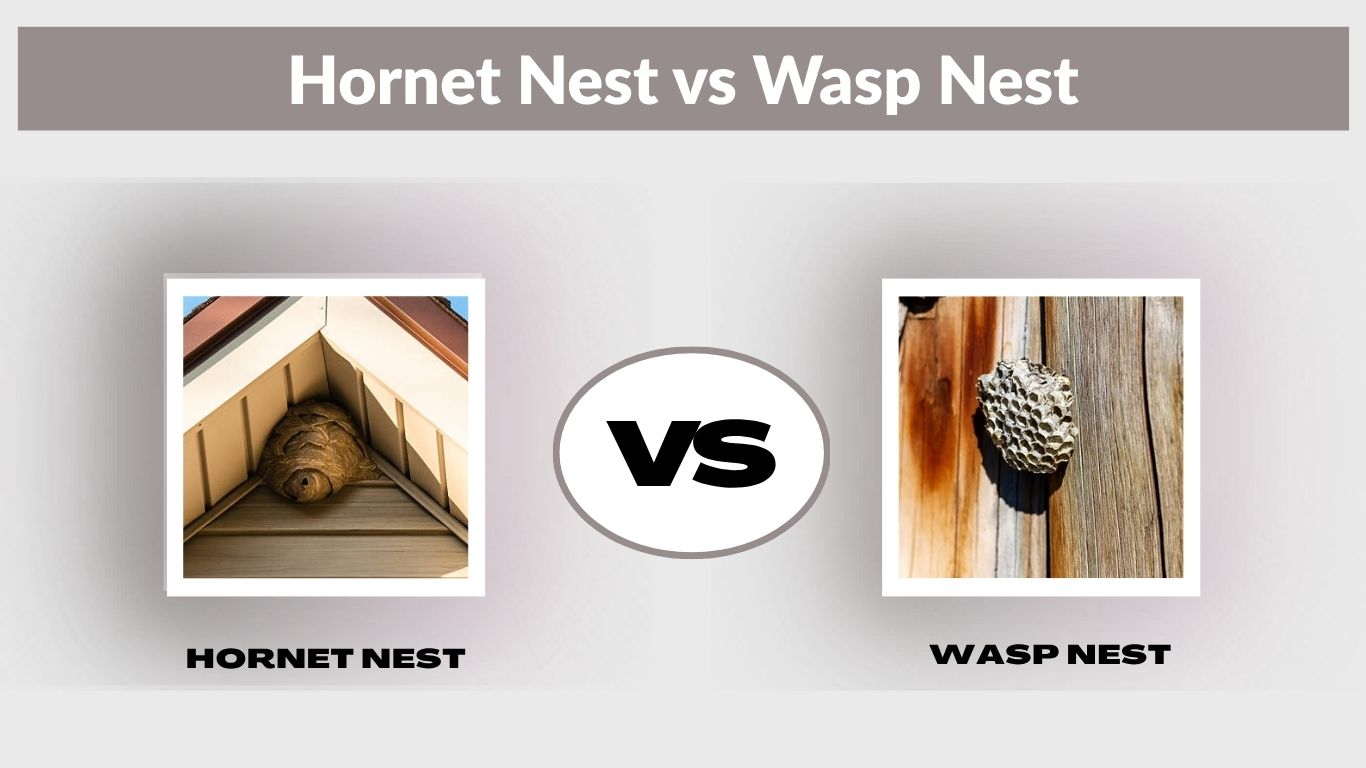
Hornet and wasp nests vary in shape, size, and texture. Observing these features can quickly indicate which insect is present. Hornet nests are generally larger, more enclosed, and paper-like, while wasp nests are smaller, with exposed combs and an open structure. Understanding these differences helps in identification and deciding the right removal approach.
Hornet Nest Characteristics
- Large, round or teardrop-shaped
- Smooth gray paper exterior
- Often hanging from tree branches or roof eaves
Wasp Nest Characteristics
- Smaller, umbrella-shaped or tubular
- Open hexagonal combs visible
- Can appear brown, yellow, or gray
Paper Texture Differences
- Hornet nests: fully enclosed, smooth
- Wasp nests: rougher, open to air
- Color and layering indicate species type
Hornet Nest vs Wasp Nest Location
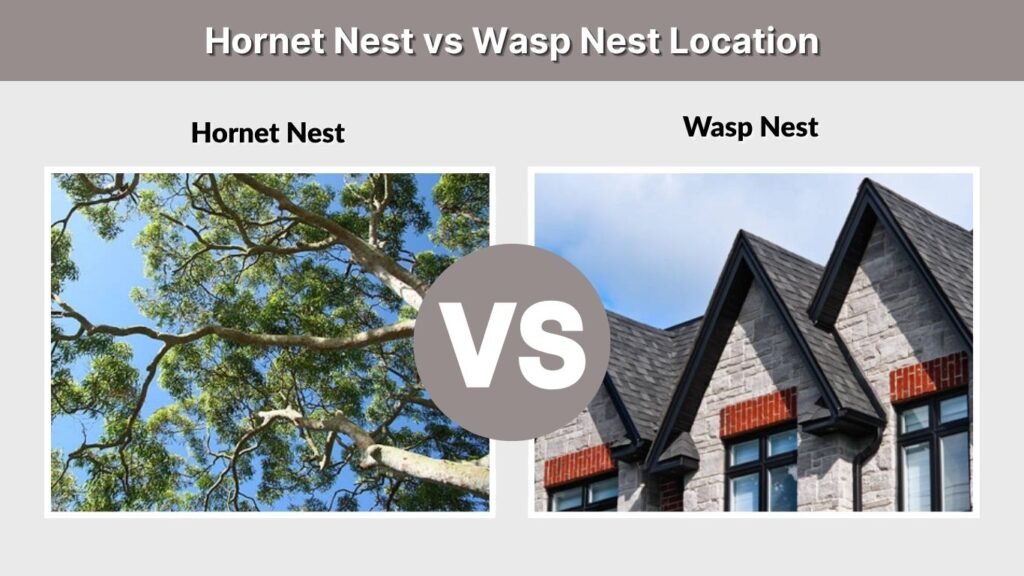
The location of a nest is a key factor in identifying whether it belongs to hornets or wasps. Hornets prefer elevated, sheltered spots, while wasps can nest in more concealed or even underground areas. Checking the typical nesting sites can reduce the risk of disturbing a colony accidentally.
Common Hornet Nest Locations
- Tree branches and shrubs
- Roof eaves and building overhangs
- High, sheltered outdoor spots
Common Wasp Nest Locations
- Roof overhangs and attics
- Cracks, crevices, and wall voids
- Underground burrows (common for yellow jackets)
Types of Nests
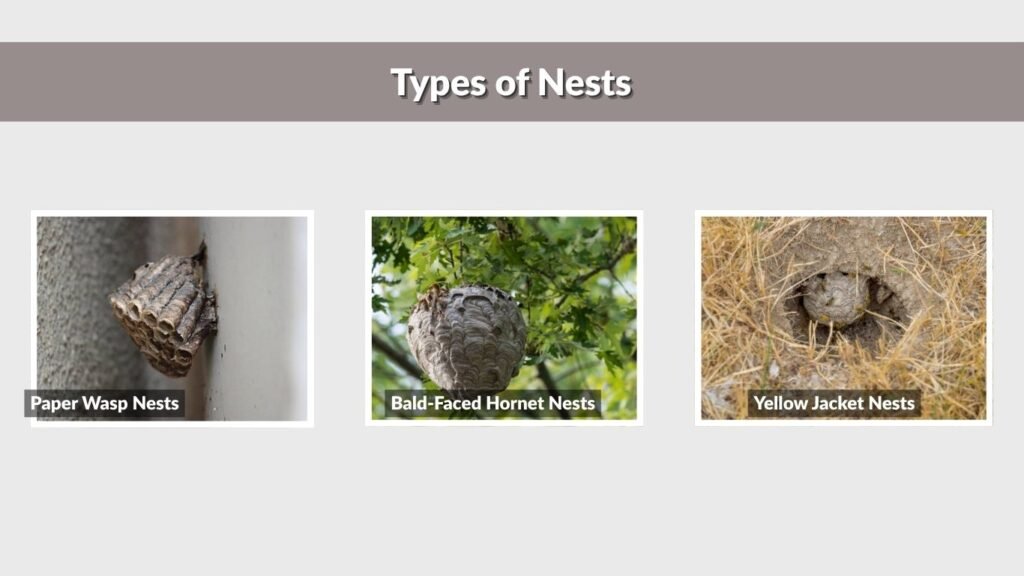
Different species of hornets and wasps build unique nest types. Recognizing the specific kind can help with identification and treatment. Popular nest types include paper wasp nests, bald-faced hornet nests, and yellow jacket nests, each with distinct construction patterns and materials.
Paper Wasp Nests
- Open, umbrella-like comb
- Usually attached under eaves or branches
- Small colonies, often under 50 insects
Bald-Faced Hornet Nests
- Large, enclosed, gray paper structure
- Football or teardrop shape
- Can house hundreds of hornets
Yellow Jacket Nests
- Hidden underground
- Covered with paper, but smaller than hornet nests
- Aggressive species with painful stings
Hornet Nest vs Wasp Nest Size Comparison
Hornet and wasp nests differ significantly in size. Hornet nests are much larger and can house hundreds of individuals, while wasp nests are smaller, often less than a foot across. Size, combined with shape and location, is an easy way to identify the nest type.
Hornet Nest Size
- Typically 1–3 feet in height
- Large spherical or teardrop shape
- Supports hundreds of hornets
Wasp Nest Size
- Usually 6–12 inches across
- Smaller, umbrella-shaped comb
- Fewer insects, less defensive unless disturbed
Hornet Nest vs Wasp Nest Colony Behavior
Hornets and wasps differ in their social behavior and aggression. Observing how the colony reacts when disturbed can help identify the species and determine the safest way to approach nest removal. Hornets tend to be more aggressive and have larger colonies, while most wasps are moderately defensive and smaller in number.
Hornet Behavior
- Highly defensive when disturbed
- Loud buzzing activity around the nest
- Large colonies, sometimes hundreds of insects
Wasp Behavior
- Moderate aggression
- Smaller colonies, typically tens of insects
- Active mostly during daytime
Identifying Features of Nests
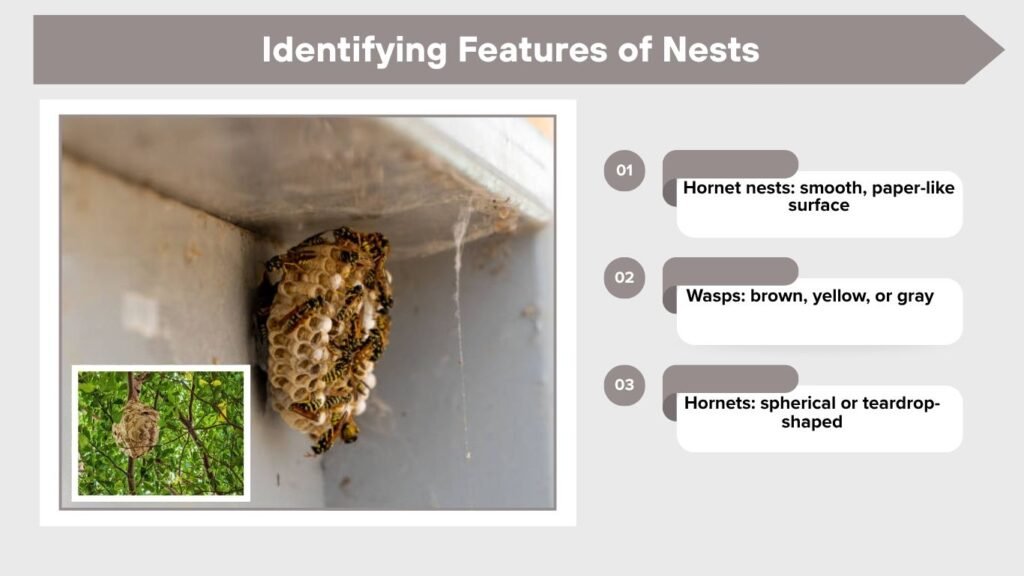
Beyond size and location, nests have identifying characteristics like texture, color, and shape. These visual cues make it easier to distinguish hornet nests from wasp nests without approaching too closely, reducing the risk of stings.
Texture
- Hornet nests: smooth, paper-like surface
- Wasp nests: open combs, rougher feel
Color
- Hornets: gray or light brown
- Wasps: brown, yellow, or gray
Shape
- Hornets: spherical or teardrop-shaped
- Wasps: umbrella-shaped or hexagonal combs
Hornet Nest vs Wasp Nest Risks and Safety
Both hornets and wasps pose risks due to their stings. Hornets have larger, more potent venom and tend to be more aggressive, making them more dangerous. Understanding the risks helps prevent injuries and determine when professional removal is necessary.
Stings and Venom
- Hornet stings: very painful, potent venom
- Wasp stings: moderate pain, less venomous
Threat to Humans and Pets
- Avoid nests during active hours
- Keep children and pets away from infested areas
- Use caution when outdoors near trees or eaves
Hornet Nest vs Wasp Nest: Removal Techniques
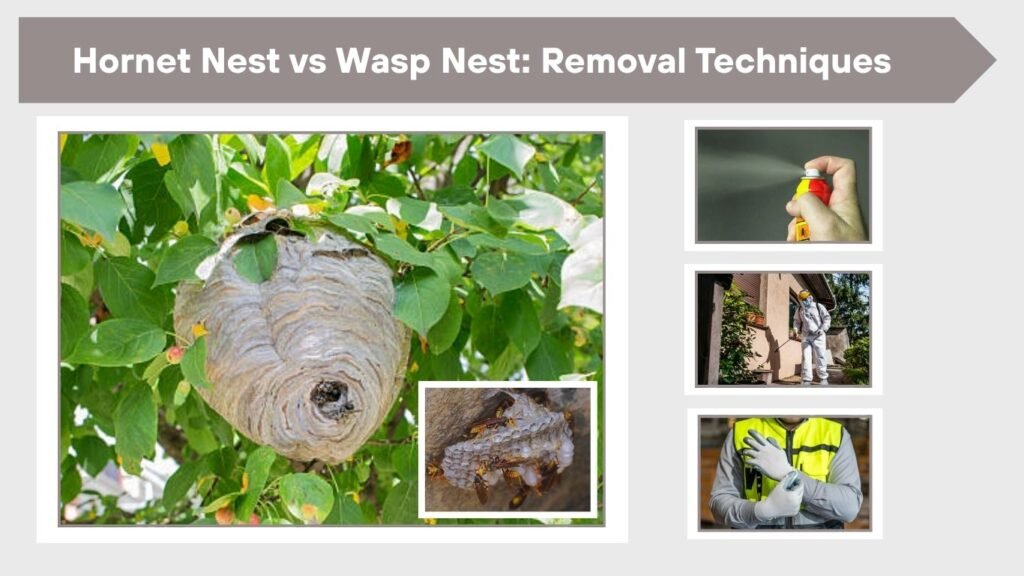
Safe removal of nests depends on size, species, and location. DIY methods are limited to small, low-risk nests, while professional pest control is recommended for large or aggressive hornet nests. Timing and protective measures are critical for safety.
DIY Removal for Small Nests
- Apply insecticide spray at night
- Wear full protective clothing
- Keep a safe escape route
Professional Pest Control
- Recommended for large hornet or bald-faced hornet nests
- Ensures complete removal without risk
- Can handle nests in trees or high locations
Seasonal Considerations
- Late fall or early spring is ideal for removal
- Reduces colony size and aggression
Hornet vs Wasp Nest Comparison Table
This table provides a quick reference for identifying hornet and wasp nests at a glance. It compares size, shape, color, location, and aggression levels.
| Feature | Hornet Nest | Wasp Nest |
| Size | 1–3 feet | 6–12 inches |
| Shape | Spherical/teardrop | Umbrella/hexagonal comb |
| Texture | Smooth, paper-like | Rough, open comb |
| Color | Gray | Brown or yellowish |
| Location | Trees, eaves | Roofs, cracks, underground |
| Aggression | High | Moderate |
| Colony Size | Hundreds of insects | Tens of insects |
FAQs
What is the difference between a hornet nest and a wasp nest?
Hornet nests are usually larger, spherical or teardrop-shaped, and smooth gray in color. Wasp nests are smaller, umbrella-shaped, with open combs, and often brown or yellowish. Location and texture also help distinguish them.
Where are hornet and wasp nests usually found?
Hornets prefer elevated, sheltered spots like trees, shrubs, and eaves. Wasps build nests under roof overhangs, in attics, cracks, crevices, or even underground, such as yellow jacket colonies.
Are hornet stings more dangerous than wasp stings?
Yes, hornets are more aggressive and have larger, more potent venom. Wasp stings are moderately painful, while hornet stings can cause severe pain, swelling, and, in rare cases, allergic reactions.
Can I remove a hornet or wasp nest myself?
Small nests in low-risk locations can be removed at night using insecticide sprays with protective clothing. Large or high nests, especially hornet or bald-faced hornet nests, require professional pest control for safe removal.
How can I identify a bald-faced hornet nest compared to a paper wasp nest?
Bald-faced hornet nests are large, gray, enclosed, and football-shaped. Paper wasp nests are smaller, open-comb, and umbrella-shaped, usually under eaves or branches. Texture, size, and location help with identification.