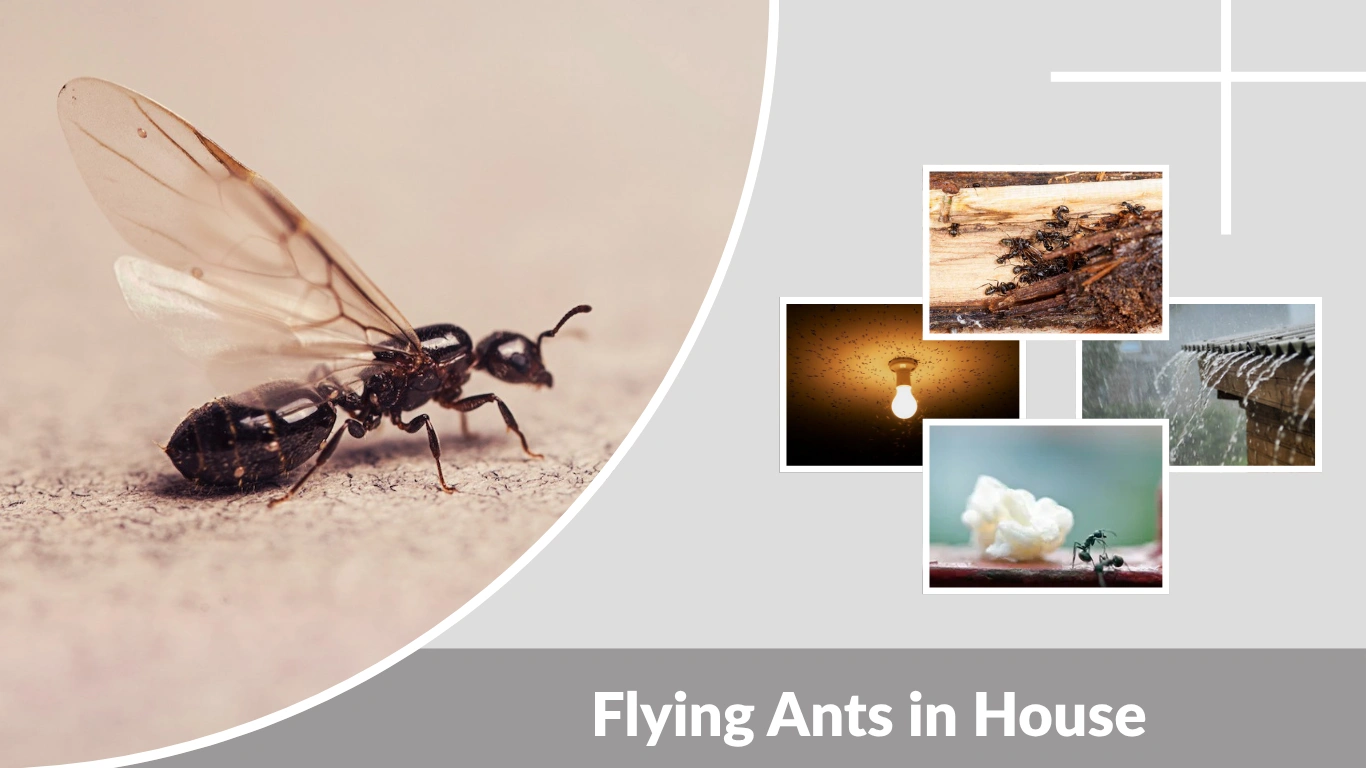
Seeing flying ants in your home can be alarming—especially when they appear suddenly in large swarms. These winged insects, also known as alates, are reproductive ants that emerge during warm, humid weather to mate and start new colonies. While they’re not dangerous, their presence can indicate hidden entry points, excess moisture, or even indoor nests. Understanding their behavior is the first step toward effective removal and prevention.
What Are Flying Ants and Why They Appear Indoors

Flying ants are not a separate species but the winged form of regular ants. They develop wings during their mating season, known as the “nuptial flight.” During this period, male and female ants swarm out of their colonies to reproduce and establish new nests.
They commonly appear indoors during:
- Summer and after rainfall, when humidity is high.
- Swarming events, which can happen once or twice a year.
- Warm rooms or lighted areas, where they’re naturally attracted to illumination.
Finding a few flying ants doesn’t always mean an infestation, but consistent sightings could signal a nearby colony inside walls or floors.
Why Flying Ants Are Inside Your House

Several factors can draw flying ants indoors, especially if your home provides warmth and moisture. Here are common reasons they invade:
- Humidity: Flying ants thrive in moist conditions. Leaky pipes or damp basements attract them.
- Openings: Cracks around windows, doors, and vents allow easy access.
- Food availability: Ants are drawn to crumbs, sugary drinks, and pet food.
- Shelter: Wall cavities, attic spaces, and basements offer safe nesting spots.
- Weather shifts: After rain or during hot summer days, flying ants often seek cooler or sheltered indoor spaces.
If you notice them gathering around light fixtures or window sills, they likely entered from a nearby outdoor colony.
Common Places Flying Ants Are Found in Homes

Flying ants are most visible in high-humidity areas or spaces with small cracks leading outdoors.
Indoors
- Kitchens: Crumbs, food spills, and sinks provide easy resources.
- Bathrooms: Moisture and warm air attract them to drains and tiles.
- Basements and attics: Dark, humid environments offer ideal shelter.
- Bedrooms and ceilings: Swarmers often gather around ceiling lights at night.
Outdoors and Entry Points
- Cracks in walls, gaps in window screens, and unsealed vents.
- Wooden decks or patio furniture near the house.
- Garden soil near foundations that might hide ant colonies.
Spotting multiple ants near the same area can indicate an active entry route or hidden nest.
Signs of a Flying Ant Infestation

Occasional flying ants are normal during swarming season, but recurring appearances suggest a potential infestation. Watch for these warning signs:
- Winged ants indoors: Clusters near lights, windows, or ceilings.
- Discarded wings: Termite-like piles on floors or window sills after mating flights.
- Wood shavings: Especially from carpenter ants tunneling through wood.
- Dead ants: Found around light sources or window edges.
- Visible swarm points: Ants emerging from a specific crack, vent, or electrical outlet.
If these signs persist, you may be dealing with a hidden colony that requires deeper inspection.
How Flying Ants Get Into Your House
Flying ants can find surprisingly small openings to enter your home. Their tiny size and attraction to light make it easy for them to infiltrate unnoticed.
Common entry routes include:
- Wall cracks and foundation gaps.
- Unsealed windows and doors, especially at night when lights are on.
- Air conditioning vents and bathroom fans that open outdoors.
- Gaps around utility lines or pipes entering the building.
- Indoor plants or firewood, which may harbor hidden nests.
Once inside, they often gather near bright areas, seeking warmth and shelter before returning to form colonies.
What Causes Flying Ants in Summer or After Rain

Flying ants tend to appear most often during warm, humid conditions—typically between late spring and mid-summer.
- Rainfall softens the soil, helping ants emerge from underground nests.
- High humidity promotes wing growth and triggers their mating instinct.
- Indoor moisture, such as condensation or plumbing leaks, draws them inside.
- Warm indoor temperatures act as a survival cue, leading to swarming near lights.
In some regions, especially tropical or coastal areas, swarming can happen multiple times a year. Keeping humidity low and windows sealed during these seasons helps minimize indoor invasions.
How to Get Rid of Flying Ants in the House

When flying ants appear indoors, acting quickly helps prevent them from forming nests. The right combination of removal, cleaning, and sealing methods can completely eliminate them.
Immediate Control
- Vacuum the ants: Use a vacuum cleaner to collect visible ants and their wings. Dispose of the bag immediately to prevent re-infestation.
- Use ant bait traps: Place bait near entry points, window sills, and baseboards. Worker ants carry the poison back to their colony, helping destroy it at the source.
- Spray ant killer: Apply ant-specific insecticides around infested areas or near light fixtures. Avoid spraying near food or pets.
- Turn off lights at night: Flying ants are attracted to light. Keeping lights off or using curtains at night reduces their activity indoors.
- Clean up food sources: Wipe down counters, seal food containers, and keep garbage covered.
Natural Home Remedies
If you prefer chemical-free solutions, several natural remedies are effective:
- Vinegar spray: Mix equal parts of vinegar and water to disrupt their scent trails.
- Lemon juice: Acts as a natural repellent when sprayed near windows and doors.
- Peppermint oil: A few drops in water make a powerful ant deterrent.
- Diatomaceous earth: Sprinkle along cracks and floor edges—it dehydrates ants on contact.
- Soap and water solution: Kills ants instantly by breaking down their waxy outer layer.
These methods are safe, affordable, and suitable for homes with children or pets.
Identifying Flying Carpenter Ants Indoors
Flying carpenter ants are among the most common species found indoors, and they often cause concern due to their size and wood-related habits. While they resemble termites, they don’t eat wood—they tunnel through it to build nests.
Signs of carpenter ants inside your house include:
- Small piles of wood shavings or sawdust near baseboards.
- Hollow-sounding wood when tapped.
- Large black or red ants with noticeable wings during swarm season.
- Rustling sounds from walls or ceilings at night.
To treat carpenter ants, locate the nest first. Use borax gel baits or professional pest control services for deeper infestations. Replacing damaged wood and sealing cracks helps prevent recurrence.
Preventing Flying Ants from Returning
Prevention is the key to long-term control. Once flying ants are eliminated, take these steps to stop them from reappearing:
- Seal cracks and crevices: Inspect door frames, windows, and foundations regularly.
- Control moisture: Repair leaks, improve ventilation, and use dehumidifiers in basements.
- Store food securely: Keep sweet items and leftovers in sealed containers.
- Trim vegetation: Trees and shrubs touching your home can serve as bridges for ants.
- Maintain cleanliness: Regularly sweep, mop, and clean behind appliances.
- Schedule inspections: Annual pest checks can detect early signs of carpenter ants or termites.
Consistent maintenance and cleanliness are your best defenses against future infestations.
Regional Considerations (Florida, California, UK)
Flying ants appear across various climates but behave differently depending on local weather conditions.
- Florida: High humidity attracts both flying ants and termites. They often swarm near pools, decks, and patios during summer evenings.
- California: Drywood termites and flying ants are common in spring. Reducing indoor moisture and sealing entry points is crucial.
- UK: “Flying Ant Day” typically occurs in July, when millions of ants take flight simultaneously for mating. Swarms usually last only a few days but can enter homes through open windows.
Understanding these seasonal patterns helps homeowners prepare before peak activity begins.
When to Call Professional Pest Control
If home remedies don’t work or the infestation continues, professional help may be necessary. Contact pest control when:
- Swarms appear repeatedly indoors.
- You find carpenter ants damaging wood structures.
- Flying ants are emerging from walls or ceilings.
- DIY solutions fail after several attempts.
Experts can identify species accurately, locate hidden nests, and use specialized treatments like residual sprays or insect growth regulators to ensure permanent removal.
FAQs
Why do flying ants suddenly appear in my house?
Flying ants swarm during mating season, usually after rain or in warm weather. They’re drawn to indoor lights and moisture. Sudden appearances typically happen during summer evenings when ants emerge to reproduce and find new nesting spots.
Are flying ants harmful or dangerous?
Flying ants don’t pose a direct danger and rarely bite humans. However, carpenter ants can cause wood damage over time. Their presence may also indicate underlying issues like moisture or cracks that attract more pests.
How do I get rid of flying ants fast?
Vacuum visible ants, apply bait traps near entry points, and spray natural repellents like vinegar or peppermint oil. Turning off lights at night and keeping rooms dry prevents more ants from swarming inside.
Do flying ants come back every year?
Yes, flying ants typically return annually during their mating season. Preventive maintenance—such as sealing entry points, fixing leaks, and keeping your house dry—reduces their chances of reappearing each year.
Should I call an exterminator for flying ants?
If flying ants reappear frequently or if you suspect carpenter ants or termites, professional pest control is recommended. Experts use targeted solutions that eliminate both visible swarmers and hidden colonies for lasting protection.