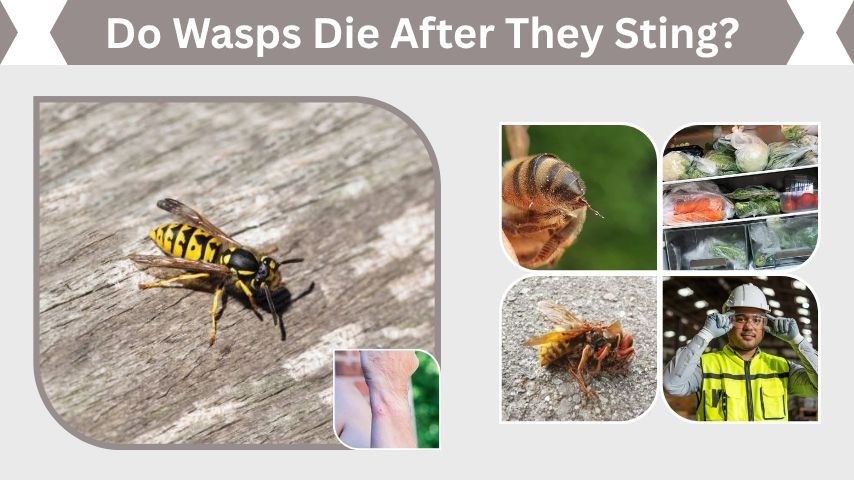
Many people believe all stinging insects die after attacking, but that is not true for most wasps. Unlike honey bees, wasps usually survive after stinging because their stingers are designed differently. This allows them to sting multiple times without harming themselves.
Understanding how wasp stingers work can help explain why these insects are often more aggressive than bees. This guide covers whether wasps die after stinging, how different species behave, and why bees and wasps react differently after using their stingers.
Do Wasps Die After They Sting?
Most wasps do not die after stinging humans or animals. Their stingers are smooth and can slide out of the skin easily, allowing them to sting repeatedly without serious injury to themselves. This is one of the biggest differences between wasps and honey bees.
Why Most Wasps Survive After Stinging
Wasps have smooth stingers that do not get stuck in human skin. After stinging, they can pull the stinger back out and continue flying normally.
How Wasp Stingers Work
A wasp’s stinger is connected to venom glands inside its body. When the wasp attacks, venom enters the skin and causes pain, swelling, and irritation.
Can Wasps Sting More Than Once?
- Wasps can sting repeatedly
- They usually keep their stinger
- Multiple stings can happen quickly
- Aggressive species may attack in groups
What Happens to a Wasp After It Stings?
Most wasps simply fly away after stinging. They may continue defending their nest or attempt to sting again if they still feel threatened.
Why Bees Die but Wasps Usually Do Not
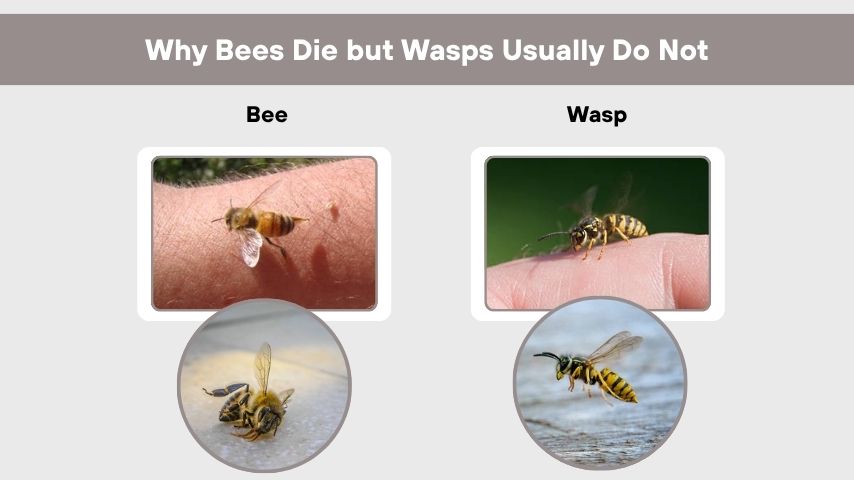
People often confuse bees and wasps because both insects sting. However, honey bees and wasps have very different stingers, which explains why bees often die after attacking while wasps survive.
Barbed Bee Stingers Explained
Honey bees have barbed stingers that become trapped in thick skin. When the bee pulls away, the stinger tears from its body along with part of the abdomen.
Smooth Wasp Stingers Explained
Wasps have smoother stingers that slide in and out more easily. Because the stinger does not remain trapped, the wasp avoids major injury after attacking.
Why Honey Bees Die After Stinging Humans
The injury caused by losing the stinger is fatal for honey bees. After stinging, the bee usually dies shortly afterward because important body tissues are damaged.
Why Wasps Can Escape After Stinging
- Their stingers are less barbed
- They do not lose body tissue
- Venom glands remain attached
- They can sting repeatedly
Do Different Types of Wasps Die After They Sting?
Almost all common wasp species survive after stinging. Some species are more aggressive than others, but their stingers generally work in the same way.
Do Paper Wasps Die After They Sting?
Paper wasps usually survive after stinging and may sting several times if disturbed near their nest.
Do Red Wasps Die After They Sting?
Red wasps do not normally die after stinging. They can continue flying and defending their colony afterward.
Do Black Wasps Die After They Sting?
Most black wasp species also survive after using their stinger because they do not lose it during the attack.
Do Hornets Die After They Sting?
Hornets are a type of wasp, and they usually survive after stinging. Their stings can be especially painful because they inject a large amount of venom.
Do Yellow Jackets Die After They Sting?
- Yellow jackets rarely die after stinging
- They are highly defensive insects
- They may sting several times
- Colonies can attack together
Can Wasps Sting Multiple Times?
Wasps are capable of repeated stinging because their stingers remain attached to their bodies. This ability makes them more dangerous in large numbers, especially near nests or food sources.
Why Wasps Sting Repeatedly
Wasps become aggressive when they feel threatened or when protecting their nest. Some species release warning chemicals that attract other wasps to attack.
How Many Times Can a Wasp Sting?
There is no exact limit to how many times a wasp can sting. A single wasp may sting several times during one encounter if it continues feeling threatened.
Why Multiple Wasp Stings Are Dangerous
Multiple stings increase the amount of venom entering the body. This can cause severe pain, larger swelling, and stronger allergic reactions.
Do Wasps Lose Their Stinger?
Most wasps keep their stinger after attacking. Unlike honey bees, they usually fly away with the stinger still attached to their body.
Do Wasps Die If They Lose Their Stinger?
Although uncommon, a wasp can become injured if the stinger is damaged or torn away during an attack. Losing the stinger may seriously harm the insect because the venom delivery system is connected internally.
Can a Wasp Lose Its Stinger?
In rare cases, the stinger may become damaged during a struggle or attack, especially against thicker skin or predators.
What Happens if the Stinger Is Damaged?
A damaged stinger may prevent the wasp from defending itself properly and could lead to severe injury or death over time.
Can a Wasp Survive Without a Stinger?
Some injured wasps may survive temporarily, but losing the stinger often weakens their ability to feed and defend themselves effectively.
Do Wasps Sting After They Die?
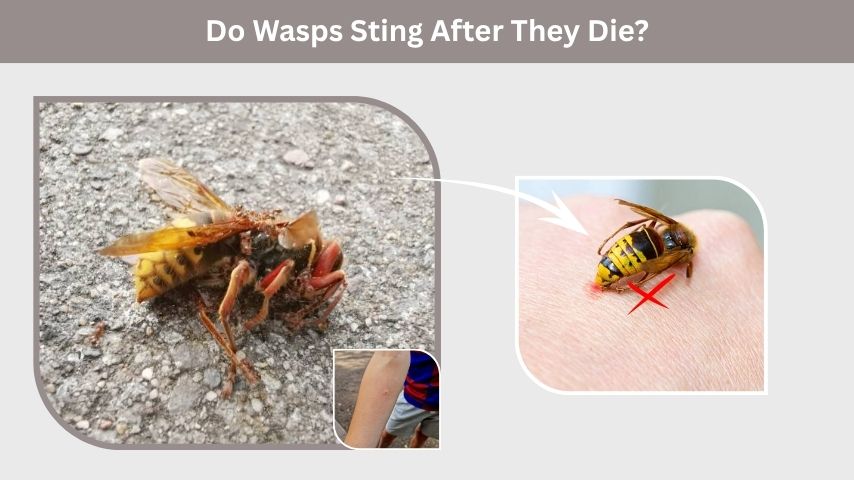
Even after death, a wasp’s stinger may still react briefly because of remaining muscle activity and venom pressure. Although a dead wasp cannot actively attack, touching it carelessly may still cause a sting-like injury in some situations.
Can a Dead Wasp Still Sting?
A dead wasp cannot intentionally sting, but pressure on the body or stinger may release leftover venom into the skin.
How Long Venom Remains Active
Venom inside the stinger can remain active for a short time after the wasp dies. This is why handling dead wasps with bare hands is not recommended.
Why You Should Avoid Touching Dead Wasps
- The stinger may still contain venom
- Crushing the body can trigger venom release
- Allergic reactions are still possible
- Other wasps may gather nearby
Why Wasps Sting Humans
Wasps usually sting as a defensive response rather than attacking without reason. They become more aggressive when protecting nests, searching for food, or feeling trapped.
Protecting the Nest
Wasps strongly defend their colonies. If a person gets too close to the nest, nearby wasps may attack quickly.
Feeling Threatened
Sudden movements, swatting, or trapping a wasp may cause it to sting in self-defense.
Attraction to Food and Sweet Smells
Sweet drinks, fruit, and strong scents can attract wasps during warm weather, increasing the chance of accidental stings.
Aggressive Wasp Species
Some species, such as yellow jackets and hornets, are naturally more defensive and may sting more aggressively than solitary wasps.
Wasp Sting vs Bee Sting
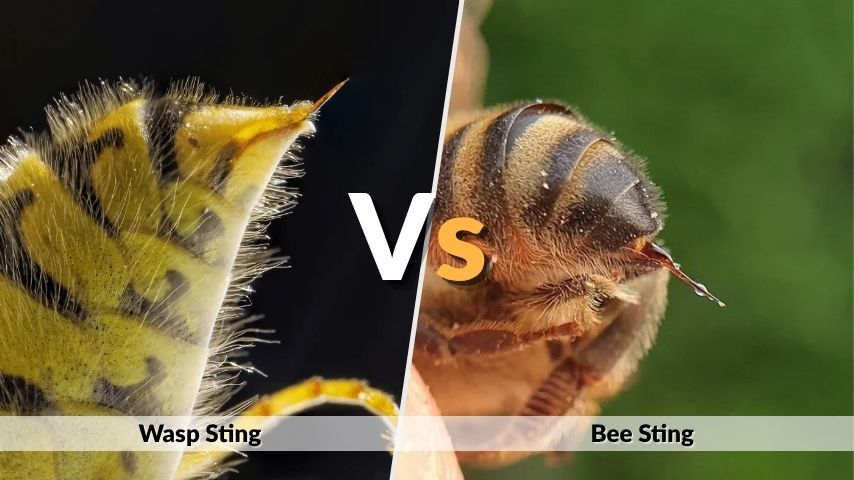
Although wasp and bee stings can feel similar, there are important differences in pain, behavior, and how the insects react after stinging. Knowing these differences helps explain why bees often die while wasps survive.
Pain Differences
Wasp stings are commonly described as sharp and burning, while bee stings may feel more immediate and throbbing.
Sting Appearance
- Bee stingers may remain in the skin
- Wasp stingers usually do not stay behind
- Wasp stings often swell quickly
- Redness appears around both stings
Venom Differences
Bee and wasp venom contain different chemicals. Wasp venom may trigger stronger irritation because wasps can inject venom repeatedly.
Which Sting Is More Dangerous?
Both stings can be dangerous for people with allergies. Multiple wasp stings may also become serious because of the larger amount of venom involved.
What Happens to Humans After a Wasp Sting?
A wasp sting causes the body to react to venom entering the skin. Most people experience mild symptoms that improve within a few days, although allergic reactions can become dangerous quickly.
Immediate Pain and Burning
Sharp burning pain usually begins instantly after the sting and may continue for several minutes.
Swelling and Redness
Swelling commonly develops around the sting site and may last several days depending on skin sensitivity.
Allergic Reactions
Some people develop hives, dizziness, or breathing problems after being stung. These symptoms require emergency medical attention.
When to Seek Medical Care
- Trouble breathing
- Swelling near the throat
- Severe dizziness
- Rapid spreading rash
How to Avoid Wasp Stings
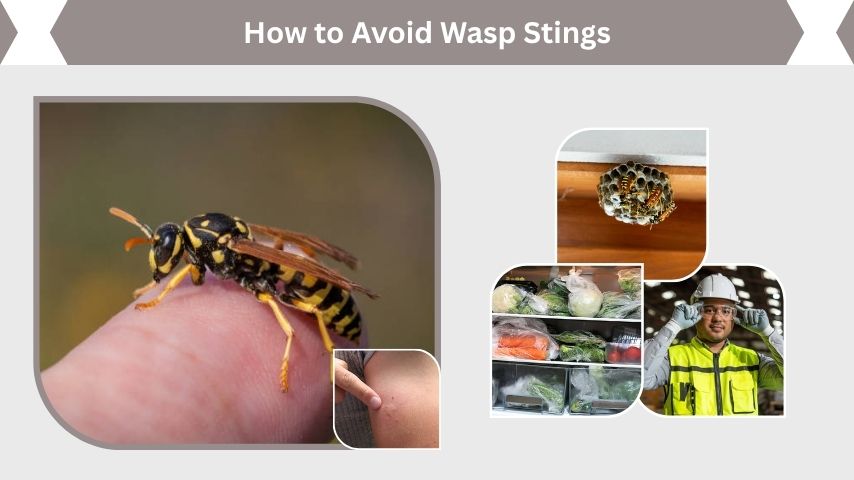
Preventing wasp stings is often easier than treating them. Staying calm and avoiding actions that provoke wasps can reduce the risk of being stung outdoors.
Avoid Sudden Movements
Quick arm movements or swatting may make wasps feel threatened and defensive.
Stay Away From Nests
If you notice a nest near your home or garden, avoid disturbing it and consider professional removal if necessary.
Keep Food and Drinks Covered
Open sugary drinks and uncovered food attract wasps, especially during summer and early fall.
Wear Protective Clothing
Long sleeves, shoes, and gloves may help reduce exposed skin while gardening or working outdoors.
Common Myths About Wasps and Stinging
Many myths about wasps continue to spread online and through word of mouth. Understanding the truth helps people respond more safely around stinging insects.
Myth: All Stinging Insects Die After Stinging
Only some bees, especially honey bees, usually die after stinging humans. Most wasps survive.
Myth: Wasps Leave Their Stinger Behind
- Most wasps keep their stinger
- They can sting repeatedly
- Stingers rarely remain in skin
- Wasps usually fly away afterward
Myth: Wasps Sting Without Reason
Wasps usually sting to defend themselves, their nest, or nearby food sources rather than attacking randomly.
Myth: Dead Wasps Are Harmless
Dead wasps may still contain active venom, so handling them carefully is important.
FAQs
Do hornets die after they sting?
No. Hornets are a type of wasp, and they usually survive after stinging because they keep their smooth stinger.
Can a wasp sting without losing its stinger?
Yes. Most wasps sting without losing the stinger, allowing them to attack multiple times if needed.
Why are wasps more aggressive than bees?
Wasps are highly defensive around their nests and can sting repeatedly, which often makes them appear more aggressive than bees.
Do all bees die after they sting?
No. Honey bees commonly die after stinging humans, but many other bee species can survive after using their stinger.
Can multiple wasp stings be dangerous?
Yes. Multiple stings can inject a large amount of venom and may cause severe swelling, pain, or dangerous allergic reactions.