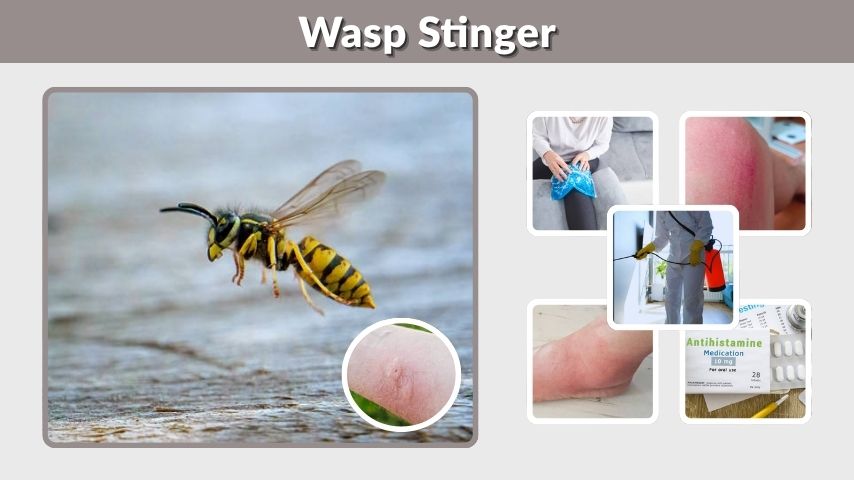
A wasp sting can cause sudden pain, swelling, redness, and irritation within seconds. Although many stings are mild and improve quickly, some people may experience stronger allergic reactions that require immediate medical attention. Knowing what to do right after a wasp sting can help reduce pain, limit swelling, and prevent complications. Fast first aid is especially important if the sting occurs near the face, mouth, or throat or if multiple stings happen at once.
Unlike bees, most wasps can sting multiple times because they usually do not lose their stinger. Understanding how wasp stings work and how to treat them properly can help people respond calmly and safely during outdoor activities and unexpected encounters with wasps.
What Happens When a Wasp Stings You?
When a wasp stings, it injects venom into the skin using a sharp stinger. The venom triggers pain, swelling, and inflammation as the body reacts to the sting. Most reactions remain mild, but sensitive individuals may develop stronger symptoms.
Do Wasps Leave Their Stinger Behind?
Most wasps do not leave their stinger behind because their stingers are smooth and designed for repeated use. This allows wasps to sting multiple times if they feel threatened or disturbed near their nest.
Common Symptoms of a Wasp Sting
- Sharp burning pain
- Redness around the sting
- Swelling and puffiness
- Itching or irritation
- Warm skin near the sting site
Why Wasp Stings Hurt
Wasp venom contains chemicals that affect nerves and trigger inflammation in the skin. The immune system responds quickly to the venom, which causes pain, redness, swelling, and irritation around the sting area.
What Should You Do Immediately After a Wasp Sting?
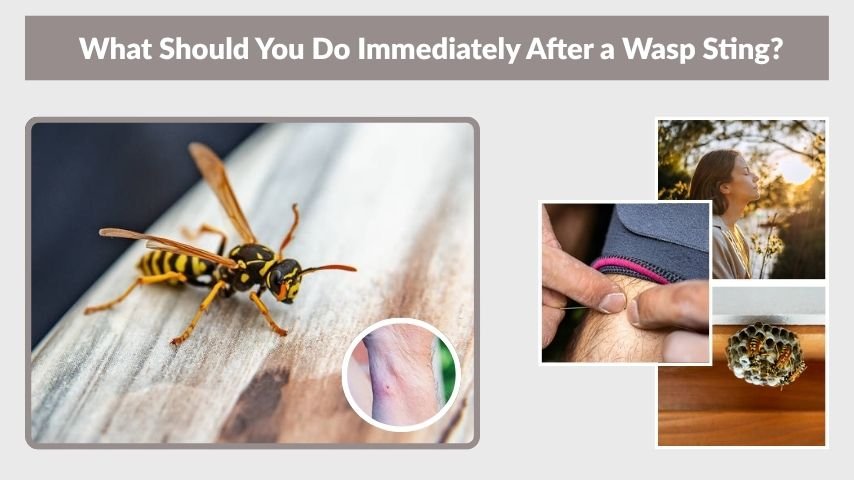
Quick first aid can reduce pain and help prevent further complications after a wasp sting. Staying calm and responding quickly is important, especially if wasps are still nearby or the person begins showing allergic symptoms.
Move Away From the Wasp Area
- Leave the area immediately
- Avoid disturbing nearby nests
- Prevent additional stings
- Stay calm and avoid panic
- Warn others nearby
Clean the Sting Area
Wash the sting area gently with soap and water to reduce bacteria and help prevent infection. Cleaning also removes dirt, sweat, and venom residue left on the skin after the sting.
Reduce Swelling and Pain
Applying a cold compress or ice pack wrapped in cloth can help reduce swelling and numb pain. Keeping the affected area elevated may also help limit inflammation and discomfort during the first few hours.
Should You Remove a Wasp Stinger?
Unlike honey bees, wasps usually keep their stinger after attacking. However, in rare situations, part of the stinger may remain in the skin and continue causing irritation or discomfort.
Do Wasps Usually Leave Stingers?
- Most wasps keep their stingers
- Wasps can sting repeatedly
- Smooth stingers prevent detachment
- Bee stingers are more likely to remain
- Multiple stings are common with wasps
How to Remove a Visible Stinger
If a visible stinger remains in the skin, it should be removed carefully using tweezers or by gently scraping it away with a flat object. Avoid squeezing the stinger because extra venom may enter the skin.
Bee Sting vs Wasp Sting
Bee stings usually involve a detached stinger left behind in the skin, while wasps normally keep their stinger and can attack repeatedly. Both stings may cause swelling and allergic reactions, but treatment steps are generally similar.
Home Remedies for Wasp Stings
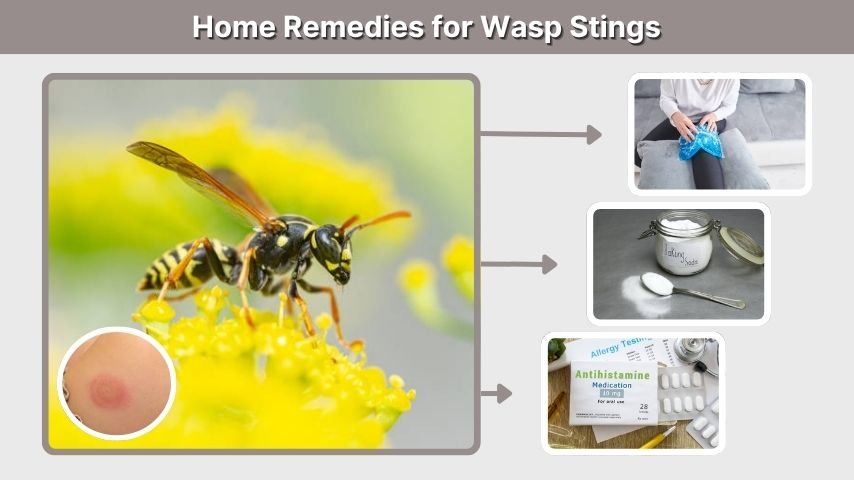
Several simple home remedies may help reduce pain, itching, and swelling after a wasp sting. Mild reactions often improve within hours or days using basic first-aid methods and over-the-counter treatments.
Cold Compresses and Ice
- Reduce swelling and inflammation
- Numb pain temporarily
- Slow itching sensations
- Help calm irritated skin
- Improve comfort during recovery
Baking Soda and Natural Remedies
Baking soda paste, aloe vera gel, and honey are commonly used to soothe irritated skin after stings. These remedies may help reduce itching and discomfort, although reactions can vary between individuals.
Over-the-Counter Treatments
Antihistamines, hydrocortisone cream, and pain relievers are often used to treat moderate wasp sting symptoms. These medications may reduce swelling, itching, and pain during the healing process.
Signs of an Allergic Reaction
Most wasp stings cause only mild local reactions, but some people may develop dangerous allergic responses called anaphylaxis. Severe reactions require immediate emergency medical treatment because symptoms can worsen rapidly.
Mild vs Severe Reactions
- Mild swelling around the sting
- Temporary redness and itching
- Large swollen areas in severe cases
- Trouble breathing during allergic reactions
- Rapid worsening symptoms
Symptoms of Anaphylaxis
Anaphylaxis is a serious allergic reaction that may develop within minutes after a sting. Symptoms can include swelling of the face or throat, dizziness, wheezing, rapid heartbeat, and difficulty breathing.
When to Call Emergency Services
Emergency medical help should be requested immediately if a person experiences breathing difficulty, fainting, severe swelling, chest tightness, or multiple wasp stings at the same time.
How Long Does a Wasp Sting Last?
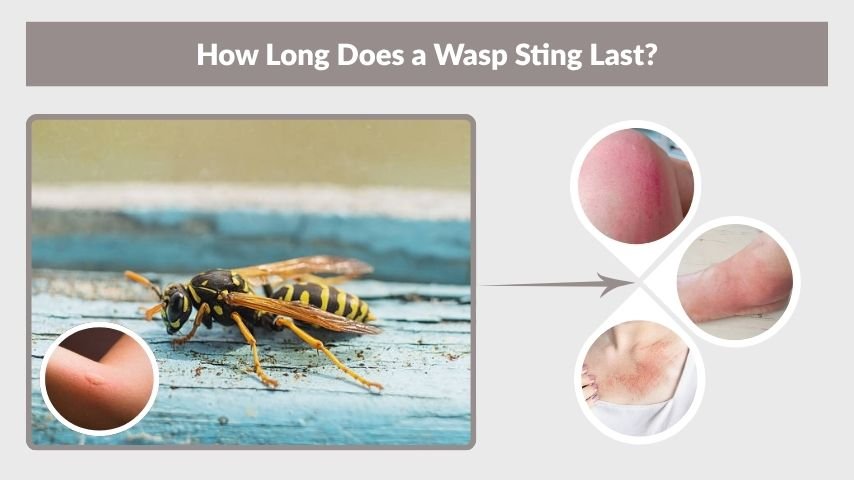
The effects of a wasp sting usually improve gradually over several hours or days. Pain often fades first, while itching and swelling may continue longer depending on the severity of the reaction.
First Few Hours After the Sting
- Sharp pain and burning
- Redness around the sting
- Swelling begins quickly
- Skin warmth and irritation
- Tenderness at the sting site
Healing Over Several Days
Most mild wasp stings improve within a few days as swelling and redness slowly decrease. Itching may continue during healing, especially if the sting area was scratched frequently.
When Symptoms Last Too Long
Persistent swelling, worsening redness, pus formation, or increasing pain may indicate infection or a stronger allergic response. Medical evaluation may be needed if symptoms continue for an unusually long time.
Wasp Sting Complications
Although many wasp stings heal without problems, complications can occur in sensitive individuals or after multiple stings. Certain sting locations may also increase the risk of dangerous swelling and breathing difficulties.
Infection Risks
- Scratching damaged skin
- Bacterial contamination
- Swollen open wounds
- Increased redness and heat
- Pus or drainage formation
Multiple Wasp Stings
Multiple stings expose the body to larger amounts of venom and may trigger severe reactions even in people without known allergies. Children, elderly individuals, and pets are especially vulnerable to multiple stings.
Dangerous Sting Locations
Stings inside the mouth, throat, or near the eyes can become dangerous because swelling may block breathing or damage sensitive tissues. Immediate medical attention is often recommended for these situations.
How to Prevent Wasp Stings
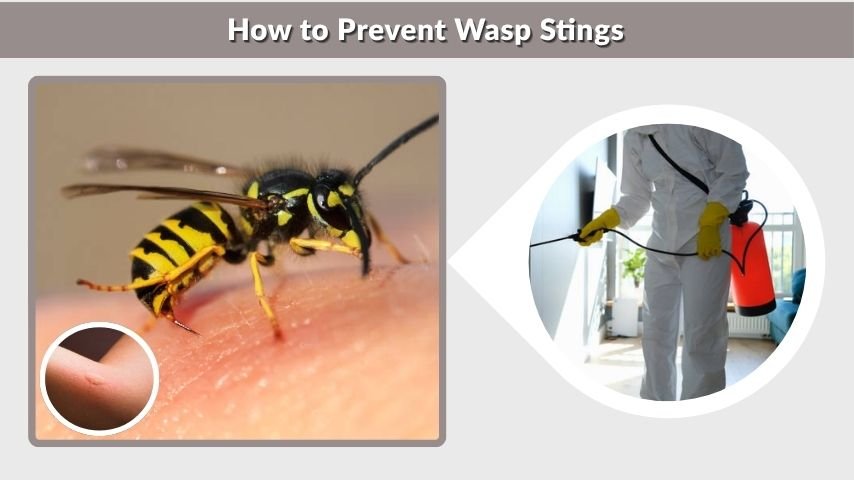
Preventing wasp stings is the best way to avoid painful reactions and allergic emergencies. Understanding wasp behavior and reducing attractants around homes can lower the risk of encounters significantly.
Avoiding Wasp Nests
- Stay away from visible nests
- Avoid disturbing wasps
- Watch roof edges and trees
- Hire professionals for nest removal
- Keep children away from nests
Outdoor Safety Tips
Wasps are often attracted to sweet drinks, food, garbage, and strong scents. Remaining calm around wasps and avoiding sudden movements can reduce the chance of provoking defensive behavior.
Preventing Wasps Around Homes
Keeping garbage sealed, removing outdoor food scraps, and repairing wall openings can help reduce wasp activity around homes. Outdoor eating areas should also be cleaned regularly to remove sugary residues.
Common Myths About Wasp Stings
Many myths about wasps and stingers create confusion about treatment and danger levels. Understanding the facts helps people respond more safely and avoid unnecessary panic after a sting.
Myth: Wasps Always Leave Their Stingers
Unlike honey bees, most wasps keep their stinger after attacking and can sting multiple times. Detached stingers are much more common with bee stings than with wasp stings.
Myth: All Wasp Stings Are Dangerous
Most wasp stings cause only mild pain, redness, and swelling that improve naturally. Severe allergic reactions are less common but require immediate emergency treatment when they occur.
Myth: Scratching Helps Healing
Scratching a wasp sting usually worsens irritation and increases the risk of infection. Keeping the area clean and reducing itching helps the sting heal more safely and comfortably.
FAQs
What should you do immediately after a wasp sting?
Move away from the wasp area, wash the sting site with soap and water, and apply a cold compress or ice pack to reduce swelling and pain. Monitoring for allergic symptoms is also important during the first few minutes after the sting.
Do wasps leave their stingers behind?
Most wasps do not leave their stinger behind because they have smooth stingers designed for repeated use. Unlike honey bees, wasps can usually sting multiple times without losing the stinger.
How long does a wasp sting hurt?
Sharp pain from a wasp sting often lasts several minutes to a few hours, while itching and swelling may continue for several days. Severe reactions or infections can cause symptoms to last longer.
What helps reduce wasp sting swelling?
Cold compresses, ice packs, antihistamines, hydrocortisone cream, and elevating the affected area can help reduce swelling and discomfort. Avoid scratching because it may worsen irritation and delay healing.
When should you worry about a wasp sting?
Medical attention may be needed if a person experiences breathing difficulty, severe swelling, dizziness, chest tightness, multiple stings, or signs of an allergic reaction such as swelling of the face or throat.