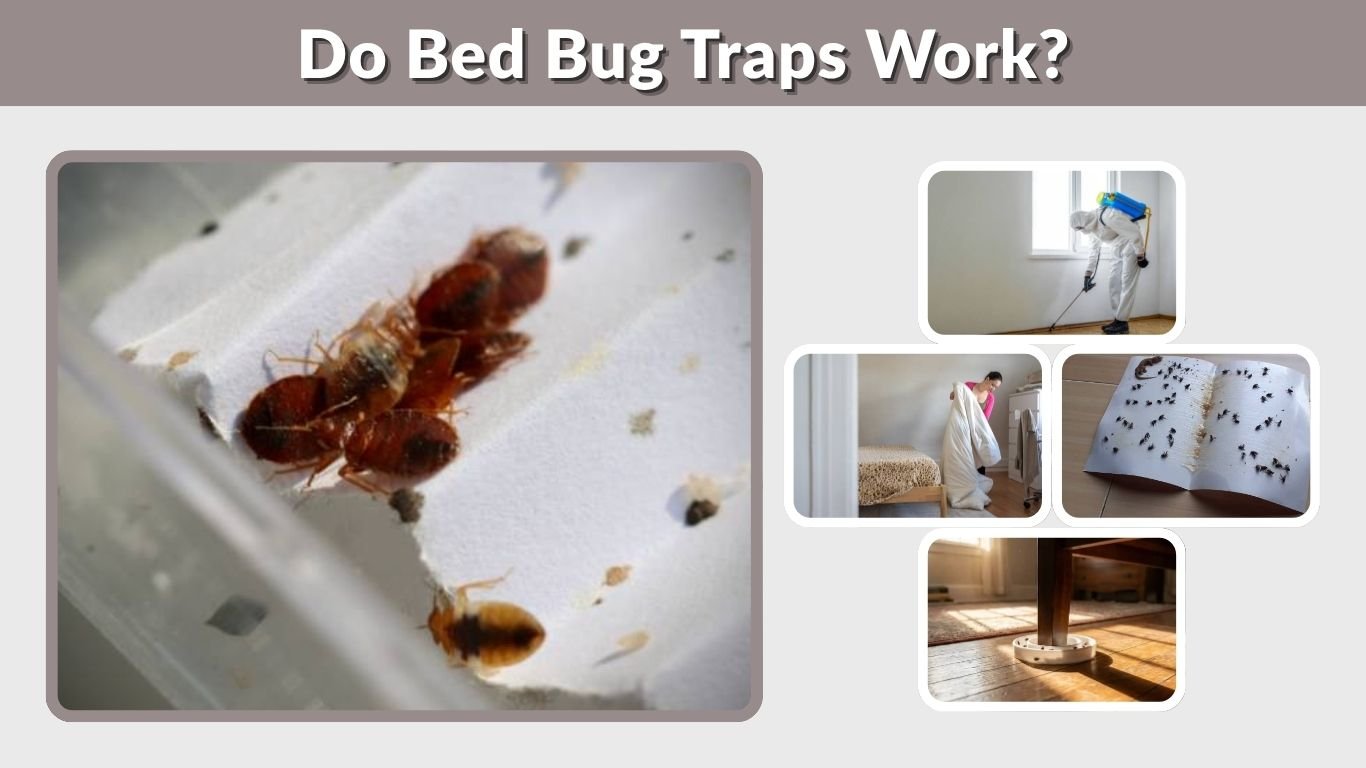
Bed bugs are difficult to eliminate because they hide in mattresses, furniture, and tiny cracks around sleeping areas. Many homeowners turn to bed bug traps for an affordable way to detect and control these pests. But do bed bug traps work, or are they simply a temporary solution? The answer depends on the type of trap, its placement, and the severity of the infestation. Some traps effectively capture crawling bed bugs, while others provide limited results. Understanding how they work can help you choose a better monitoring method.
Do Bed Bug Traps Actually Work?
Yes, bed bug traps work, particularly for detecting infestations, capturing crawling insects, and monitoring pest activity. However, they rarely eliminate an entire infestation independently. Their effectiveness depends on the trap’s design, positioning, and ability to attract or intercept bed bugs.
How Effective Are Bed Bug Traps?
Bed bug traps are particularly useful when placed around beds, sofas, and other furniture where people regularly rest. Interceptor traps capture insects traveling between furniture and the surrounding floor.
Research from Rutgers University identifies pitfall-style interceptors as cost-effective bed bug detection tools. Some specially designed traps using carbon dioxide can detect small infestations more quickly than passive interceptors.
Why Bed Bug Traps Sometimes Fail
Bed bugs commonly hide inside mattress seams, bed frames, furniture joints, and wall cracks. Traps positioned around furniture legs cannot capture insects that never cross those areas.
Poor placement, accumulated dust, insufficient attraction, or alternative pathways onto the bed can also reduce effectiveness.
Therefore, finding no bed bugs inside a trap does not necessarily mean the room is free of infestation.
How Do Bed Bug Traps Work?
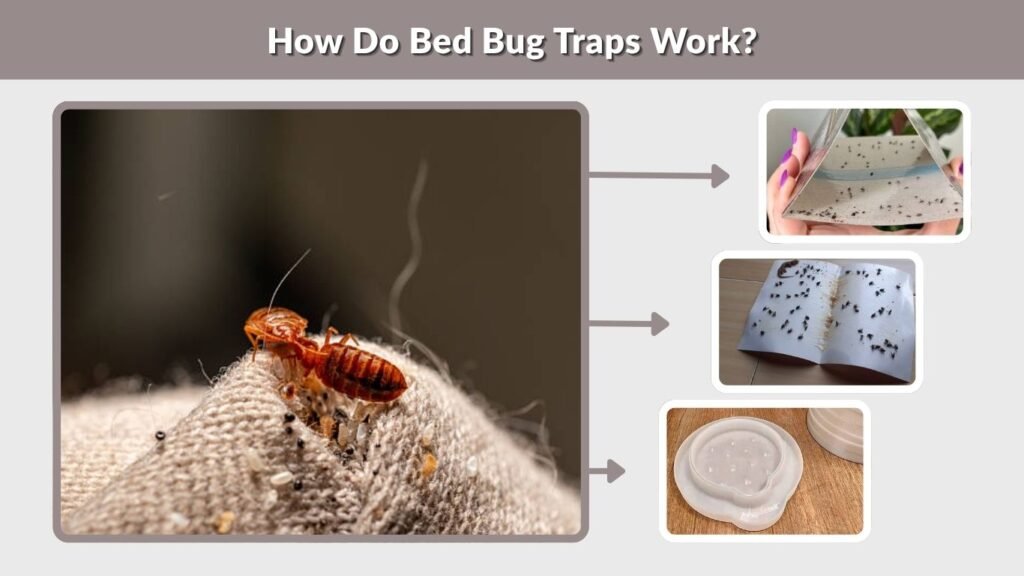
Bed bug traps operate through different mechanisms. Some intercept insects moving toward sleeping areas, while others use carbon dioxide, heat, or chemical attractants to encourage bed bugs to approach.
Understanding these mechanisms is essential because not every trap performs equally well.
1. Bed Bug Interceptor Traps
Interceptor traps are small, pitfall-style containers placed underneath bed or furniture legs. Their textured outer surfaces allow bed bugs to climb upward, while smooth inner walls make escaping difficult.
These traps capture bed bugs traveling toward or away from furniture. They are particularly effective when the bed is isolated from walls and bedding does not touch the floor.
2. Bed Bug Glue and Sticky Traps
Glue traps use adhesive surfaces to capture insects walking across them. They are commonly marketed for monitoring different household pests.
However, bed bug glue traps generally perform poorly because they do not reliably attract bed bugs.
The EPA specifically advises that ordinary sticky traps are not suitable for bed bug control, although they may catch other crawling insects.
3. CO2 Bed Bug Traps
Carbon dioxide traps imitate one of the signals bed bugs use to locate humans.
These devices release CO2 to attract nearby insects into a collection chamber or pitfall.
Some advanced designs incorporate additional attractants. Research shows that correctly designed CO2 monitoring systems can effectively detect bed bug activity, even when infestations are relatively small.
4. Pheromone and Chemical-Lure Traps
Certain commercial traps use chemical attractants intended to encourage bed bugs to enter a monitoring device.
Their effectiveness varies depending on the formulation and trap construction.
Research indicates that some chemical-lure mixtures can improve capture rates, particularly when combined with other attractants such as CO2. However, not every commercially advertised attractant has demonstrated the same effectiveness.
Which Bed Bug Traps Work Best?
The most effective bed bug traps typically focus on monitoring movement or attracting insects through scientifically supported methods. Different designs are useful in different situations.
For general household monitoring, interceptor traps are often the most practical starting point.
Types of Bed Bug Traps That Work
- Interceptor traps: Useful for capturing bed bugs climbing furniture legs and monitoring ongoing activity.
- CO2 traps: Effective for attracting bed bugs into properly designed monitoring devices, including in unoccupied rooms.
- Pitfall traps: Capture bed bugs using smooth-sided chambers that prevent insects from climbing out.
- Chemical-lure traps: May improve detection when their attractants have been scientifically validated.
- Glue traps: Generally unreliable for bed bugs and should not be the primary monitoring method.
Interceptor and CO2 traps have stronger research support than ordinary sticky traps.
Do Raid, Harris, Ortho, and Other Bed Bug Traps Work?
Commercial brands offer different monitoring products, but brand recognition does not automatically determine effectiveness. The actual trapping mechanism matters more than the product name.
Do Raid Bed Bug Traps Work?
Raid-branded bed bug monitoring products, where available, should be evaluated according to their specific design and instructions.
A monitoring device may help reveal bed bug activity without eliminating the infestation. Check whether the product uses an effective interceptor or attractant-based mechanism rather than assuming it kills bed bugs.
Do Harris and Ortho Bed Bug Traps Work?
Harris and Ortho products also vary by formulation and device type. A trap’s performance cannot be judged solely by the manufacturer.
Before choosing a product, check whether it is intended for detection, capture, or treatment. Look for independent testing rather than relying only on advertising claims.
What About Hot Shot Bed Bug Glue Traps?
Glue-based monitoring products may occasionally capture bed bugs walking directly over their adhesive surfaces. However, their ability to detect an infestation is limited.
An empty glue trap should never be considered proof that bed bugs are absent.
How Long Do Bed Bug Traps Take to Work?
Bed bug traps can capture insects during the first night, but reliable monitoring often requires repeated checks. The timeframe depends on infestation severity, trap design, and location.
How Fast Do Bed Bug Traps Work?
Active CO2 traps may detect bed bugs after a single night under favorable conditions. Passive interceptors depend on insects naturally moving across the monitored area.
For routine household monitoring, Rutgers recommends inspecting interceptors every one to two weeks.
How Do You Know If a Bed Bug Trap Is Working?
Several observations can help determine whether your traps are providing useful information:
- Bed bugs are repeatedly captured inside the collection chambers.
- Captured insects can be positively identified as bed bugs.
- Trap catches help identify areas where insects are active.
- Bed bug captures decrease following appropriate treatment.
- Continued monitoring helps detect surviving or returning insects.
Remember that reduced trap catches do not automatically confirm complete elimination.
How to Use Bed Bug Traps Effectively
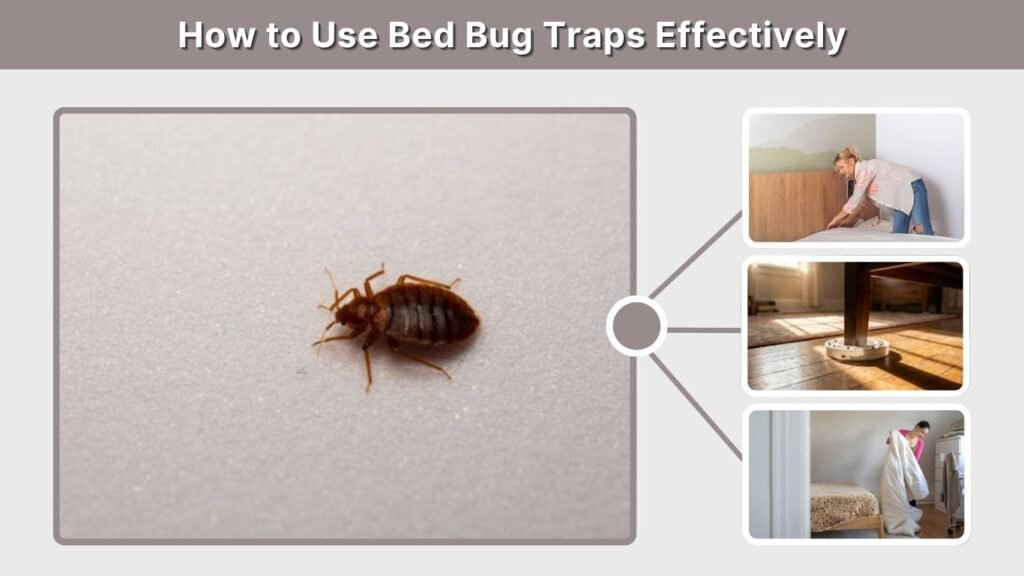
Correct installation can substantially improve monitoring results. Even well-designed traps become less effective if bed bugs can reach sleeping areas without crossing them.
The most useful approach combines traps with regular inspection and appropriate control measures.
Proper Bed Bug Trap Placement
- Move the bed away from walls: Prevent bed bugs from using walls as an alternative pathway onto the bed.
- Place interceptors under bed legs: Ensure each furniture leg sits securely inside an appropriately sized interceptor.
- Keep bedding off the floor: Sheets and blankets touching the ground can allow insects to bypass traps.
- Remove clutter around the bed: Reduce nearby hiding areas and improve access for inspection.
- Inspect traps regularly: Check for captured insects, dust accumulation, and damaged surfaces.
- Continue monitoring after treatment: Keep suitable monitors installed to help detect remaining bed bugs.
The EPA recommends bed isolation and interceptor monitoring as parts of a broader bed bug management strategy.
Do Homemade Bed Bug Traps Work?
Homemade bed bug traps can sometimes detect insects, particularly when they incorporate a properly designed pitfall and an effective attractant.
However, homemade devices vary greatly in reliability and should not replace professional treatment when an established infestation exists.
Do Sugar and Yeast Bed Bug Traps Work?
Yes, certain sugar-and-yeast traps can work for monitoring bed bugs.
When yeast ferments sugar, it produces carbon dioxide that attracts bed bugs. Rutgers research found that properly constructed yeast-generated CO2 traps can successfully detect infestations.
However, simply mixing yeast and sugar without an effective trapping chamber will not reliably capture bed bugs.
Do Dry Ice Bed Bug Traps Work?
Dry ice releases carbon dioxide as it sublimates, potentially attracting nearby bed bugs.
Studies have shown that appropriately designed dry-ice traps can detect bed bug activity. Nevertheless, dry ice presents serious handling and ventilation hazards and should never be placed inside sealed containers.
A commercially designed monitoring device is generally more practical for household use.
Can Bed Bug Traps Completely Eliminate an Infestation?
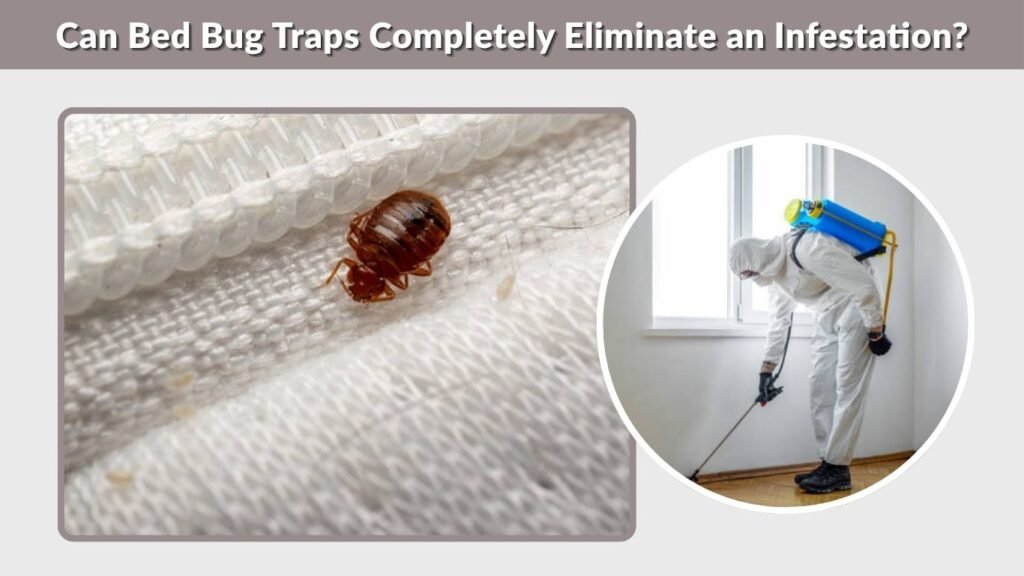
Bed bug traps can reduce the number of insects moving through monitored areas, but they are not a dependable standalone solution for complete elimination.
Bed bugs hiding in furniture, eggs protected in crevices, and insects using alternative routes may remain unaffected.
What Should You Do Alongside Bed Bug Traps?
Successful control usually requires a combination of monitoring, sanitation, and treatment.
Vacuuming accessible hiding areas helps remove insects. Mattress and box-spring encasements can contain bed bugs already inside, while appropriately applied heat treatments or registered insecticides can address active infestations.
Professional pest management may be necessary when bed bugs are widespread or repeatedly return.
The EPA recommends integrated pest management rather than relying on a single product or method.
FAQs
1. Do bed bug interceptor traps really work?
Yes. Interceptor traps effectively capture bed bugs moving along furniture legs. They are useful for detection and monitoring but cannot capture insects using other pathways.
2. Do bed bug sticky traps work?
Ordinary sticky traps are generally ineffective for reliable bed bug detection. Interceptor traps are usually a better option.
3. Do CO2 bed bug traps work?
Yes. Properly designed CO2 traps can attract and capture bed bugs, making them useful for detecting infestations, including in unoccupied rooms.
4. How long should you leave bed bug traps out?
Keep traps installed during treatment and continue checking them afterward. Monitoring may be needed for months, depending on the infestation and treatment results.
5. Do bed bug traps work for fleas?
Bed bug interceptors are designed for crawling bed bugs, not jumping fleas. Flea-specific monitoring traps are more appropriate for detecting fleas.