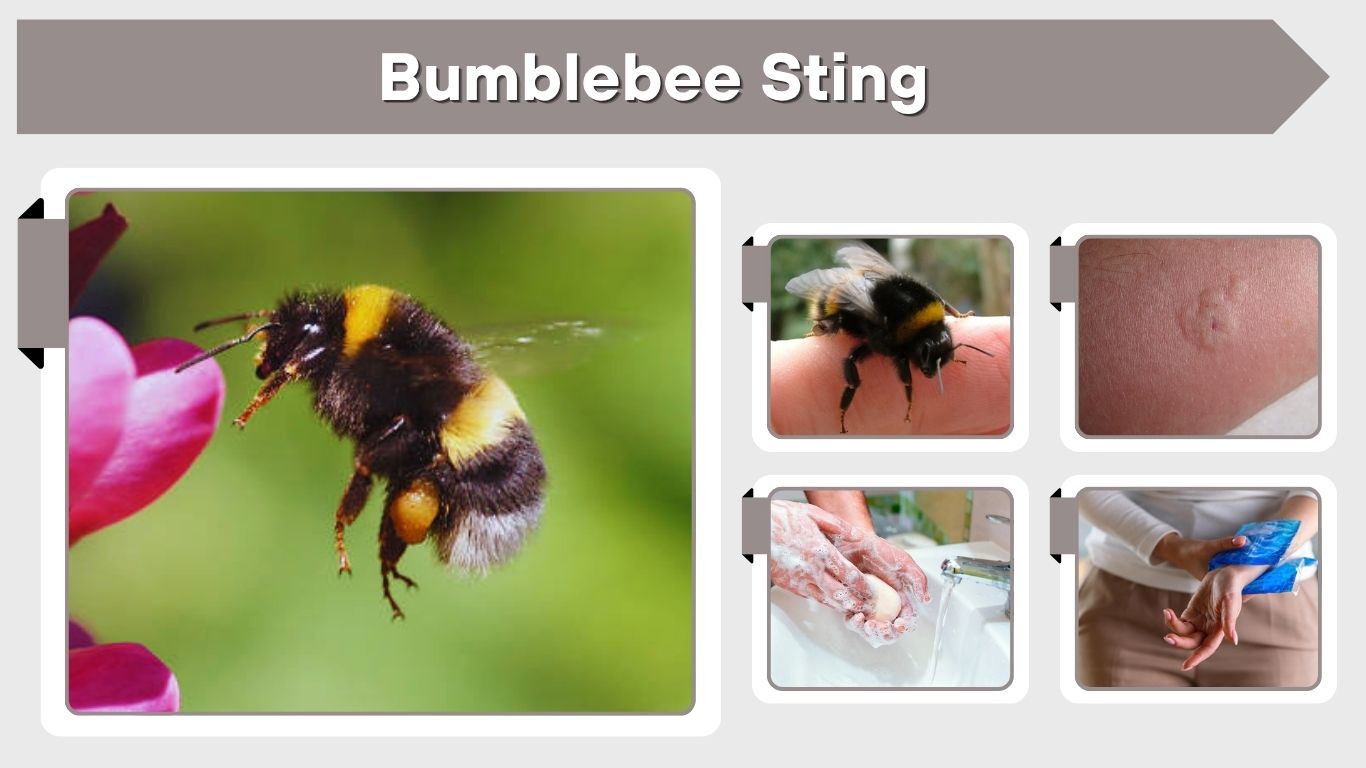
A bumblebee sting can be painful and surprising, especially for people who are unfamiliar with these fuzzy pollinators. Although bumblebees are generally gentle insects, they can sting when they feel threatened or when their nest is disturbed. Most bumblebee stings cause only mild symptoms such as redness, swelling, and temporary pain. However, some individuals may experience stronger reactions that require medical attention. Understanding how bumblebees sting, what symptoms to expect, and how to treat a sting can help reduce discomfort and prevent complications.
Can a Bumblebee Sting?
Many people wonder whether bumblebees are capable of stinging. Because bumblebees are known for their calm behavior, some assume they cannot sting at all. In reality, female bumblebees possess functional stingers and can use them for defense. Understanding who can sting and why helps explain how these insects protect themselves.
Do Bumblebees Sting?
Yes, bumblebees can sting. Worker bees and queens have stingers that they use when they feel threatened. However, they are generally less aggressive than many other stinging insects and usually avoid conflict whenever possible.
Can a Bumblebee Sting You?
A bumblebee can sting a person if it feels trapped, threatened, or if someone disturbs its nest. Most stings occur accidentally when a bee is handled, stepped on, or compressed against the skin.
Do Male Bumblebees Sting?
Male bumblebees cannot sting because they do not possess stingers. Only females have modified egg-laying structures that function as stingers.
Why Bumblebees Sting
Common reasons for stinging include:
- Protecting the nest
- Defending themselves from predators
- Being accidentally stepped on
- Feeling trapped against skin or clothing
- Being handled improperly
Most bumblebees prefer flying away rather than attacking.
Does a Bumblebee Sting or Bite?
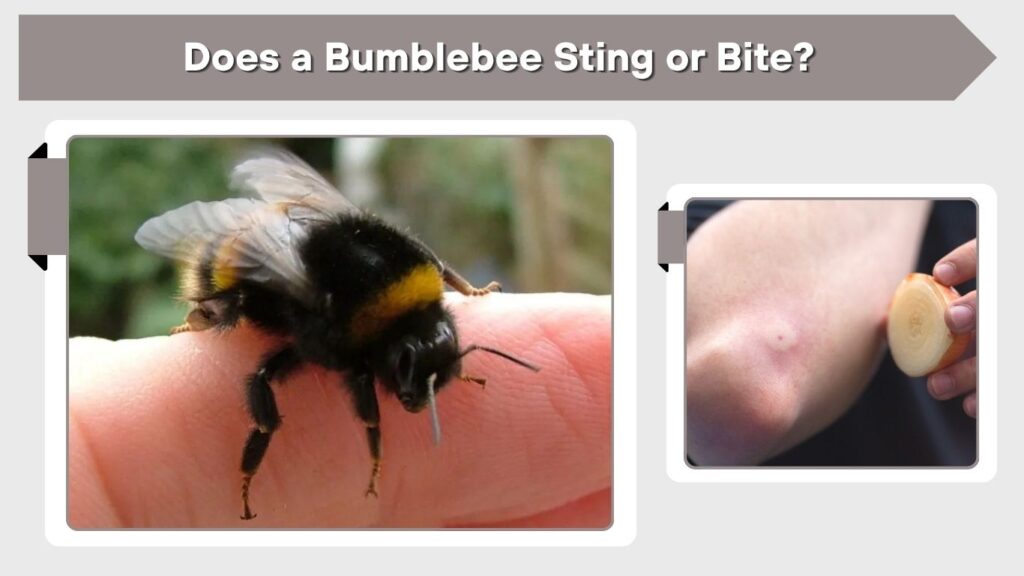
Many people use the terms bite and sting interchangeably when discussing insects. However, bumblebees rely on stingers rather than bites for defense. Understanding this distinction helps explain why sting symptoms occur and how venom enters the body.
Bumblebee Bite vs Sting
Bumblebees possess mouthparts designed for collecting nectar and pollen, not for injuring people. When a person is injured by a bumblebee, the damage comes from the stinger rather than the mouth.
How a Bumblebee Uses Its Stinger
When threatened, the bee extends its stinger and injects venom into the skin. The venom causes pain and inflammation that discourage predators from continuing their attack.
What Is Bumblebee Venom?
Bumblebee venom contains proteins and compounds that trigger pain and swelling. For most people, these effects remain localized around the sting site and disappear within a short period.
What Does a Bumblebee Sting Look Like?
Most bumblebee stings produce a recognizable skin reaction. The appearance may vary slightly depending on the individual’s sensitivity, but common symptoms are usually easy to identify. Knowing what a normal sting looks like can help distinguish mild reactions from more serious situations.
Immediate Sting Appearance
A fresh sting often appears as a small red bump surrounded by mild swelling. The affected area may become warm and tender within minutes of the sting.
Common Skin Reactions
After a sting, many people experience:
- Redness
- Swelling
- Itching
- Tenderness
- Mild inflammation
These reactions typically improve within a few hours or days.
Bumblebee Sting Swelling
Swelling is a natural response to venom entering the skin. In most cases, swelling remains limited to the immediate area surrounding the sting and gradually decreases over time.
Bumblebee Sting Symptoms
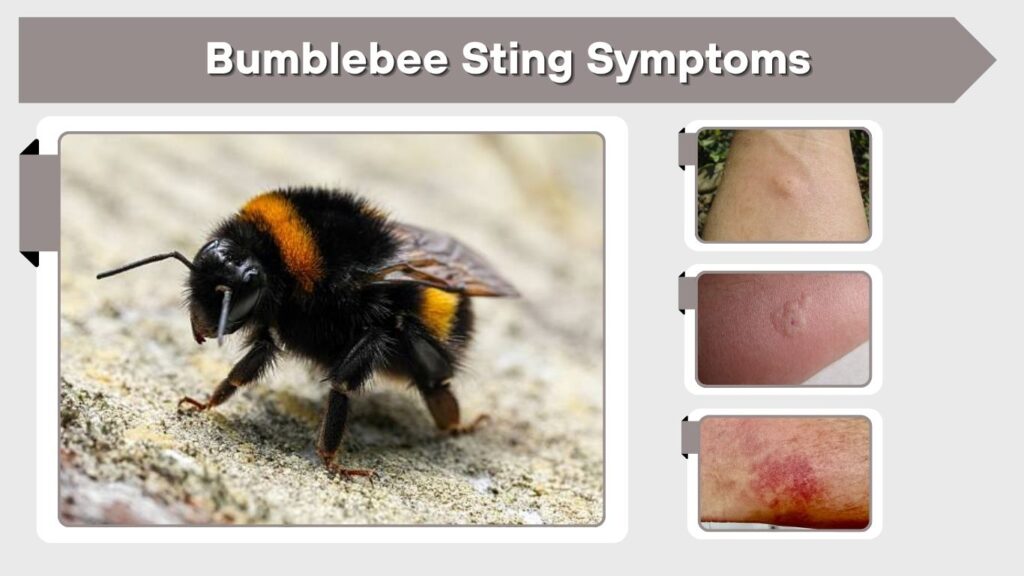
Symptoms vary depending on the location of the sting, the amount of venom injected, and an individual’s sensitivity. Most reactions are mild and temporary, but some people may experience more noticeable effects.
Mild Symptoms
A typical bumblebee sting causes brief discomfort followed by localized irritation. Pain usually begins immediately and decreases steadily over the next several hours.
Moderate Reactions
Some individuals experience larger areas of swelling or redness. Although these reactions may appear alarming, they are not necessarily signs of a dangerous allergy.
Severe Allergic Reactions
In rare cases, a person may develop a serious allergic reaction known as anaphylaxis. Symptoms can include difficulty breathing, swelling of the face or throat, dizziness, and a rapid heartbeat.
When Symptoms Become Serious
Seek emergency medical care if any of the following occur:
- Difficulty breathing
- Facial swelling
- Severe dizziness
- Widespread hives
- Loss of consciousness
Prompt treatment is essential for severe allergic reactions.
Does a Bumblebee Sting Hurt?
Pain is one of the most common concerns people have after a bumblebee sting. While the sting can be uncomfortable, the level of pain varies widely among individuals. Factors such as sting location, personal sensitivity, and previous exposure to bee venom all influence the experience.
Bumblebee Sting Pain Scale
Most people describe a bumblebee sting as producing an immediate sharp sensation followed by a burning or throbbing feeling. The pain is generally considered moderate and short-lived compared to stings from more aggressive insects.
How Bad Is a Bumblebee Sting?
For most healthy adults, the discomfort is manageable and improves quickly. The majority of people recover without medical treatment and experience only temporary redness, swelling, and soreness.
Bumblebee Sting Treatment
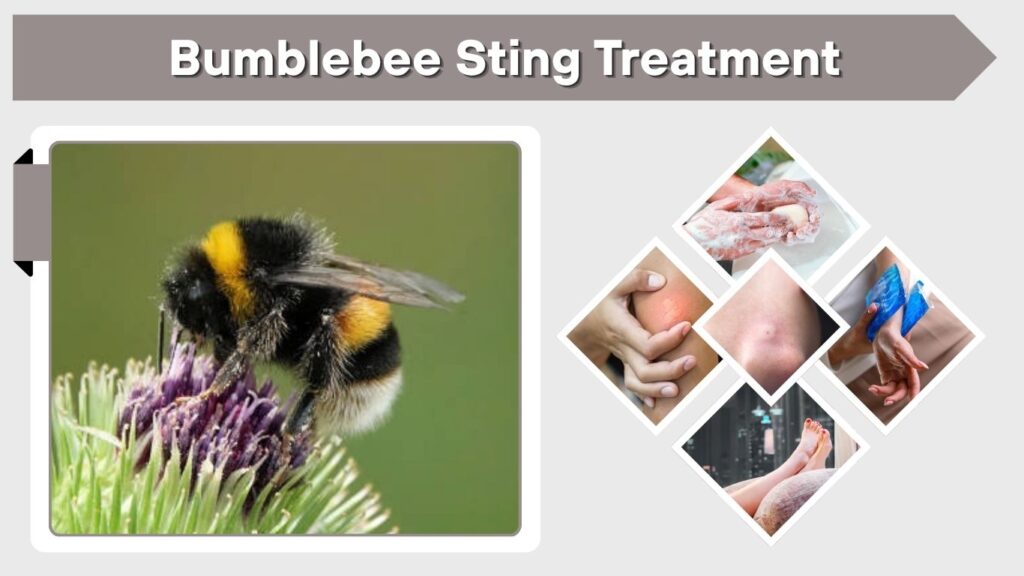
Most bumblebee stings can be treated at home with simple first-aid measures. Quick treatment helps reduce pain, swelling, and irritation while lowering the risk of complications. Knowing what to do immediately after a sting can make recovery faster and more comfortable.
What To Do for a Bumblebee Sting
The first step is to move away from the area where the sting occurred. This helps prevent additional stings and allows you to focus on treatment.
How To Treat a Bumblebee Sting
Basic treatment usually includes:
- Washing the area with soap and water
- Applying a cold compress
- Elevating the affected area if possible
- Avoiding scratching the sting site
- Monitoring for allergic reactions
These steps help reduce inflammation and discomfort.
What To Put on a Bumblebee Sting
Many people find relief by using anti-itch creams, hydrocortisone cream, or antihistamines. Ice packs can also help reduce swelling and numb the pain temporarily.
How Long Does a Bumblebee Sting Last?
Recovery time varies depending on the person’s sensitivity and the severity of the sting. Most mild reactions improve quickly, while larger local reactions may take several days to resolve completely.
Typical Healing Timeline
For most people, pain begins to decrease within a few hours. Redness and swelling often improve over the following one to three days.
Swelling Duration
Mild swelling generally disappears within a day or two. Larger reactions may remain visible for several days before gradually subsiding.
Itching and Redness Recovery
Itching commonly develops after the initial pain fades. This symptom is usually temporary and often resolves within a few days without treatment.
Can a Bumblebee Sting More Than Once?
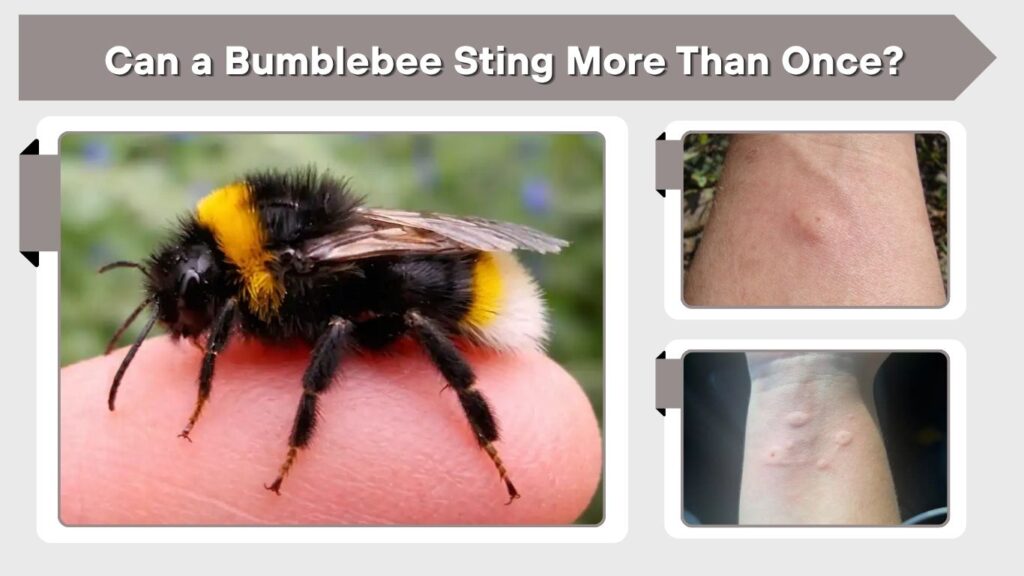
Unlike honey bees, bumblebees have a unique stinger structure that allows them to sting repeatedly. This difference surprises many people because honey bee stings are more widely discussed.
How Many Times Can a Bumblebee Sting?
A bumblebee can sting multiple times if it feels threatened. Because its stinger is smooth rather than heavily barbed, it can withdraw the stinger and use it again.
Can a Bumblebee Sting Multiple Times?
Yes. If a bumblebee continues to feel endangered, it may deliver more than one sting. Fortunately, these insects are generally calm and rarely attack without a reason.
Does a Bumblebee Die After Stinging?
No. Unlike honey bees, bumblebees do not usually die after stinging. Their smooth stingers remain intact, allowing them to survive and continue functioning normally.
Honey Bee vs Bumblebee Sting
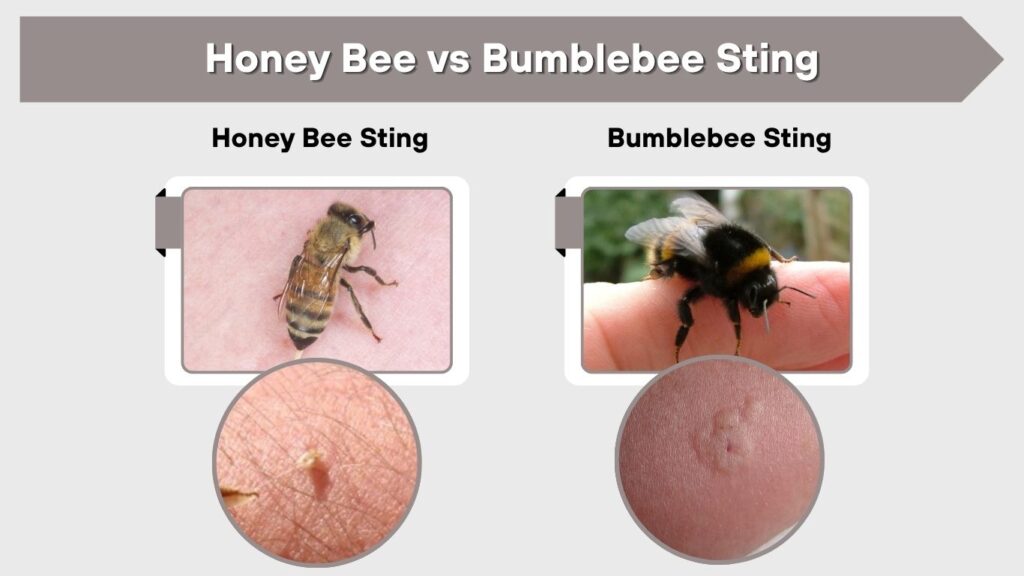
Although both insects can sting, important differences exist between honey bee and bumblebee stings. Understanding these distinctions helps people identify what happened after a bee encounter.
Stinger Structure Comparison
Honey bees possess barbed stingers that often become lodged in human skin. Bumblebees have smoother stingers that can be removed easily after use.
Pain Differences
Both stings can be painful, but individual experiences vary. Many people describe bumblebee stings as moderately painful with temporary burning and throbbing sensations.
Which Bee Is More Likely To Sting?
Neither species is naturally aggressive when foraging. However, honey bees may become defensive near their hive, while bumblebees are more likely to sting only when directly threatened or when their nest is disturbed.
Bumblebee Sting and Pets
Dogs and other pets occasionally investigate bees and may get stung on the face, nose, or paws. Curious pets are especially vulnerable because they often try to sniff or chase insects.
Bumblebee Sting Dog Symptoms
Common symptoms in dogs include:
- Pawing at the face
- Swelling around the mouth
- Whining or discomfort
- Redness
- Excessive licking
Most cases are mild and improve with time.
When To Contact a Veterinarian
Veterinary care may be necessary if a pet develops severe swelling, breathing difficulties, repeated vomiting, or signs of an allergic reaction. Immediate treatment can prevent serious complications.
Bumblebee Sting Myths
Many misconceptions about bumblebee stings continue to circulate online and through word of mouth. Understanding the facts helps reduce unnecessary fear and promotes a better appreciation of these important pollinators.
Myth: Bumblebees Always Sting
Bumblebees are generally gentle insects. Most spend their time collecting nectar and pollen and have little interest in people.
Myth: Bumblebees Die After Every Sting
This statement is false. Bumblebees can survive stinging because their stingers do not become lodged in the skin like those of honey bees.
Myth: Bumblebee Stings Are Extremely Dangerous
For most healthy individuals, a bumblebee sting causes only temporary pain, swelling, and redness. Serious allergic reactions are uncommon but require immediate medical attention.
FAQs
Can a bumblebee sting more than once?
Yes. Bumblebees have smooth stingers and can sting multiple times without losing the stinger.
Does a bumblebee die after stinging?
No. Unlike honey bees, bumblebees usually survive after stinging.
How long does a bumblebee sting hurt?
The pain often lasts a few hours, while swelling and redness may remain for one to three days.
What should I do immediately after a bumblebee sting?
Wash the area, apply a cold compress, and monitor for signs of an allergic reaction.
Are bumblebee stings dangerous?
Most stings are mild, but individuals with bee venom allergies may experience serious reactions requiring emergency medical care.