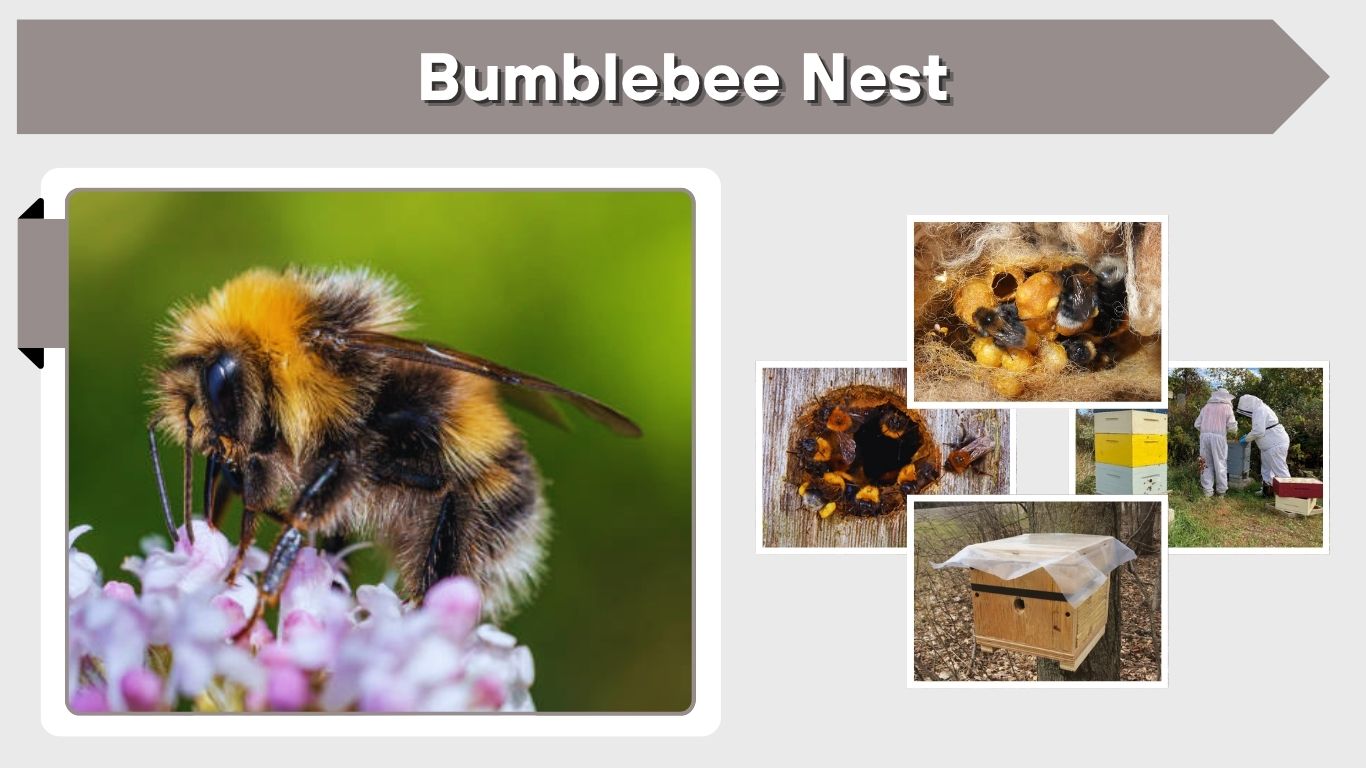
Bumblebee nests are fascinating structures that serve as seasonal homes for some of nature’s most important pollinators. Unlike honey bee hives, bumblebee nests are relatively small, temporary, and often hidden from view. Many people discover them in gardens, lawns, sheds, or even inside walls and wonder whether they should be concerned. Understanding what a bumblebee nest looks like, where bumblebees build their colonies, and how these nests function can help homeowners identify them correctly and appreciate the valuable role they play in supporting local ecosystems.
What Is a Bumblebee Nest?
A bumblebee nest is the center of a bumblebee colony where the queen, workers, and developing young live together. These nests provide shelter, protection, and a safe place for raising larvae. Unlike honey bee hives that may persist for years, bumblebee nests typically exist for only one season before the colony naturally dies out.
Bumblebee Nest Definition
A bumblebee nest is a seasonal colony created by a queen bumblebee after emerging from winter hibernation. The nest becomes home to worker bees, developing larvae, and food stores that support colony growth.
Who Lives in a Bumblebee Nest?
Several members of the colony occupy the nest throughout the season.
- Queen bumblebee
- Worker bees
- Male bees
- Developing larvae
- Pupae in protective cells
Each member plays a specific role in ensuring the survival and success of the colony.
Why Bumblebees Build Nests
Nests provide a protected environment where young bees can develop safely. They also serve as a central location for storing pollen and nectar collected by worker bees.
What Does a Bumblebee Nest Look Like?
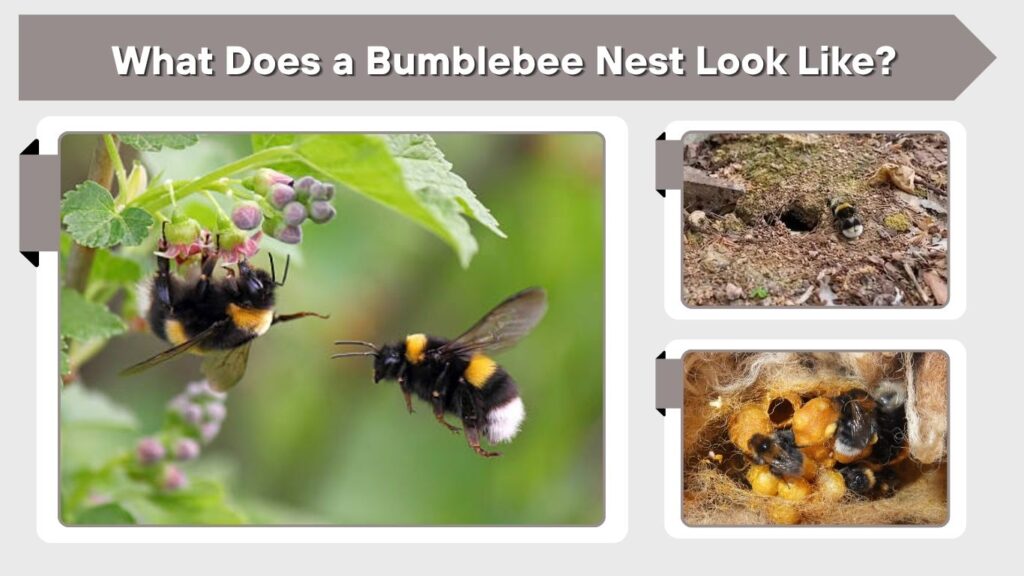
Many people struggle to identify bumblebee nests because they are often hidden underground or inside sheltered structures. Unlike the large wax combs associated with honey bees, bumblebee nests are less organized and frequently concealed from view.
Bumblebee Nest Appearance
A typical bumblebee nest consists of wax cells, stored pollen, nectar pots, and clusters of developing brood. The nest often appears messy compared to the structured arrangement of a honey bee hive.
Signs of a Bumblebee Nest
Common signs include:
- Frequent bee activity in one area
- Bees entering and exiting a small hole
- Buzzing sounds near the nest entrance
- Increased bee traffic during warm weather
- Nesting activity in grass or vegetation
These signs can help identify a colony without disturbing it.
What Do Bumblebee Nests Look Like Underground?
Underground nests often occupy abandoned rodent burrows. The entrance may appear as a small hole surrounded by occasional bee traffic. Most of the colony remains hidden beneath the surface.
Where Do Bumblebees Build Nests?
Bumblebees use a wide variety of nesting locations depending on species, habitat, and available shelter. Many colonies are established in hidden areas where they are protected from predators and harsh weather conditions.
Bumblebee Nest in Ground
Ground nesting is one of the most common behaviors among bumblebee species. Queens frequently choose abandoned animal burrows because they provide ready-made shelter and insulation.
Underground Bumblebee Nest
Underground colonies are often difficult to locate unless worker bees are observed repeatedly entering and leaving the same opening. These nests are generally well protected from temperature fluctuations and environmental disturbances.
Common Nest Locations
Bumblebees may establish nests in:
- Grass-covered areas
- Gardens
- Compost piles
- Beneath sheds
- Under decks and patios
These locations offer protection while remaining close to flowering plants that provide food.
Bumblebee Nests in Buildings
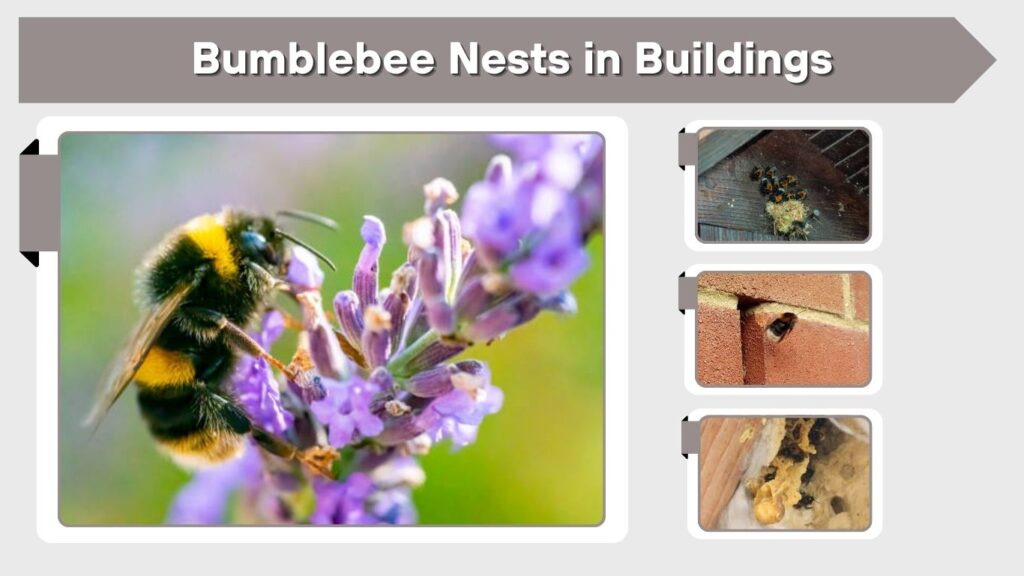
Although bumblebees often nest outdoors, they occasionally establish colonies inside buildings. Protected spaces within structures can provide suitable shelter and stable environmental conditions throughout the nesting season.
Bumblebee Nest in House
Bumblebees sometimes enter homes through small openings and create nests inside wall voids, crawl spaces, or unused storage areas. While this can be surprising, colonies are generally temporary.
Bumblebee Nest in Wall
Wall cavities offer protection from weather and predators. Homeowners may notice bees entering through cracks, vents, or gaps in exterior walls before discovering a hidden colony.
Bumblebee Nest in Shed or Garage
Sheds and garages frequently provide quiet, undisturbed spaces suitable for nesting. Colonies may develop behind stored items, within insulation, or beneath flooring materials.
Bumblebee Nest Lifecycle
A bumblebee colony follows a predictable annual cycle. Understanding this lifecycle helps explain why nests appear during warmer months and disappear once the season ends.
Queen Bumblebee Establishment
The colony begins when a fertilized queen emerges from hibernation in spring. She searches for a suitable nesting site and starts laying eggs after collecting enough pollen and nectar.
Worker Bee Development
The first generation of workers assumes responsibility for gathering food and maintaining the nest. This allows the queen to focus entirely on reproduction.
How Long Does a Bumblebee Nest Last?
Most bumblebee colonies survive for only a single season. By late summer or early autumn, the colony produces new queens and males. After mating, the original colony gradually dies off, while newly fertilized queens seek sheltered locations to spend the winter.
How Big Is a Bumblebee Nest?
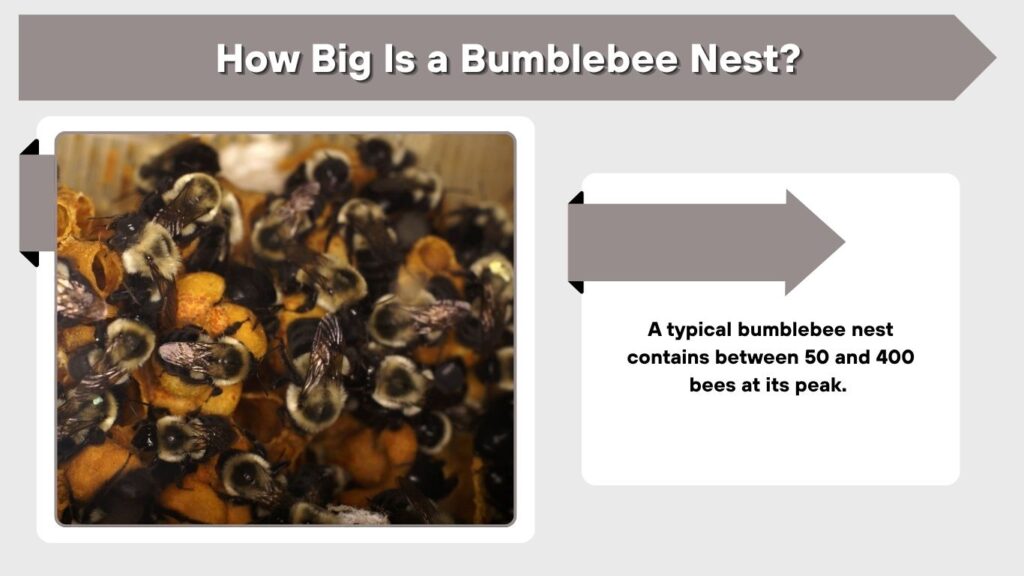
Many people are surprised to learn that bumblebee nests are much smaller than honey bee hives. While honey bee colonies can contain tens of thousands of bees, bumblebee colonies are typically modest in size. The exact number depends on the species, environmental conditions, and the success of the queen during the nesting season.
Average Bumblebee Nest Size
A typical bumblebee nest contains between 50 and 400 bees at its peak. Most colonies remain relatively small compared to other social bee species.
How Many Bees Live in a Bumblebee Nest?
The number of bees varies throughout the season. Early in the year, the queen is often the only resident. As workers emerge and begin foraging, the colony expands rapidly.
How Big Do Bumblebee Nests Get?
Common nest characteristics include:
- Several dozen to a few hundred bees
- Wax brood cells
- Nectar storage pots
- Pollen storage chambers
- Developing larvae and pupae
Even large colonies are generally compact enough to fit inside a small underground cavity or sheltered space.
Are Bumblebee Nests Dangerous?
Bumblebees are generally considered gentle pollinators, but any colony may become defensive if threatened. Understanding their behavior helps homeowners decide whether a nest poses a genuine concern or can safely remain undisturbed.
Are Bumblebee Nests Aggressive?
Most bumblebees focus on collecting nectar and pollen rather than defending territory. Workers usually ignore nearby people unless the nest is disturbed or directly threatened.
Bumblebee Guarding Nest Behavior
Worker bees may patrol the entrance of an active colony. If they perceive danger, they may buzz loudly, fly toward the threat, or adopt defensive postures to protect the nest.
Risks Around Children and Pets
Potential concerns include:
- Accidental nest disturbance
- Curious pets investigating entrances
- Children playing near colonies
- Increased activity around pathways
- Allergic reactions to stings
Most conflicts can be avoided by giving the nest adequate space.
Bumblebee Nest Removal
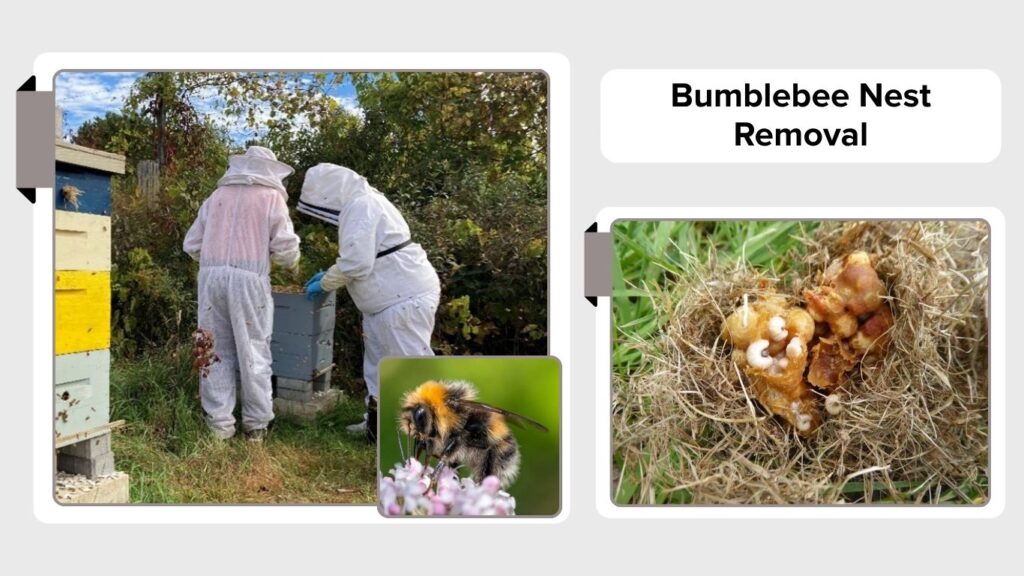
In many situations, the best approach is to leave a bumblebee nest alone until the colony completes its natural lifecycle. Because nests are temporary and beneficial for pollination, removal is often unnecessary unless safety concerns exist.
When Removal May Be Necessary
Removal may be considered when a nest is located near frequently used entrances, play areas, or places where people or pets are at risk of disturbing the colony.
Can You Move a Bumblebee Nest?
Relocating a bumblebee nest can be challenging because colonies are sensitive to disturbance. In many cases, professional wildlife or pest management services are better equipped to assess relocation options.
How To Get Rid of a Bumblebee Nest
If a nest creates a significant safety concern, consider:
- Contacting a local bee specialist
- Consulting wildlife removal professionals
- Restricting access to the area
- Waiting until the colony naturally declines
- Following local regulations regarding pollinators
Whenever possible, conservation-friendly solutions are preferred.
How To Find a Bumblebee Nest
Because most nests are hidden, locating them can require patience and careful observation. Worker bees provide valuable clues that help reveal the colony’s location.
Signs of Nest Activity
One of the easiest ways to find a nest is by watching bee flight patterns. Workers repeatedly travel between flowers and the colony entrance throughout the day.
Tracking Worker Bees
Observe where individual bees disappear after collecting nectar or pollen. Following their flight path may eventually reveal the nest entrance.
Best Time To Search
Helpful times for locating nests include:
- Warm spring afternoons
- Early summer mornings
- Calm weather conditions
- Peak flowering periods
- Times of heavy bee activity
These conditions increase the likelihood of observing worker movement.
Bumblebee Nest Box Guide
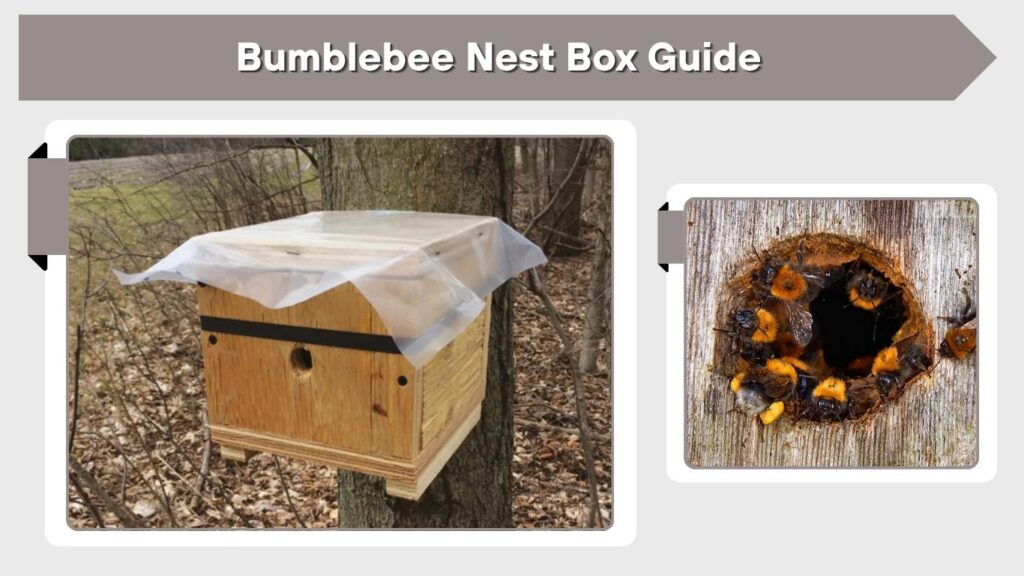
Artificial nesting boxes are becoming increasingly popular among gardeners and conservation enthusiasts. These structures provide potential nesting sites and may help support local bumblebee populations.
What Is a Bumblebee Nest Box?
A bumblebee nest box is a specially designed shelter intended to mimic natural nesting locations. It offers protection while encouraging queens to establish colonies nearby.
Benefits of Bumblebee Nest Boxes
Nest boxes can provide several advantages for pollinator conservation and garden biodiversity.
- Support local bee populations
- Increase pollination activity
- Encourage wildlife diversity
- Provide educational opportunities
- Promote conservation awareness
Success rates vary, but properly designed boxes can attract nesting queens.
How To Build a Bumblebee Nest Box
A basic nest box should include insulation, ventilation, and a protected entrance. Placement in a quiet, partially shaded area increases the likelihood of attracting a queen searching for a nesting site.
Bumblebee Nest vs Honey Bee Nest
Although both bees live in colonies, their nests differ significantly in structure, size, and longevity. Understanding these differences helps prevent misidentification.
Nest Structure Comparison
Bumblebee nests are smaller, less organized, and often hidden underground or within sheltered cavities. Honey bee hives contain highly structured wax combs designed for long-term colony survival.
Colony Size Differences
Honey bee colonies may contain tens of thousands of individuals, whereas bumblebee colonies usually consist of only a few hundred bees at their peak.
Which Nest Is Easier To Identify?
Honey bee hives are generally easier to recognize because of their larger size and visible comb structure. Bumblebee nests remain concealed and are often discovered only after observing repeated bee activity.
FAQs
Will Bumblebees Reuse an Old Nest?
Generally, bumblebees do not reuse old nests. Each spring, a new queen searches for a suitable nesting site and establishes a brand-new colony. Old nests are usually abandoned at the end of the season.
Do Bumblebee Nests Smell?
Most bumblebee nests produce little to no noticeable odor. However, large or aging colonies may develop a mild earthy or wax-like smell due to accumulated pollen, nectar, and nesting materials.
Can Bumblebees Nest in Bird Boxes?
Yes. Some bumblebee species may use abandoned bird boxes as nesting sites because they provide shelter, insulation, and protection from predators. Bird boxes located in quiet areas are especially attractive to queens searching for nesting locations.
Should I Remove a Bumblebee Nest From My Garden?
In most cases, no. Bumblebees are important pollinators and their nests are temporary. If the nest is not located in a high-traffic area and does not pose a risk to people or pets, it is usually best to leave it undisturbed until the colony naturally dies out.
How Can I Tell if a Bumblebee Nest Is Active?
An active nest typically shows regular bee activity throughout the day. You may notice worker bees repeatedly entering and exiting a small opening, especially during warm weather when flowers are abundant. Consistent movement around the same location is one of the clearest signs of an active bumblebee colony.