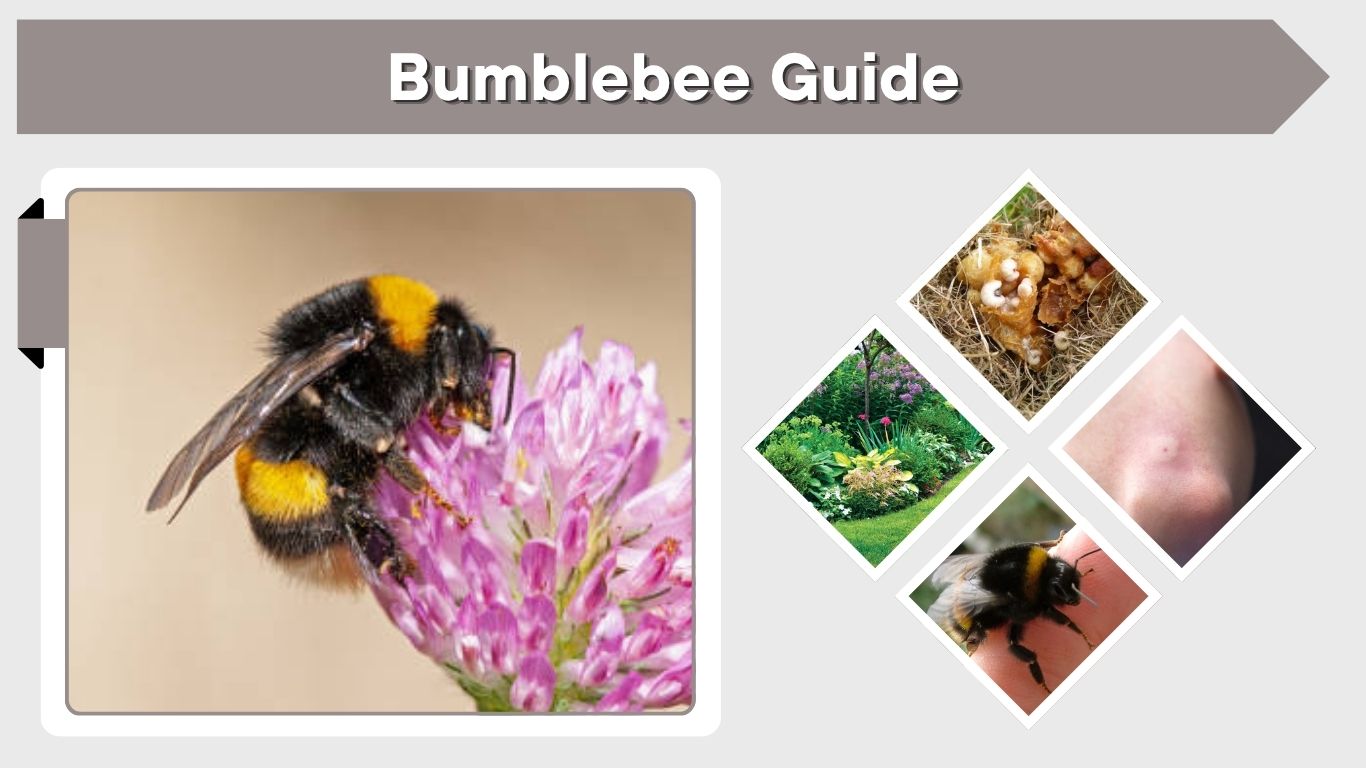
Bumblebees are among the most important pollinators in nature. Their fuzzy bodies, gentle behavior, and ability to pollinate a wide variety of plants make them valuable to both ecosystems and agriculture. Unlike honey bees, bumblebees live in smaller colonies and produce very little honey. Many people wonder whether bumblebees can sting, where they build nests, and how they differ from other bee species. Understanding their habits, appearance, and role in pollination helps explain why these insects are essential for maintaining healthy environments.
What Is a Bumblebee?
Bumblebees are large, hairy bees belonging to the genus Bombus. They are social insects that live in colonies led by a queen. Known for their excellent pollination abilities, bumblebees are found in many regions around the world. Their fuzzy bodies help them collect pollen efficiently, making them important contributors to plant reproduction and food production.
Bumblebee Definition
A bumblebee is a social bee species that lives in small colonies and feeds primarily on nectar and pollen. Unlike some other bees, bumblebees are capable of pollinating plants in cooler temperatures and lower light conditions.
Physical Characteristics
Bumblebees are easily recognized by their rounded, fuzzy appearance. Their bodies are covered in dense hairs that trap pollen while they move from flower to flower.
Why Bumblebees Are Important
Bumblebees provide several important benefits:
- Pollinate flowering plants
- Support food crop production
- Increase fruit and seed yields
- Help maintain biodiversity
- Support healthy ecosystems
Without pollinators such as bumblebees, many plants would struggle to reproduce successfully.
What Does a Bumblebee Look Like?
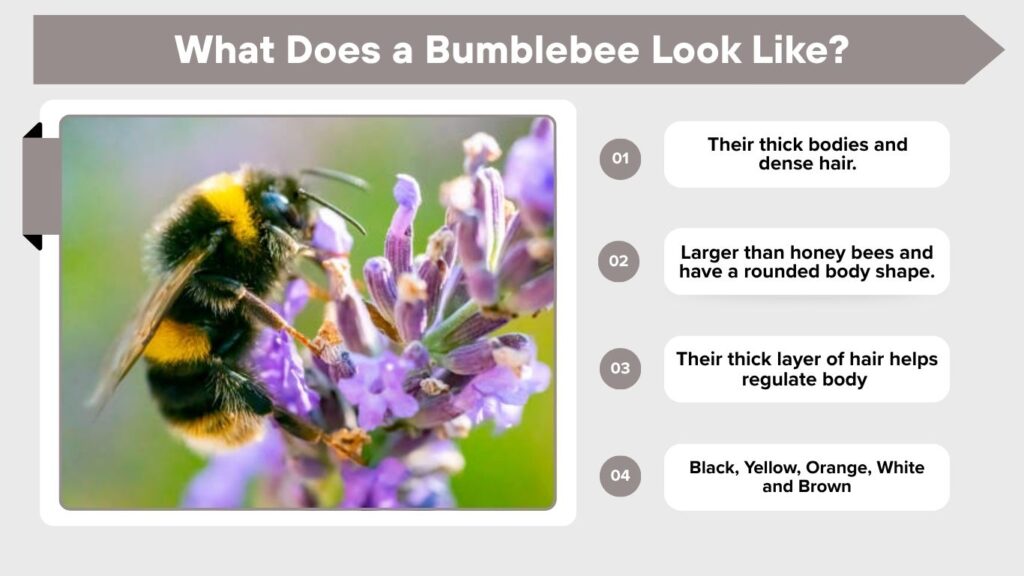
Bumblebees have a distinctive appearance that separates them from other bee species. Their thick bodies and dense hair make them appear larger and fluffier than many other pollinators. These physical features also help them survive in cooler climates where other bees may be less active.
Size and Appearance
Most bumblebees are larger than honey bees and have a rounded body shape. Their thick layer of hair helps regulate body temperature and improves pollen collection.
Common Color Patterns
Color patterns vary by species, but many bumblebees display combinations of:
- Black
- Yellow
- Orange
- White
- Brown
These markings can help identify different species and may also serve as warning signals to predators.
Queen, Worker, and Male Bumblebees
A bumblebee colony contains different types of individuals. Queens are the largest members and are responsible for reproduction. Workers gather food and maintain the nest, while males primarily focus on mating during the breeding season.
Where Do Bumblebees Live?
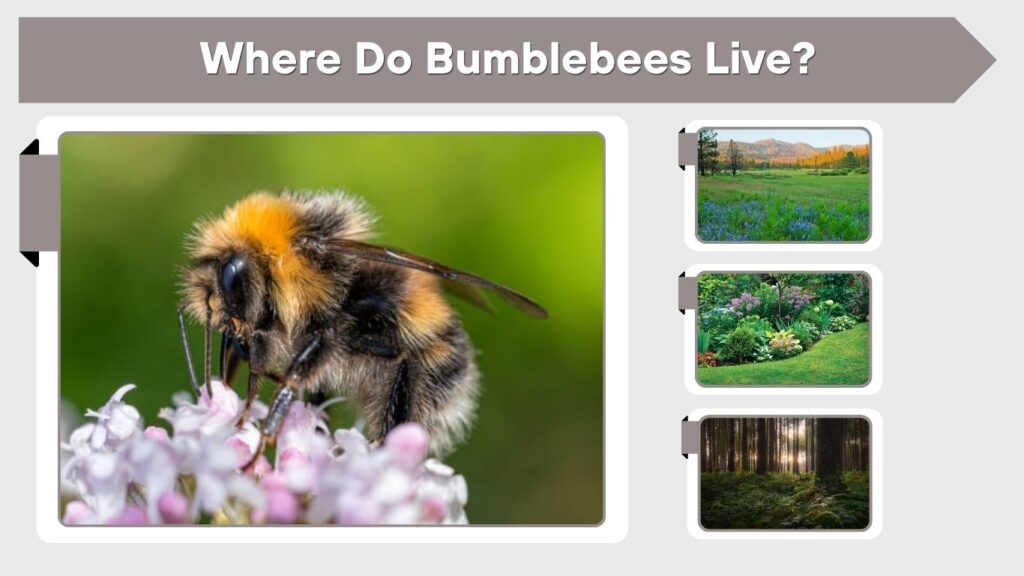
Bumblebees are found across many regions of the world. They prefer habitats that provide abundant flowering plants, suitable nesting locations, and access to water. Their ability to tolerate cooler temperatures allows them to thrive in areas where some other bee species are less common.
Bumblebee Habitat
Bumblebees commonly inhabit meadows, gardens, forests, grasslands, and agricultural areas. These environments provide the nectar and pollen resources necessary for colony survival.
Geographic Distribution
Different species of bumblebees can be found throughout:
- North America
- Europe
- Asia
- South America
- Arctic and mountainous regions
Their adaptability allows them to survive in a wide range of climates and elevations.
Seasonal Activity
Bumblebee activity changes throughout the year. Queens emerge in spring to establish new colonies, while worker populations increase during summer when flowers are most abundant.
Bumblebee Nest Explained
Unlike honey bees, which often build large permanent hives, bumblebees typically establish smaller nests that last for only one season. These nests provide shelter, protection, and a place for raising young bees.
What Is a Bumblebee Nest?
A bumblebee nest is the central home of the colony. It contains developing larvae, stored food, and the queen. Most nests are hidden from view and remain active only during the warm months of the year.
Common Nesting Locations
Bumblebees often choose protected locations such as:
- Abandoned rodent burrows
- Dense grass clumps
- Compost piles
- Hollow logs
- Wall cavities
These locations help shield the colony from predators and weather extremes.
What Happens Inside a Bumblebee Colony?
Within the nest, workers care for larvae, collect nectar and pollen, and help regulate nest temperature. The queen focuses primarily on laying eggs to support colony growth throughout the season.
Can a Bumblebee Sting?
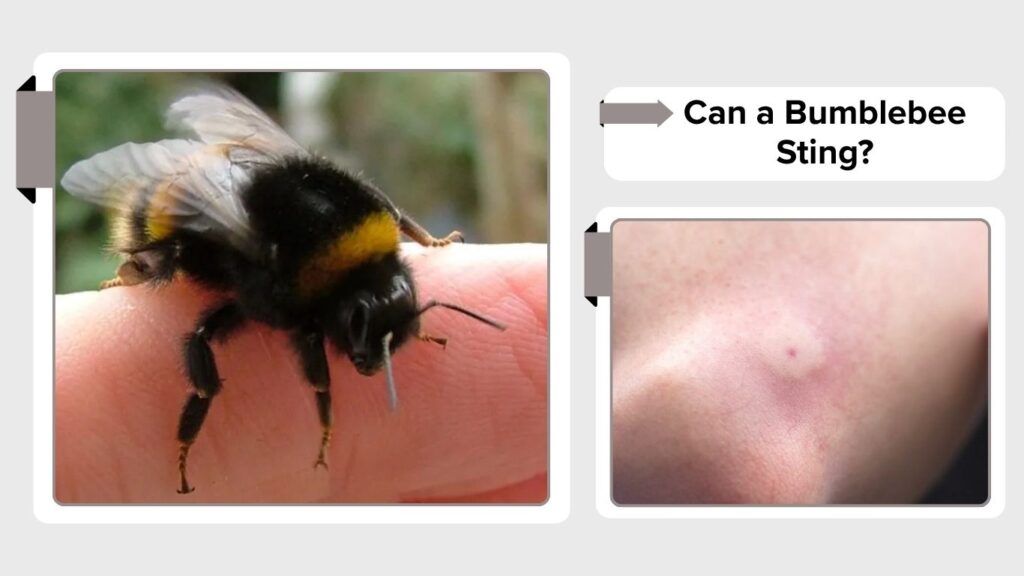
Many people associate bees with painful stings, leading to concerns when they encounter bumblebees. Fortunately, bumblebees are generally calm insects that prefer avoiding conflict. Most stings occur only when a bee feels threatened or when its nest is disturbed.
Do Bumblebees Sting?
Yes, bumblebees can sting. Female bumblebees possess stingers, while males do not. Unlike honey bees, bumblebees can sting multiple times because their stingers do not become lodged in the skin.
Why Bumblebees Sting
Bumblebees typically sting as a defensive response. Situations that may trigger stinging include handling the bee, disturbing the nest, or accidentally stepping on one while walking outdoors.
Are Bumblebees Aggressive?
Bumblebees are generally considered less aggressive than many people expect. They spend most of their time collecting nectar and pollen and usually ignore humans unless they feel directly threatened.
Bumblebee Sting Guide
Although bumblebee stings are usually mild, they can be painful and uncomfortable. Most healthy individuals recover quickly without medical treatment. However, understanding the symptoms and proper first-aid measures can help reduce discomfort and ensure a safe response if a sting occurs.
What Does a Bumblebee Sting Feel Like?
A bumblebee sting typically causes a sharp, immediate pain followed by mild swelling and redness around the affected area. The severity varies depending on individual sensitivity and the location of the sting.
Common Bumblebee Sting Symptoms
Most people experience temporary symptoms such as:
- Sharp pain at the sting site
- Redness
- Mild swelling
- Itching
- Tenderness
These symptoms often disappear within a few hours or days.
When Should You Seek Medical Care?
Medical attention may be necessary if a person develops signs of a severe allergic reaction. Symptoms such as difficulty breathing, facial swelling, dizziness, or widespread hives require immediate emergency care.
Bumblebee vs Carpenter Bee
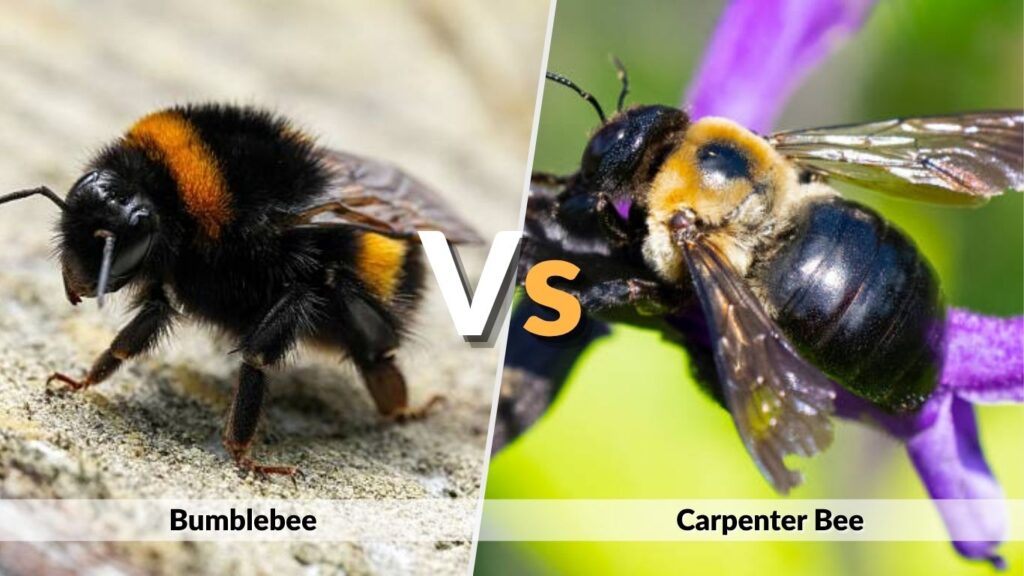
Bumblebees and carpenter bees are often confused because they share similar sizes and color patterns. Despite their resemblance, these bees have different nesting habits, behaviors, and physical characteristics. Understanding these differences helps homeowners identify which species they are observing.
Physical Differences
The easiest way to distinguish the two is by examining their abdomens. Bumblebees have hairy abdomens covered in dense fuzz, while carpenter bees usually have smooth, shiny abdomens with far less hair.
Nesting Behavior
Bumblebees generally build nests underground or in sheltered natural cavities. Carpenter bees, on the other hand, excavate tunnels into wood, where they create individual nesting chambers.
Which Bee Is More Beneficial?
Both species contribute to pollination, but bumblebees are often considered superior pollinators because of their ability to perform buzz pollination, a technique that helps certain plants release pollen more efficiently.
Honey Bee vs Bumblebee
Honey bees and bumblebees are among the world’s most important pollinators. Although they share similar ecological roles, they differ in appearance, colony size, behavior, and honey production. These distinctions influence how each species contributes to agriculture and natural ecosystems.
Appearance Comparison
Bumblebees are generally larger, rounder, and hairier than honey bees. Honey bees have slimmer bodies and a more streamlined appearance suited for large-scale foraging activities.
Colony Size Differences
The structure of their colonies differs significantly.
- Bumblebee colonies typically contain dozens to hundreds of bees
- Honey bee colonies may contain tens of thousands of bees
- Bumblebee colonies last one season
- Honey bee colonies can survive for many years
- Honey bees store large amounts of honey
These differences affect how each species survives and reproduces.
Pollination Efficiency
Bumblebees are exceptional pollinators because they can work in cooler temperatures and lower light conditions. Their buzz pollination technique makes them especially effective for crops such as tomatoes, peppers, and blueberries.
Bumblebee Lifecycle
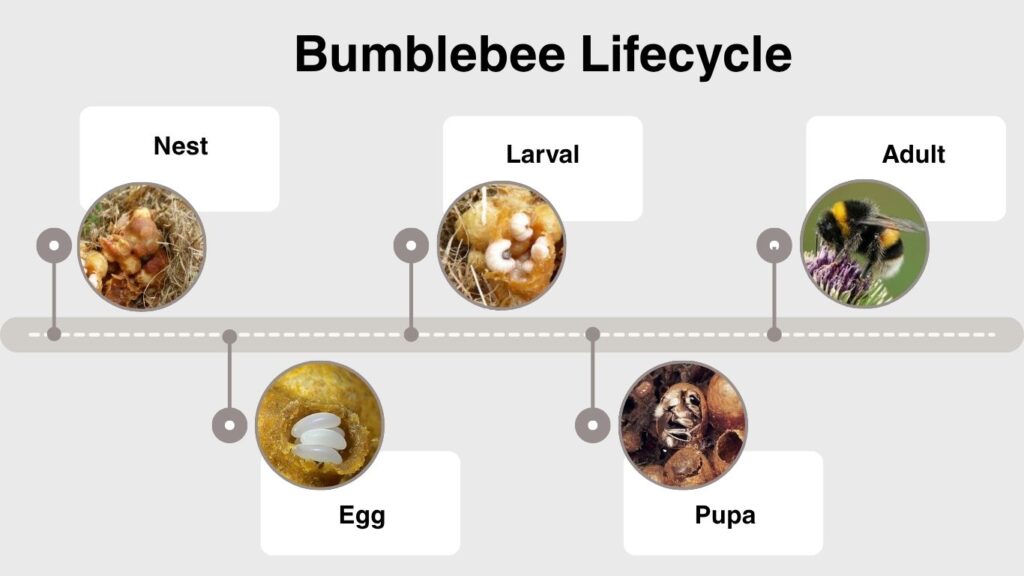
A bumblebee colony follows a yearly cycle that begins with a single queen and ends when the colony naturally dies off. This seasonal lifecycle allows new queens to establish colonies the following year.
Queen Bumblebee Emergence
In spring, a fertilized queen emerges from winter hibernation and searches for a suitable nesting site. She begins collecting nectar and pollen while laying the first eggs of the season.
Colony Growth
As worker bees emerge, they assume responsibility for foraging and nest maintenance. This allows the queen to focus on reproduction while the colony expands rapidly throughout summer.
End of the Season
Toward the end of the season, the colony produces new queens and males. After mating, newly fertilized queens seek sheltered locations to overwinter, while the original colony gradually declines and dies.
Benefits of Bumblebees
Bumblebees are among the most valuable pollinators in nature. Their activities support countless plant species and contribute directly to food production. Protecting bumblebee populations benefits both natural ecosystems and agricultural industries.
Pollination Benefits
Bumblebees assist with pollinating numerous flowering plants. As they move between flowers collecting nectar and pollen, they transfer pollen that enables plant reproduction.
Agricultural Importance
Many crops depend heavily on bumblebee pollination, including:
- Tomatoes
- Blueberries
- Peppers
- Strawberries
- Cucumbers
Their effectiveness helps improve crop quality, yield, and overall productivity.
Why Bumblebee Populations Matter
Healthy bumblebee populations contribute to biodiversity, ecosystem stability, and food security. Declining bee populations can negatively impact plant reproduction and agricultural production, highlighting the importance of conservation efforts.
FAQs
Can a bumblebee sting more than once?
Unlike honey bees, bumblebees can sting multiple times because their stingers do not become lodged in the skin.
How long does a bumblebee live?
Workers typically live a few weeks, while queens may survive for up to a year, including winter hibernation.
Are bumblebees aggressive?
No. Bumblebees are generally gentle and only sting when threatened or when their nest is disturbed.
Should you remove a bumblebee nest?
Most nests are temporary and beneficial. If the nest does not pose a safety risk, it is usually best to leave it undisturbed.
What is the difference between a honey bee and a bumblebee?
Bumblebees are larger, hairier, live in smaller colonies, and are excellent buzz pollinators, while honey bees form large colonies and produce significant amounts of honey.