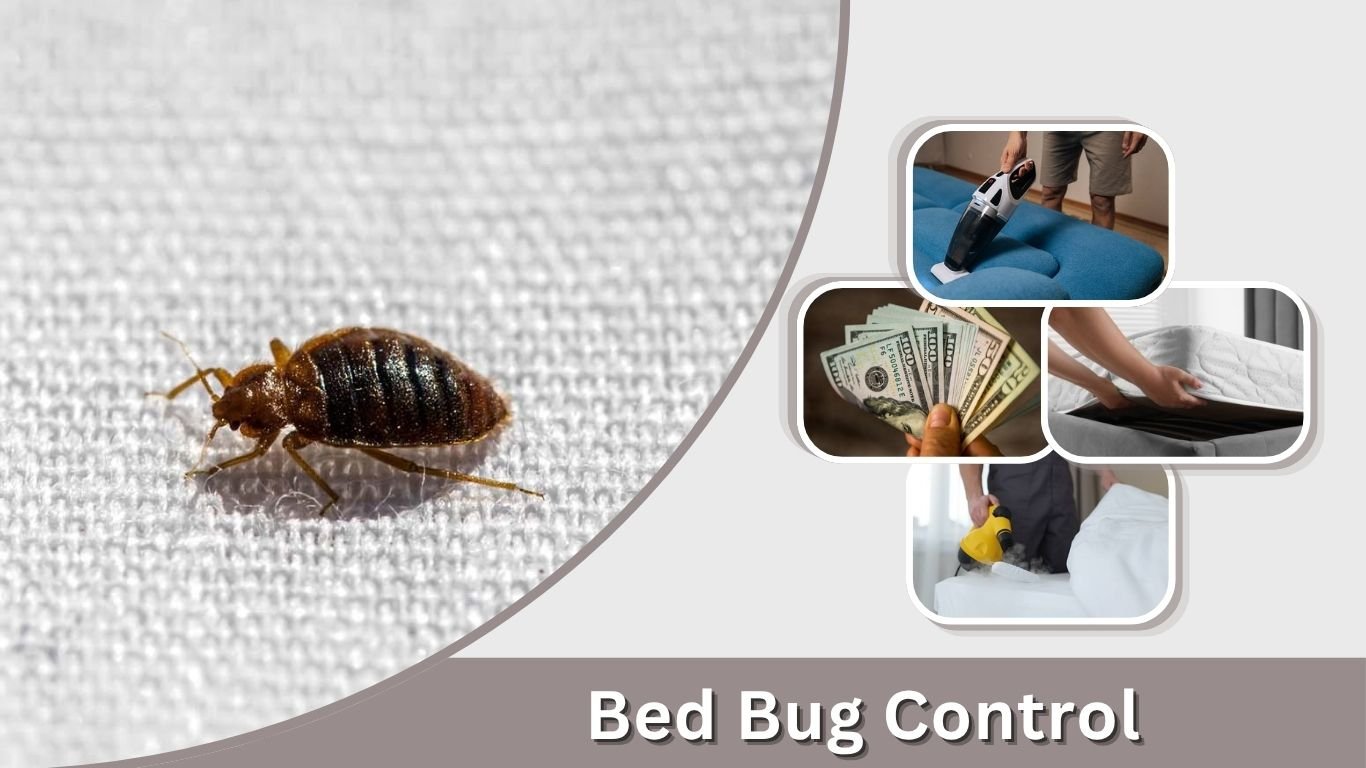
Effective bed bug control requires more than spraying the insects you can see. Bed bugs hide in mattress seams, bed frames, furniture, cracks, and other protected spaces, while their eggs can survive some control methods. Successful treatment usually combines inspection, heat, vacuuming, encasements, monitoring, and carefully selected pesticides when necessary. Professional bed bug control can be especially valuable for moderate or heavy infestations because complete elimination often requires repeated inspection and treatment rather than a single application.
How Bed Bug Control Works
Bed bugs are difficult to eliminate because they hide in tiny spaces, reproduce successfully indoors, and may not all be exposed during one treatment. The EPA recommends an integrated pest management approach that combines several compatible control methods. This strategy targets adult bed bugs, immature stages, hiding areas, and newly hatched insects instead of relying on a single spray.
Main Bed Bug Control Methods
A comprehensive plan may include:
- Careful inspection of beds and nearby furniture
- Vacuuming visible insects and hiding areas
- High-temperature drying of washable items
- Steam treatment of suitable surfaces
- Mattress and box-spring encasements
- Bed bug interceptors beneath furniture legs
- Reducing clutter and sealing cracks
- Targeted use of registered pesticides
- Follow-up inspections and retreatment when necessary
The best results usually come from combining several methods rather than expecting one technique to eliminate every life stage.
Why One Treatment May Not Be Enough
Bed bug eggs and deeply hidden insects can survive incomplete treatments. In addition, pesticide resistance can reduce the effectiveness of some products.
After initial treatment, continued monitoring is important. Finding bed bugs afterward can mean some insects were missed or eggs have hatched. Professional pest-management programs commonly include follow-up inspections because control must continue until there is no evidence of an active infestation.
Professional Bed Bug Control
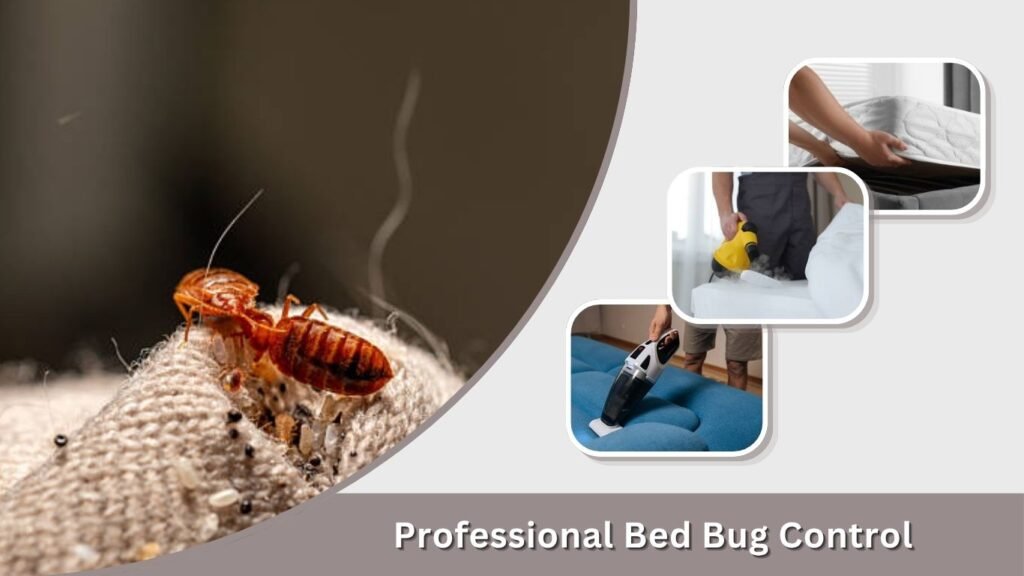
Professional bed bug control is often appropriate when an infestation is widespread, difficult to locate, repeatedly returns, or affects several rooms or apartments. Experienced technicians can identify hiding areas, determine the extent of the infestation, and combine chemical and nonchemical techniques. Professionals may also have access to whole-room heat equipment and pesticides requiring specialized training.
What Professional Treatment May Include
A bed bug pest control service may use several steps:
- Detailed inspection before treatment
- Identification of heavily infested areas
- Preparation instructions for residents
- Vacuuming or physical removal
- Steam or professional heat treatment
- Mattress and box-spring encasements
- Targeted pesticide applications
- Monitoring devices
- Follow-up inspections
- Repeat treatment when evidence remains
Professional treatment should be based on the specific infestation rather than automatically applying chemicals throughout every room.
How to Choose a Bed Bug Control Company
Look for a pest-control company with direct experience treating bed bugs.
Ask how the company confirms infestations, what methods it uses, how many follow-up visits are included, and what preparation will be required. The EPA specifically warns against choosing inexperienced applicators or companies that do not use integrated pest management or provide appropriate follow-up.
A reputable provider should also explain pesticide safety, treatment limitations, and what you need to do after treatment.
Bed Bug Control Techniques You Can Use at Home
Some infestations can be reduced with careful DIY measures, especially when detected early. However, bed bug control requires persistence. Household methods work best when several techniques are combined and repeated inspections are performed. Avoid dangerous shortcuts such as heating rooms with space heaters or applying pesticides in ways that are not permitted by the product label.
Heat and Laundry
Clothing, bedding, and other dryer-safe items can be treated using a clothes dryer on high heat.
EPA guidance states that placing suitable items in a high-temperature dryer for about 30 minutes can kill bed bugs and their eggs. Washing alone may not provide the same control, so drying is an important step.
After treatment, clean items can be stored in sealed bags or containers to prevent reinfestation while the remainder of the room is being treated.
Vacuuming, Encasements and Monitoring
Useful physical-control measures include:
- Vacuum mattress seams and bed frames.
- Vacuum cracks, baseboards, and furniture.
- Immediately seal and discard vacuum contents.
- Install bed bug-proof mattress encasements.
- Use interceptors beneath bed and furniture legs.
- Move the bed slightly away from the walls.
- Keep bedding from touching the floor.
- Reduce clutter near sleeping areas.
These measures can reduce populations and make surviving bed bugs easier to detect.
Steam Treatment
Steam can reach bed bugs hiding in carpeting, baseboards, fabric surfaces, bed frames, and furniture.
The EPA advises using steam at a temperature of at least 130°F, while avoiding excessively forceful airflow that could scatter the insects. Steam must reach the bugs themselves, so slow and careful treatment is important.
Professional steam equipment may be easier to use effectively on extensive infestations.
Bed Bug Pest Control With Pesticides
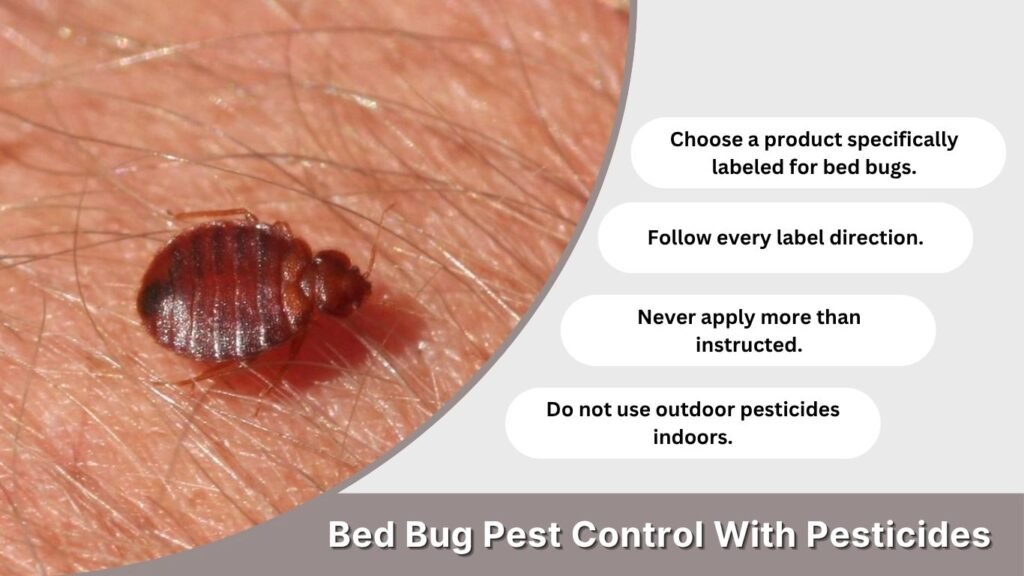
Pesticides can be an important part of bed bug pest control, but they should not be the only strategy. The EPA has registered hundreds of products for bed bugs, representing several chemical classes. Product effectiveness depends on correct application, infestation severity, resistance, preparation, and whether all relevant hiding areas and life stages are addressed.
Important Pesticide Safety Rules
When using any pesticide:
- Choose a product specifically labeled for bed bugs.
- Follow every label direction.
- Never apply more than instructed.
- Do not use outdoor pesticides indoors.
- Keep children and pets away as directed.
- Avoid repeated unnecessary spraying.
- Never combine products unless labels specifically allow it.
- Do not rely solely on bug bombs or foggers.
Foggers often fail to reach the cracks where bed bugs hide and can create health, fire, or explosion hazards if misused.
How Much Does Bed Bug Control Cost?
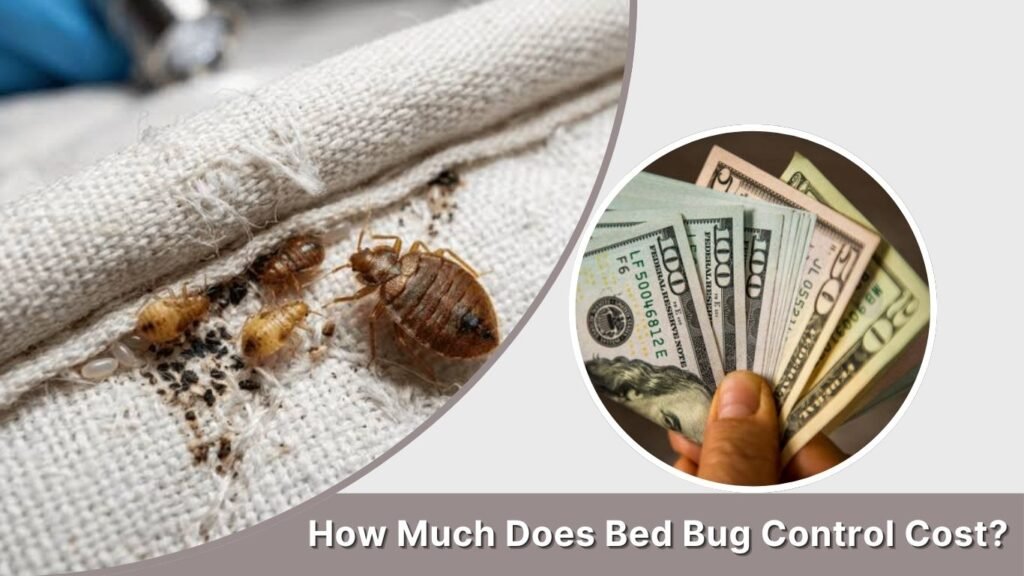
Bed bug control cost varies widely because every infestation is different. Your keyword data shows strong search interest around bed bug control cost, pest-control prices, and professional services, indicating that price is an important part of search intent.
The final price usually depends on infestation severity, property size, treatment method, location, and the number of visits required.
Factors That Affect Bed Bug Pest Control Prices
Important cost factors include:
- Number of affected rooms
- Size of the property
- Severity of infestation
- Heat versus conventional treatment
- Number of follow-up visits
- Amount of furniture and clutter
- Apartment versus detached home
- Whether neighboring units require inspection
- Local labor and pest-control rates
A low initial quote is not necessarily the least expensive option if it excludes inspections or necessary retreatments.
Is Professional Treatment Worth It?
Professional control may cost more initially than DIY products, but an experienced service can be worthwhile for established infestations.
Incorrect treatment can allow bed bugs to survive, spread to other rooms, or become harder to manage. Professional technicians also have equipment and training that are difficult to reproduce safely at home.
Preparing for Bed Bug Pest Control
Preparation can strongly influence treatment success. Your pest-control provider may give specific instructions depending on the method being used. Avoid moving untreated belongings into another room because this can spread bed bugs to previously unaffected locations.
Basic Preparation Steps
Common preparation may include laundering and heat-drying suitable fabrics, vacuuming thoroughly, reducing clutter, and placing treated belongings into sealed containers.
The EPA also recommends inspecting furniture, baseboards, cracks, electrical areas, and other potential hiding locations. Vacuum bags or contents should be sealed and discarded outside after cleaning.
Follow your pest-management company’s instructions rather than using a generic preparation checklist if professional treatment is scheduled.
How to Prevent Bed Bugs From Returning
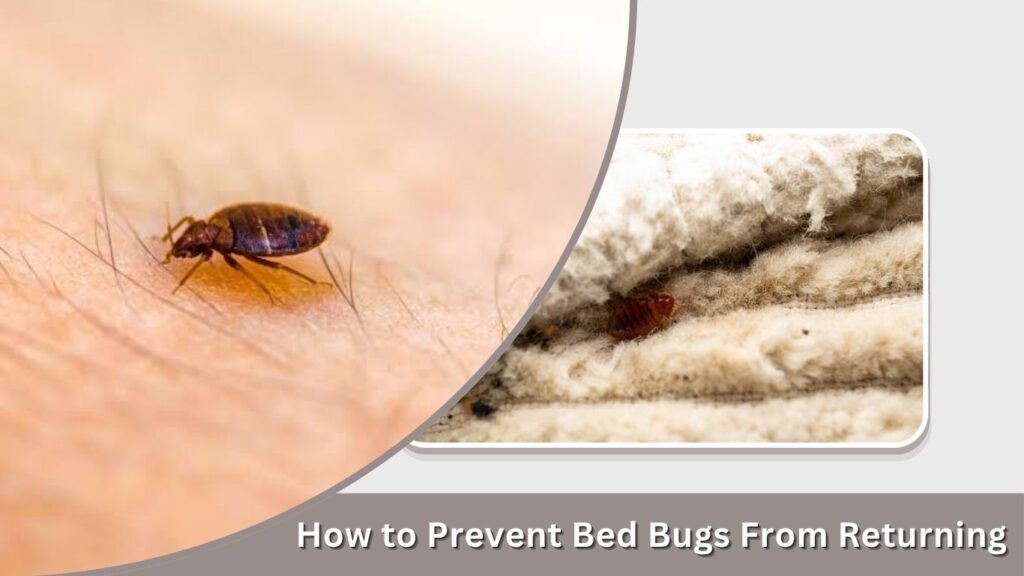
Even successful treatment does not prevent another introduction. Bed bugs can be transported in luggage, furniture, clothing, and other belongings. Prevention therefore focuses on early detection and reducing opportunities for unnoticed infestations to develop.
Prevention After Treatment
Continue using interceptors and inspect sleeping areas periodically. When traveling, examine hotel mattresses and headboards for signs such as live insects, shed skins, or dark spotting.
Avoid bringing discarded mattresses or upholstered furniture into the home without careful inspection. CDC guidance notes that bed bugs commonly hide around mattresses, box springs, bed frames, headboards, furniture, and nearby cracks.
FAQs
Bed bug control often requires patience because the insects can hide successfully and some stages may survive incomplete treatments. Combining inspection, physical controls, monitoring, appropriate pesticides, and professional help when necessary usually provides a stronger strategy than relying on one method alone.
1. What Is the Best Method for Bed Bug Control?
Integrated pest management is generally the strongest approach. It combines techniques such as heat, vacuuming, encasements, monitoring, clutter reduction, and appropriately selected pesticides.
2. Can I Control Bed Bugs Myself?
Small or recently discovered infestations may sometimes be managed with careful DIY methods. Larger or persistent infestations are difficult to eliminate and often benefit from professional pest control.
3. Does Heat Kill Bed Bugs?
Yes. Properly applied heat can kill bed bugs and their eggs. Household dryers are useful for suitable items, while whole-room heat treatment should generally be performed using purpose-designed equipment.
4. How Much Does Professional Bed Bug Control Cost?
There is no universal price. Cost depends on the size and severity of the infestation, property size, treatment type, local rates, and required follow-up visits.
5. How Do I Know Bed Bugs Are Completely Gone?
Continue monitoring after treatment. Interceptors, visual inspections, and professional follow-ups can help confirm whether activity remains. Because eggs can hatch after an initial treatment, absence of bites alone should not be treated as proof that every bed bug has been eliminated.