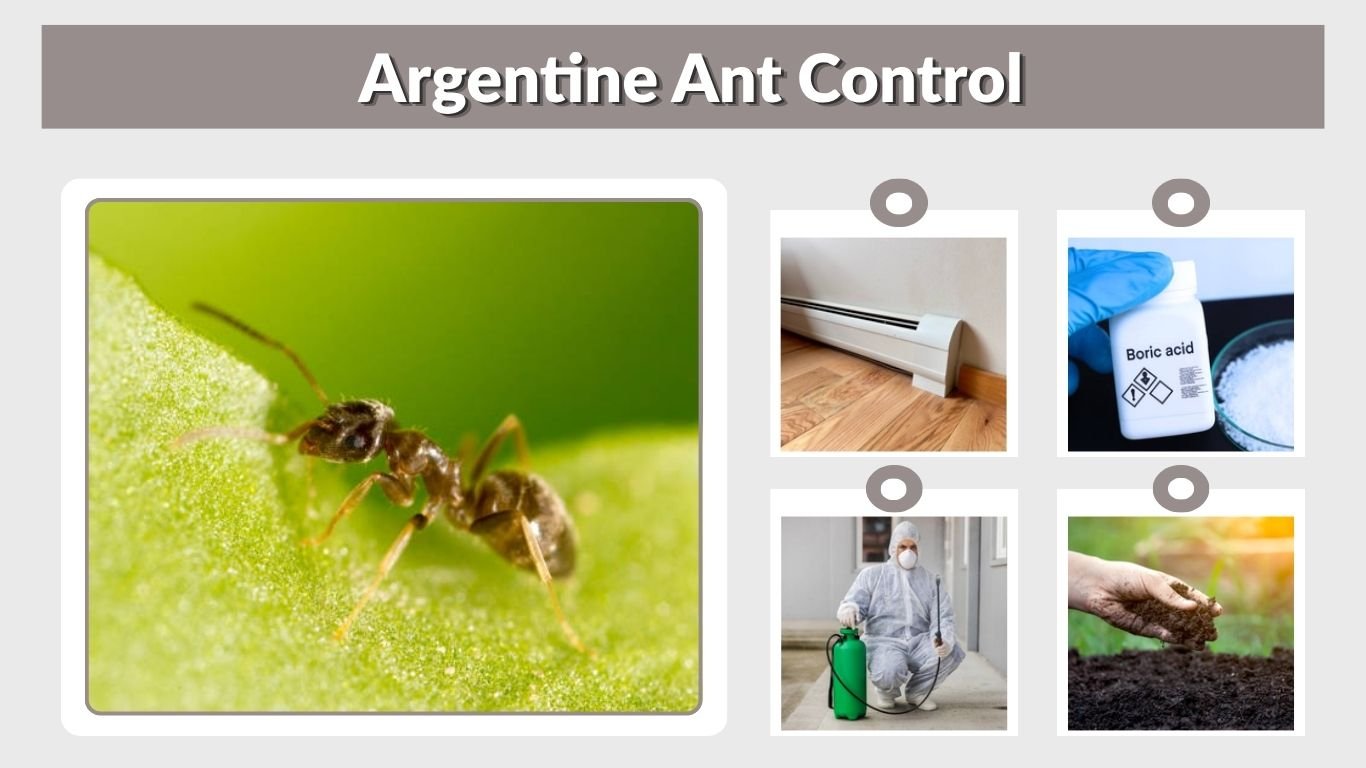
Argentine ants can form enormous colonies with numerous queens, making them more difficult to eliminate than many common household ants. Spraying the visible workers may provide temporary relief, but it usually leaves the queens and most of the colony untouched. Effective Argentine ant control combines slow-acting bait, sanitation, moisture reduction, outdoor habitat management, and exclusion. Consistent treatment is especially important because connected nests may extend across several neighboring properties.
How to Identify Argentine Ants
The Argentine ant’s scientific name is Linepithema humile. Workers are approximately 2.2–2.6 millimeters long and usually reddish-brown, although the ends of their abdomens may appear darker. They travel rapidly in long, well-defined trails and commonly enter buildings while searching for food and water.
| Feature | Description |
| Worker size | About 2.2–2.6 mm |
| Color | Light to reddish-brown |
| Colony structure | Multiple queens and connected nests |
| Preferred food | Sugary liquids and insect honeydew |
| Common locations | Kitchens, bathrooms, foundations and gardens |
| Risk to people | Does not normally bite or sting |
| Best control | Slow-acting bait plus exclusion |
Argentine ants are frequently confused with odorous house ants. However, crushed Argentine ants produce a musty odor, while odorous house ants are known for an odor often compared to rotten coconut. Exact identification matters because different ant species may respond differently to treatments.
Why Argentine Ants Are Difficult to Control
Argentine ant colonies contain multiple queens and can form broad networks of cooperating nests. This structure allows populations to grow, move, and recover quickly after only a small area has been sprayed. These ants may also relocate their nests when weather, moisture, or food availability changes.
Only a portion of the colony leaves the nest to forage. Killing the workers visible on a countertop therefore does little to affect the queens, larvae, and workers hidden elsewhere. Slow-acting bait works differently because foraging ants carry it back and distribute it throughout the colony.
How to Control Argentine Ants
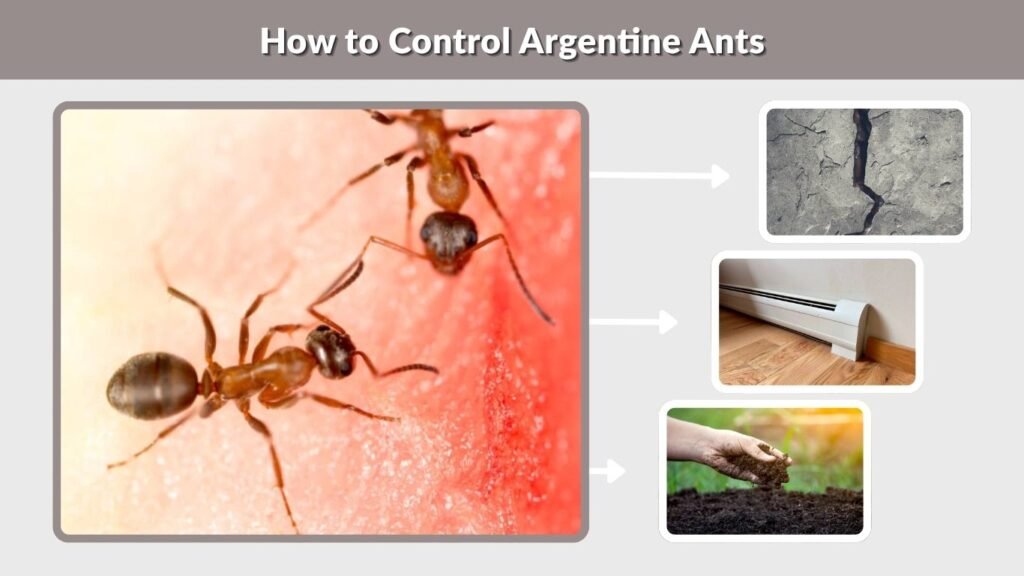
A successful control program should target both the ants entering the building and the outdoor colonies producing them.
1. Locate the Ant Trails
Follow the ants to determine where they are entering the house. Check around:
- Door and window frames
- Plumbing and utility openings
- Foundation cracks
- Baseboards and cabinets
- Potted plants
- Shrubs touching exterior walls
- Irrigation lines and damp soil
Try to follow exterior trails toward nesting areas or plants covered with aphids, scale insects, or mealybugs. Argentine ants protect these sap-feeding insects in exchange for their sugary honeydew, so controlling both problems can reduce ant activity.
2. Remove Food and Water
Store sugar, fruit, baked goods, and pet food in tightly closed containers. Clean crumbs and spills promptly, rinse recycling containers, and empty trash regularly. Pet bowls should not remain filled overnight when ants are active.
Repair leaking pipes and faucets, reduce standing water, and correct overly wet soil near the foundation. Removing food, moisture, plant debris, and other shelter is a central part of safer pest management.
3. Use Slow-Acting Ant Bait
Bait is usually more effective than spraying individual ants. Workers feed on it and transport the active ingredient to nestmates, larvae, and queens. Because the treatment must circulate through the colony, noticeable improvement may take several days or weeks.
Argentine ants are strongly attracted to sweet liquid baits throughout much of the year. Protein-based baits may become more attractive during spring when colonies are producing young. Offering small amounts of different labeled products can help determine what the colony currently prefers.
Place bait stations:
- Beside active outdoor trails
- Along the foundation
- Near suspected nesting sites
- Beneath shrubs where ants are active
- In shaded, rain-protected locations
- Away from children and pets
Outdoor placement is generally preferred because it can reduce colonies before they enter the building. Indoor bait may be placed near entry routes when outdoor trails cannot be located, provided the product label permits indoor use.
4. Do Not Spray Around the Bait
Avoid applying repellent insecticide, strong cleaner, or other ant-killing spray near bait stations. These substances may kill or repel workers before they can collect the bait and deliver it to the colony.
Seeing more ants around a newly placed bait station can be a positive sign. It usually indicates that workers have discovered the bait and are recruiting other ants to it. Keep the station supplied while feeding continues.
5. Check and Refill the Stations
Large colonies may consume liquid bait rapidly. Check stations regularly and replace bait that has dried out, become contaminated, or been completely eaten. Refillable stations are often more useful for moderate or severe infestations because they provide continuous access to larger amounts of bait.
Do not expect immediate elimination. Argentine ant bait must work slowly enough for workers to return to their nests before dying, and results may not become obvious for several weeks.
Natural Argentine Ant Control
Nonchemical measures can reduce ant numbers and make baiting more successful, but natural repellents alone rarely eliminate a large network of colonies.
Soap and Water
Wipe indoor ant trails with soapy water to remove ants and the scent markings used to guide other workers. This provides immediate cleanup but does not kill the hidden queens.
Eliminate Honeydew-Producing Insects
Inspect plants for aphids, mealybugs, whiteflies, and scale insects. A strong stream of water, pruning heavily infested growth, or another plant-safe treatment may reduce these honeydew sources. Sticky barriers placed around appropriate tree trunks can also restrict ants from reaching insects in the canopy.
Reduce Outdoor Nesting Conditions
Remove piles of leaves, boards, unnecessary ground cover, and plant debris near the building. Avoid excessive irrigation and keep mulch from resting directly against exterior walls. Trim shrubs and branches that provide routes onto the structure.
Can Borax or Boric Acid Control Argentine Ants?
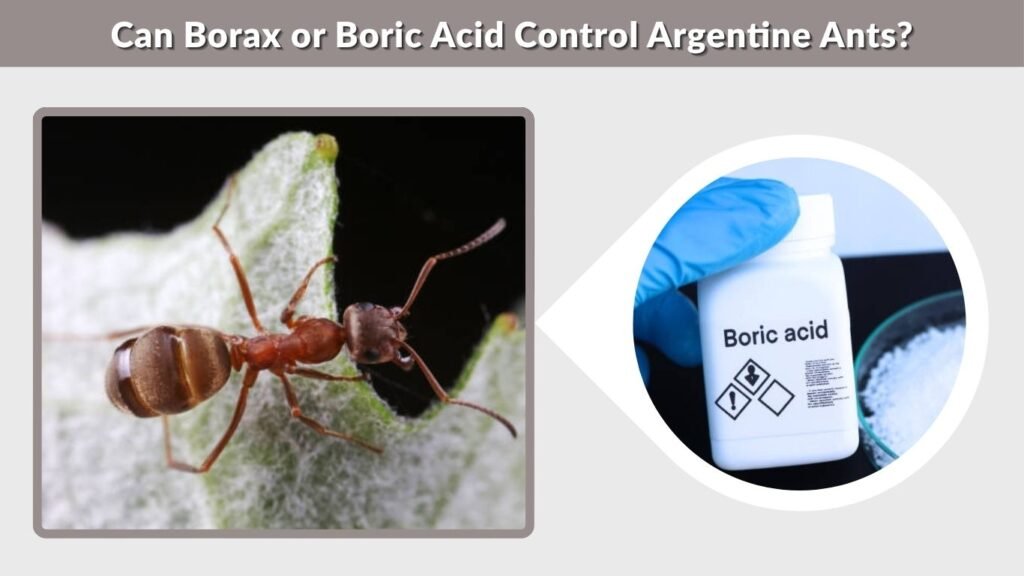
Low-concentration borate bait can be effective because it acts slowly enough for ants to carry it back to their nests. However, overly concentrated bait may repel ants or kill workers before they distribute it effectively. UC IPM recommends commercial liquid bait containing no more than approximately 1% borate for managing substantial Argentine ant infestations.
Homemade borax recipes are not recommended because inaccurate measurements can create an ineffective or unnecessarily hazardous mixture. Use a registered, ready-to-use product and follow its label exactly. Keep all pesticides and bait stations inaccessible to children and pets.
Should You Use Perimeter Sprays?
A perimeter spray may temporarily reduce workers crossing a treated area, but broad-spectrum spraying can affect beneficial insects and may create runoff risks. It also may not eliminate nests located beyond the treated zone. Baiting generally uses less insecticide and is designed to reach the colony rather than only the visible ants.
Never apply more pesticide than the label directs, and do not use a product on ants unless that pest and application site appear on the label. Avoid outdoor spraying in windy or rainy conditions and prevent chemicals from reaching drains, ponds, vegetable beds, or neighboring properties.
How to Prevent Argentine Ants From Returning
After baiting has significantly reduced activity, seal cracks around windows, doors, pipes, cables, and foundations. Replace damaged weather stripping and repair window screens.
Continue managing irrigation, leaks, outdoor debris, and honeydew-producing insects. Because Argentine ants are widespread outdoors, the realistic goal is usually to keep their numbers low and prevent them from entering buildings rather than attempting to remove every ant from the surrounding landscape.
When to Call Professional Pest Control
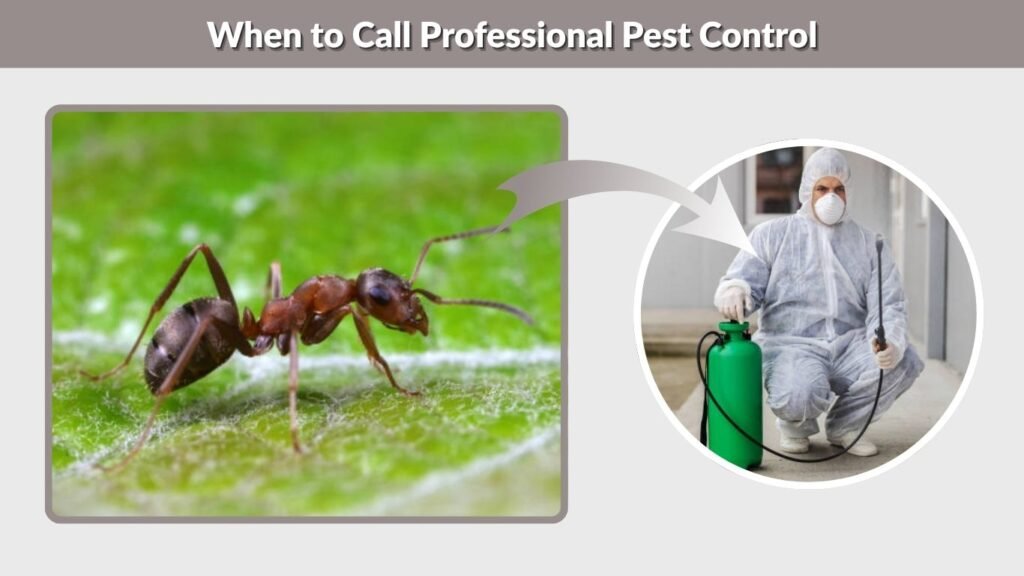
Contact a licensed pest-control professional when ants remain active after several weeks of correctly placed bait, appear throughout multiple rooms, or occupy inaccessible walls and crawl spaces. A professional may also be helpful when colonies extend across apartments, shared housing, or neighboring properties.
Choose a company that uses integrated pest management, identifies the species, explains the proposed products, and combines baiting with sanitation and exclusion. Treatment costs vary considerably by infestation size, property layout, location, and the number of visits required.
FAQs
What is the best way to control Argentine ants?
Slow-acting liquid bait combined with sanitation, moisture reduction, and exclusion is usually the most effective approach. Place labeled bait near outdoor trails and maintain it while ants continue feeding. Avoid spraying nearby because sprays can prevent workers from carrying bait into the colony.
How long does Argentine ant bait take to work?
Minor activity may decline within several days, but a large colony network can take several weeks to control. Keep stations filled and inspect them regularly. Immediate disappearance is not expected because successful bait must act slowly enough to spread among workers and queens.
Why do Argentine ants keep coming back?
They may return because nearby nests, moisture, food, honeydew-producing insects, or unsealed entry points remain available. Their colonies contain multiple queens and can be connected across a large area, allowing ants from surrounding nests to replace workers that were killed.
Are Argentine ants dangerous?
Argentine ants are mainly nuisance and environmental pests. They do not normally bite or sting people, but they may contaminate food and interfere with native insects. In gardens, they protect aphids, scales, and other honeydew-producing pests from natural predators.
Does vinegar eliminate Argentine ants?
Vinegar may remove trail scents and temporarily discourage ants from crossing a cleaned surface, but it does not normally reach or kill the queens. It can support cleaning efforts, but baiting and prevention are needed for lasting colony control.