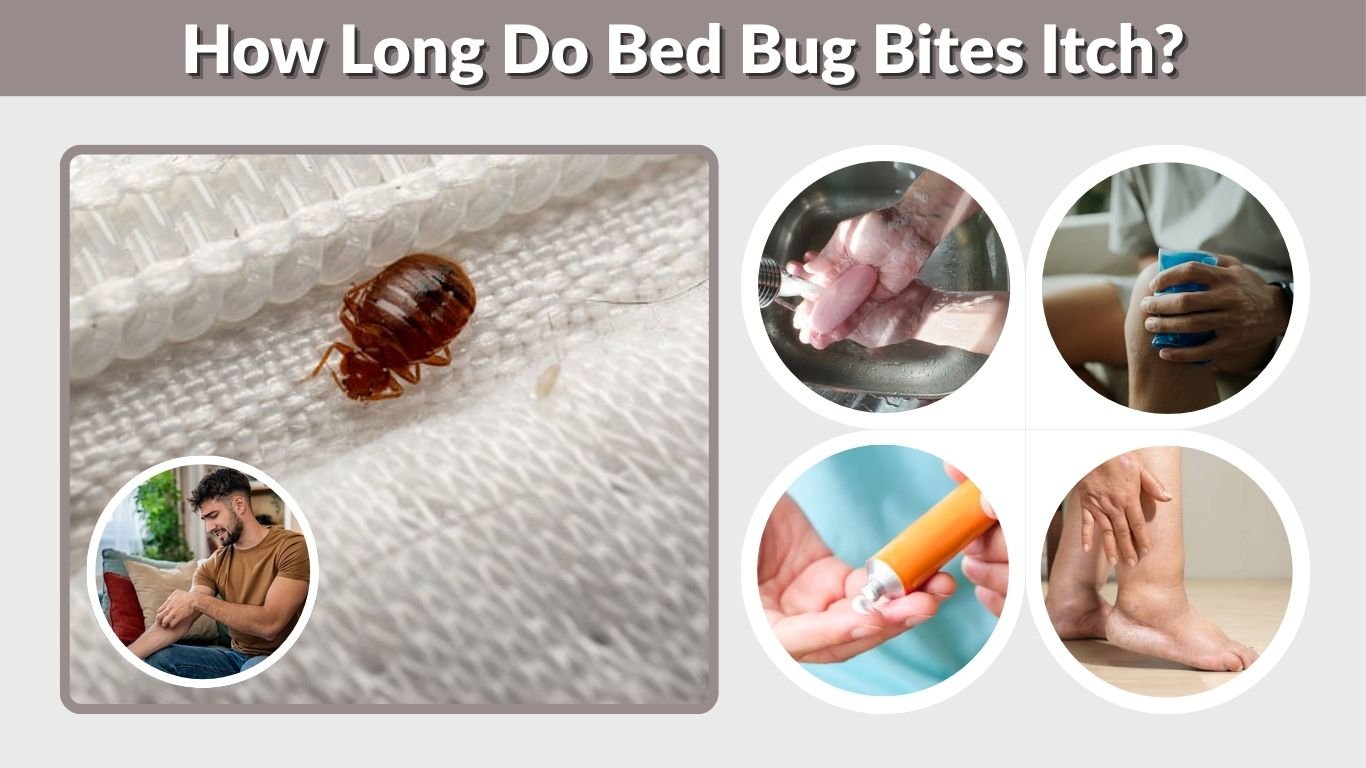
Bed bug bites can cause uncomfortable itching, redness, and swelling that interfere with sleep and everyday activities. If you have recently discovered itchy marks on your skin, you may wonder how long do bed bug bites itch and when the irritation will finally disappear. Most bed bug bites improve within several days and heal within one to two weeks, although reactions vary between individuals. Understanding when itching begins, why it sometimes lasts longer, and how to soothe irritated skin can make recovery more comfortable.
How Long Do Bed Bug Bites Itch?
Bed bug bites commonly remain itchy for several days, although irritation can continue for one to two weeks while the skin heals. Some people experience only mild discomfort, while others develop intense itching that persists longer. The duration depends on individual sensitivity, skin inflammation, and whether additional bites occur.
Typical Duration of Bed Bug Bite Itching
Mild bed bug bites may become less itchy after a few days. For many people, the itching gradually decreases as the raised bumps settle and the skin begins healing.
Most uncomplicated bites disappear within one to two weeks. However, there is no exact number of days that applies to everyone.
People who experience stronger allergic skin reactions may notice more persistent irritation, swelling, or redness. Scratching the affected area can also prolong discomfort.
Can Bed Bug Bites Itch for Two Weeks?
Yes, bed bug bites can remain itchy for approximately two weeks, particularly in individuals with sensitive skin or significant inflammatory reactions.
Although most bites heal without medical treatment, some reactions may take longer to resolve. Persistent itching beyond the expected healing period, especially when accompanied by worsening symptoms, should be evaluated by a healthcare professional.
How Long After a Bed Bug Bite Does It Start to Itch?
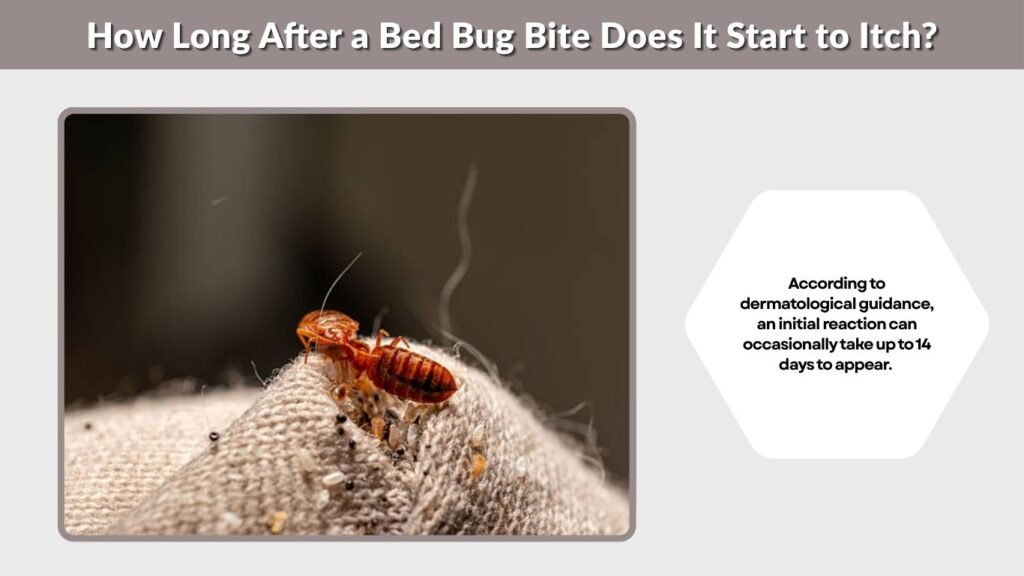
Bed bug bites do not always cause immediate itching. These insects inject saliva containing substances that help them feed without being noticed. The body’s immune response to the saliva produces the skin irritation associated with bites.
The timing varies considerably, making it difficult to identify exactly when a person was bitten.
When Does Itching Usually Begin?
Some people develop itchy welts within hours of being bitten. Others notice symptoms several days later.
According to dermatological guidance, an initial reaction can occasionally take up to 14 days to appear. People who have experienced previous bites may react much more quickly.
Therefore, waking up without visible marks does not necessarily mean bed bugs have not bitten you.
Can Bed Bug Bites Appear Without Itching?
Yes. Some individuals develop visible bite marks with little or no itching, while others show no noticeable reaction.
The absence of itching does not rule out exposure to bed bugs. Similarly, itchy marks alone cannot confirm an infestation because several other insects and skin conditions produce similar symptoms.
Why Do Bed Bug Bites Itch for So Long?
Bed bug bite itching develops primarily because the immune system reacts to proteins in the insect’s saliva. This reaction creates inflammation, swelling, and irritation around the affected area.
The intensity and duration of symptoms depend on individual immune responses and the condition of the skin.
The Role of Bed Bug Saliva
During feeding, bed bugs introduce saliva containing compounds that help prevent blood clotting and reduce immediate awareness of the bite.
The immune system can recognize components of this saliva as foreign substances, triggering an inflammatory response.
This reaction produces the itchy bumps commonly associated with bed bug bites. Even after the insect has finished feeding, inflammation may continue until the skin recovers.
Factors That Make Bed Bug Bites Itch Longer
Several circumstances can increase the duration or severity of irritation.
- Skin sensitivity: Individuals with stronger reactions may experience longer-lasting itching.
- Repeated bites: Additional bites can create new itchy areas before previous marks heal.
- Frequent scratching: Scratching damages irritated skin and can prolong inflammation.
- Allergic reactions: More pronounced reactions may cause substantial swelling and discomfort.
- Secondary infections: Broken skin may become infected, delaying healing and worsening symptoms.
These factors explain why two people exposed to bed bugs may experience very different symptoms.
How to Stop Bed Bug Bites From Itching
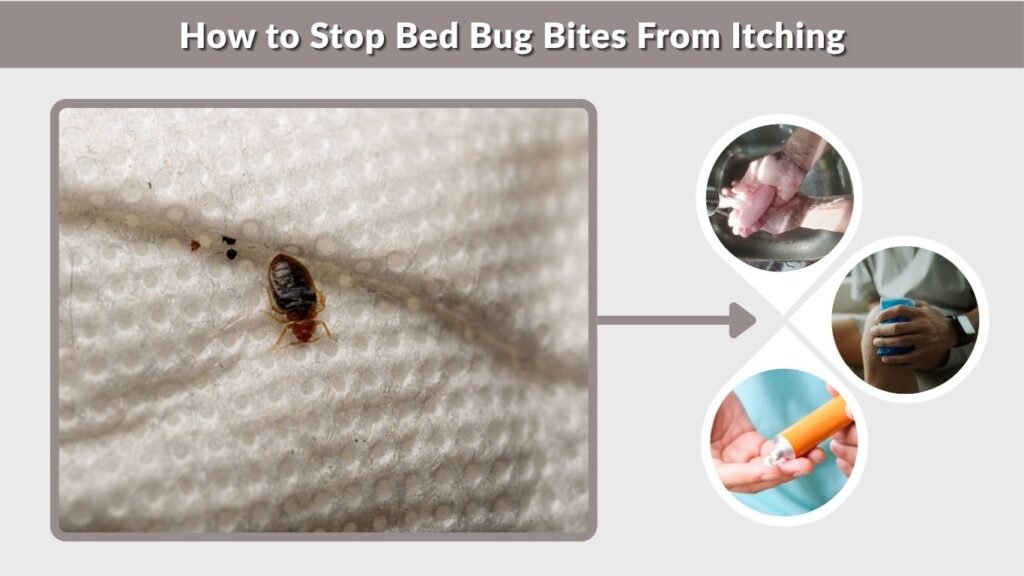
Relieving bed bug bite itching involves calming inflammation, protecting the skin, and avoiding additional irritation. Most mild reactions can be managed at home without specialized medical treatment.
Several simple approaches can improve comfort while the bites heal naturally.
Wash the Affected Area
Gently wash the bites with mild soap and water to keep the skin clean and reduce infection risk.
Avoid harsh scrubbing because it can worsen irritation. Pat the skin dry with a clean towel rather than rubbing the affected area.
Maintaining clean skin is particularly important when scratching has damaged the surface.
Apply a Cold Compress
A cool, damp cloth can temporarily relieve itching and reduce swelling.
Place the cloth over the affected area for approximately 10–15 minutes at a time. Repeat when necessary.
Avoid applying ice directly to the skin, since extreme cold can cause additional damage.
Use Anti-Itch Treatments
Over-the-counter treatments may help control uncomfortable symptoms.
- Hydrocortisone cream: A mild topical steroid may reduce inflammation and itching when used according to package instructions.
- Oral antihistamines: These may help relieve intense itching, particularly when discomfort interferes with sleep.
- Fragrance-free moisturizer: A gentle moisturizer can help soothe dryness and protect irritated skin.
- Cool compresses: Repeated short applications may provide temporary relief without medication.
Ask a pharmacist or healthcare professional before using medicated treatments on young children, during pregnancy, or on broken skin.
Why Do Bed Bug Bites Itch More at Night?
Bed bug bite itching may feel more noticeable at night because people experience fewer distractions while resting. Warm bedding and repeated contact with irritated skin can also increase discomfort.
However, worsening itching at night does not necessarily mean new bites are occurring.
Does Nighttime Itching Mean Bed Bugs Are Still Biting?
Not always. Existing bites can itch during the night even when no insects are actively feeding.
Bed bugs generally feed when people are resting, but skin symptoms may develop long after a bite occurs.
If new marks appear repeatedly, inspect mattress seams, bed frames, headboards, and nearby furniture for additional evidence of bed bugs.
How Do You Know When Bed Bug Bites Are Healing?
Healing bed bug bites generally become less swollen and less itchy over time. Raised bumps gradually flatten, and surrounding inflammation decreases.
Changes in skin appearance may continue after the itching has stopped.
Signs That Bed Bug Bites Are Getting Better
A healing bite usually becomes progressively less irritating.
You may notice reduced swelling, less tenderness, and fewer urges to scratch. Any remaining discoloration can take longer to fade, particularly in people who develop post-inflammatory dark marks.
These changes are generally reassuring when no new symptoms appear.
Why Do Old Bed Bug Bites Still Itch?
Old bites may continue itching because inflammation has not completely resolved.
Scratching can also restart irritation by damaging the healing skin. In some cases, what appears to be an old bite may actually be a new reaction developing near an earlier mark.
If irritation persists, spreads, or worsens instead of improving, medical assessment may be necessary.
When Should You See a Doctor for Bed Bug Bite Itching?
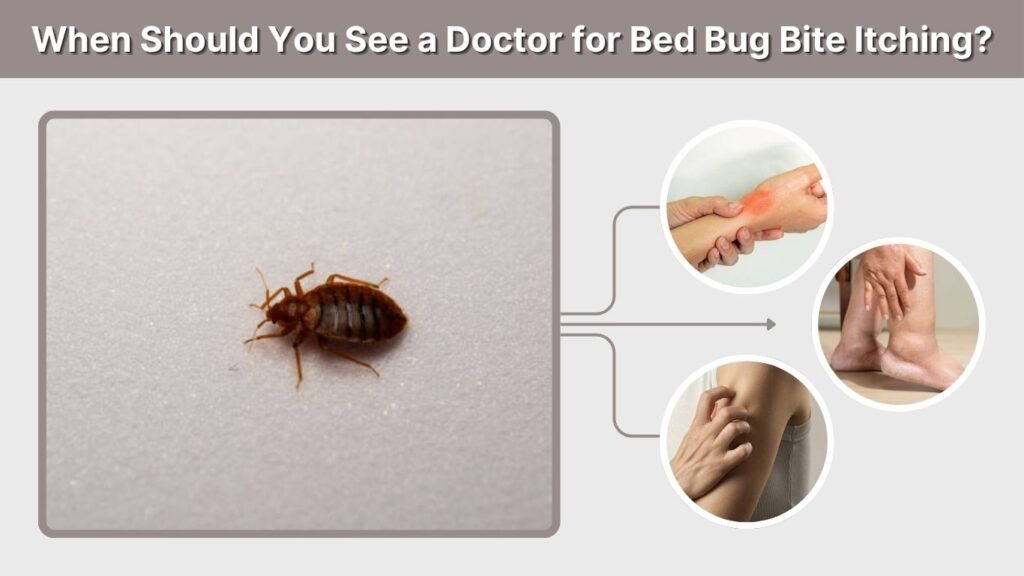
Most bed bug bites heal without complications. However, excessive scratching can damage the skin and increase the risk of infection.
Severe allergic reactions are uncommon but may require prompt treatment.
Warning Signs That Need Medical Attention
Consult a healthcare professional if you experience:
- Itching remains severe despite appropriate self-care.
- Increasing redness, swelling, warmth, or pain around the bites.
- Pus, drainage, or other possible signs of skin infection.
- Large blisters or widespread skin reactions.
- Persistent symptoms that do not improve over time.
Difficulty breathing, swelling of the tongue or throat, or faintness may indicate a serious allergic reaction and requires emergency medical care.
How to Prevent Bed Bug Bites From Itching Again
Preventing additional bites is important because repeated exposure can create new skin reactions before older ones have healed.
Treating the skin helps with symptoms, but addressing an active infestation prevents further exposure.
Preventing Additional Bed Bug Bites
Inspect sleeping areas carefully for live insects, shed skins, dark fecal spots, and other evidence of infestation.
Consider appropriate mattress encasements, bed-leg interceptors, clutter reduction, and careful laundering of affected bedding.
A qualified pest control professional may be necessary to eliminate an established infestation. Avoid applying household pesticides directly to your skin or using products in ways their labels do not permit.
FAQs
1. How many days do bed bug bites usually itch?
Bed bug bites often itch for several days, although irritation may last one to two weeks as the bites heal. Individual reactions vary.
2. How long after a bed bug bite does itching begin?
Itching may begin within hours or several days. In some individuals, the first noticeable reaction can take up to 14 days.
3. Why do bed bugs itch for weeks?
Persistent itching may result from a strong immune reaction, repeated bites, or skin irritation caused by scratching. Prolonged symptoms should be medically evaluated.
4. Do bed bug bites itch throughout the day?
Yes. Bed bug bites can itch during the day or night. Some people notice irritation more intensely when resting or wearing clothing that rubs against the bites.
5. Can bed bug bites stop itching before they disappear?
Yes. Itching can subside before the visible bumps or discoloration completely fade. Remaining marks do not necessarily indicate ongoing irritation.