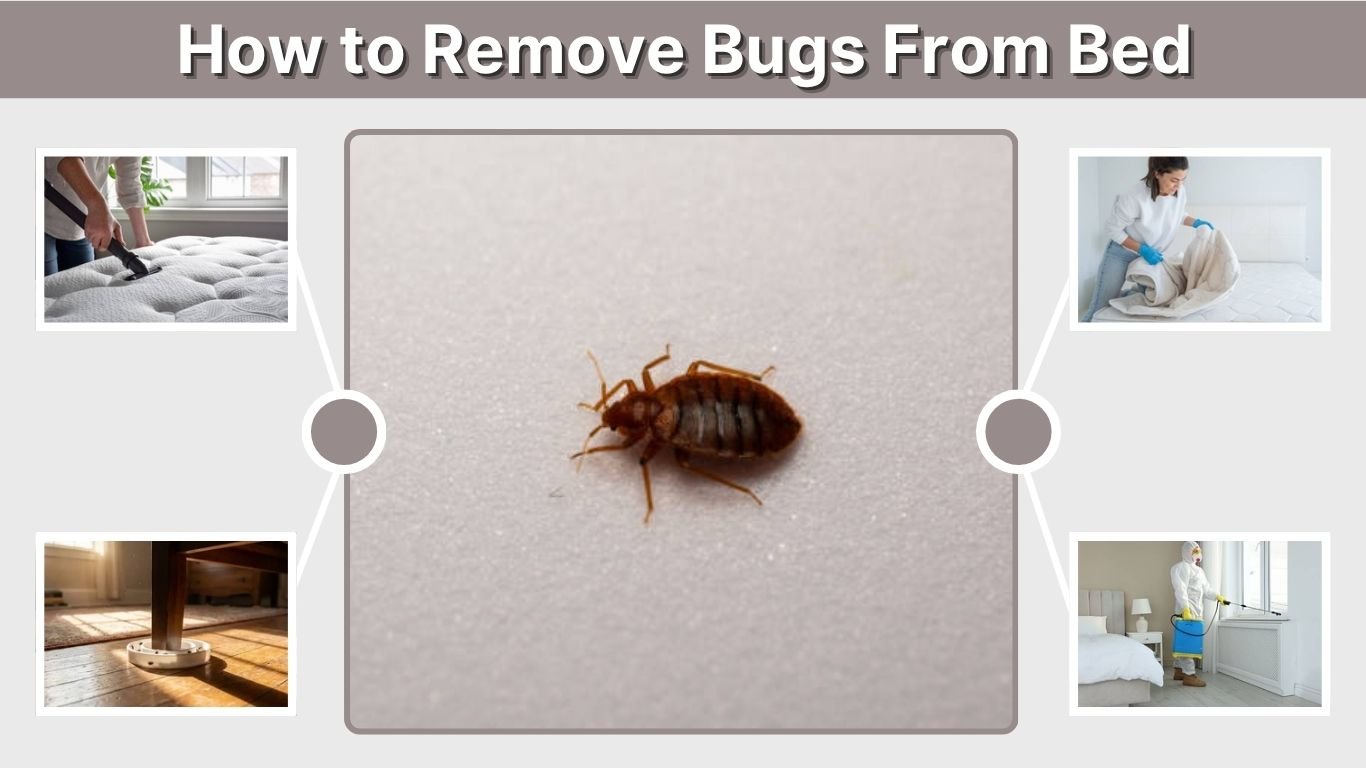
Finding bugs crawling around your bed can be frustrating, especially when they cause itchy bites or disturb your sleep. Whether you notice tiny insects in mattress seams, dark stains on sheets, or suspicious eggs near your headboard, taking action quickly is important. Learning how to remove bugs from bed involves identifying the pests, cleaning affected areas, and preventing them from returning. With proper vacuuming, heat treatment, and mattress protection, you can reduce bed bug activity and create a cleaner, more comfortable sleeping environment.
How to Identify Bugs in Your Bed
Before removing insects from your bed, determine whether they are actually bed bugs. Several household pests, including fleas and carpet beetles, can appear near mattresses. Correct identification helps you select the appropriate treatment and avoid unnecessary pesticide applications. Bed bugs have distinctive physical characteristics and leave recognizable evidence around their hiding places.
What Do Bed Bugs Look Like?
Adult bed bugs are small, oval-shaped insects with flattened bodies and a reddish-brown appearance. They typically measure approximately 4–7 millimeters long.
Unlike fleas, bed bugs cannot jump, and unlike many household insects, they do not have functional wings.
Young bed bugs are smaller and often appear pale or translucent before feeding.
Signs of Bed Bugs in Your Mattress
Look carefully around mattress seams, bed frames, and nearby furniture for these common warning signs:
- Live insects: Small, reddish-brown bugs hiding in mattress folds.
- Dark spots: Tiny black or brown fecal stains on bedding.
- Blood stains: Small reddish marks caused by crushed or recently fed bugs.
- Shed skins: Pale, empty exoskeletons left behind as bed bugs grow.
- Eggs: Tiny, whitish eggs attached to protected surfaces.
- Musty odor: An unusual smell that may occur with heavy infestations.
Bite marks alone cannot confirm bed bugs because other insects and skin conditions can produce similar symptoms.
How to Remove Bugs From Bed Step by Step
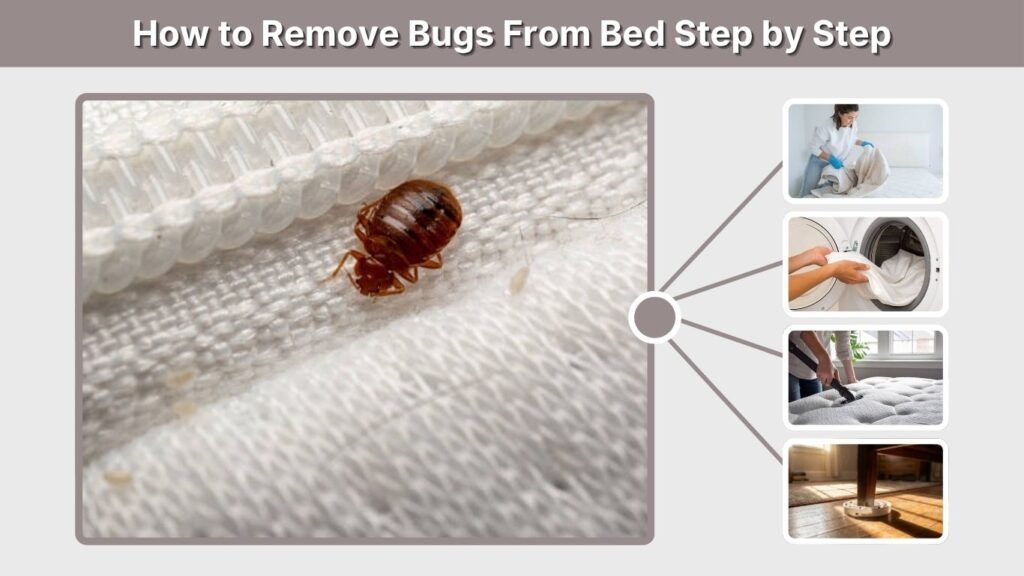
Removing bed bugs requires more than simply washing your sheets. These insects often hide inside mattress seams, headboards, furniture joints, and surrounding cracks. A combination of physical removal, heat treatment, protective covers, and continued monitoring provides better results than relying on one method. Follow these steps to begin controlling bed bugs in your sleeping area.
1. Remove All Bedding
Carefully remove sheets, pillowcases, blankets, and removable mattress covers.
Place potentially infested items directly into sealed plastic bags before carrying them to the laundry area. This helps prevent insects from spreading into other rooms.
Avoid shaking bedding because hidden insects could fall onto surrounding furniture or flooring.
2. Wash and Heat-Dry Bedding
Wash affected fabrics according to their care labels, then dry suitable items using high heat.
A household clothes dryer operating at high heat for 30 minutes can kill bed bugs and their eggs.
Washing alone is not a reliable way to eliminate every life stage. Keep treated bedding in clean, sealed containers until the sleeping area is ready.
3. Vacuum the Mattress Thoroughly
Use a vacuum cleaner with a crevice attachment to clean mattress seams, piping, folds, and edges.
Pay particular attention to areas where insects might hide.
Vacuuming removes exposed bed bugs and debris, but it may not capture every insect or attached egg.
Immediately seal and dispose of the vacuum contents in an outdoor trash container.
4. Apply Appropriate Steam Treatment
A suitable steam cleaner can help eliminate bed bugs hiding in fabric folds, mattress seams, and furniture cracks.
The steam must reach a sufficiently high temperature to kill insects. Use a controlled, low-pressure application rather than a forceful jet that might scatter them.
Always check the manufacturer’s cleaning instructions and avoid saturating the mattress.
5. Clean the Bed Frame and Headboard
Examine wooden joints, screw holes, cracks, and the space behind the headboard.
Vacuum accessible hiding places and consider professional treatment for areas that cannot be reached.
Bed bugs commonly hide outside the mattress, so overlooking the bed frame can allow the infestation to continue.
6. Install a Bed Bug Mattress Encasement
Cover the mattress and box spring with bed-bug-proof encasements designed to prevent insects from entering or escaping.
A properly fitted, fully zipped encasement traps insects already inside and reduces available hiding places.
Keep the encasement intact for at least one year, following its manufacturer’s guidance.
7. Use Bed Bug Interceptor Traps
Place bed bug interceptors underneath each bed leg.
Move the bed away from walls and prevent blankets or sheets from touching the floor.
These devices capture bed bugs attempting to climb onto or leave the bed, helping you monitor remaining activity.
8. Monitor and Repeat Necessary Treatments
Inspect the sleeping area regularly after your initial cleaning.
Newly emerging bed bugs may indicate that eggs survived or insects remain hidden elsewhere.
Repeated inspections, appropriate treatment, and professional assistance may be necessary to eliminate an established infestation.
How to Remove Bed Bugs From a Mattress
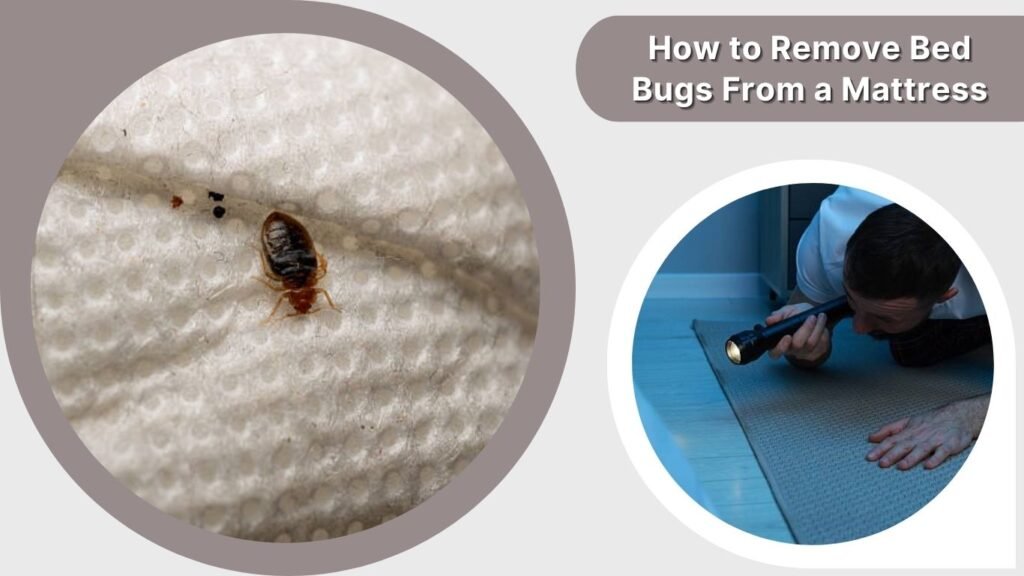
Mattresses provide numerous hiding places because their seams, labels, and fabric folds offer protection. Removing bed bugs from these areas requires careful inspection and appropriate treatment rather than simply wiping the mattress surface. While some mattresses can be successfully treated and protected, extensive infestations often require professional pest management to address surrounding hiding areas.
Removing Bed Bugs From Mattress Seams
Use a flashlight to examine the mattress edges, piping, and labels.
A crevice vacuum attachment can collect exposed insects, while an appropriate steam treatment may reach bed bugs concealed in accessible fabric folds.
Once the mattress has been treated and dried, install a protective encasement to reduce future hiding opportunities.
Can Bed Bugs Be Removed Without Throwing Away a Mattress?
Yes. Many infested mattresses can be retained after appropriate treatment.
A bed bug encasement helps isolate surviving insects, while treatment of the surrounding bedroom addresses bugs hiding elsewhere.
Discarding the mattress without treating the room will not solve the infestation and may spread bed bugs during removal.
How to Remove Bed Bug Eggs From Your Bed
Bed bug eggs are particularly challenging because they are tiny and often attached to surfaces inside narrow crevices. Female bed bugs can deposit eggs around mattresses, headboards, and nearby furniture. Successfully removing them requires careful inspection and methods capable of reaching hidden areas. Ordinary surface cleaning may leave some eggs behind.
Can Vacuuming Remove Bed Bug Eggs?
Vacuuming can collect some exposed eggs, but others remain attached to surfaces.
A crevice attachment may improve access to narrow areas, although vacuuming alone should not be considered a complete treatment.
Professional heat treatments and appropriately applied steam can help kill eggs when the necessary temperatures reach them.
How to Remove Bed Bug Stains From Mattresses and Sheets
Bed bug infestations frequently leave dark fecal marks and reddish stains on bedding, mattresses, and furniture. These stains can remain visible even after the insects have been removed. Cleaning methods depend on the affected material, and some marks may become permanent. Removing stains improves appearance but does not independently eliminate an infestation.
Removing Bed Bug Stains From Sheets and Clothes
For washable fabrics, pretreat visible marks with a suitable laundry stain remover or mild detergent according to the fabric’s care instructions.
Gently work the cleaner into the stain before laundering.
Remember that potentially infested clothing still needs appropriate heat treatment, even when visible stains have disappeared.
Removing Bed Bug Stains From a Mattress
Blot accessible stains with a clean cloth lightly dampened with mild detergent solution.
Avoid soaking the mattress because excess moisture can create additional problems.
Test cleaning products on an inconspicuous area first. Some dark fecal stains may not disappear completely.
Removing Bed Bug Stains From Wood and Walls
For finished wood and washable wall surfaces, gently wipe visible marks with a soft cloth and a suitable mild cleaner.
Avoid abrasive scrubbing, especially on painted surfaces or delicate wood finishes.
Cleaning away stains does not remove insects concealed inside cracks, joints, or wall openings.
How to Remove Bed Bug Bite Marks From Skin
Bed bug bites can produce itchy bumps, temporary discoloration, and occasional dark spots after healing. Although these marks may be uncomfortable, most improve naturally over time. Treating the skin is different from eliminating bed bugs, and no home remedy can instantly remove every bite mark or scar.
How to Soothe Bed Bug Bites
Wash the affected skin gently with soap and water.
Apply a cool compress to relieve irritation, and avoid scratching because broken skin can become infected.
An over-the-counter hydrocortisone cream or an antihistamine may help with itching when used appropriately.
How to Remove Dark Spots From Bed Bug Bites
Dark marks left after bites are often caused by post-inflammatory hyperpigmentation.
These marks may take weeks or months to fade. Gentle skincare, moisturizing, and sun protection can support recovery.
For persistent discoloration or scarring, a dermatologist can recommend appropriate treatment.
How to Prevent Bed Bugs From Returning
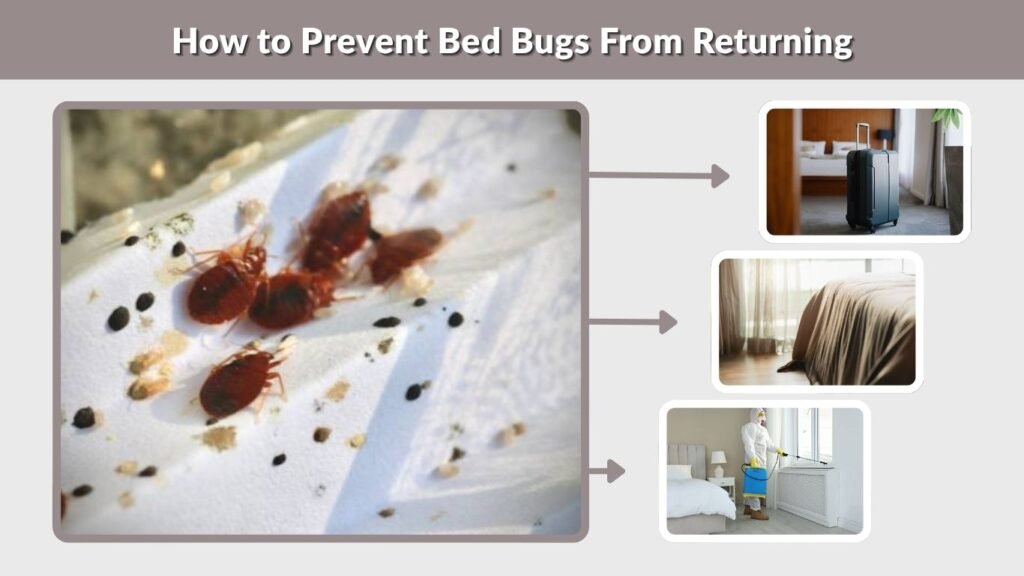
Preventing another infestation requires regular inspection and continued monitoring after treatment. Bed bugs can survive in overlooked hiding places and move between furniture, rooms, or nearby apartments. Keeping the sleeping environment accessible for inspection and taking precautions with luggage and secondhand furniture can reduce the risk of introducing new insects.
Bed Bug Prevention Tips
- Inspect mattress seams and bed frames regularly.
- Keep bedrooms organized to reduce hiding places.
- Avoid placing luggage directly on hotel beds.
- Examine secondhand furniture before bringing it indoors.
- Use properly fitted mattress and box-spring encasements.
- Keep bedding from touching the floor.
- Continue checking bed bug interceptors after treatment.
- Contact an experienced pest control professional if insects persist.
Avoid using rubbing alcohol, gasoline, or other flammable substances to treat bedding. Never apply insecticides to mattresses or sleeping surfaces unless the product label specifically permits that use.
FAQs
1. How do you remove bugs from your bed quickly?
Start by removing bedding, sealing potentially infested fabrics in bags, and heat-drying suitable items. Vacuum mattress seams and inspect the bed frame. Complete elimination may require additional treatments.
2. Can you remove bed bugs from a mattress permanently?
Yes, an infestation can be eliminated with comprehensive treatment. However, treating the mattress alone is insufficient if bed bugs remain elsewhere in the room.
3. Does washing bedding remove bed bugs?
Washing may remove some bed bugs, but it does not reliably kill every insect or egg. High-heat tumble drying for 30 minutes is an established treatment for dryer-safe fabrics.
4. How do you remove bed bug eggs from a mattress?
Careful vacuuming can collect some exposed eggs, while properly applied steam or professional heat treatment can kill eggs. A mattress encasement helps contain anything remaining inside.
5. How long does it take to remove bed bugs completely?
Eliminating a bed bug infestation may take several weeks or months, depending on its severity and the treatment approach. Repeated inspections are important because some insects or eggs may survive initial efforts.