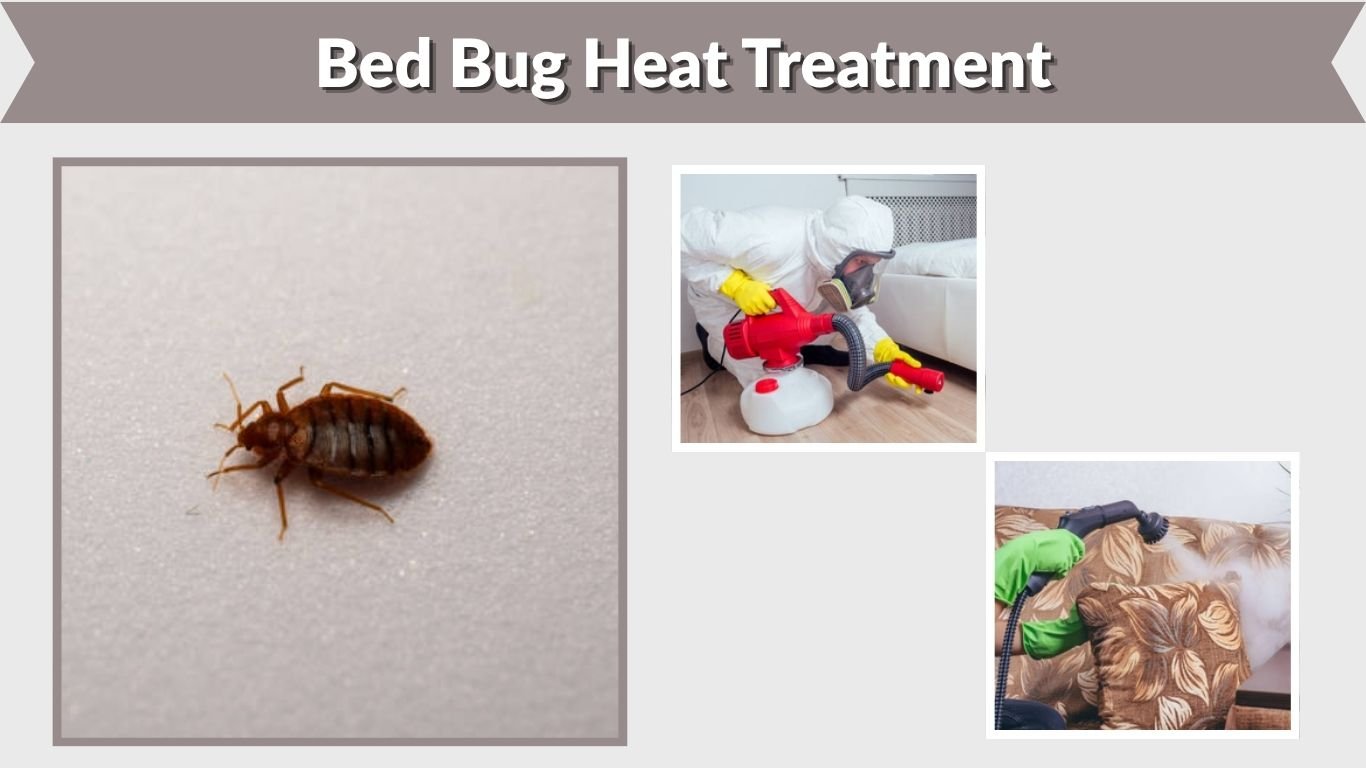
Bed bug heat treatment is a professional pest control method that uses high temperatures to eliminate bed bugs, including their eggs. Unlike many chemical treatments, heat can reach insects hiding inside furniture, mattresses, and narrow spaces when applied correctly. However, successful treatment depends on proper equipment, temperature monitoring, and preparation. Many homeowners also wonder about the cost, effectiveness, and safety of heat treatment. This guide explains how bed bug heat treatment works, how long it takes, what it costs, and what to expect afterward.
How Does Bed Bug Heat Treatment Work?
Bed bug heat treatment uses specialized heating equipment to raise temperatures throughout an infested room or building. The goal is to expose adult bed bugs, nymphs, and eggs to lethal heat for sufficient time. Professional technicians monitor temperatures in furniture and other hiding places because warm air alone does not guarantee that every insect receives a lethal exposure.
What Temperature Kills Bed Bugs?
Bed bugs cannot survive sufficient exposure to high temperatures. According to the Environmental Protection Agency, heating infested areas or belongings to at least 120°F (49°C) for 90 minutes can kill bed bugs and their eggs.
However, this temperature must reach the insects themselves, including those hidden inside mattresses, furniture, and cracks.
Professional equipment helps distribute heat while sensors monitor difficult-to-reach locations.
What Equipment Is Used?
Professional bed bug heat treatment equipment typically includes commercial heaters, high-powered fans, temperature probes, and monitoring systems.
Heaters generate controlled warmth while fans circulate hot air throughout the treatment area.
Technicians use temperature sensors to identify cooler locations and determine whether sufficient heat has reached potential hiding spots.
How Effective Is Bed Bug Heat Treatment?
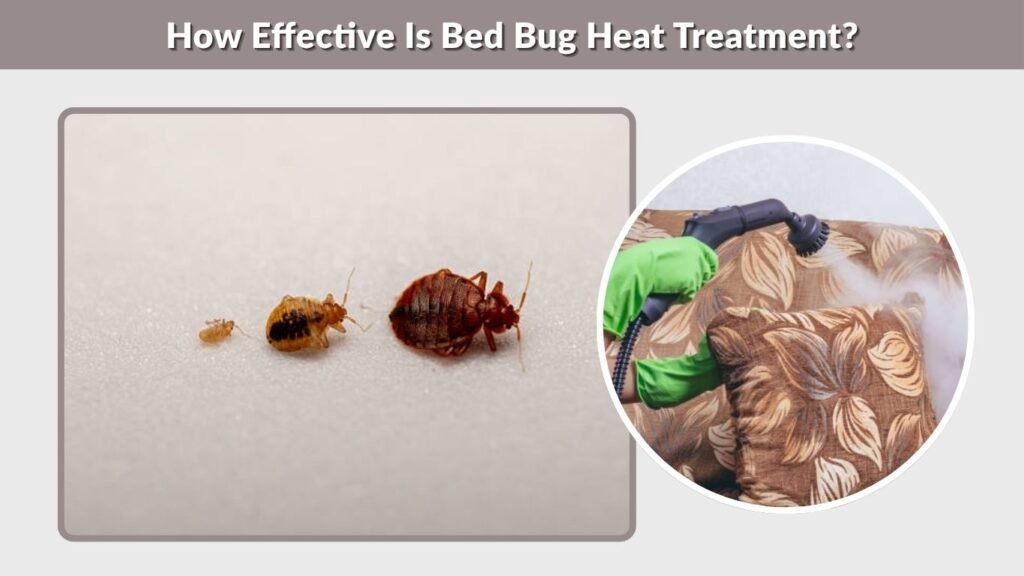
Professional heat treatment can be highly effective against bed bugs when every infested location reaches the required temperature. One major advantage is that heat can kill adults, immature insects, and eggs during the same treatment. However, effectiveness depends on the technician’s experience, equipment, building conditions, and temperature distribution. No heat treatment should be considered automatically successful without appropriate monitoring.
Does Heat Treatment Kill Bed Bug Eggs?
Yes. Bed bug eggs are vulnerable to sufficiently high temperatures, although they can require greater heat exposure than mobile life stages.
Properly conducted professional treatment can eliminate eggs hidden in mattress seams, furniture joints, and other protected spaces.
Unlike some chemical treatments, heat does not depend on newly hatched insects contacting residual insecticides.
Benefits of Professional Heat Treatment
The main advantages include:
- All life stages: Proper heat exposure kills adult bed bugs, nymphs, and eggs.
- Broad coverage: Heated air can penetrate many locations where insects hide.
- Potentially faster results: Successful treatments may eliminate an infestation during one visit.
- Reduced pesticide use: Heat itself does not require insecticides, although some programs combine methods.
- Furniture treatment: Many mattresses and upholstered items can remain in the treated area.
However, heat has no lasting residual effect, meaning new bed bugs can establish another infestation after treatment.
Why Does Heat Treatment Sometimes Fail?
Treatment may fail when certain locations remain too cool or bed bugs escape into untreated areas.
Dense furniture, insulated spaces, and inaccessible cracks can prevent heat from reaching every insect.
Reintroduction through luggage, neighboring apartments, or infested belongings can also cause bed bugs to appear again.
What Happens During Professional Bed Bug Heat Treatment?
Professional bed bug heat treatment involves inspection, preparation, controlled heating, and verification. Technicians first assess the infestation and determine which areas require treatment. They then position specialized equipment to distribute heat while monitoring temperatures throughout the space. The procedure requires careful attention because insufficient heating can leave surviving insects, while excessive temperatures may damage household belongings.
Professional Heat Treatment Process
A typical appointment includes:
- Initial inspection: Technicians identify infestation locations and assess the treatment area.
- Equipment setup: Commercial heaters, fans, and temperature sensors are positioned.
- Controlled heating: Temperatures rise gradually throughout the affected space.
- Temperature monitoring: Technicians check hidden locations and adjust airflow when necessary.
- Required exposure: Target temperatures are maintained long enough to kill bed bugs.
- Follow-up evaluation: The company explains monitoring requirements and any additional treatment.
How Long Does Bed Bug Heat Treatment Take?
Professional whole-room or whole-home heat treatment often takes approximately six to eight hours, although larger or more complicated properties may require longer.
The actual duration depends on room size, insulation, furniture arrangement, and the time required for hidden areas to reach lethal temperatures.
Residents and pets must stay outside the treatment area until the professional confirms that reentry is safe.
How to Prepare for Bed Bug Heat Treatment
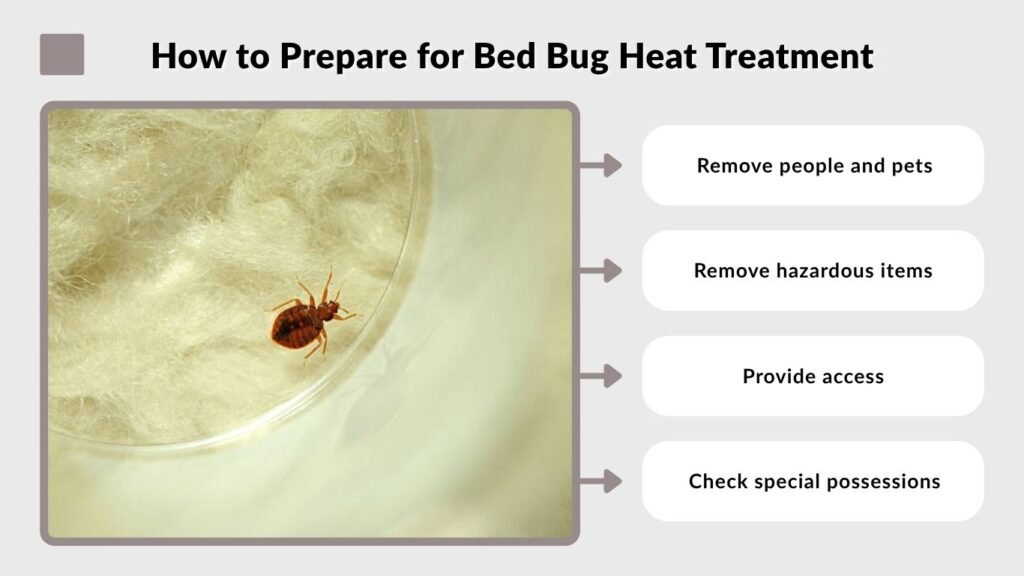
Proper preparation is important for both safety and treatment effectiveness. Some possessions can be damaged by elevated temperatures, while moving too many belongings may spread bed bugs into untreated areas. Preparation instructions vary between pest control companies and treatment systems. Homeowners should follow the technician’s specific checklist rather than independently removing furniture, emptying rooms, or rearranging infested materials.
Bed Bug Heat Treatment Preparation Checklist
Before treatment:
- Remove people and pets: Arrange temporary accommodation for occupants and animals.
- Remove hazardous items: Take out aerosol cans, lighters, and other pressurized containers.
- Protect heat-sensitive belongings: Follow instructions for medications, cosmetics, plants, artwork, and electronics.
- Provide access: Clear only the areas specified by the technician.
- Check special possessions: Discuss musical instruments, photographs, and valuable items.
- Follow company instructions: Avoid moving potentially infested belongings into untreated rooms.
Should Furniture Stay Inside?
Most furniture should remain inside the treatment area so that any hidden bed bugs receive heat exposure.
Removing mattresses, sofas, or other potentially infested belongings unnecessarily may spread insects elsewhere.
Professional technicians may reposition furniture or open drawers to improve circulation during treatment.
How Much Does Bed Bug Heat Treatment Cost?
Bed bug heat treatment costs vary considerably depending on property size, infestation severity, location, and the services included. Professional heating requires specialized equipment, trained technicians, and substantial energy consumption. For homeowners comparing treatment options, understanding the total quoted price is more useful than considering a basic per-room estimate. Inspection, preparation, additional treatments, and follow-up services may affect the final cost.
Average Bed Bug Heat Treatment Cost
In the United States, whole-home professional bed bug heat treatment can cost approximately 1,500–5,000 or more, depending on the property and provider.
Small, localized treatments may cost considerably less, while large buildings or difficult infestations can exceed this range.
These figures are general planning estimates rather than guaranteed prices. Request written quotations from qualified local companies before choosing a treatment plan.
What Factors Affect Treatment Prices?
Several conditions influence pricing:
- Property size: Larger spaces require more equipment and heating time.
- Infestation severity: Extensive infestations may demand additional work.
- Location: Local labor and operating expenses affect service charges.
- Furniture and clutter: Complex environments can increase treatment difficulty.
- Additional services: Inspections, chemical applications, and follow-up visits may affect the total price.
Heat Treatment vs. Chemical Treatment for Bed Bugs
Heat and chemical treatments both play important roles in professional bed bug management. Heat provides immediate control when lethal temperatures reach all infested areas, while appropriately selected pesticides may offer residual activity after application. Neither method guarantees permanent protection. The most suitable approach depends on infestation conditions, neighboring properties, available resources, and the recommendations of an experienced pest management professional.
Which Treatment Is Better?
Heat treatment may be preferable when rapid elimination is important and the property can be heated safely and thoroughly.
Chemical treatment can be useful when certain areas are difficult to heat or ongoing residual control is needed.
Some professionals combine heat, targeted pesticides, and monitoring as part of integrated pest management.
Can You Do Bed Bug Heat Treatment Yourself?
Whole-room DIY heating with ordinary space heaters, ovens, or fireplaces is dangerous and unreliable.
Improvised heating can cause fires, damage electrical systems, or expose occupants to serious hazards without eliminating hidden bed bugs.
For household items, a clothes dryer on high heat for 30 minutes can kill bed bugs when suitable for the fabric. Whole-home heat treatment should be handled by trained professionals.
What Happens After Bed Bug Heat Treatment?
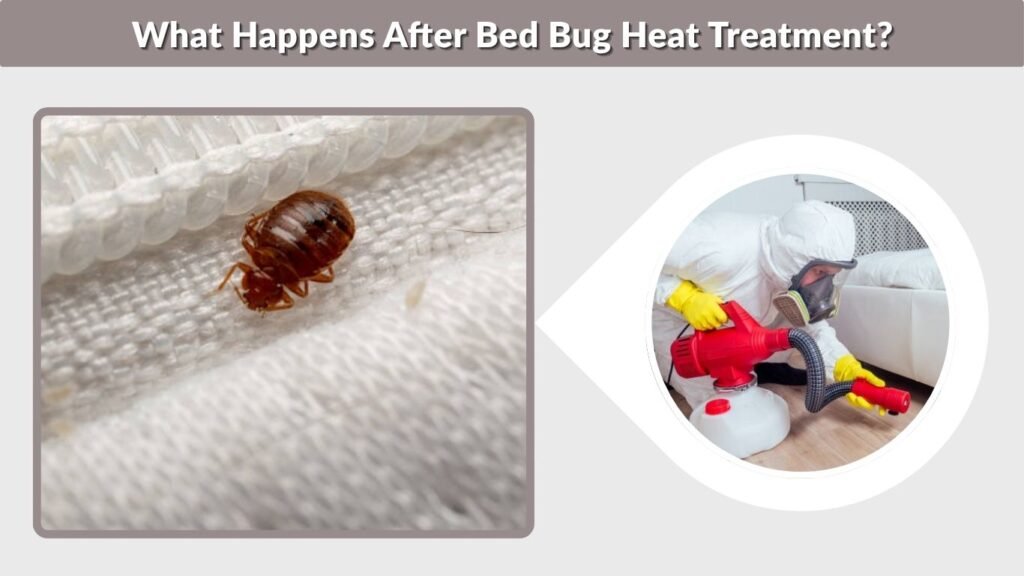
After professional treatment, the property must cool sufficiently before residents return. Successful heating may kill existing bed bugs quickly, but continued inspection helps confirm that the infestation has been eliminated. Because heat leaves no residual protection, previously untreated belongings or neighboring infestations can introduce insects again. Monitoring and following professional recommendations are essential for maintaining results.
Can Bed Bugs Return After Heat Treatment?
Yes. Bed bugs can return through infested luggage, secondhand furniture, or movement from neighboring units.
Survivors may also remain if treatment temperatures did not reach every hiding place.
Bed bug interceptors, mattress inspections, and scheduled follow-up checks can help identify continuing activity.
Why Am I Getting Bites After Heat Treatment?
Existing bed bug bite reactions can remain itchy or become noticeable after treatment, so fresh-looking skin marks do not necessarily indicate surviving insects.
However, new bed bug sightings, eggs, or fecal spots may suggest continuing activity.
Contact the pest control company if evidence of infestation appears after treatment.
FAQs
Many homeowners have questions about treatment temperatures, safety, success rates, and the possibility of recurring infestations. Professional heat treatment is effective under suitable conditions, but outcomes depend on complete heating and careful preparation. Understanding these factors can help homeowners evaluate service providers and establish realistic expectations. The following questions address common concerns about bed bug heat treatment.
1. Can Bed Bug Heat Treatment Kill All Bed Bugs?
Yes, properly applied heat can kill all bed bug life stages, including eggs. However, complete elimination requires every infested location to reach lethal temperatures.
2. Is Bed Bug Heat Treatment Safe for Furniture?
Many furniture items can withstand professional heat treatment. However, heat-sensitive materials, adhesives, electronics, and valuable belongings may require special precautions.
3. Is One Heat Treatment Enough for Bed Bugs?
One properly performed treatment may eliminate an infestation. However, incomplete heating, untreated areas, or reintroduction can make additional treatment necessary.
4. Does Bed Bug Heat Treatment Damage Electronics?
Heat can damage certain electronic devices or components. Follow the treatment company’s recommendations about unplugging, protecting, or removing sensitive equipment.
5. Is Professional Heat Treatment Worth the Cost?
It can be worthwhile when the infestation is confirmed and the provider offers appropriate equipment, temperature monitoring, and follow-up support. Compare written estimates and treatment plans before deciding.