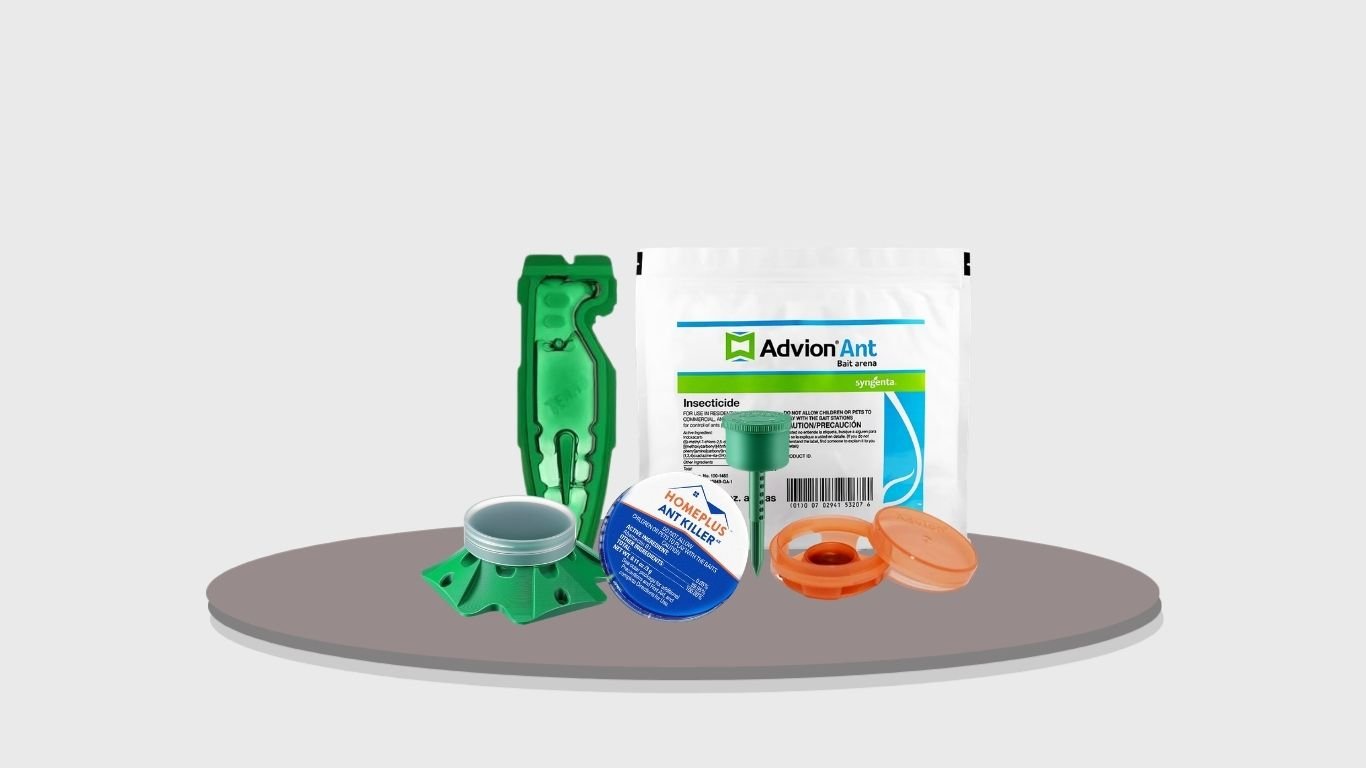
Ant bait stations are a practical way to control ants by attracting workers to a food-based bait that can be carried back toward the colony. The best options are easy to place, designed to reduce mess, and suitable for different indoor or outdoor problem areas. Some use liquid bait, while others rely on gel or enclosed bait systems for longer-lasting control. In this guide, we review 13 of the best ant bait stations to help you compare features, placement options, effectiveness, and overall convenience.
1. TERRO T334B Multi-Surface Liquid Ant Baits
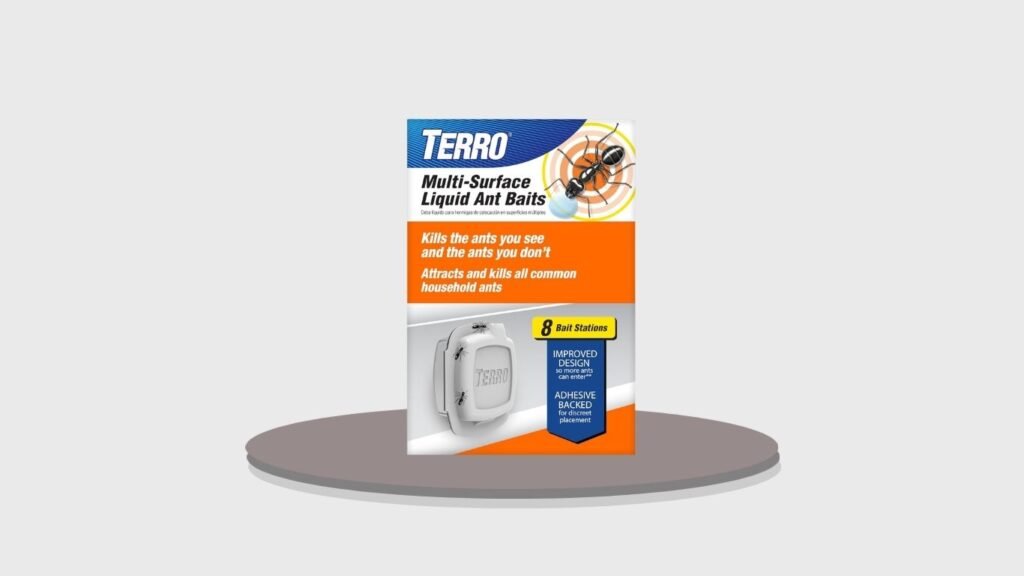
TERRO T334B Multi-Surface Liquid Ant Baits are designed for homeowners who want flexible ant control without spraying insecticide around active trails. Each pre-filled station contains sweet liquid bait that attracts foraging ants, allowing workers to carry the bait back toward the colony. The multi-surface design can sit flat or attach to selected vertical surfaces, making it useful around kitchens, baseboards, cabinets, counters, appliances, and entry points.
Key Features
- Includes four pre-filled liquid ant bait stations
- Suitable for floors, counters, walls, cabinets, and appliances
- Includes adhesive strips for multi-surface placement
- Stay-fresh twist tab keeps bait sealed until use
- Sweet liquid formula attracts common household ants
- Designed for worker ants to transport bait back toward the colony
- Two-color design helps the stations blend into household surroundings
- Best positioned near ant trails and common entry points
Why It’s Best For Indoor Ant Trails
The biggest advantage of the TERRO T334B is its placement flexibility. Traditional bait stations usually need a flat surface, while this model can also be positioned on walls, kick plates, or beneath cabinets using the included adhesive system.
Its delayed-action approach is especially useful when ants are repeatedly entering through the same area. Instead of targeting only individual ants on contact, workers are given enough time to return toward the colony after feeding. You may initially notice more ants gathering around the station because they are following pheromone trails to the food source.
Performance & Durability
The liquid bait remains usable while it stays in liquid form, although its working duration varies with indoor conditions and how heavily ants feed on it. Because each station remains sealed until its twist tab is opened, unused units can stay fresh until needed.
One consideration is the mounting system. Recent manufacturer-site reviews include complaints about separating or using the adhesive backing, although other users report successful placement and good bait performance. Using a clean, dry surface and pressing the station firmly can help improve adhesion.
Pros & Cons and Overall Verdict
Pros: The stations are pre-filled, discreet, versatile in placement, and designed to address more than just the ants immediately visible. They are particularly convenient for recurring trails around kitchens, baseboards, cabinets, and entry points.
Cons: The adhesive mounting design may be less convenient for some users, and this particular product is not labeled by the manufacturer for every ant species, including fire ants, carpenter ants, pharaoh ants, and harvester ants.
Overall Verdict: The TERRO T334B Multi-Surface Liquid Ant Baits earn the #1 position for their combination of ready-to-use liquid bait and flexible placement. They are especially practical when household ants repeatedly travel through tight or awkward indoor areas where a conventional flat bait station would be harder to position.
2. Qualirey Reusable Ant Bait Stations
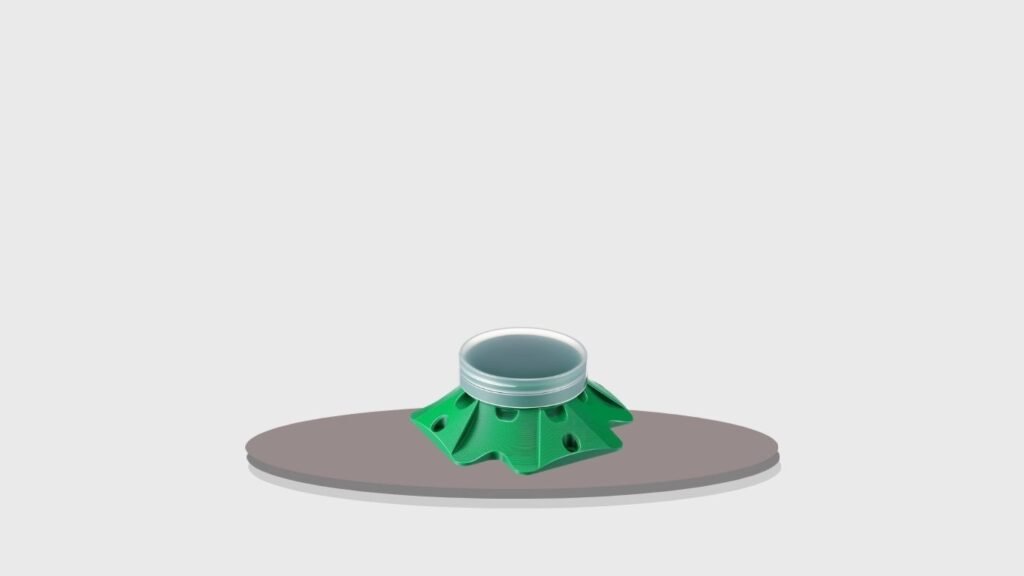
The Qualirey Reusable Ant Bait Stations are different from conventional pre-filled ant traps because the stations themselves are supplied without bait. This makes them a flexible option for homeowners who already have a preferred ant bait and want a protected, reusable place to deploy it. The Amazon listing describes a three-pack intended for indoor and outdoor placement.
Key Features
- Includes three reusable bait stations
- Bait is not included
- Designed for indoor and outdoor placement
- Refillable construction reduces the need to discard the entire station
- Enclosed design helps keep bait contained
- Can be positioned near trails, entry areas, and known ant activity
- Useful for users who want control over which compatible bait they use
Why It’s Best For Reusable Baiting
The strongest reason to consider the Qualirey system is flexibility. Pre-filled stations are convenient, but once their bait is consumed or dries out, the entire unit is usually replaced. These stations can instead be serviced with an appropriate bait according to the bait manufacturer’s directions.
That makes them useful for recurring ant problems where you want permanent bait-station locations around a property. They can be positioned near commonly traveled ant routes and then checked periodically rather than continually placing disposable traps.
Performance & Durability
Because the station itself contains no pesticide or attractant, performance depends heavily on the bait placed inside it and whether that bait matches the feeding preferences of the ant species present.
The reusable housing is the main durability advantage. A station that remains intact can potentially be cleaned and serviced repeatedly, making this design better suited to ongoing monitoring than a disposable trap.
Outdoor performance will also depend on placement. Sheltered areas away from excessive rain, irrigation, and direct disturbance generally provide better conditions for keeping bait usable.
Pros & Cons and Overall Verdict
Pros: Reusable design, indoor/outdoor versatility, refillable construction, and freedom to select an appropriate compatible bait.
Cons: Bait must be purchased separately, so it is less convenient than a ready-to-use station. Effectiveness depends on bait selection and correct placement.
Overall Verdict: The Qualirey Reusable Ant Bait Stations rank #2 for users who want a refillable ant-control system rather than a disposable pre-filled trap. They are especially practical for maintaining established baiting locations around frequently affected areas.
3. Home Plus Metal Ant Bait Stations
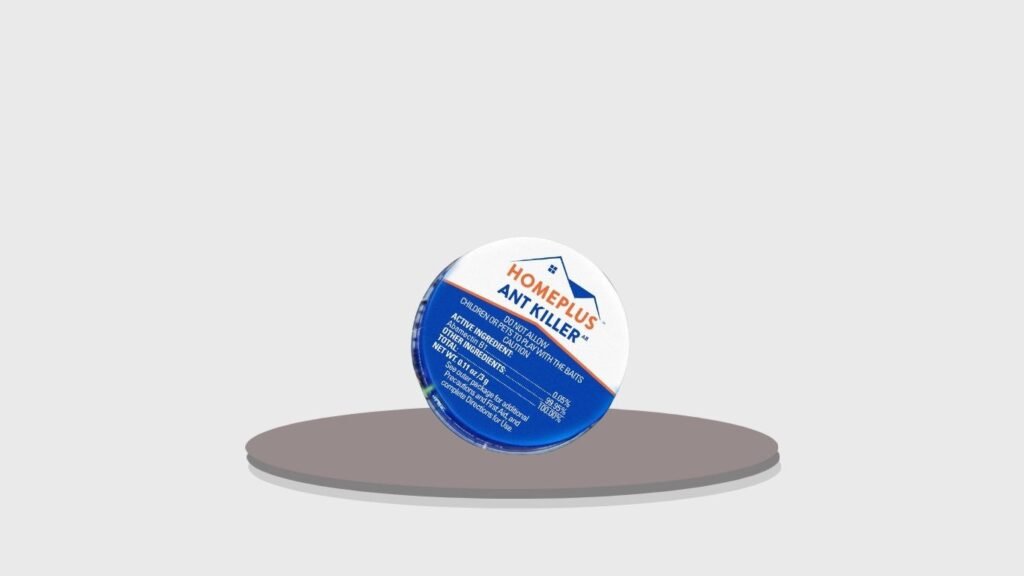
Home Plus Ant Killer bait stations offer a more traditional ready-to-use approach. These compact metal stations contain bait formulated with abamectin B1 and are designed for placement where ants are actively traveling. The product is marketed for both indoor and outdoor use and uses multiple food attractants to encourage worker ants to feed and transport bait back toward the colony.
Key Features
- Ready-to-use enclosed metal bait stations
- Active ingredient: abamectin B1
- Designed for indoor and outdoor ant control
- Uses multiple food attractants
- Targets numerous common household ant species
- Enclosed housing limits direct access to the bait
- Can be placed near kitchens, drains, wall openings, trash areas, and ant trails
- Available in a multi-station package
Why It’s Best For Discreet Household Placement
The low-profile metal housing is useful when you want bait stations that can remain quietly positioned along edges and other ant travel routes. Unlike open bait placements, the attractant stays contained inside the station.
This format is particularly convenient around kitchens, utility spaces, doorways, and other areas where loose bait would be inconvenient. Worker ants enter the station, feed, and can transfer bait through the colony rather than only eliminating insects that happen to be visible.
Performance & Durability
The metal construction gives these stations a sturdy feel compared with lightweight disposable plastic designs. According to product information, the formulation is intended to begin affecting worker ants after feeding while still permitting colony transfer.
Placement remains important. Stations should be positioned close to active trails instead of being randomly distributed throughout a room or yard. Avoid contaminating bait stations with strong cleaners or repellent sprays that could interfere with ant feeding.
Pros & Cons and Overall Verdict
Pros: Durable metal housing, ready-to-use design, broad household-ant targeting, and suitability for indoor or outdoor placement.
Cons: Fixed bait means you cannot switch formulations, and results can differ depending on the species and feeding preferences of the colony.
Overall Verdict: The Home Plus Metal Ant Bait Station earns the #3 position because it combines convenient enclosed bait with a durable housing. It is a strong option for households that prefer simple placement without having to refill stations manually.
4. InTice Gelanimo Ready-to-Use Ant Bait Stations
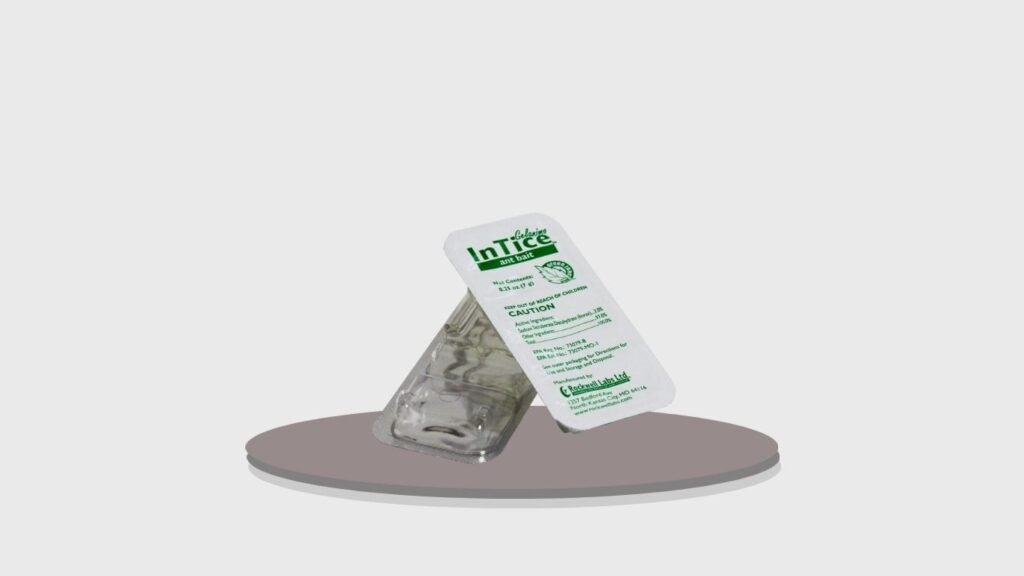
InTice Gelanimo from Rockwell Labs uses a distinctive rigid hydro-gel rather than a conventional runny liquid. The ready-to-use stations contain a high-moisture borate bait designed to remain stable without becoming sticky or spilling easily. Its low-profile station design also makes it useful in narrow indoor locations where larger ant traps can be difficult to position.
Key Features
- Patented rigid hydro-gel bait technology
- 3% borax formulation
- Ready-to-use enclosed stations
- High-moisture gelatin-like consistency
- Designed to resist spilling and mess
- Remains stable at temperatures up to 130°F
- Low-profile design fits beneath appliances and on narrow ledges
- Suitable for labeled indoor and outdoor applications
- Multiple ants can feed from the gel simultaneously
Why It’s Best For No-Mess Gel Baiting
The most distinctive feature is the bait texture. Liquid ant bait can sometimes leak, evaporate, or become difficult to manage when a station is disturbed. Gelanimo’s rigid hydro-gel maintains high moisture content while holding its shape.
Rockwell Labs also notes that ants can feed from the gel and even cut and transport small portions toward the nest. This makes the product especially interesting for situations where conventional liquid bait stations have been inconvenient.
Performance & Durability
The station uses a foil seal and specialized plastic construction intended to reduce moisture loss during storage and use. The bait remains stable at temperatures up to 130°F, providing greater temperature tolerance than many exposed gel formulations.
Its profile is less than roughly half an inch high, allowing placement beneath appliances, along window sills, inside cabinets, and other protected ant-travel areas.
Pros & Cons and Overall Verdict
Pros: Spill-resistant hydro-gel, high moisture content, compact station design, strong temperature stability, and flexible indoor/outdoor labeling.
Cons: Professional-style packaging can be more than some homeowners need, and bait acceptance can still vary among ant species.
Overall Verdict: The InTice Gelanimo earns the #4 position for its innovative no-spill gel technology. It is especially suitable when you want moisture-rich bait without the leakage concerns associated with ordinary liquid stations.
5. Combat Max 2-in-1 Ant Bait Stations
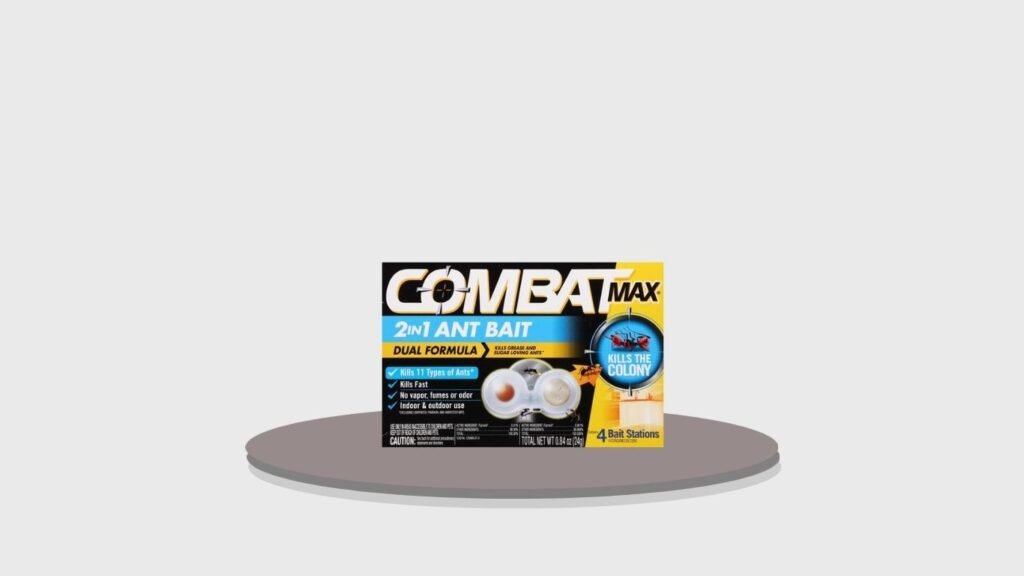
Combat Max 2-in-1 Ant Bait Stations are designed around the fact that ant feeding preferences can shift between sugary and protein-rich foods. Each station combines two bait formulas to improve attraction across different feeding cycles. The product contains fipronil and is formulated to target 11 common household ant types, excluding carpenter, harvester, and pharaoh ants.
Key Features
- Two bait formulas inside one station
- Includes sugar-based and protein-based attractants
- Active ingredient: fipronil
- Four bait stations per standard package
- Targets 11 common household ant types
- Transparent housing helps monitor bait
- Snap-off activation tab
- No aerosol spray or strong vapor required
- Designed for placement near active ant trails
Why It’s Best For Changing Ant Feeding Preferences
Ant colonies do not always seek the same food. At certain times they may strongly favor sugars, while protein can become more attractive at other stages.
Combat addresses this with two different food-based formulas in the same station. This reduces some of the guesswork involved in choosing between sweet and protein-oriented baits and makes it particularly convenient when you are unsure what type of attractant the ants currently prefer.
Performance & Durability
Fipronil works through bait consumption, allowing worker ants to take the formulation back toward the colony. Combat states that the product is designed to eliminate both visible workers and colony members that remain hidden.
The transparent design is another practical benefit because it makes checking bait condition easier without opening the station.
For best results, the manufacturer recommends placing stations flat near trails or locations where ants are frequently observed.
Pros & Cons and Overall Verdict
Pros: Dual sugar/protein bait system, simple activation, transparent housing, fipronil formulation, and broad targeting of common household ants.
Cons: Not labeled for carpenter, pharaoh, or harvester ants, so species identification matters before use.
Overall Verdict: The Combat Max 2-in-1 Ant Bait takes the #5 position because its dual-formula approach covers different feeding preferences without requiring two separate bait products.
6. TERRO T1813B Outdoor Liquid Ant Bait Stakes
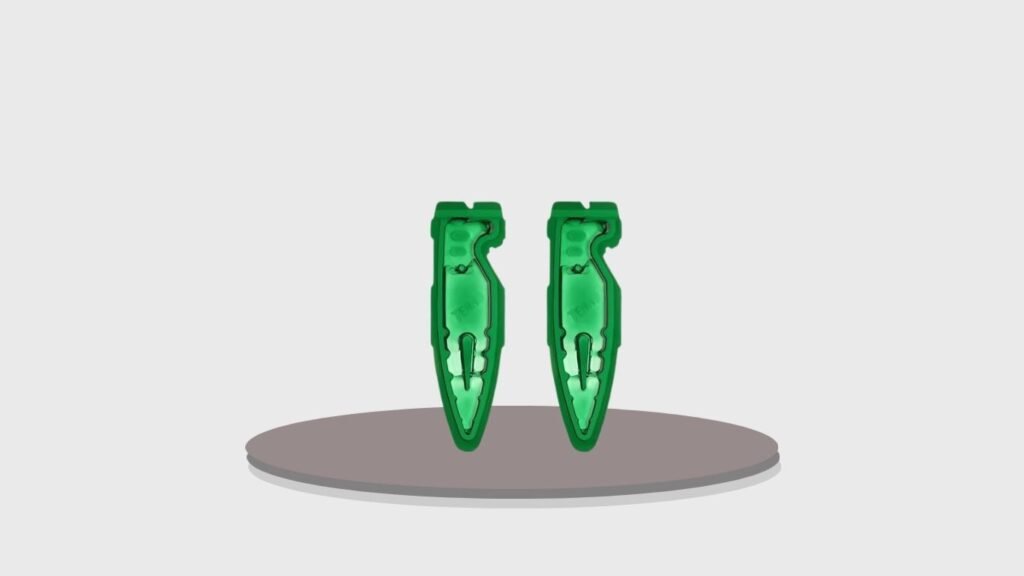
TERRO T1813B Outdoor Liquid Ant Bait Stakes are specifically designed to intercept household ants outside before they establish trails indoors. Each stake contains sweet liquid bait and pushes directly into the ground, making placement simple around foundations, patios, walkways, gardens, and known outdoor ant trails. The Amazon listing supplied here contains 12 stakes.
Key Features
- 12 outdoor bait stakes in the listed package
- Ready-to-use liquid ant bait
- Active ingredient: borax
- Stake design anchors directly into soil
- Targets common sweet-feeding household ants
- Designed to reduce outdoor colonies before ants enter the home
- Enclosed bait reservoir helps protect the liquid
- Simple cut-tab activation system
Why It’s Best For Outdoor Perimeter Control
Unlike standard indoor stations, TERRO’s stakes are designed to remain positioned in soil near the source of outdoor ant activity.
Good locations include areas beside foundations, patios, garden borders, ant trails, and places where ants are entering the building. Workers are attracted to the sweet liquid and return toward the nest after feeding, spreading the bait through the colony.
The stake format also prevents the station from moving as easily as a loose trap sitting on soil.
Performance & Durability
TERRO recommends leaving the bait undisturbed while ants are actively feeding. It is also normal to see increased activity around a bait station shortly after installation because more workers may recruit to the food source.
When a stake is depleted, it can simply be discarded and replaced. The enclosed outdoor design provides greater protection than leaving liquid bait exposed directly on the ground.
Pros & Cons and Overall Verdict
Pros: Convenient ground stakes, ready-to-use liquid formulation, easy perimeter placement, and colony-oriented baiting action.
Cons: Intended primarily for sweet-feeding household ants and not labeled for several types, including fire, carpenter, pharaoh, and harvester ants.
Overall Verdict: The TERRO T1813B ranks #6 as an excellent choice for outdoor perimeter baiting, particularly when ant trails are originating in soil around a home.
7. Advion Ant Bait Arena – 12 Count
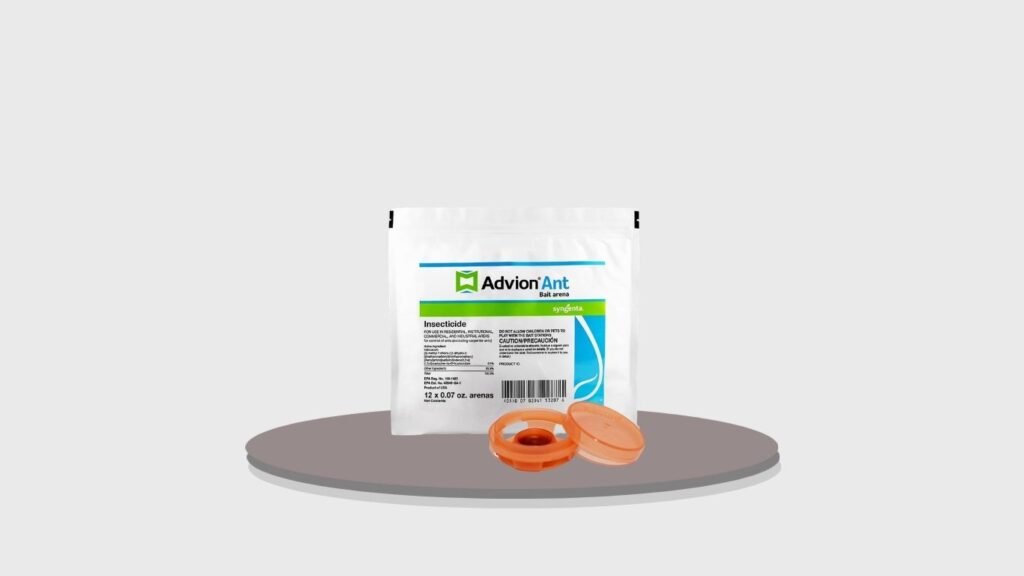
Advion Ant Bait Arena is a professional-style enclosed bait system from Syngenta. The 12-count package uses a highly attractive bait formulation containing 0.1% indoxacarb, a Group 22 insecticide. The small plastic arenas are designed for convenient placement around active foraging areas and can be used in a wide variety of residential and other labeled settings.
Key Features
- Includes 12 individual bait arenas
- Active ingredient: 0.1% indoxacarb
- Enclosed, ready-to-use bait design
- Highly attractive bait matrix
- Suitable for many indoor and outdoor placements
- Can be positioned adjacent to active foraging trails
- Designed to allow worker ants to feed before the insecticide takes effect
- Small arena format makes discreet placement easier
Why It’s Best For Professional-Style Ant Control
Advion stands out because its formulation is designed around delayed bait transfer. After feeding, worker ants have time to return toward nest areas before mortality occurs.
The label explains that this process can help distribute the active ingredient among other colony members, including larvae and queens. This colony-oriented approach is important because eliminating only visible workers rarely addresses the source of a persistent infestation.
Performance & Durability
The enclosed arena protects the bait better than an exposed gel placement and allows units to be positioned close to trails, corners, cabinets, and other foraging locations.
Syngenta recommends using one to four arenas where ants are observed for normal infestations, with additional placement potentially required for larger or difficult-to-access problems.
The manufacturer also advises against applying repellent sprays directly around bait arenas because doing so can interfere with natural ant feeding behavior.
Pros & Cons and Overall Verdict
Pros: Professional-grade formulation, indoxacarb active ingredient, enclosed no-mess format, 12-count package, and colony-focused bait transfer.
Cons: Correct placement is important, and the current label excludes carpenter ants from the product’s colony-control claims. Always follow the current pesticide label and keep bait stations where children and pets cannot play with them.
Overall Verdict: The Advion Ant Bait Arena earns the #7 position for homeowners who want a professional-style enclosed bait with a well-established active ingredient and convenient, targeted placement.
8. Mysora Reusable Ant Bait Stations
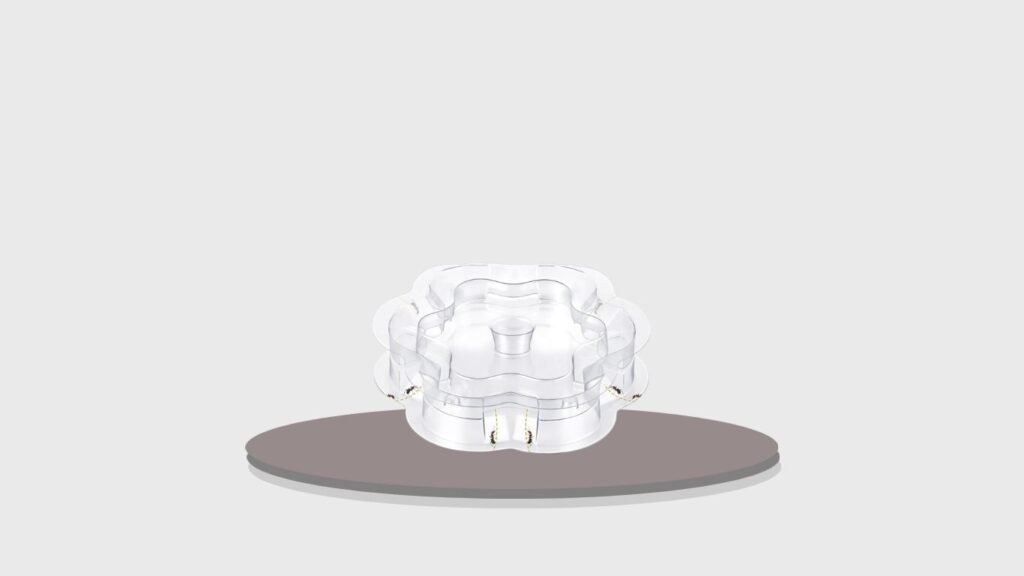
Mysora Reusable Ant Bait Stations are a practical choice for homeowners who want to choose their own liquid or gel bait instead of relying on a pre-filled formula. This set includes 20 round stations with multiple access points that allow ants to approach bait from different directions. Since bait is not included, the effectiveness depends on the compatible ant bait selected and how well the stations are positioned.
Key Features
- Includes 20 reusable bait stations
- Bait is not included
- Five entry grooves around each station
- Supports multi-directional ant access
- Suitable for indoor and outdoor placement
- Round, low-profile design
- Can be refilled as bait is consumed
- Useful around ant trails, walls, kitchens, patios, and entry points
Why It’s Best For Large-Area Coverage
The 20-piece quantity makes this Mysora set especially useful when ants are appearing in several parts of a property. Instead of concentrating just one or two traps in a single location, stations can be distributed near multiple trails and entry points.
The five-entry design also gives foraging ants several routes to reach the bait. That can be helpful when a station is placed beside walls, beneath cabinets, or near outdoor pathways where ants may approach from different directions.
Performance & Durability
Because the stations are reusable, their biggest long-term advantage is the ability to refresh the bait without throwing away the housing. Performance will depend primarily on the bait used inside.
For best results, stations should be inspected regularly and refilled when bait becomes depleted, contaminated, or dried out. Outdoor stations are best positioned in sheltered areas to minimize direct rain exposure.
Pros & Cons and Overall Verdict
Pros: Large 20-piece set, refillable construction, multi-direction entry points, and flexible indoor/outdoor use.
Cons: No bait is supplied, so a compatible bait must be purchased separately. Results depend heavily on bait selection.
Overall Verdict: The Mysora Reusable Ant Bait Stations rank #8 for homeowners who need numerous refillable stations for widespread ant activity.
9. Atticus Savitri Ant Gel Bait
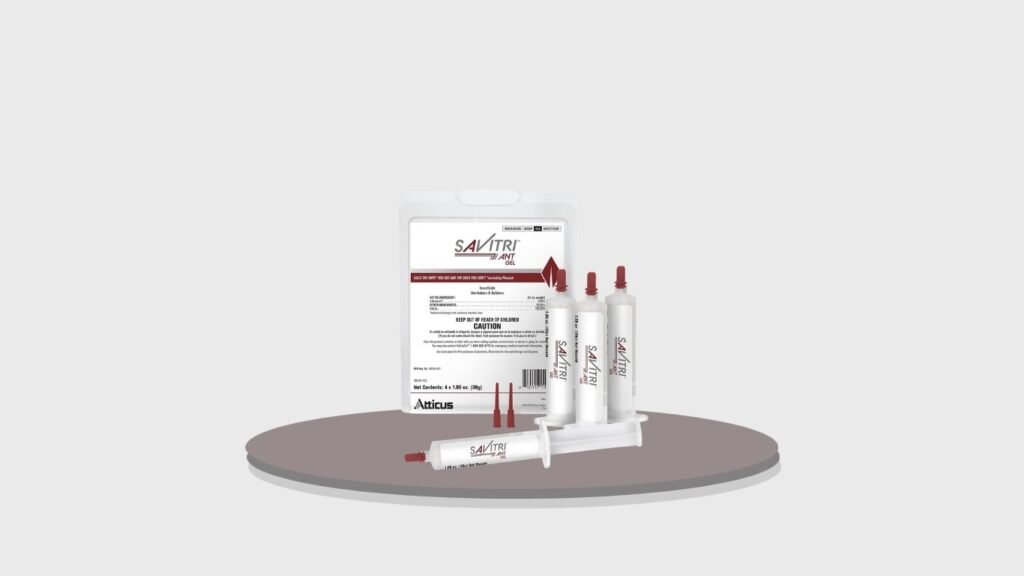
Atticus Savitri Ant Gel differs from an enclosed bait station because it comes in pre-filled application syringes. However, it can be used directly in appropriate labeled locations or alongside compatible refillable bait stations. The package contains four 30-gram tubes and uses 0.05% indoxacarb, making it a professional-style gel option for indoor and outdoor ant control.
Key Features
- Four 30-gram gel bait syringes
- Contains 0.05% indoxacarb
- Non-repellent bait formulation
- Designed for colony-transfer activity
- Suitable for labeled indoor and outdoor use
- Precision syringe application
- Can be placed in cracks, crevices, and other labeled ant-foraging areas
- Compatible with suitable refillable bait stations when used according to label directions
Why It’s Best For Precision Application
Savitri is particularly useful when ants are traveling through narrow locations where a traditional plastic station cannot fit easily. A syringe allows small bait placements along cracks, wall edges, plumbing penetrations, and other ant travel routes.
Because indoxacarb is designed to work after ants consume the bait, workers have an opportunity to return toward the colony and contribute to bait transfer.
Performance & Durability
Gel bait gives users more placement control than fixed stations. The downside is that exposed gel can eventually dry out or become contaminated, especially in dusty or hot locations.
Applying several small placements rather than one oversized blob generally makes monitoring and replacement easier. The manufacturer’s label directions should always determine where and how much product is used.
Pros & Cons and Overall Verdict
Pros: Professional-style active ingredient, precision application, four large tubes, flexible placement, and indoor/outdoor labeling.
Cons: It is technically a gel bait rather than a self-contained station, and exposed placements require more careful positioning.
Overall Verdict: The Atticus Savitri Ant Gel ranks #9 for users who want precise bait placement and the flexibility to treat areas where conventional stations may not fit.
10. Qualirey Multi-Surface Reusable Ant Bait Stations
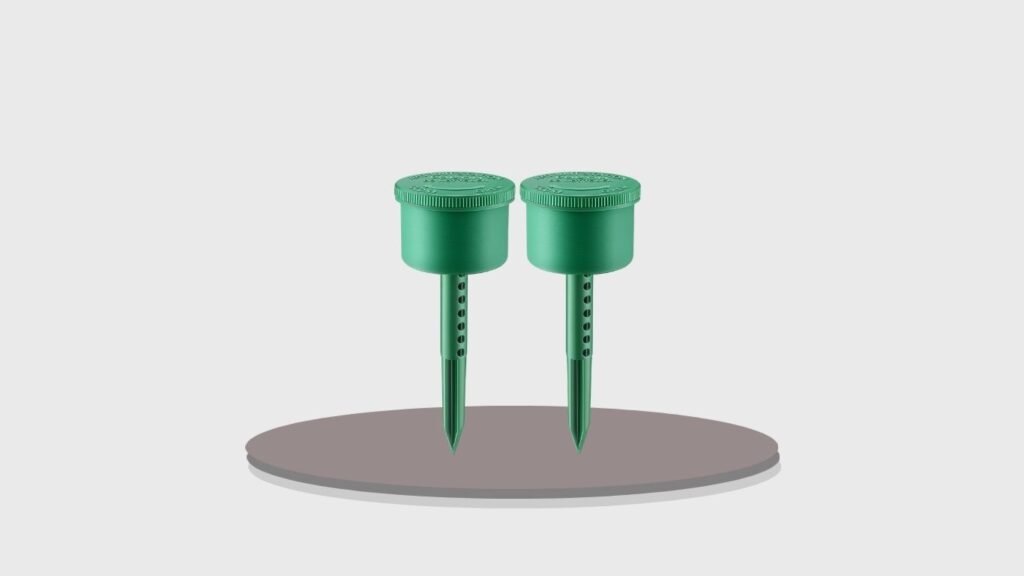
These Qualirey Multi-Surface Reusable Ant Bait Stations are designed for homeowners who prefer a larger refillable housing with numerous ant-access openings. The listed package contains two reusable stations, each featuring a 14-entrance design. Liquid bait is not included, allowing users to select an appropriate compatible bait separately.
Key Features
- Includes two reusable bait stations
- Liquid ant bait is not included
- 14 entrance points
- Multi-direction access for foraging ants
- Secure lid design
- Suitable for indoor and outdoor placement
- Refillable construction
- Designed for placement near trails, nests, and high-activity areas
Why It’s Best For High-Traffic Ant Areas
The 14 entrances are the standout feature. When numerous ants are traveling around the same location, multiple access points can allow several workers to enter without relying on one narrow opening.
That makes these stations especially practical around active outdoor trails, patios, garages, utility areas, or indoor locations where ants are approaching from several directions.
Performance & Durability
The reusable plastic structure is intended for repeated baiting. Because the station itself contains no insecticide, its performance depends on choosing a bait that the target ant species will readily accept.
The secure housing also provides a neater way to deploy liquid bait compared with leaving drops exposed on open surfaces. Regular inspection remains important because bait may eventually dry out or be consumed.
Pros & Cons and Overall Verdict
Pros: Fourteen access points, reusable construction, secure housing, and versatile indoor/outdoor placement.
Cons: Bait must be purchased separately, and a two-station package provides less coverage than larger multipacks.
Overall Verdict: The Qualirey Multi-Surface Reusable Ant Bait Stations rank #10 for high-activity areas where numerous ants need easy access to a refillable bait source.
11. Advion Ant Gel Bait
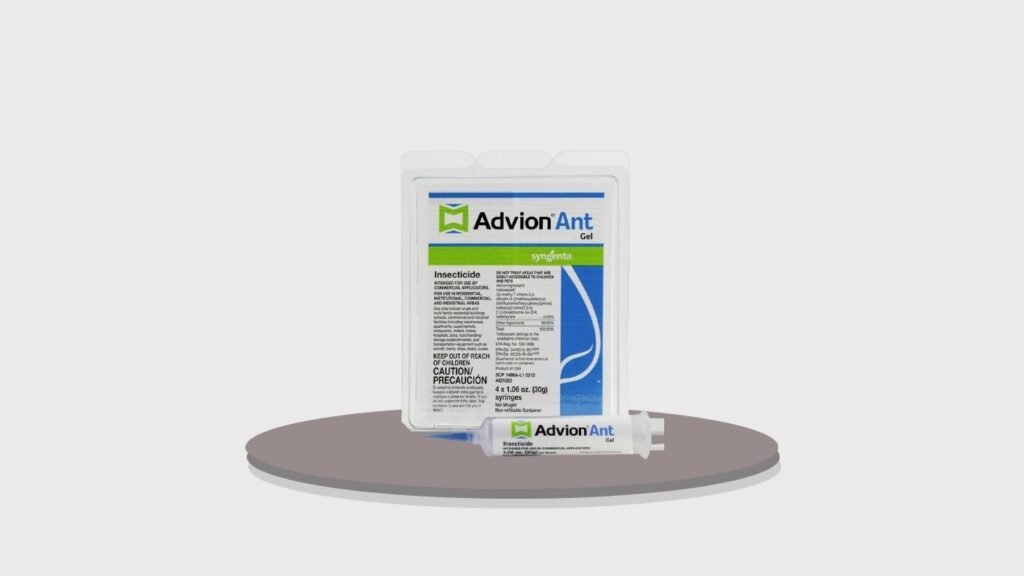
Advion Ant Gel from Syngenta is another professional-style option that appears on this list even though it is a gel rather than a traditional enclosed bait station. The listed package contains four 30-gram tubes and uses indoxacarb as its active ingredient. Its syringe format allows targeted placement near ant trails and other labeled foraging locations.
Key Features
- Four 30-gram tubes
- Contains indoxacarb
- Gel bait formulation
- Precision syringe-style application
- Designed for ants to consume and transfer bait
- Suitable for targeted crack-and-crevice placement where permitted
- Can complement refillable bait stations
- Professional-style formulation
Why It’s Best For Targeted Colony Control
Advion gives users more control over bait placement than fixed plastic stations. Small dots or lines can be positioned closer to active trails and hidden areas where ants are already traveling.
This is particularly useful when ants enter through narrow spaces behind appliances, around plumbing, beneath cabinets, or along structural gaps. Instead of forcing ants to locate a station several feet away, bait can be positioned closer to established activity.
Performance & Durability
Gel remains attractive only while ants are willing to feed from it, so placements should be checked periodically. Dust, water, cleaning chemicals, and strong heat can reduce bait quality.
For persistent problems, multiple small placements may provide better coverage than one large application. Avoid spraying repellent insecticides directly around bait because this may discourage ants from approaching.
Pros & Cons and Overall Verdict
Pros: Precise application, professional-grade formulation, generous four-tube package, and flexible placement.
Cons: Exposed gel is less protected than an enclosed station and may require more frequent inspection.
Overall Verdict: The Advion Ant Gel takes the #11 position for people who prioritize precise professional-style bait placement over the convenience of a sealed station.
12. RESCUE! Ant Baits
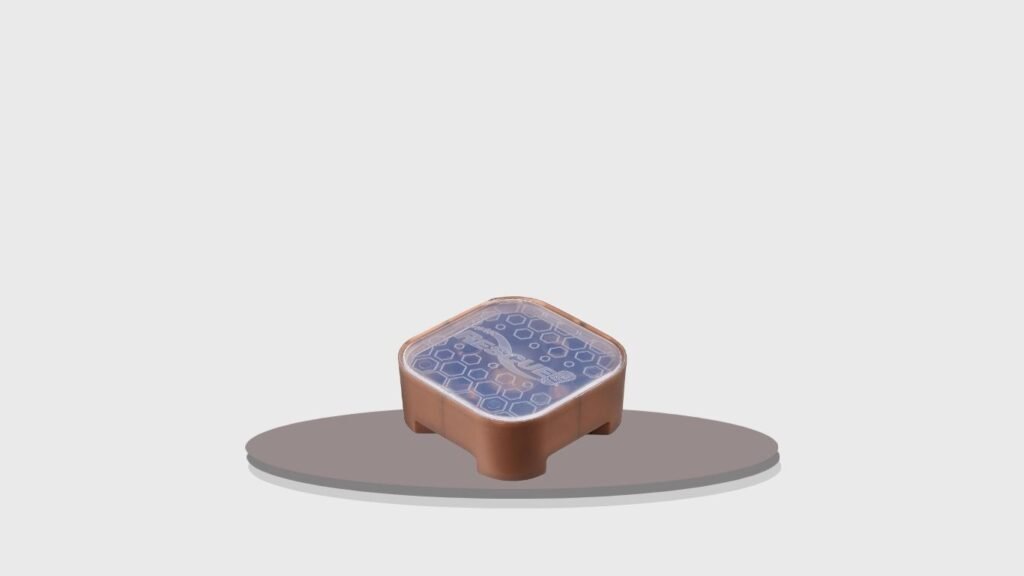
RESCUE! Ant Baits combine enclosed, ready-to-use construction with a borax-based bait formulation. The listed package contains multiple stations intended for common indoor household ants. The stations are designed to minimize spills and provide ants with access to bait that can be transported back toward the colony.
Key Features
- Ready-to-use enclosed bait stations
- Borax-based active ingredient
- Designed for common household ants
- No liquid pouring or syringe application required
- Enclosed gel-style bait
- Child-resistant station design
- Intended primarily for indoor use
- Multiple bait attractants help encourage feeding
Why It’s Best For Simple Indoor Setup
RESCUE! is well suited to homeowners who do not want to measure, refill, or manually apply ant bait. Stations can simply be positioned near active indoor ant trails according to label directions.
The enclosed format is especially useful around kitchens, bathrooms, utility rooms, and similar areas where exposed gel may be inconvenient.
Performance & Durability
The station protects the bait against some of the dust and incidental contact that can affect exposed formulations. Manufacturer information also emphasizes delayed colony-oriented control rather than simply killing workers immediately at the station.
Results can still vary by species because ants do not all respond equally to the same food attractants. Product information excludes some species, including carpenter, fire, harvester, and pharaoh ants.
Pros & Cons and Overall Verdict
Pros: Ready to use, enclosed construction, borax formulation, mess-resistant design, and convenient indoor placement.
Cons: Not appropriate for every ant species and offers less customization than refillable stations.
Overall Verdict: The RESCUE! Ant Baits rank #12 for simple indoor treatment when convenience and contained bait are the main priorities.
13. BASF Advance 360A Dual Choice Ant Bait Stations
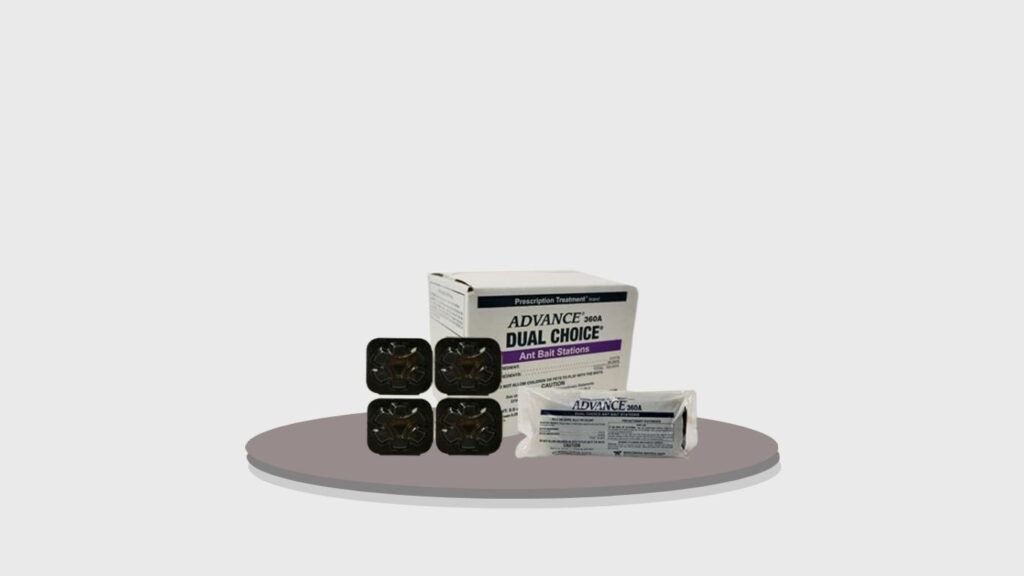
BASF Advance 360A Dual Choice is a professional ant bait station designed around one major challenge: different ant colonies may seek different types of food. Each station contains two separate bait matrices—a protein blend and a carbohydrate/oil blend—giving ants two feeding options within the same unit. The four-pack uses 0.011% abamectin B1 and is labeled for indoor and outdoor use.
Key Features
- Four ready-to-use bait stations
- Two different bait matrices per station
- Protein-based attractant
- Carbohydrate/oil-based attractant
- Contains 0.011% abamectin B1
- Suitable for labeled indoor and outdoor use
- Developed with difficult ants such as pharaoh ants in mind
- Professional-style enclosed station design
Why It’s Best For Difficult Ant Species
Food preferences can change depending on colony needs. Some ants may strongly prefer carbohydrates, while others seek proteins or oils.
Advance 360A addresses this problem by offering both food profiles at the same time. This can make it especially valuable when identifying the colony’s current feeding preference is difficult.
BASF specifically notes that the system was originally developed with pharaoh ants in mind, an ant for which inappropriate repellent treatments can contribute to colony budding.
Performance & Durability
The enclosed housing keeps both bait matrices separated and provides an easy method of deployment. Stations can be positioned near baseboards, plumbing, corners, ant trails, and other labeled locations.
Like other colony-targeting baits, immediate disappearance should not be expected. Ants need time to locate the bait, feed, and carry material back toward nest members.
Pros & Cons and Overall Verdict
Pros: Two bait types in one station, professional formulation, ready-to-use design, broad placement flexibility, and suitability for difficult household ant problems.
Cons: Only four stations are provided, and professional-style bait products may cost more than basic consumer traps.
Overall Verdict: The BASF Advance 360A Dual Choice ranks #13 but remains one of the most technically interesting products on this list. Its dual-food formulation makes it particularly appealing for stubborn infestations where ordinary single-attractant bait stations receive little ant interest.
FAQs
1. How do ant bait stations work?
Ant bait stations contain food attractants combined with a slow-acting insecticidal ingredient. Worker ants feed on or collect the bait and return toward the colony. This gives the bait an opportunity to reach other workers, larvae, and potentially reproductive members instead of affecting only the ants visible around your home.
2. Where should I place ant bait stations?
Place stations close to active trails, entry points, wall edges, beneath cabinets, near plumbing, or other locations where ants consistently travel. Outdoor products can be positioned near foundation lines and established trails according to their labels. Avoid randomly spreading stations in areas where no ant activity is present.
3. How long does it take for ant bait stations to work?
Some reduction may occur within a few days, but colony control can take longer. Baits are deliberately slower acting than contact sprays because workers need enough time to return toward the nest. Larger colonies or multiple nests may require repeated baiting and monitoring.
4. Should I use ant spray near bait stations?
Generally, avoid applying repellent sprays directly around active bait stations unless the label specifically directs otherwise. Strong repellents can cause ants to avoid the area, reducing bait acceptance. Allow ants to feed normally and keep the bait available while activity continues.
5. Are reusable or pre-filled ant bait stations better?
Neither style is always better. Pre-filled stations are convenient because they require almost no setup. Reusable stations offer more flexibility because you can replace or change compatible bait formulations. Refillable stations can be particularly useful for recurring infestations, while ready-to-use units are often easier for occasional household problems.