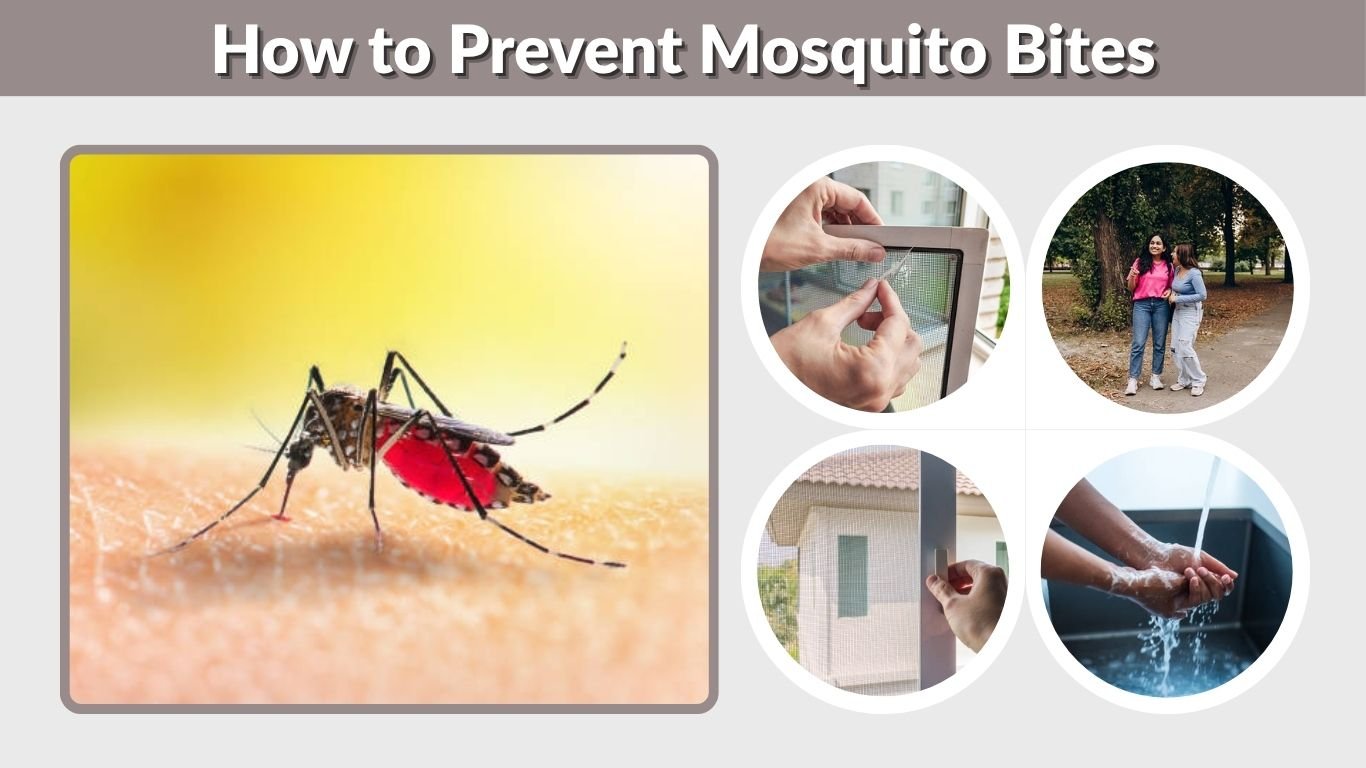
Mosquito bites are more than an irritating part of warm weather. They can cause itching, swelling, skin irritation, and, in some regions, transmit mosquito-borne diseases. Fortunately, simple precautions can greatly reduce your exposure. The most effective approach combines mosquito repellent, protective clothing, screens, mosquito nets, and removal of standing water around your home. This guide explains how to prevent mosquito bites outdoors, while camping, during sleep, and without relying entirely on bug spray, along with tips for protecting children and pets.
How to Prevent Mosquito Bites Effectively
Preventing mosquito bites works best when several protective methods are used together. Mosquito activity varies by species, weather, season, and location, so no single method provides complete protection. Covering exposed skin, applying an appropriate repellent, limiting mosquitoes around your home, and paying attention to peak mosquito activity can significantly reduce your chances of getting bitten.
Use an Effective Mosquito Repellent
Choose a registered insect repellent containing an established active ingredient and follow the product directions carefully.
Effective options commonly include:
- DEET
- Picaridin
- IR3535
- Oil of lemon eucalyptus or PMD
- 2-undecanone
- Permethrin-treated clothing and gear
Apply skin repellents only to exposed skin and clothing as directed. Do not spray them underneath clothing or apply more frequently than instructed.
Permethrin is intended for clothing and equipment rather than direct application to skin.
Wear Clothing That Limits Exposed Skin
Long sleeves, long pants, socks, and closed shoes create a physical barrier between mosquitoes and your skin. Loose-fitting clothing can offer better protection than thin, tight fabric through which mosquitoes may sometimes bite.
When mosquito numbers are high, tuck pants into socks and choose garments that cover the ankles, arms, and neck. Clothing treated with an appropriate insect repellent can add another layer of protection for hiking, camping, gardening, and other outdoor activities.
Know When Mosquitoes Are Active
Many people assume mosquitoes bite only after sunset, but mosquito species have different activity patterns. Some are most active around dawn and dusk, while others, including certain Aedes mosquitoes, readily bite during daylight.
Instead of relying entirely on the time of day, use protection whenever mosquitoes are active in your area, particularly during warm, humid weather.
How to Prevent Mosquito Bites While Camping
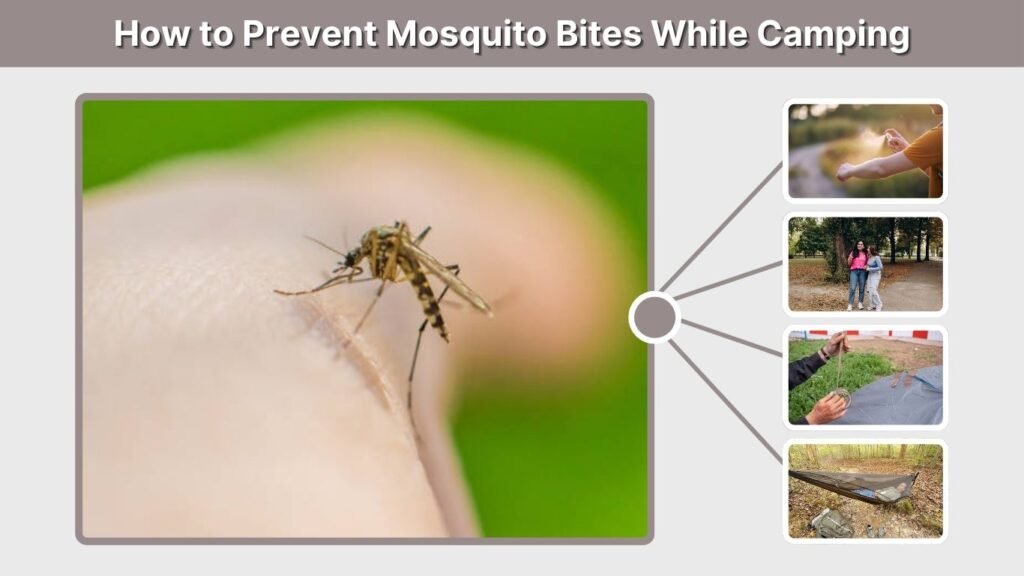
Camping can increase mosquito exposure because people spend extended periods outdoors near vegetation and natural water sources. Repellent is important, but campsite location, clothing, tents, and mosquito nets can make an equally important difference. Preparing before arriving at the campsite generally provides better protection than trying to control mosquitoes once they begin surrounding your tent.
Protect Yourself at the Campsite
A good camping mosquito-prevention routine includes:
- Apply repellent before outdoor activities
- Wear long sleeves and long pants when practical
- Keep tent doors zipped closed
- Repair holes in tent screens
- Use mosquito netting when sleeping outdoors
- Consider properly treated clothing and camping gear
- Avoid leaving open containers filled with water
- Keep unnecessary standing water away from the campsite
- Use screens around campers or shelters whenever possible
Choose Your Camping Location Carefully
Avoid setting up immediately beside stagnant pools, clogged drainage areas, or containers that hold water. Mosquitoes can develop around marshes and wetlands, but even a small amount of trapped water near a campsite may support breeding.
Wind can also affect mosquito activity because many mosquitoes are weak flyers. An open, breezy campsite may therefore feel less mosquito-heavy than a sheltered location surrounded by dense vegetation.
Still, location alone should never replace repellent and protective clothing.
How to Prevent Mosquito Bites While Sleeping
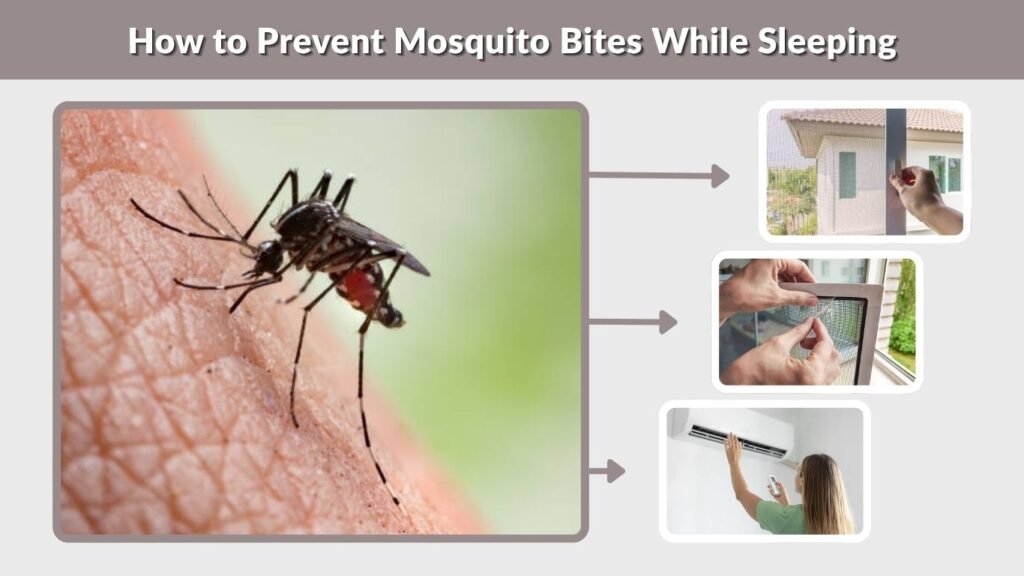
Nighttime mosquito bites can interfere with sleep and may leave numerous itchy marks by morning. Indoor bites usually mean mosquitoes are entering through doors, windows, damaged screens, or other openings. Preventing nighttime bites therefore requires both personal protection and reducing mosquito access to the room rather than relying exclusively on products applied before bed.
Make Your Bedroom Mosquito Resistant
Use several physical barriers around your sleeping area:
- Keep windows and doors screened
- Repair damaged window screens
- Keep doors closed whenever possible
- Sleep under a mosquito net where mosquitoes can enter
- Tuck mosquito netting securely around the sleeping area
- Use air conditioning when available
- Remove standing water near windows and entrances
- Consider a fan near the bed
A fan may make it more difficult for mosquitoes to fly near you while also dispersing some of the cues mosquitoes use to locate people.
Prevent Mosquito Bites While Sleeping Naturally
People looking for protection without conventional bug spray should focus on physical barriers. Proper window screens, mosquito nets, clothing, fans, and eliminating nearby breeding sites are more dependable than many homemade remedies.
Strong-smelling plants, homemade mixtures, vitamins, and similar approaches are sometimes promoted as natural mosquito preventatives, but they should not replace proven protection where mosquito-borne disease is a concern.
How to Prevent Mosquito Bites Without Bug Spray
Bug spray is useful, but it is not the only way to reduce mosquito bites. Physical protection and environmental management can substantially reduce exposure. This can be particularly helpful for people who dislike applying repellent frequently or are spending most of their time at home. However, during heavy mosquito activity or travel to areas with mosquito-borne disease, proven repellents may provide important additional protection.
Reduce Mosquitoes Around Your Home
Inspect outdoor areas regularly and eliminate standing water wherever practical.
Check:
- Buckets
- Flowerpot saucers
- Birdbaths
- Children’s toys
- Old tires
- Clogged gutters
- Tarps
- Outdoor containers
- Pet water bowls
- Pool covers
- Wheelbarrows
- Rainwater collection areas
Empty, clean, cover, or properly maintain these water sources. Mosquitoes can develop in surprisingly small amounts of standing water.
Do Vitamins Prevent Mosquito Bites?
Vitamin B1 and other vitamin supplements are sometimes promoted as ways to make people less attractive to mosquitoes. They should not be relied upon as primary mosquito protection.
Similarly, drinking apple cider vinegar or eating particular foods is not a substitute for protective clothing, screens, mosquito nets, or effective repellents.
When reliable protection matters, prioritize methods supported by stronger evidence rather than supplements or unproven home remedies.
How to Prevent Mosquito Bites From Itching
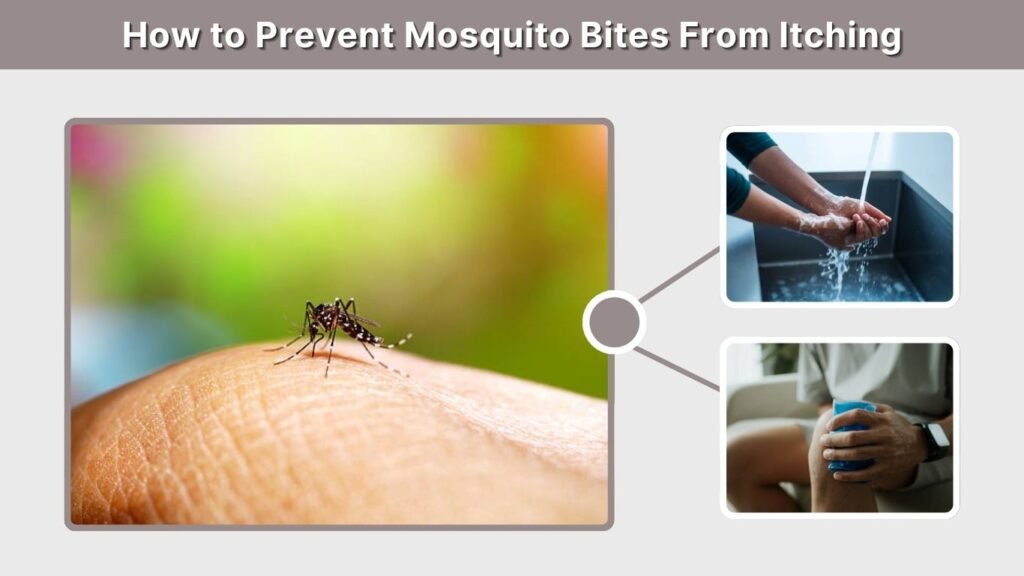
Even good prevention cannot stop every mosquito bite. The itching occurs because your immune system reacts to substances introduced during the mosquito’s feeding process. Avoiding excessive scratching is important because repeatedly damaging the skin can increase irritation, prolong healing, and sometimes contribute to infection or lasting dark marks.
Reduce Itching and Skin Irritation
Wash the bite gently and use a cold compress to reduce discomfort. Over-the-counter anti-itch treatments may also help when used according to their labels.
Try not to scratch the area, especially hard enough to break the skin. Keeping fingernails short may help children who repeatedly scratch bites.
Seek medical attention if you develop severe swelling, breathing difficulty, widespread hives, signs of infection, or another unusual reaction.
Preventing Mosquito Bites on Dogs, Babies, and Family
Extra care is needed when protecting pets and young children because products that are appropriate for adults are not automatically appropriate for them. Babies also have more delicate skin, while dogs may lick products applied to their coats. Physical barriers and environmental mosquito control therefore become especially important when protecting vulnerable family members.
Protecting Dogs From Mosquito Bites
Reduce your dog’s exposure during periods of heavy mosquito activity and eliminate standing water around areas where pets spend time.
Do not automatically use human mosquito repellents on dogs. Some ingredients or concentrations intended for people may be inappropriate for pets. Ask a veterinarian which mosquito-prevention products are suitable for your dog’s species, age, size, and health.
Protecting Babies and Young Children
Use mosquito netting over strollers and carriers when appropriate, dress children in clothing that covers exposed skin, and keep indoor areas properly screened.
When using insect repellent on children, carefully follow age restrictions and label directions. Adults should generally apply the product to their own hands first before putting it on a child’s exposed skin, while avoiding the eyes, mouth, hands, cuts, and irritated skin.
FAQs
These common questions address several situations where mosquito exposure can be difficult to avoid. The most reliable prevention strategy remains a combination of environmental control, physical barriers, and appropriately used mosquito repellents rather than depending on one technique alone.
1. What is the best way to prevent mosquito bites?
Combine an effective insect repellent with long clothing, window screens, mosquito nets when necessary, and regular removal of standing water. Using several methods together generally provides better protection than relying on only one.
2. How can I prevent mosquito bites at night?
Keep mosquitoes outside by repairing screens and closing doors, use mosquito netting where necessary, and consider running a fan near your sleeping area. Repellent can provide additional protection when mosquitoes remain indoors.
3. How can I prevent mosquito bites naturally?
Physical barriers are the most practical nonchemical approach. Wear covering clothing, use window screens and mosquito nets, run fans, and eliminate standing water around your property.
4. How can I prevent mosquito bites from leaving scars?
Avoid scratching bites until the skin breaks. Keep bites clean and manage itching early. Protect healing areas from further irritation. Persistent discoloration or unusual scarring can be discussed with a healthcare professional.
5. How can I prevent mosquito bites while pregnant?
Pregnant people should take mosquito prevention seriously, particularly in areas where mosquito-borne diseases circulate. Protective clothing, screened accommodations, mosquito nets, and pregnancy-appropriate insect repellents used according to their labels can reduce exposure.