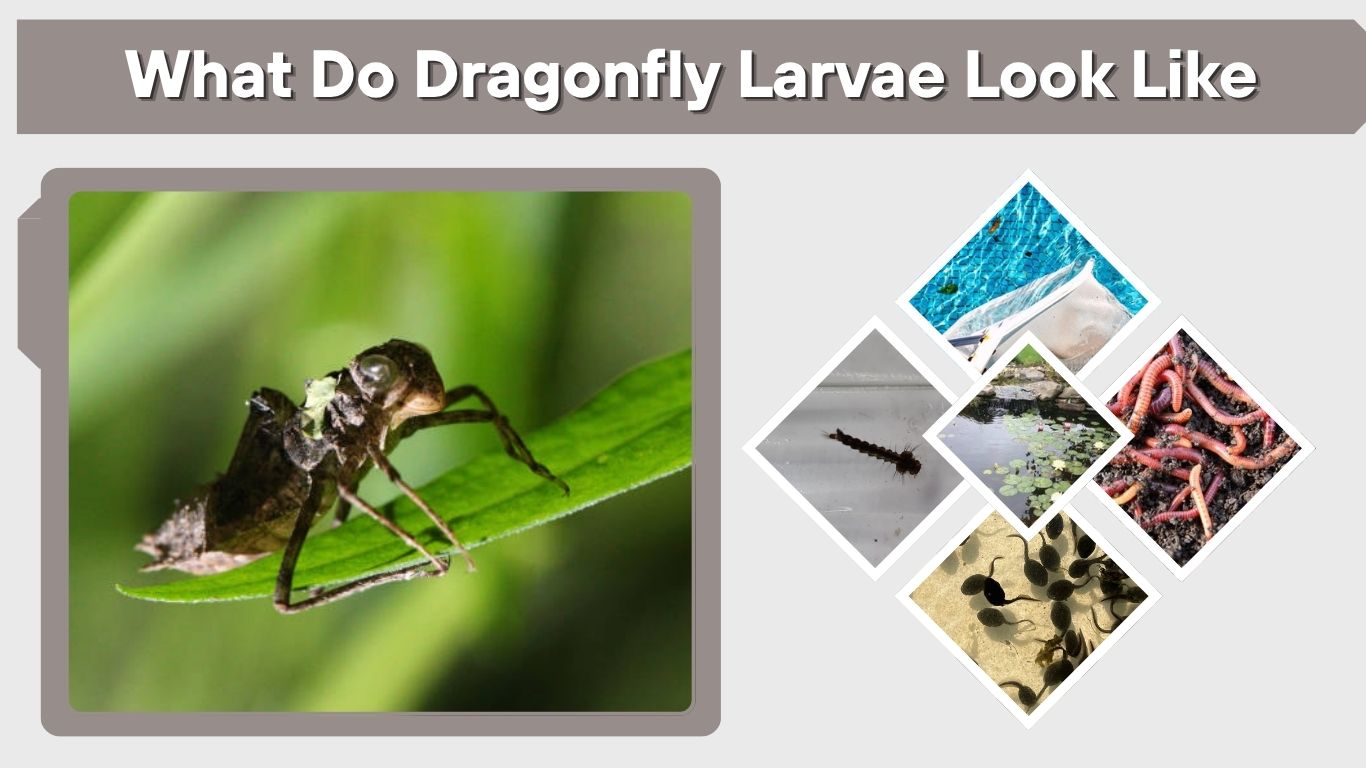
Dragonfly larvae are the underwater young stage of dragonflies. They look very different from the flying adults most people recognize. These aquatic nymphs live in ponds, pools, wetlands, aquariums, and slow-moving water, where they hunt small animals. Understanding what dragonfly larvae look like, what they eat, and whether they are dangerous helps pond owners, aquarium keepers, and nature lovers identify them correctly.
What Are Dragonfly Larvae Called?
Dragonfly larvae are commonly called dragonfly nymphs or naiads. These names describe the immature aquatic stage before the insect becomes an adult dragonfly.
Dragonflies do not develop like butterflies. They do not have a caterpillar or pupal stage. Instead, they go through incomplete metamorphosis:
- Egg
- Aquatic nymph or larva
- Adult dragonfly
The larval stage is the longest part of a dragonfly’s life. Depending on the species and environment, dragonfly larvae may live underwater for several months to several years before emerging as adults.
What Do Dragonfly Larvae Look Like?
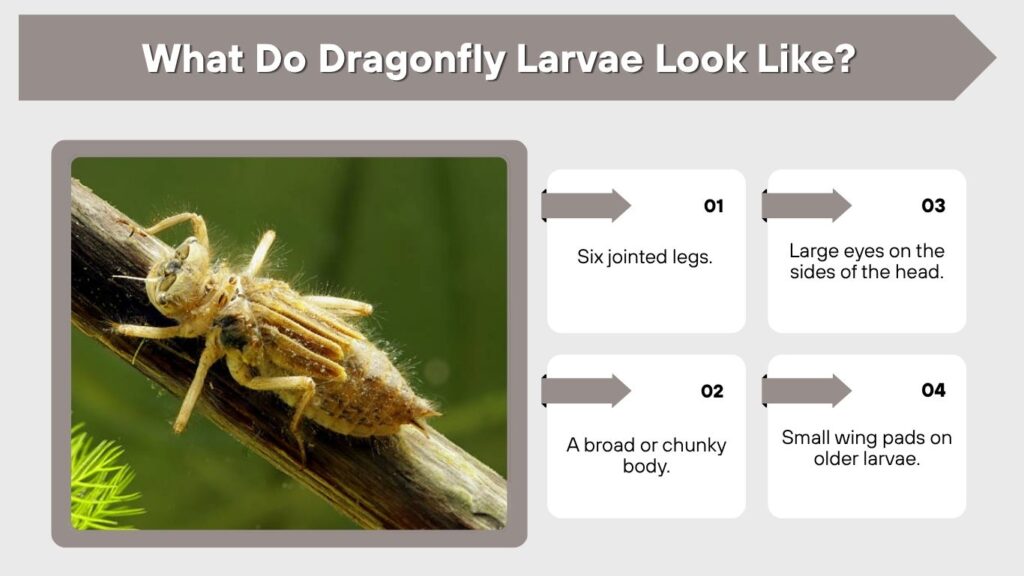
Dragonfly larvae look like small, tough aquatic insects. They have a wide body, strong legs, large eyes, and a fierce-looking head. Most are brown, green, gray, or muddy in color, which helps them hide among plants, leaves, and pond debris.
Unlike mosquito larvae, dragonfly larvae do not look like tiny worms. They have clear insect features and often look like miniature underwater predators.
Main Features of Dragonfly Larvae
Dragonfly larvae usually have:
- Six jointed legs
- A broad or chunky body
- Large eyes on the sides of the head
- Small wing pads on older larvae
- A strong extendable lower jaw
- No long tail filaments like damselfly larvae
Their most interesting feature is the extendable jaw, also called a labium. This mouthpart folds under the head and shoots forward quickly to grab prey. It helps dragonfly larvae catch mosquito larvae, tadpoles, insects, and even small fish.
How Big Are Dragonfly Larvae?
The size of dragonfly larvae depends on species and age. Young larvae can be very small, while mature larvae may become much larger and easier to notice.
Many dragonfly larvae range from about half an inch to over two inches long. Larger species may appear strong and bulky, especially when found in ponds or aquariums.
What Does a Dragonfly Larva Look Like in Water?
In water, a dragonfly larva may sit still on the bottom, cling to plants, or hide under leaves. Because of its color, it can be hard to see until it moves.
It often looks like a small brown or green bug crawling underwater. If disturbed, some dragonfly larvae can move suddenly by forcing water out of the rear of the body, almost like jet propulsion.
Dragonfly Larvae vs Mosquito Larvae
People often compare dragonfly larvae with mosquito larvae because both live in water. However, they are very different in appearance, behavior, and role in the ecosystem.
| Feature | Dragonfly Larvae | Mosquito Larvae |
| Body shape | Broad, legged, insect-like | Thin, soft, worm-like |
| Movement | Crawls, climbs, or darts | Wiggles near surface |
| Food | Carnivorous predator | Organic matter and microorganisms |
| Habitat | Ponds, wetlands, aquariums, pools | Stagnant water, containers, ponds |
| Adult form | Dragonfly | Mosquito |
Mosquito larvae are usually found hanging near the water surface. Dragonfly larvae often stay hidden in plants, mud, or debris, waiting to ambush prey.
What Do Dragonfly Larvae Eat?
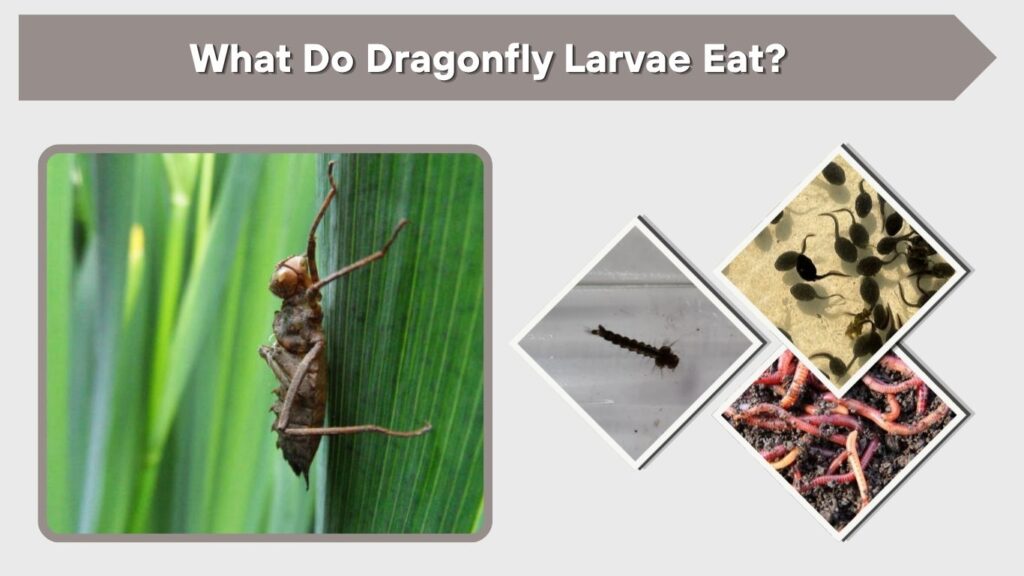
Dragonfly larvae are carnivores. They do not eat algae, pond plants, or decomposing leaves as their main food. Instead, they hunt live prey.
They are skilled ambush predators. They usually wait quietly, then strike when a small animal comes close.
Common Foods for Dragonfly Larvae
Dragonfly larvae may eat:
- Mosquito larvae
- Midge larvae
- Small aquatic insects
- Worms
- Tiny crustaceans
- Tadpoles
- Fish fry
- Small shrimp
- Other insect larvae
The prey size depends on the size of the larva. Small dragonfly nymphs eat tiny prey, while large nymphs can attack tadpoles, small fish, and other pond animals.
Do Dragonfly Larvae Eat Mosquito Larvae?
Yes, dragonfly larvae eat mosquito larvae. This is one reason dragonflies are often considered helpful around ponds and wetlands.
However, they should not be treated as the only mosquito-control method. Mosquito larvae can grow quickly in buckets, tires, bird baths, gutters, and other small areas where dragonfly larvae may not live. Removing standing water is still the best first step for mosquito control.
Do Dragonflies Eat Mosquito Larvae?
Adult dragonflies do not usually eat mosquito larvae because mosquito larvae live in water. Adult dragonflies hunt flying insects, including mosquitoes. Dragonfly larvae, on the other hand, hunt underwater and can eat mosquito larvae.
So the answer depends on the life stage:
- Adult dragonflies eat flying mosquitoes.
- Dragonfly larvae eat mosquito larvae in water.
Both stages can help reduce mosquitoes, but neither completely eliminates them.
Do Dragonfly Larvae Eat Fish, Tadpoles, or Shrimp?
Large dragonfly larvae can eat small aquatic animals. This is normal predator behavior, but it can surprise pond and aquarium owners.
Do Dragonfly Larvae Eat Fish?
Dragonfly larvae can eat very small fish, especially fish fry. They are unlikely to eat large healthy fish, but they may attack newborn fish or weak tiny fish.
In aquariums, dragonfly larvae can be a problem if you keep:
- Fish fry
- Small shrimp
- Tiny fish
- Small tadpoles
- Delicate aquatic animals
Do Dragonfly Larvae Eat Tadpoles?
Yes, larger dragonfly larvae can eat tadpoles. They usually target small tadpoles rather than larger, stronger ones. In natural ponds, this is part of the food chain.
Do Dragonfly Larvae Eat Algae?
No, dragonfly larvae are not algae eaters. They are carnivorous predators. If you see something eating algae in your pond or aquarium, it is probably not a dragonfly larva.
Are Dragonfly Larvae Dangerous?
Dragonfly larvae are not dangerous to humans. They do not sting, carry venom, or attack people. However, large larvae can pinch or bite if handled.
The bite is usually not serious, but it may feel sharp. It is better to avoid picking them up with bare hands.
Can Dragonfly Larvae Bite?
Yes, dragonfly larvae can bite if they feel threatened. Their mouthparts are designed for catching prey, not attacking people. A bite may happen when someone tries to handle them.
Use a small net or container if you need to move one from a pool, aquarium, or pond.
Are Dragonfly Larvae Dangerous in Water?
For people, dragonfly larvae in water are not dangerous. For small aquatic animals, they can be predators. In a natural pond, this is usually beneficial. In an aquarium, it may be a problem.
Where Do Dragonfly Larvae Live?
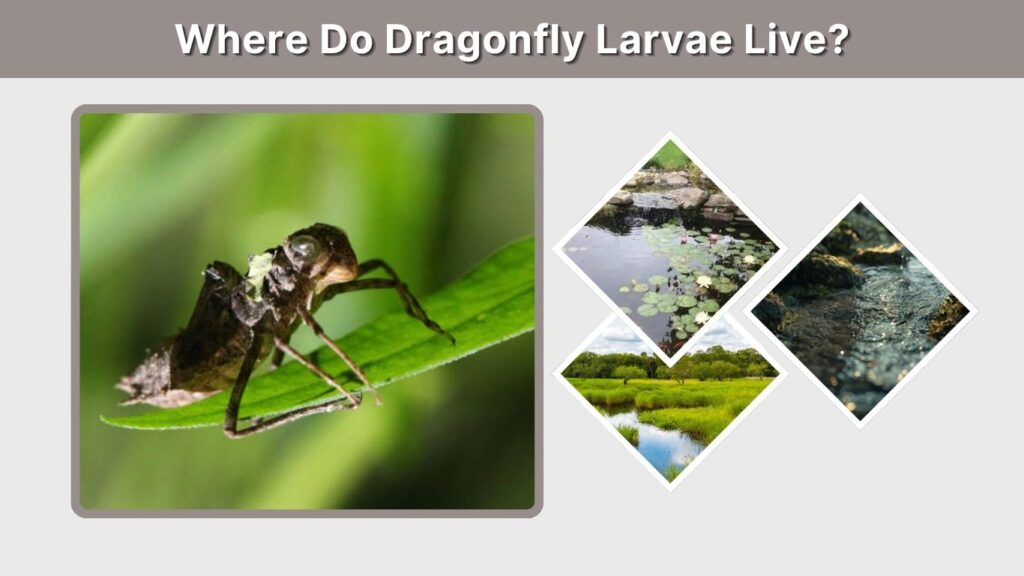
Dragonfly larvae live in freshwater habitats. Adult dragonflies lay eggs in or near water, and the larvae hatch and grow underwater.
They may live in:
- Garden ponds
- Lakes
- Wetlands
- Marshes
- Slow streams
- Ditches
- Water gardens
- Unused pools
- Aquariums with outdoor plants
They prefer places with cover. Aquatic plants, mud, leaves, rocks, and submerged stems help them hide from predators and catch prey.
Do Dragonfly Larvae Live in Water?
Yes, dragonfly larvae live in water. They are aquatic insects during their immature stage. They breathe underwater and cannot live long in dry conditions.
When they are ready to become adults, they climb out of the water onto a plant stem, rock, or other surface. Then the adult dragonfly emerges from the larval skin.
Can Dragonfly Larvae Live Out of Water?
Dragonfly larvae cannot live out of water for long. They need water to breathe and survive. Mature larvae leave the water only during the final transformation into adult dragonflies.
If a larva is removed from water too early, it may dry out and die.
How Long Do Dragonfly Larvae Live?
Dragonfly larvae can live underwater for a long time. Some species stay in the larval stage for only a few months, while others may remain underwater for several years.
Their growth depends on:
- Species
- Water temperature
- Food supply
- Season
- Habitat quality
- Climate
In warm areas with plenty of food, development may be faster. In colder regions, dragonfly larvae may grow more slowly and remain underwater longer.
When Do Dragonfly Larvae Hatch?
Dragonfly larvae hatch after eggs are laid in or near water. The timing varies by species. Some eggs hatch within weeks, while others may wait through a season before hatching.
After hatching, the tiny larva begins feeding and molting. Each molt helps it grow larger until it is ready to become an adult.
When Do Dragonfly Larvae Emerge?
Dragonfly larvae emerge when they are fully developed. They crawl out of the water, attach to a plant or surface, and the adult dragonfly comes out of the larval skin.
The empty shell left behind is called an exuvia. You may find these dry shells stuck to pond plants, rocks, or pool edges.
Can You Buy Dragonfly Larvae?
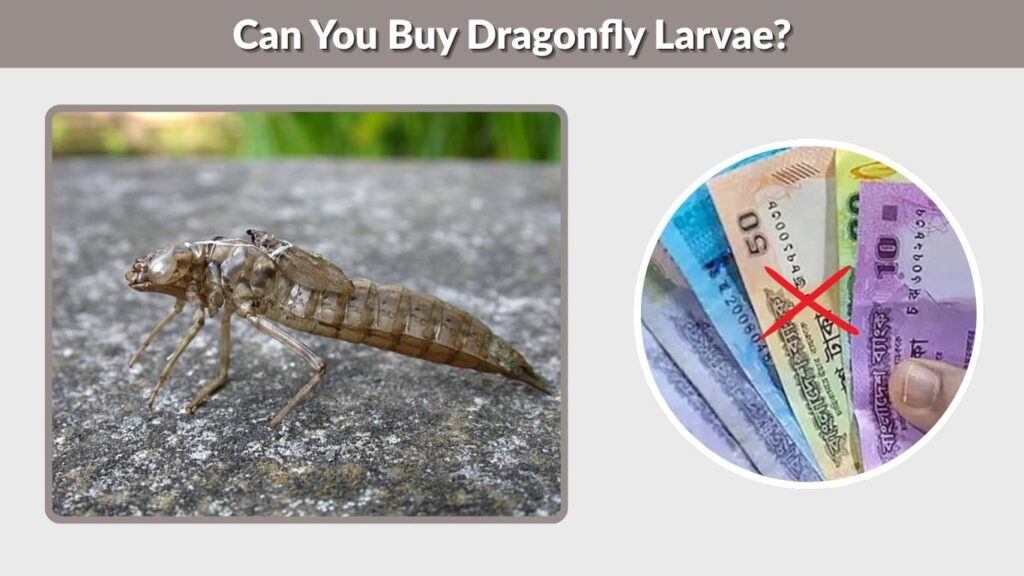
Many people search for where to buy dragonfly larvae because they want natural mosquito control. However, buying dragonfly larvae is not always easy or recommended.
Live dragonfly larvae may be hard to find, and releasing them into the wrong habitat can fail. There may also be local rules about transporting or releasing aquatic insects.
Where Can You Buy Dragonfly Larvae?
Some biological supply companies or pond-related sellers may offer aquatic insects, but live dragonfly larvae are not commonly sold like fish or pond plants. Availability depends on location and regulations.
Instead of buying larvae, a better method is to attract dragonflies naturally.
How to Attract Dragonflies Naturally
To encourage dragonflies:
- Build a small pond or water garden
- Add native aquatic plants
- Provide shallow edges
- Avoid pesticides near water
- Keep some natural hiding places
- Add rocks or stems for adult emergence
- Avoid too many fish that may eat larvae
A healthy pond will attract adult dragonflies, and they may lay eggs naturally.
Do Mosquito Dunks Kill Dragonfly Larvae?
Mosquito dunks usually contain Bti, a biological control used against mosquito larvae. Bti is designed to target mosquito larvae and some related fly larvae, not all aquatic insects.
Many pond owners use mosquito dunks because they want to control mosquitoes without harming fish, frogs, dragonflies, or other wildlife. Still, it is important to follow the product label carefully.
Will Bti Kill Dragonfly Larvae?
Bti is generally considered selective for mosquito larvae and certain fly larvae. It is not meant to kill dragonfly larvae the way broad chemical insecticides might.
However, dosage, product type, and habitat conditions matter. Always use mosquito dunks or mosquito bits exactly as directed, especially in small ponds or wildlife habitats.
How to Get Rid of Dragonfly Larvae
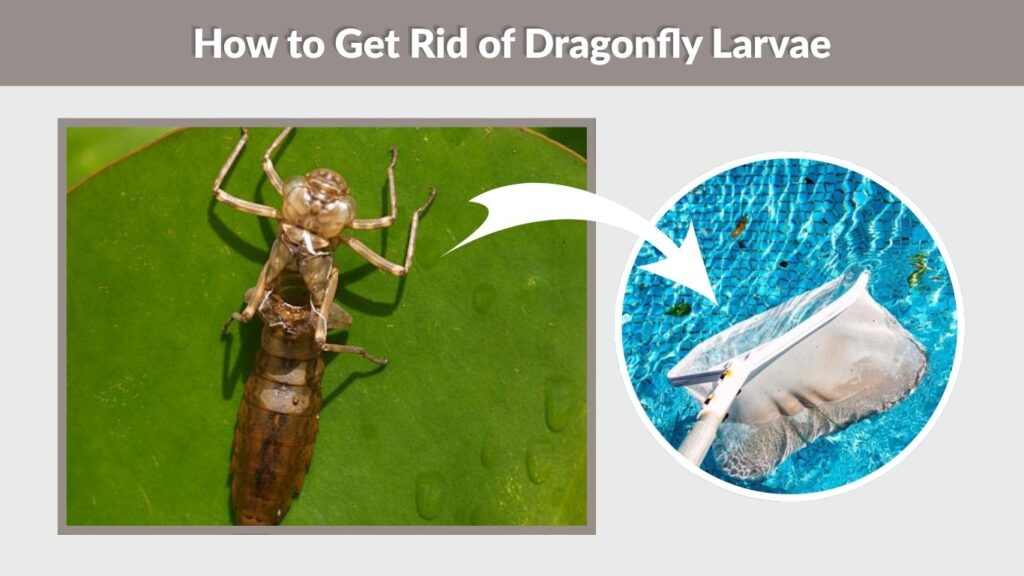
In a natural pond, you usually do not need to get rid of dragonfly larvae. They are beneficial predators and part of a healthy ecosystem.
But in aquariums, pools, or fish breeding tanks, you may want to remove them.
How to Remove Dragonfly Larvae Safely
You can remove dragonfly larvae by:
- Using a small aquarium net
- Checking live plants before adding them
- Avoiding outdoor pond materials in aquariums
- Removing larvae from pools manually
- Keeping pools clean and filtered
- Protecting fish fry in separate tanks
Avoid using harsh chemicals in ponds or aquariums. Chemical treatments may harm fish, shrimp, frogs, and beneficial insects.
How to Get Rid of Dragonfly Larvae in an Aquarium
In aquariums, the safest method is manual removal. Look around plants, decorations, gravel, and corners. Dragonfly larvae hide well, so check carefully.
If you recently added live plants, rinse and quarantine new plants before adding them to a tank. This can help prevent dragonfly eggs or tiny larvae from entering.
How to Get Rid of Dragonfly Larvae in a Pool
Use a net to remove larvae from the pool. Then clean the pool, run the filter, and correct the water balance. Dragonflies are more likely to lay eggs in still or poorly maintained water.
FAQs
What do dragonfly larvae look like?
Dragonfly larvae look like small underwater insects with broad bodies, six legs, large eyes, and strong jaws. They are usually brown, green, or gray, which helps them hide in mud, plants, and pond debris. Older larvae may also show small wing pads on their backs before becoming adults.
What do dragonfly larvae eat?
Dragonfly larvae eat live aquatic prey. Their diet includes mosquito larvae, midge larvae, worms, small insects, tadpoles, fish fry, and tiny crustaceans. They are carnivores, not algae eaters. Larger larvae can catch bigger prey, while smaller larvae feed on tiny animals in the water.
Can you buy dragonfly larvae?
You may find dragonfly larvae through some biological suppliers, but they are not commonly sold for general pond use. Buying them is usually less practical than attracting adult dragonflies naturally. A planted pond with clean water, shallow edges, and no pesticides is a better long-term option.
Are dragonfly larvae dangerous?
Dragonfly larvae are not dangerous to people. They do not sting or inject venom. However, large larvae may bite or pinch if handled roughly. They can be dangerous to small fish, shrimp, and tadpoles, especially in aquariums or fish breeding tanks.
Do mosquito dunks kill dragonfly larvae?
Mosquito dunks usually contain Bti, which targets mosquito larvae and certain related fly larvae. It is generally considered selective and is not designed to kill dragonfly larvae. Still, users should always follow label directions carefully, especially in small ponds with fish, frogs, or other wildlife.