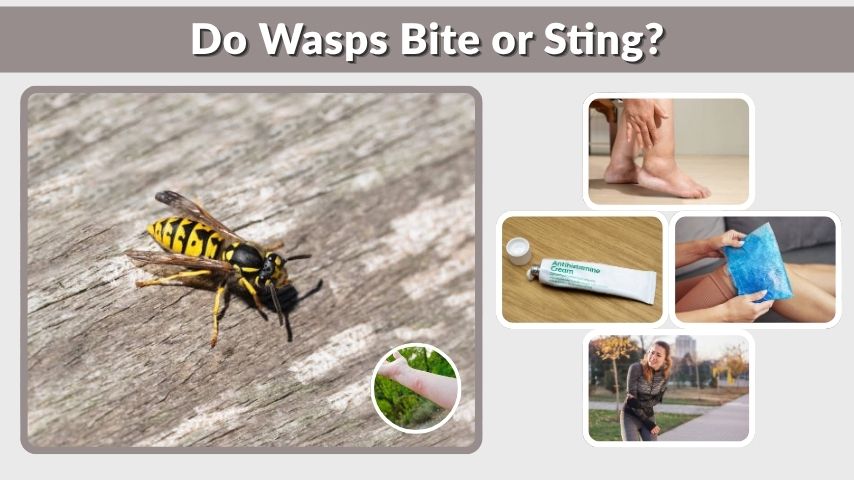
Many people wonder whether wasps bite or sting when they encounter one in the garden, near a nest, or inside the home. In most cases, wasps sting humans rather than bite them. Their stingers inject venom that causes sharp pain, swelling, and irritation. However, wasps also have strong mouthparts that they use for chewing wood, building nests, and catching prey. Because of this, some people confuse biting and stinging behavior. Understanding the difference between a wasp bite and a wasp sting can help people react safely and avoid unnecessary fear around these insects.
Do Wasps Bite or Sting?
Wasps are mainly known for stinging rather than biting humans. Their stinger is used for defense and venom delivery when they feel threatened. However, wasps also possess strong jaws called mandibles, which they use for feeding and nest construction. While true wasp bites on humans are rare, some species may pinch or bite while also stinging during defensive encounters near their nests.
Do Wasps Sting Humans?
Most wasps sting humans when they feel threatened or when someone disturbs their nest accidentally.
- Venom injected through stinger
- Sharp burning pain
- Defensive colony behavior
- Multiple stings possible
- Swelling and redness common
Can Wasps Bite?
Wasps do have mouthparts capable of biting, but they rarely use them against humans. Their jaws are mainly designed for chewing materials and capturing prey.
- Chew wood fibers for nests
- Hunt insects and caterpillars
- Cut food into pieces
- Defend themselves occasionally
- Rarely bite humans directly
Difference Between a Bite and a Sting
A bite and a sting are very different actions even though people often confuse them. Bites use mouthparts, while stings involve venom injection through a specialized stinger.
Wasps usually cause pain through stinging rather than biting. The venom delivered during a sting creates burning sensations, swelling, and irritation that are much stronger than a typical bite.
Why Do Wasps Sting People?
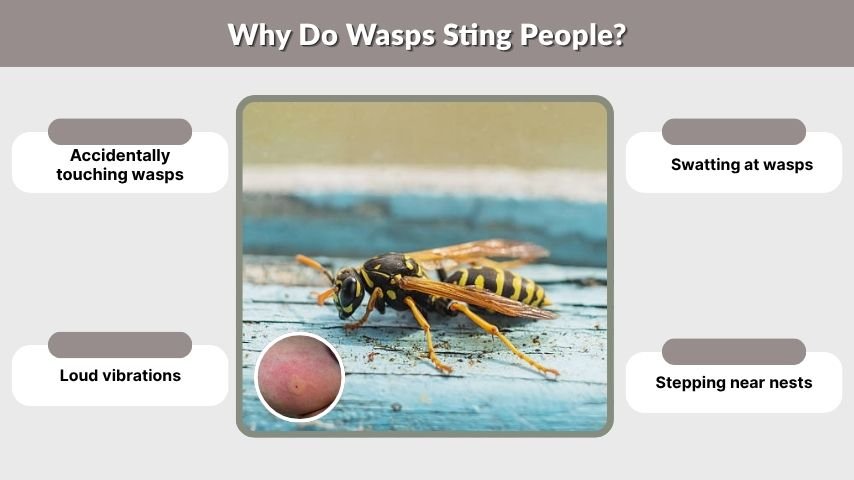
Wasps do not normally attack humans without a reason. Most stings happen because the insect feels threatened or because its nest is disturbed accidentally. Social wasp species are especially protective of their colonies and may react aggressively when danger approaches. Understanding what triggers wasp stings can help people avoid painful encounters outdoors.
Nest Protection
Wasps become highly defensive when someone approaches or disturbs their nest.
- Protect queen and larvae
- Defend food supplies
- Aggressive colony behavior
- Swarm attacks possible
- Strong defensive instincts
Feeling Threatened
Sudden movements, swatting, or accidental contact may cause a wasp to sting in self-defense.
- Swatting at wasps
- Stepping near nests
- Accidentally touching wasps
- Loud vibrations
- Rapid movement nearby
Alarm Pheromones
When a wasp stings, it may release chemical signals called alarm pheromones. These chemicals warn nearby colony members that danger is present.
This communication system can trigger multiple wasps to attack together, especially in species such as yellowjackets and hornets. That is why disturbing a nest may quickly lead to repeated stings from several insects.
What Happens When a Wasp Stings You?
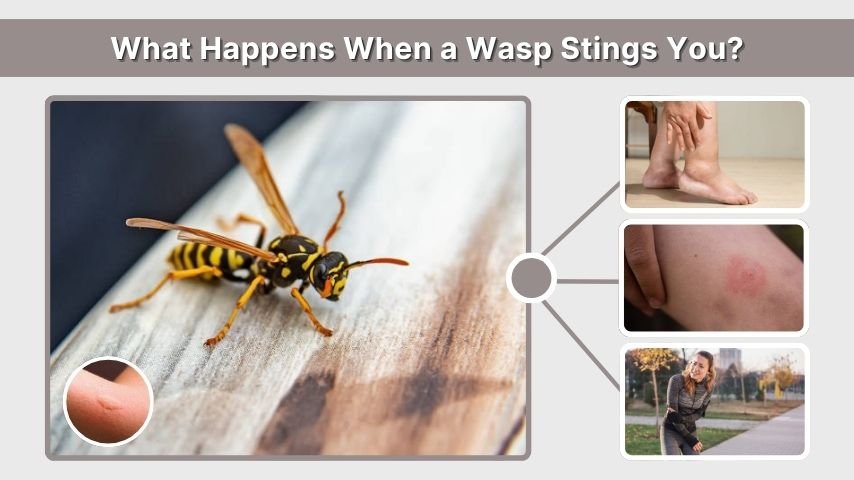
A wasp sting usually causes immediate pain followed by swelling, redness, and irritation around the sting site. The venom contains chemicals that create inflammation and discomfort as part of the wasp’s defense system. Most reactions remain mild and temporary, although allergic individuals may experience severe symptoms requiring medical attention.
Immediate Sting Symptoms
Most people notice strong symptoms immediately after being stung by a wasp.
- Sharp pain
- Burning sensation
- Swelling
- Redness
- Warm skin
- Tenderness
Mild vs Severe Reactions
Most wasp stings cause only localized irritation, but reactions vary depending on venom sensitivity and the number of stings received.
Mild reactions usually improve within hours or days. Severe allergic reactions may include breathing difficulty, dizziness, severe swelling, or anaphylaxis, which requires emergency treatment immediately.
How Long Wasp Sting Symptoms Last
Pain from a wasp sting is usually strongest during the first several minutes after the attack. Swelling and redness may continue for one or more days depending on the severity of the reaction.
Cold compresses and antihistamines often help reduce irritation and swelling. Multiple stings generally produce longer-lasting symptoms than single stings.
Do Different Types of Wasps Bite or Sting?
Different wasp species behave differently depending on their size, social structure, and nesting habits. However, most common wasps rely on stinging rather than biting when defending themselves or their colony. Some smaller parasitic wasps rarely sting humans at all, while social species like paper wasps and yellowjackets are more defensive near nests.
Does a Paper Wasp Sting or Bite?
Paper wasps mainly sting rather than bite when threatened. Their stings can be painful, especially near active nests.
- Defensive stinging behavior
- Multiple stings possible
- Rare human biting
- Nest protection instincts
- Common around homes
Does an Ensign Wasp Sting or Bite?
Ensign wasps are small parasitic wasps that are generally harmless to humans. They rarely sting and are not known for aggressive behavior.
These wasps help control cockroach populations by laying eggs inside cockroach egg cases. Most people never notice ensign wasps because they avoid human contact and focus on hunting pests indoors.
Do Yellowjackets and Hornets Sting?
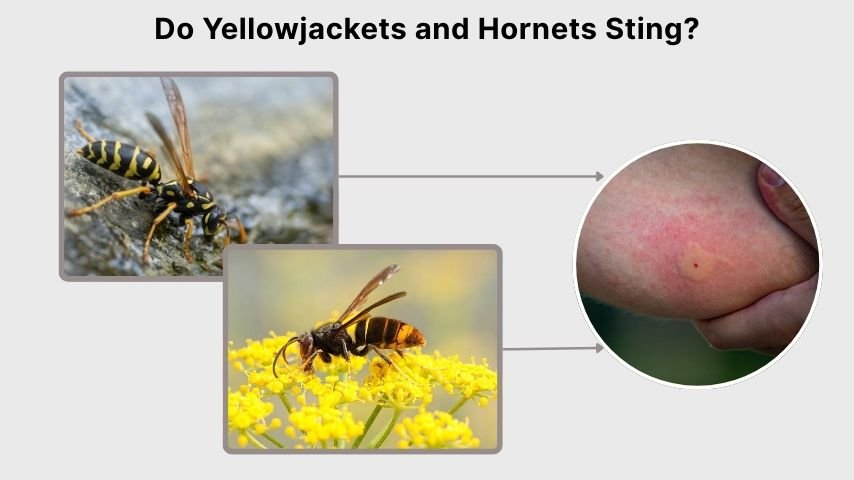
Yellowjackets and hornets are among the most aggressive social wasps and are well known for painful stings. Unlike many solitary wasps, these species aggressively defend their colonies and may attack repeatedly if disturbed. Their smooth stingers allow them to inject venom multiple times without losing the stinger, making them more dangerous during swarm attacks near nests.
Yellowjacket Stinging Behavior
Yellowjackets are highly defensive and commonly sting when nests are threatened.
- Multiple stings possible
- Aggressive colony defense
- Swarm attacks common
- Strong burning pain
- Frequently nest underground
Hornet Defensive Behavior
Hornets are larger social wasps that can deliver especially painful stings. They often become aggressive near nests and may chase perceived threats for short distances.
Hornets release alarm pheromones after stinging, which can attract nearby colony members into the attack. Disturbing a hornet nest may quickly result in multiple painful stings from several insects.
Which Species Is Most Aggressive?
Some wasp species defend their colonies more aggressively than others.
- Yellowjackets
- Hornets
- Paper wasps
- Ground wasps
- Red wasps
- European wasps
Can Wasps Bite Humans?
Although wasps are famous for stinging, they can also use their jaws in certain situations. However, biting behavior is much less common than stinging and usually happens during feeding, prey capture, or nest building rather than direct attacks on humans. In most encounters, the pain people experience comes from the sting and venom instead of a bite.
Why Wasps Use Their Mouthparts
Wasps rely heavily on their mandibles for everyday survival activities besides defense.
- Chewing wood fibers
- Building paper nests
- Cutting prey into pieces
- Carrying food
- Protecting larvae
Rare Cases of Wasp Bites
Some wasps may pinch or bite while stinging if they feel trapped or threatened. However, these bites are usually minor compared to the pain caused by venom injection.
Wasps sometimes use their jaws to hold onto skin while repeatedly stinging at the same time. This combined defensive behavior can make the encounter feel more intense and painful.
Which Is More Painful: Bite or Sting?
A wasp sting is usually far more painful than a bite because venom enters the skin and triggers inflammation immediately.
Bites alone typically cause only mild pinching pressure, while stings create burning pain, redness, and swelling. Most people who believe they were bitten by a wasp were actually stung instead.
Wasp Sting vs Bee Sting
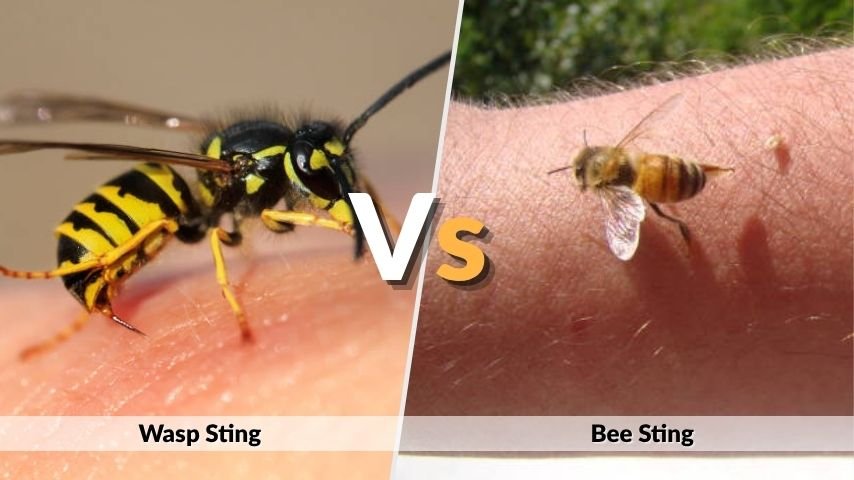
Wasps and bees are often confused because both can sting humans, but important differences exist between them. Wasps can sting multiple times without dying, while honey bees usually sting only once because their barbed stinger becomes trapped in the skin. Understanding these differences helps explain why wasps are often considered more aggressive than bees.
Key Differences Table
| Feature | Wasp | Bee |
| Can Sting Multiple Times | Yes | Usually No |
| Stinger Type | Smooth | Barbed |
| Aggression Level | Higher | Lower |
| Dies After Sting | No | Usually Yes |
Which Hurts More?
Pain levels vary depending on species, venom strength, and individual sensitivity. Some hornet and yellowjacket stings are considered more painful than honey bee stings.
Bee stings may continue hurting longer because the stinger remains lodged in the skin and keeps releasing venom after the insect leaves. Quick stinger removal helps reduce venom exposure.
Which Is More Dangerous?
Both bee and wasp stings can become dangerous for allergic individuals. However, wasps may pose greater risks because they can sting repeatedly and attack in groups.
Multiple wasp stings increase venom exposure and raise the chances of severe swelling or toxic reactions. Large swarm attacks may require emergency medical treatment even in people without allergies.
What Should You Do After a Wasp Sting?
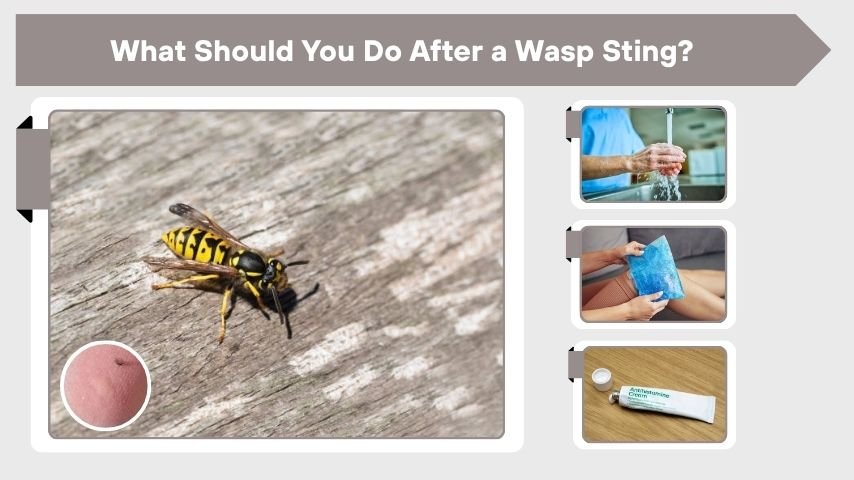
Most wasp stings can be treated safely at home with simple first-aid methods. Quick treatment helps reduce pain, swelling, and irritation while lowering the risk of infection. Since wasps may continue attacking after the first sting, moving away from the area immediately is important for safety.
Immediate First Aid
Taking quick action after a sting can help reduce discomfort and complications.
- Wash with soap and water
- Apply ice packs
- Move away from wasps
- Stay calm
- Avoid scratching the sting
Reduce Pain and Swelling
Simple home treatments can help relieve irritation caused by wasp venom.
- Cold compresses
- Antihistamines
- Hydrocortisone cream
- Over-the-counter pain relief
- Elevating swollen areas
When to Seek Medical Help
Medical attention may be necessary if severe symptoms develop after a wasp sting.
Difficulty breathing, severe swelling, chest tightness, dizziness, or multiple stings should never be ignored. Allergic reactions can become life-threatening quickly and may require emergency treatment immediately.
How to Avoid Wasp Stings
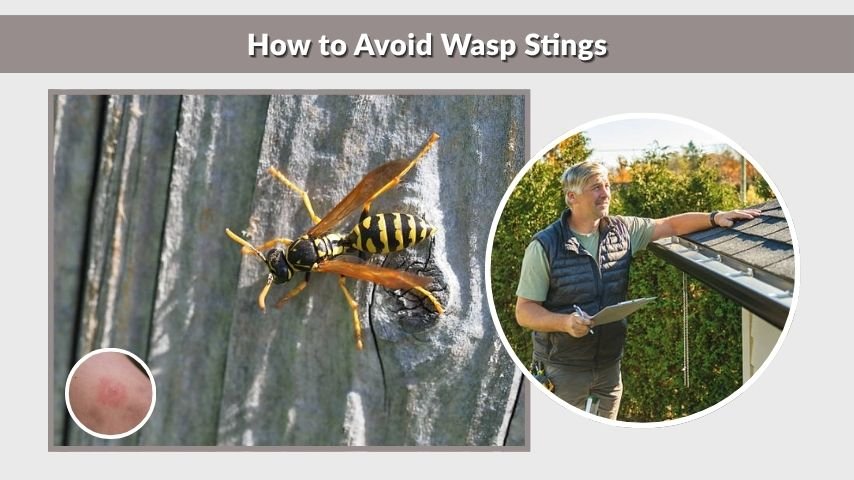
Preventing wasp stings mainly involves avoiding nests and reducing behaviors that attract wasps outdoors. Most species sting only when they feel threatened or when their colony is disturbed accidentally. Understanding where wasps build nests and how they react to danger can help people stay safer while gardening, eating outdoors, or working around sheds, roofs, and trees during warm months.
Avoid Disturbing Nests
Most painful wasp encounters happen because people unknowingly approach active nests too closely.
- Watch roof edges carefully
- Check trees and sheds
- Avoid underground nest areas
- Be cautious while gardening
- Keep children away from nests
Reduce Wasp Attraction
Food, sweet smells, and open trash often attract wasps searching for sugar or protein sources.
- Cover food and drinks outdoors
- Seal garbage bins tightly
- Clean sugary spills quickly
- Avoid strong perfumes
- Keep picnic areas clean
Safe Nest Removal
Removing a wasp nest without proper protection can be dangerous because colonies may attack aggressively when disturbed.
Professional pest control services are usually the safest option for large or active nests. Attempting DIY removal may trigger multiple stings, especially from yellowjackets, hornets, or ground wasps.
Interesting Facts About Wasps
Wasps are highly adaptable insects with important ecological roles despite their reputation for painful stings. Many species help control garden pests and contribute to natural ecosystem balance. Their social colony systems, defensive behaviors, and nest-building abilities make them some of the most fascinating insects found around homes and outdoor environments.
Unique Wasp Abilities
Wasps possess several impressive survival and defensive abilities.
- Can sting multiple times
- Build paper nests
- Fast flying speed
- Use venom for defense
- Release alarm chemicals
Ecological Importance
Many wasp species provide environmental benefits by helping control insect populations naturally.
- Hunt harmful garden pests
- Reduce caterpillar numbers
- Help maintain ecosystem balance
- Support natural pest control
- Pollinate some plants
Colony Life Cycle
Social wasp colonies grow rapidly during warm seasons and decline when temperatures become colder.
- Queens start new colonies
- Workers gather food
- Larvae develop in nest cells
- Colonies expand in summer
- Most workers die in fall
FAQs
Do wasps bite or sting humans?
Wasps mainly sting humans rather than bite them. Their stinger injects venom that causes pain, swelling, and redness. Although wasps do have jaws capable of biting, human bites are uncommon compared to stings.
Can a wasp bite and sting at the same time?
Yes, some wasps may use their jaws to grip skin while stinging repeatedly. However, the pain people feel usually comes from the venomous sting rather than the bite itself.
Does a paper wasp sting or bite?
Paper wasps mainly sting when threatened or when their nest is disturbed. They rarely bite humans and rely mostly on their stinger for defense and venom delivery.
Are ensign wasps dangerous?
Ensign wasps are generally harmless to humans and rarely sting. They are beneficial insects because they help control cockroach populations by targeting cockroach egg cases.
Why do wasps sting people?
Wasps sting mainly to defend themselves or protect their nests. Sudden movements, accidental contact, or disturbing a colony can trigger aggressive defensive behavior and repeated stinging.