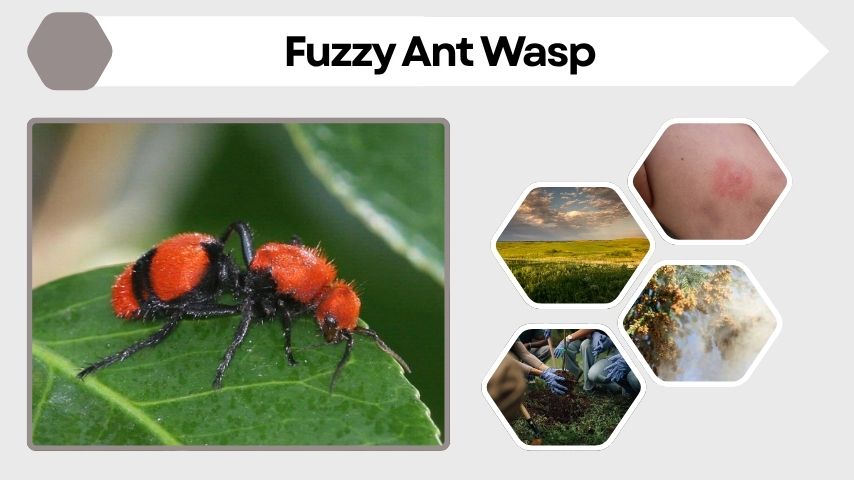
Fuzzy ant wasps are unusual insects that look like large hairy ants but are actually a type of wasp known as velvet ants. Their bright fuzzy bodies and fast movement often attract attention in gardens, sandy areas, and dry landscapes. Many people search for information about red fuzzy ant wasps because of their painful sting and striking appearance. Although they may look dangerous, fuzzy ant wasps are usually solitary and avoid humans unless threatened. Understanding their identification, habitat, sting behavior, and life cycle can help people recognize these fascinating insects safely.
What Is a Fuzzy Ant Wasp?
Fuzzy ant wasps belong to the velvet ant family, a group of wasps known for their dense fuzzy hair and ant-like appearance. Female velvet ants are wingless, which is why many people mistake them for large ants. Despite their name, fuzzy ant wasps are not true ants. These insects are famous for their painful sting, bright warning colors, and solitary behavior in warm outdoor habitats.
Are Fuzzy Ant Wasps Really Ants?
Although they resemble ants, fuzzy ant wasps are actually wingless female wasps belonging to the Mutillidae family.
- Not true ants
- Females lack wings
- Belong to wasp family
- Ant-like movement
- Solitary insect behavior
Scientific Classification
Fuzzy ant wasps belong to a large wasp family containing thousands of species found around the world. Their scientific classification places them among parasitic wasps rather than ants.
These insects are closely related to other stinging wasps and share similar body structures despite their unusual appearance. Scientists continue studying the many colorful velvet ant species found in deserts, grasslands, and forests.
Why They Are Called Fuzzy Ant Wasps
The name “fuzzy ant wasp” comes from their thick hairy body covering and ant-like appearance. Their fuzzy hair often displays bright warning colors that help scare predators away.
- Thick fuzzy hair
- Bright red coloration
- Black and orange patterns
- Warning color display
- Ant-shaped body
What Does a Fuzzy Ant Wasp Look Like?
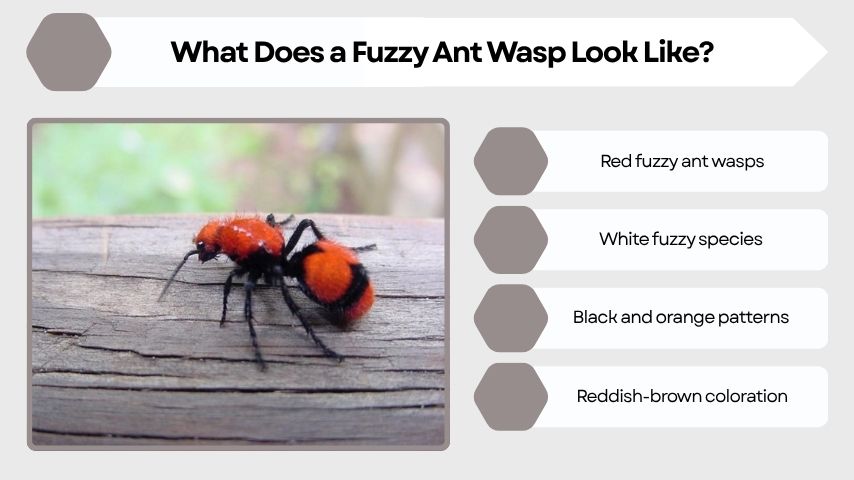
Fuzzy ant wasps are easy to recognize because of their dense hair, bright coloration, and unusual ant-like shape. Most species are small to medium-sized with long legs and narrow waists. Females usually lack wings, while males often have wings and look very different. Their bright colors warn predators that they possess a painful sting and should not be handled carelessly.
Common Colors and Patterns
Different fuzzy ant wasp species display several bright warning colors and patterns.
- Red fuzzy ant wasps
- White fuzzy species
- Black and orange patterns
- Reddish-brown coloration
- Bright warning markings
Body Structure
Fuzzy ant wasps have tough exoskeletons and narrow segmented bodies designed for survival in dry outdoor environments.
- Hairy exoskeleton
- Long legs
- Narrow waist
- Strong body armor
- Fast running movement
Male vs Female Differences
Male and female fuzzy ant wasps often look very different from one another. Females are usually wingless and responsible for the painful sting.
Males typically have wings and cannot sting because they lack a stinger. Females stay closer to the ground while searching for host nests, making them easier for people to notice in sandy or grassy areas.
Where Do Fuzzy Ant Wasps Live?
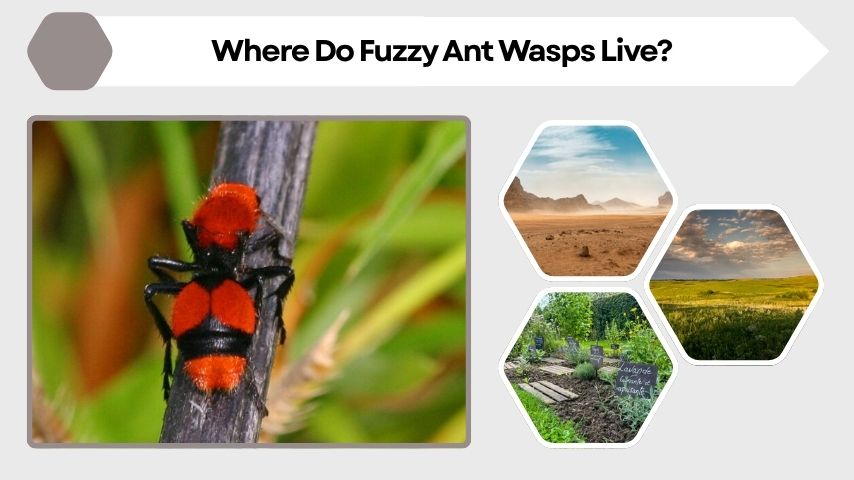
Fuzzy ant wasps prefer warm dry habitats where they can search for insects and underground nests. They are commonly found in sandy areas, grasslands, forests, and gardens during warmer months. These insects usually stay close to the ground while moving quickly through vegetation or open soil searching for food and places to reproduce.
Common Habitats
Fuzzy ant wasps thrive in warm outdoor environments with loose soil and insect activity.
- Sandy areas
- Grasslands
- Gardens
- Forest edges
- Desert habitats
- Open fields
Geographic Distribution
Many fuzzy ant wasp species live throughout North America, especially in warmer southern regions with dry climates.
Some species are common in deserts and semi-arid habitats, while others occur in forests or coastal areas. Their distribution depends heavily on temperature, nesting opportunities, and available host insects.
Where They Hide
Fuzzy ant wasps spend much of their time searching near the ground for insect nests where females can lay eggs.
- Underground burrows
- Near bee nests
- Under rocks
- Beneath leaf litter
- Around dead wood
Are Fuzzy Ant Wasps Dangerous?
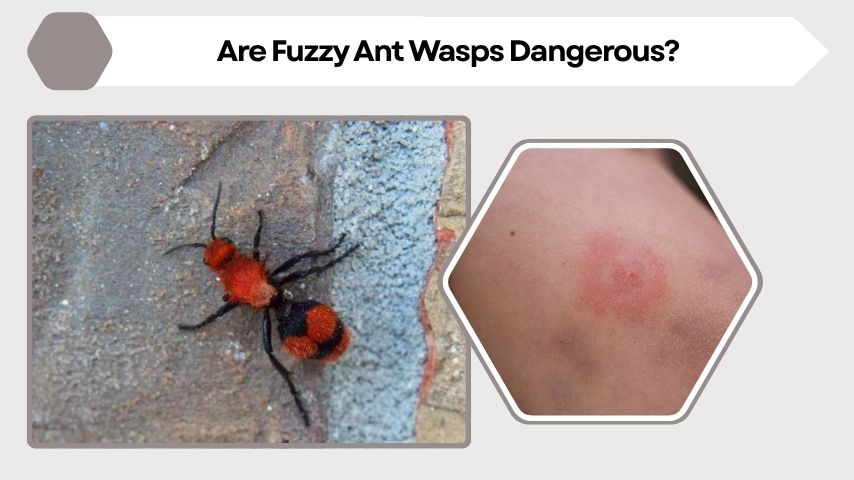
Fuzzy ant wasps are famous for their painful sting, but they are generally not aggressive toward humans. Most species are solitary and prefer escaping instead of attacking. Problems usually happen when someone accidentally touches or handles one. Their bright colors serve as a warning to predators that they possess strong defenses and should be avoided.
Do Fuzzy Ant Wasps Sting?
Female fuzzy ant wasps can deliver extremely painful stings when threatened or handled.
- Painful defensive sting
- Venom injection
- Females sting only
- Multiple stings possible
- Warning coloration linked to sting
How Painful Is the Sting?
The sting of some fuzzy ant wasp species is so painful that they are nicknamed “cow killers,” although the sting is not dangerous enough to kill cattle.
Most people experience intense burning pain followed by redness and swelling. While painful, stings are usually temporary and rarely medically serious in healthy adults.
Are They Aggressive?
Fuzzy ant wasps are usually not aggressive and rarely attack humans unless they are touched, trapped, or threatened. Because they are solitary insects, they do not defend colonies like hornets or yellowjackets. Most fuzzy ant wasps prefer running away quickly rather than fighting. Their bright warning colors help scare predators away before physical defense becomes necessary.
Defensive Behavior
Fuzzy ant wasps rely on several defensive strategies besides stinging.
- Bright warning colors
- Fast running movement
- Tough exoskeleton
- Squeaking defensive sounds
- Painful sting deterrent
Why They Avoid Humans
These insects are not interested in people and mainly focus on finding food, mates, and insect nests for reproduction. Human encounters usually happen accidentally in gardens or sandy outdoor areas.
Most fuzzy ant wasps move alone and spend little time in one location. Since they do not build large colonies, they are much less aggressive than social wasps like yellowjackets or hornets.
When Stings Usually Happen
Most stings happen when someone accidentally steps on, grabs, or handles a fuzzy ant wasp.
- Walking barefoot outdoors
- Picking them up
- Gardening without gloves
- Disturbing hiding places
- Accidental skin contact
What Does a Fuzzy Ant Wasp Sting Feel Like?
Fuzzy ant wasp stings are famous for causing intense pain that begins immediately after contact. Many people describe the sting as sharp, burning, and sudden. Although the pain can feel severe, symptoms usually remain temporary and localized around the sting area. Most healthy adults recover without serious complications after proper basic care.
Immediate Sting Symptoms
Most people notice strong symptoms immediately after the sting occurs.
- Sharp burning pain
- Sudden skin irritation
- Redness
- Swelling
- Throbbing sensation
- Warm skin around sting
Mild vs Severe Reactions
Most stings cause only localized swelling and pain, but reactions vary depending on venom sensitivity and individual allergies.
People with allergies to wasp venom may experience stronger symptoms such as severe swelling, dizziness, or breathing problems. Multiple stings also increase the chance of more serious reactions.
When to Seek Medical Help
Medical attention may be necessary if dangerous allergic symptoms develop after a sting.
- Difficulty breathing
- Severe swelling
- Rapid heartbeat
- Vomiting
- Dizziness
- Signs of anaphylaxis
Fuzzy Ant Wasp vs Velvet Ant
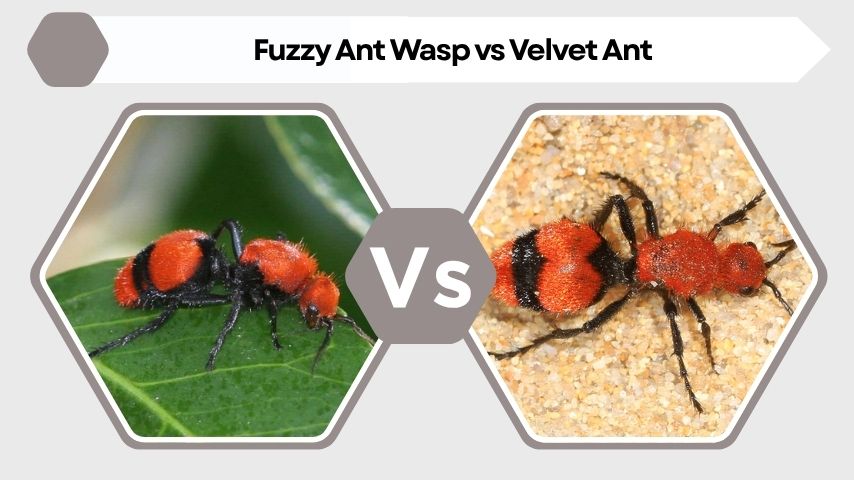
The terms “fuzzy ant wasp” and “velvet ant” refer to the same group of insects. The name velvet ant is more scientifically recognized, while fuzzy ant wasp is a common descriptive term based on appearance. These insects confuse many people because they look similar to ants despite actually being wingless female wasps.
Are They the Same Insect?
Fuzzy ant wasps and velvet ants are simply different names for the same insect group.
- Both belong to Mutillidae family
- Both are wasps
- Both have fuzzy bodies
- Females are wingless
- Painful sting reputation
Why Velvet Ants Look Like Ants
Velvet ants resemble ants because females lack wings and move rapidly along the ground. Their segmented bodies and narrow waists increase the confusion.
Their thick fuzzy hair and bright warning colors also make them visually different from most common wasps. This unusual appearance is one reason people search for terms like “fuzzy red ant wasp.”
Key Differences Table
| Feature | Velvet Ant / Fuzzy Ant Wasp | True Ant |
| Insect Type | Wasp | Ant |
| Female Wings | No | No |
| Sting | Very painful | Depends on species |
| Body Hair | Thick fuzzy covering | Usually smoother |
| Lifestyle | Solitary | Social colonies |
Life Cycle of a Fuzzy Ant Wasp
Fuzzy ant wasps have a unique parasitic life cycle that depends on other insects for reproduction. Females search for underground nests belonging to bees or wasps where they lay eggs near developing larvae. Their young feed on the host insects as they grow, eventually emerging as adult velvet ants later in the season.
Egg Laying Behavior
Female fuzzy ant wasps search for underground nests where they can safely lay eggs.
- Invade bee nests
- Target wasp larvae
- Lay eggs inside host nests
- Use stealth behavior
- Prefer underground burrows
Larval Development
After hatching, velvet ant larvae feed on the host insect larvae or pupae inside the nest.
The developing larvae remain protected underground while feeding and growing. Eventually, they form protective cocoons before emerging as adult fuzzy ant wasps.
Adult Behavior
Adult fuzzy ant wasps spend most of their time searching for mates, food, and suitable nesting hosts.
- Solitary lifestyle
- Active during warm weather
- Feed on nectar
- Fast ground movement
- Avoid large colonies
What Do Fuzzy Ant Wasps Eat?
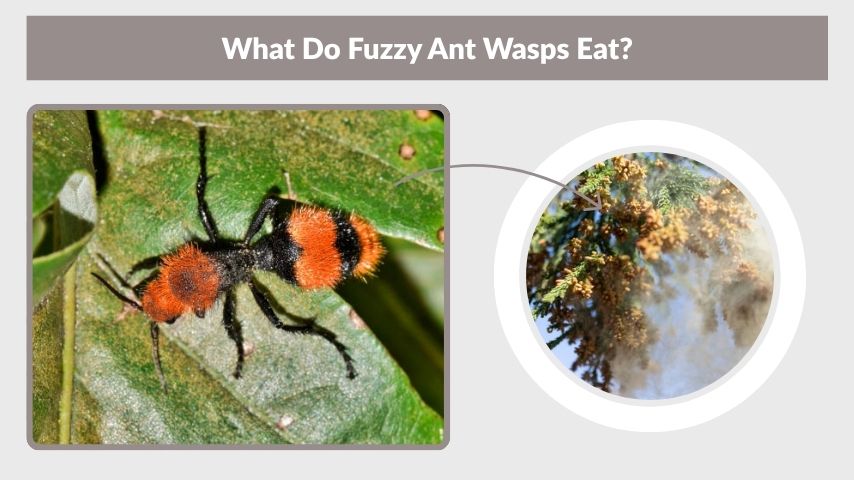
Fuzzy ant wasps feed differently depending on their life stage. Adult velvet ants usually consume nectar and sugary liquids from flowers, while their larvae survive by feeding on host insects inside underground nests. Their feeding habits help them survive in dry outdoor environments where they spend most of their time moving along the ground searching for food and nesting opportunities.
Adult Diet
Adult fuzzy ant wasps mainly feed on sweet liquids and plant materials.
- Flower nectar
- Plant sugars
- Sweet natural liquids
- Moisture from plants
- Occasionally insect fluids
Larval Feeding Habits
The larvae of fuzzy ant wasps develop inside the nests of bees or wasps and feed on the host insects.
- Consume bee larvae
- Feed on wasp pupae
- Develop underground
- Depend on host nests
- Grow inside protected chambers
Hunting and Survival Strategies
Fuzzy ant wasps rely on several survival adaptations that protect them from predators and harsh outdoor conditions.
- Bright warning coloration
- Hard exoskeleton
- Painful sting
- Fast movement
- Camouflage in sandy areas
Interesting Facts About Fuzzy Ant Wasps
Fuzzy ant wasps are among the most unusual insects in the wasp world because of their fuzzy appearance, painful sting, and unique survival abilities. Their bright colors warn predators to stay away, while their tough body armor helps them survive attacks from birds and reptiles. Despite their intimidating reputation, they play important ecological roles in outdoor ecosystems.
Why They Are Called “Cow Killers”
Some fuzzy ant wasp species are nicknamed “cow killers” because their sting is extremely painful. However, this nickname is exaggerated and does not mean they can actually kill cows.
- Very painful sting
- Strong defensive reputation
- Warning nickname only
- Not deadly to livestock
- Fearsome appearance
Unique Defense Mechanisms
Fuzzy ant wasps possess several unusual defenses that help protect them from predators.
- Squeaking sounds
- Tough body armor
- Bright warning colors
- Painful sting
- Fast escape behavior
Ecological Importance
Despite their painful sting, fuzzy ant wasps contribute to ecosystem balance in several ways.
- Support pollination
- Help control insect populations
- Part of natural food chains
- Maintain ecological diversity
- Interact with native bee species
How to Avoid Fuzzy Ant Wasp Stings
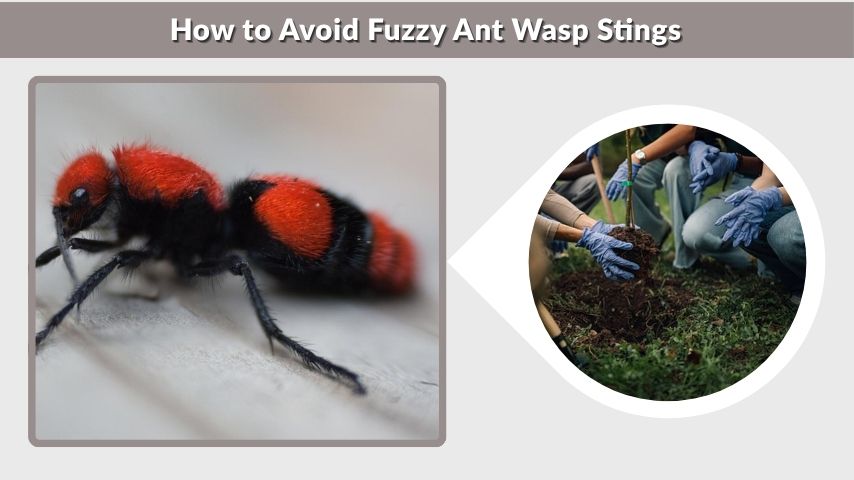
Most fuzzy ant wasp stings happen because of accidental contact while walking, gardening, or handling objects outdoors. Since these insects are not naturally aggressive, avoiding direct contact is usually enough to prevent painful encounters. Awareness of their habitats and warning colors can help people stay safe during outdoor activities.
Avoid Handling Them
The best way to prevent stings is to avoid touching fuzzy ant wasps directly.
- Do not pick them up
- Observe from a distance
- Wear gloves outdoors
- Teach children not to touch them
- Avoid trapping them against skin
Be Careful in Sandy Areas
Fuzzy ant wasps are commonly found in sandy dry habitats where they search for underground nests.
- Watch walking paths
- Avoid barefoot walking
- Check under rocks
- Be cautious while gardening
- Inspect outdoor work areas
What to Do If You Find One Indoors
Fuzzy ant wasps occasionally wander indoors accidentally but usually do not remain inside buildings long.
- Use a container for removal
- Avoid crushing them
- Release outdoors carefully
- Keep pets away
- Wear gloves if necessary
FAQs
Are fuzzy ant wasps dangerous?
Fuzzy ant wasps are not usually dangerous unless handled or threatened. Female velvet ants can deliver extremely painful stings, but serious medical complications are uncommon in healthy adults.
Is a fuzzy ant wasp actually an ant?
No, fuzzy ant wasps are not true ants. They are wingless female wasps belonging to the velvet ant family called Mutillidae.
How painful is a fuzzy ant wasp sting?
The sting is considered very painful and has earned some species the nickname “cow killer.” Most people experience intense burning pain, redness, and swelling that improve after several hours or days.
Can fuzzy ant wasps fly?
Male fuzzy ant wasps usually have wings and can fly, while females are wingless and move quickly along the ground searching for nests and food.
What should I do if a fuzzy ant wasp stings me?
Wash the sting area with soap and water, apply a cold compress, and monitor symptoms carefully. Seek medical attention if severe swelling, breathing problems, or allergic reactions develop after the sting.