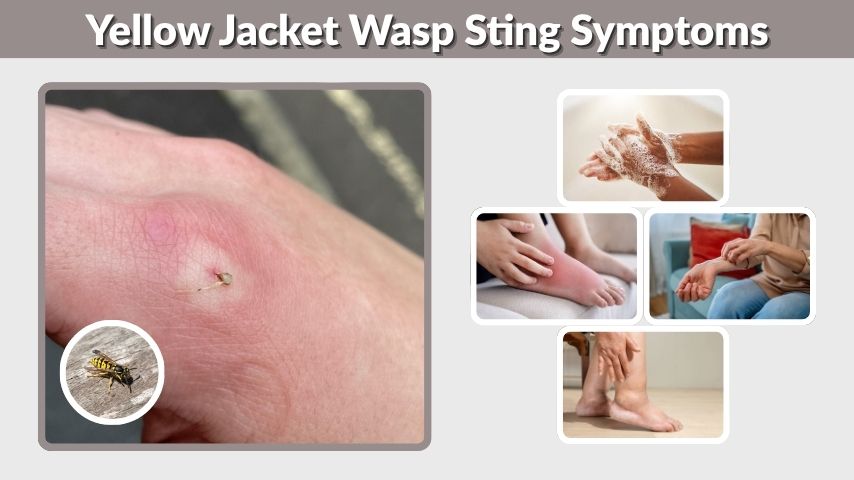
Yellow jacket wasp stings are known for causing intense pain, swelling, and irritation. These aggressive insects often sting when their nests are disturbed, and unlike honey bees, they can sting multiple times without dying. Many people confuse yellow jacket stings with paper wasp, hornet, or bee stings, but yellow jackets are usually more aggressive and attack in groups. Understanding their sting symptoms and proper first aid treatment can help reduce discomfort and prevent serious complications.
This guide explains yellow jacket sting symptoms, pain levels, treatment methods, allergic reactions, and differences between wasp, hornet, and bee stings. You will also learn when swelling becomes dangerous and how to respond safely after a sting.
What Is a Yellow Jacket Wasp Sting?
Yellow jackets are social wasps that defend their nests aggressively. Their sting injects venom into the skin, causing immediate burning pain and swelling. Unlike bees, yellow jackets have smooth stingers that allow them to sting repeatedly without losing the stinger or dying after the attack.
Why Yellow Jackets Sting
Yellow jackets sting mainly to defend their colony or when they feel threatened. They may also become aggressive around food, sugary drinks, or garbage during late summer.
Common reasons for stings include:
- Disturbing a nest
- Walking near underground colonies
- Swatting at a wasp
- Accidental contact
- Outdoor food exposure
- Lawn mowing near nests
Colonies react quickly when alarm pheromones are released, which can trigger multiple stings from nearby workers.
Do Yellow Jacket Wasps Bite or Sting?
Yellow jackets primarily sting rather than bite. Their stinger injects venom beneath the skin, causing pain and inflammation. However, they may sometimes use their jaws to grip skin while stinging repeatedly.
The venom contains chemicals that irritate tissue and activate pain receptors immediately after contact. This is why yellow jacket stings often feel intensely sharp and burning.
Do Yellow Jackets Leave a Stinger?
Unlike honey bees, yellow jackets usually do not leave their stinger behind. Their smooth stinger can penetrate skin repeatedly without becoming stuck.
Because they keep the stinger after attacking, yellow jackets can sting multiple times in rapid succession. This makes them more dangerous during swarm attacks or nest disturbances.
Yellow Jacket Sting Symptoms
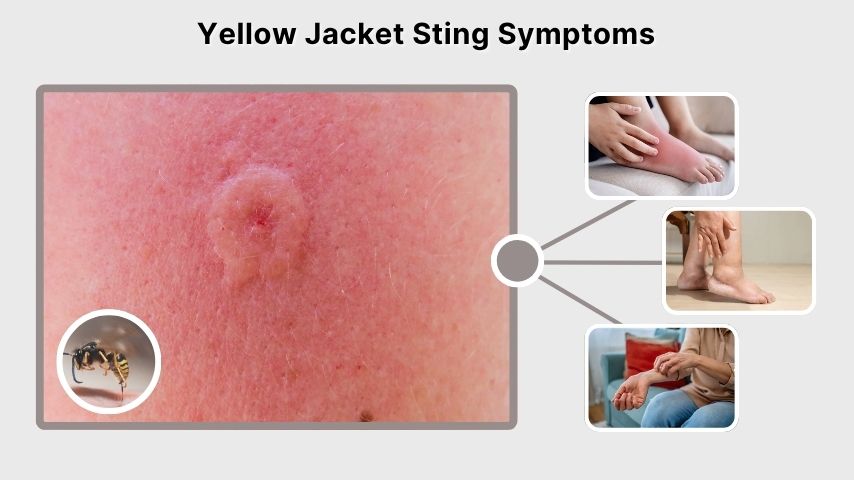
Most yellow jacket stings produce immediate pain and localized swelling. Symptoms vary depending on the number of stings, sting location, and the victim’s sensitivity to venom.
Common Sting Symptoms
Typical reactions usually remain mild to moderate and improve within a few hours or days.
Common symptoms include:
- Sharp burning pain
- Redness around the sting
- Swelling
- Itching
- Warm skin
- Tenderness
- Mild numbness
Pain often peaks within the first few minutes after the sting before gradually decreasing.
Severe Sting Symptoms
Some people experience stronger reactions that may require medical attention. Multiple stings increase the risk of severe symptoms because more venom enters the body.
Danger signs include:
- Difficulty breathing
- Facial swelling
- Dizziness
- Rapid heartbeat
- Nausea
- Vomiting
- Widespread hives
These symptoms may indicate an allergic reaction or venom toxicity, especially after numerous stings.
Yellow Jacket Sting Swelling After 48 Hours
Swelling can continue for one to two days after the sting. Large local reactions sometimes become more noticeable after 24 to 48 hours rather than immediately.
Mild delayed swelling is often normal, but worsening redness, heat, pus, or fever may suggest infection. Persistent severe swelling should be evaluated by a healthcare professional.
How Painful Is a Yellow Jacket Sting?
Yellow jacket stings are considered extremely painful because the venom rapidly irritates nerves and tissue. Their aggressive behavior also increases the likelihood of receiving multiple stings during an encounter.
Yellow Jacket Sting Pain Level
Most people describe the pain as sudden, burning, and intense. The discomfort can remain sharp for several minutes before fading into throbbing soreness.
Pain severity often depends on:
- Sting location
- Number of stings
- Personal pain tolerance
- Venom sensitivity
- Previous sting reactions
Stings on sensitive areas such as the face, lips, hands, or neck usually hurt more than stings on thicker skin.
Why Yellow Jacket Stings Hurt So Much
Yellow jacket venom contains chemicals that trigger inflammation and nerve irritation. Their ability to sting repeatedly also increases the amount of venom delivered during attacks.
Aggressive swarming behavior makes yellow jackets especially dangerous compared to solitary wasps. Disturbing a nest can result in dozens of painful stings within seconds.
How Long Does the Pain Last?
Initial burning pain usually lasts between several minutes and one hour. Tenderness and itching may continue for several days while swelling gradually improves.
Mild reactions often resolve within one to three days, while larger local reactions may take a week or longer to disappear completely.
Yellow Jacket Sting vs Wasp Sting
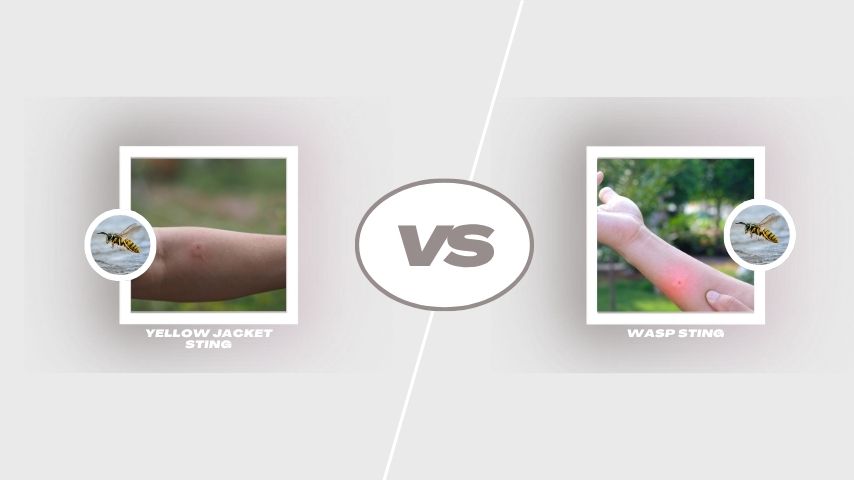
Many people use the word “wasp” broadly, but yellow jackets, paper wasps, and hornets produce different sting experiences. Pain levels, swelling, and aggression vary between species.
Yellow Jacket vs Paper Wasp Sting
| Feature | Yellow Jacket Sting | Paper Wasp Sting |
| Aggression | Very high | Moderate |
| Pain Level | Intense burning | Sharp but milder |
| Multiple Stings | Common | Less common |
| Swarming Behavior | Aggressive | Limited |
Yellow jackets usually react faster and attack in greater numbers than paper wasps when defending their nests.
Yellow Jacket vs Red Wasp Sting
Red wasp stings are also painful, but yellow jackets are generally considered more aggressive. Yellow jackets frequently sting repeatedly, while red wasps may retreat after a single defensive sting.
Pain intensity can vary between species and individual reactions, but yellow jackets are often feared more because of their swarming behavior.
Wasp vs Hornet vs Yellow Jacket Sting
Hornets typically deliver larger amounts of venom, while yellow jackets are known for aggressive group attacks. Paper wasps usually cause milder reactions compared to both hornets and yellow jackets.
Each species produces different venom compounds, which explains variations in pain, swelling, and allergic reactions.
Bee vs Wasp vs Hornet vs Yellow Jacket Sting
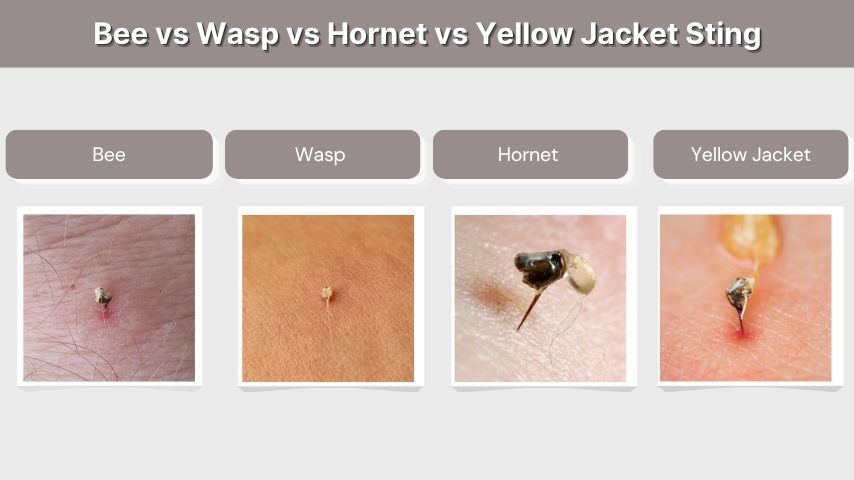
Different stinging insects produce different reactions depending on venom type, aggressiveness, and stinger structure. Bees usually sting once, while wasps, hornets, and yellow jackets can sting repeatedly. Understanding these differences helps people identify the insect involved and choose the best treatment after a sting.
Bee Sting Characteristics
Honey bees usually sting only once because their barbed stinger becomes stuck in the skin. After stinging, the bee dies while the venom sac continues pumping venom briefly into the wound.
Common bee sting traits include:
- Stinger left in skin
- Sharp immediate pain
- Mild to moderate swelling
- Single defensive sting
- Localized redness
Removing the stinger quickly can help reduce venom exposure and swelling.
Hornet Sting Characteristics
Hornets are larger than most wasps and can inject more venom with each sting. Their stings are often described as deeply painful and throbbing.
Hornets aggressively defend nests and may attack repeatedly when disturbed. Because of their larger size, hornet stings can sometimes cause more severe swelling than smaller wasp species.
Yellow Jacket Sting Characteristics
Yellow jackets are among the most aggressive stinging insects. They often attack in groups and can sting repeatedly without losing the stinger.
These stings are especially painful because yellow jackets release alarm pheromones that attract nearby workers. Disturbing a nest can quickly lead to multiple stings within seconds.
Sting Comparison Table
| Insect | Multiple Stings? | Pain Level | Leaves Stinger? |
| Honey Bee | No | Moderate | Yes |
| Yellow Jacket | Yes | High | No |
| Paper Wasp | Yes | Moderate-High | No |
| Hornet | Yes | High | No |
How to Treat a Yellow Jacket Wasp Sting
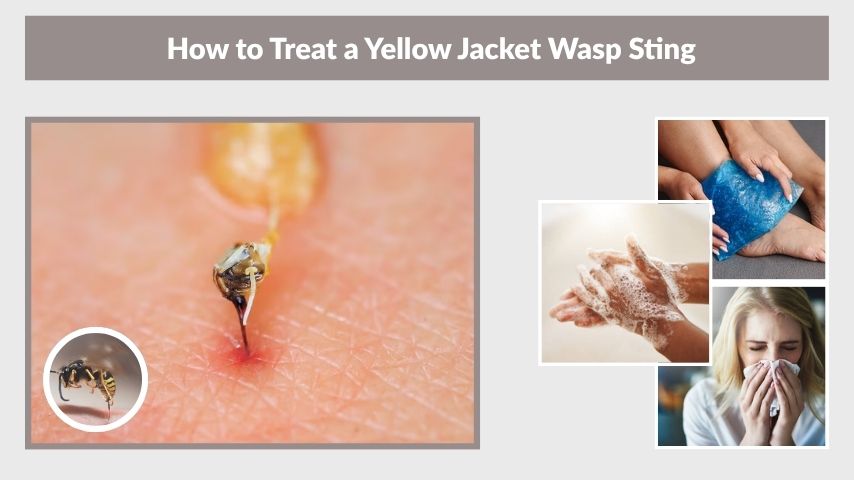
Fast treatment can help reduce pain, swelling, and itching after a yellow jacket sting. Most mild reactions improve with simple home care, but severe allergic symptoms require immediate emergency treatment.
Yellow Jacket Sting First Aid
Following basic first aid steps quickly after a sting may reduce discomfort and prevent worsening irritation.
- Move away from the sting area
- Wash the skin with soap and water
- Apply a cold compress
- Elevate swollen areas if possible
- Monitor for allergic reactions
Cold packs help reduce swelling by slowing blood flow and calming inflammation around the sting site.
Home Remedies for Yellow Jacket Stings
Several home remedies may help soothe irritation and itching after a sting.
Popular remedies include:
- Baking soda paste
- Aloe vera gel
- Honey
- Vinegar
- Ice packs
- Oatmeal paste
These remedies may temporarily relieve discomfort, although reactions vary between individuals.
Over-the-Counter Treatments
Nonprescription medications are often used to reduce itching, swelling, and pain after yellow jacket stings.
Helpful treatment options include antihistamines, hydrocortisone cream, calamine lotion, and mild pain relievers. Following label instructions carefully is important, especially for children or individuals with medical conditions.
What to Put on a Yellow Jacket Sting
Topical treatments can calm irritation and reduce swelling while the skin heals. Cooling and anti-inflammatory products usually provide the best relief during the first few hours after a sting.
Best Creams and Ointments
Several over-the-counter products help reduce itching and inflammation.
Common options include:
- Hydrocortisone cream
- Calamine lotion
- Anti-itch gels
- Lidocaine creams
- Antihistamine ointments
Applying these products gently helps avoid further irritation to sensitive skin.
Natural Soothing Treatments
Natural remedies are popular for mild sting reactions because they may calm irritation without harsh chemicals.
Aloe vera gel is commonly used for cooling relief, while witch hazel may help reduce itching and inflammation. Some people also use diluted tea tree oil, although essential oils should always be used carefully on sensitive skin.
What to Avoid Applying
Certain substances can worsen irritation or delay healing after a sting.
Avoid the following:
- Scratching the sting
- Applying excessive heat
- Using harsh cleaning chemicals
- Popping blisters
- Covering the area too tightly
Keeping the sting area clean and dry usually supports faster healing.
Yellow Jacket Sting Allergic Reaction
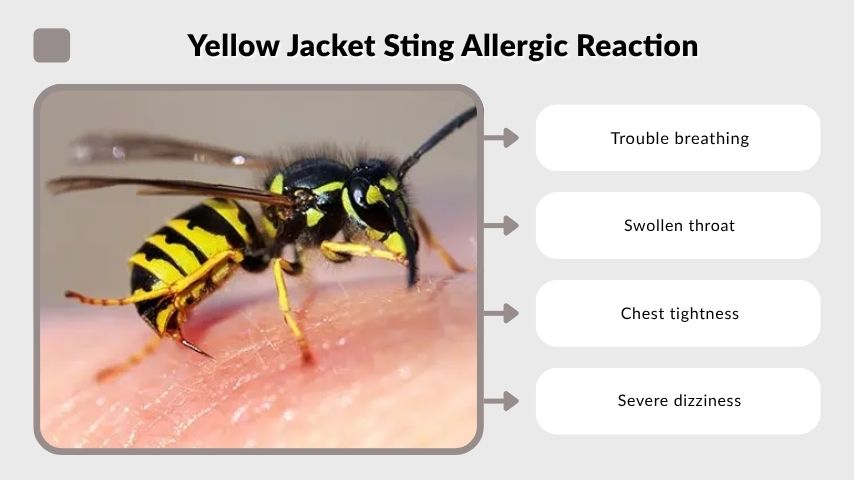
Some individuals experience severe allergic reactions called anaphylaxis after yellow jacket stings. These reactions can become life-threatening within minutes and require emergency medical care.
Signs of Anaphylaxis
Severe allergic reactions affect the entire body rather than only the sting site.
Emergency warning signs include:
- Trouble breathing
- Swollen throat
- Chest tightness
- Severe dizziness
- Rapid pulse
- Fainting
- Widespread hives
Anyone experiencing these symptoms should receive immediate medical attention.
Emergency Treatment Steps
People with known sting allergies often carry epinephrine auto-injectors for emergencies. Epinephrine helps slow dangerous allergic reactions until professional medical care becomes available.
After using epinephrine, emergency services should still be contacted because symptoms can return after temporary improvement.
Who Is Most at Risk?
Certain groups face a higher risk of severe allergic reactions from yellow jacket stings.
Higher-risk individuals include:
- People with previous sting allergies
- Individuals receiving multiple stings
- Children
- Elderly adults
- People with asthma or immune disorders
Recognizing symptoms early can greatly improve treatment outcomes.
FAQs
How long does a yellow jacket sting last?
The sharp pain usually lasts from several minutes to an hour, while swelling and itching may continue for several days depending on the severity of the reaction.
Can yellow jackets sting multiple times?
Yes. Yellow jackets have smooth stingers that allow them to sting repeatedly without losing the stinger.
Is a yellow jacket sting worse than a paper wasp sting?
Many people consider yellow jacket stings more painful because yellow jackets are highly aggressive and often sting multiple times during attacks.
What helps yellow jacket sting swelling go down?
Cold compresses, antihistamines, hydrocortisone cream, and elevating the affected area may help reduce swelling.
When should I worry about a yellow jacket sting?
Seek medical care if you experience difficulty breathing, severe swelling, dizziness, chest tightness, or signs of infection after the sting.