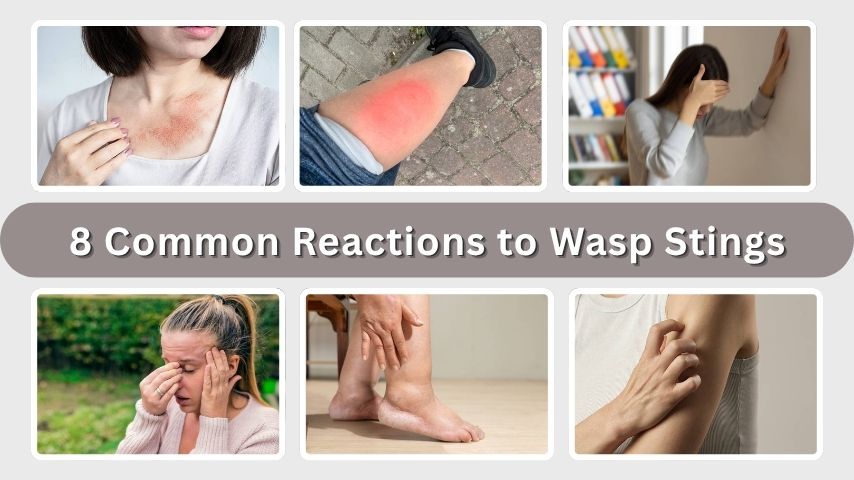
Wasp stings can cause a wide range of reactions, from mild pain and redness to severe allergic emergencies. Most people experience temporary swelling, itching, or burning sensations that improve within a few days. However, some reactions become more serious and require immediate medical attention. Understanding the difference between normal and dangerous sting symptoms can help you respond quickly and safely after a wasp encounter.
This guide explains eight common reactions to wasp stings, including pain, swelling, hives, dizziness, and anaphylaxis. You will also learn how long symptoms typically last and when medical treatment may be necessary.
1. Pain and Burning Sensation
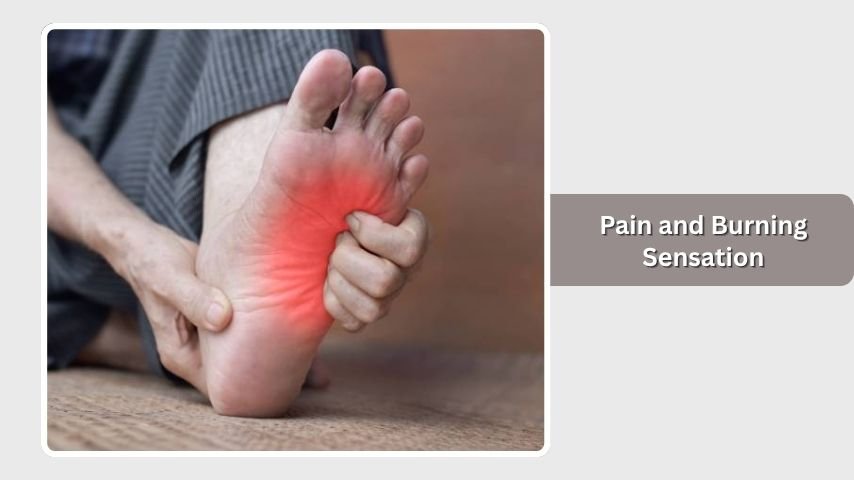
Pain and burning are usually the first reactions people notice after a wasp sting. The venom injected through the stinger irritates nerves and skin tissue almost immediately, causing sharp discomfort. For most people, the pain fades gradually within several minutes to a few hours, although sensitivity levels can vary depending on the type of wasp and the location of the sting.
Identification
- Sudden sharp pain at the sting site
- Burning or stinging feeling
- Tenderness when touched
- Mild throbbing sensation
- Warm skin around the sting
- Immediate discomfort after contact
Causes and Symptoms
The pain occurs because wasp venom contains chemicals that trigger inflammation and stimulate pain receptors beneath the skin. Some stings feel mild, while others produce intense burning sensations that spread around the affected area. Sensitive areas such as fingers, lips, neck, and face often hurt more than other parts of the body.
The severity of pain may also increase if multiple stings occur at the same time. Yellow jackets and hornets are especially known for causing strong burning reactions because they can sting repeatedly.
How Long the Pain Lasts
For most people, the sharpest pain lasts between a few minutes and one hour. After the intense burning fades, the area may remain sore or tender for one to two days. Mild itching and swelling often develop later as the body responds to the venom.
Pain duration can vary depending on venom sensitivity, the number of stings, and the sting location. Larger local reactions may remain uncomfortable for several days before fully improving.
Treatment and Relief
Quick first aid can help reduce discomfort after a wasp sting. Washing the area with soap and water helps lower infection risk, while cold compresses reduce inflammation and numb the pain temporarily.
Over-the-counter pain relievers, hydrocortisone cream, and antihistamines may also help relieve soreness and irritation. Avoid scratching or rubbing the sting site because this can worsen inflammation and delay healing.
2. Redness Around the Sting Site
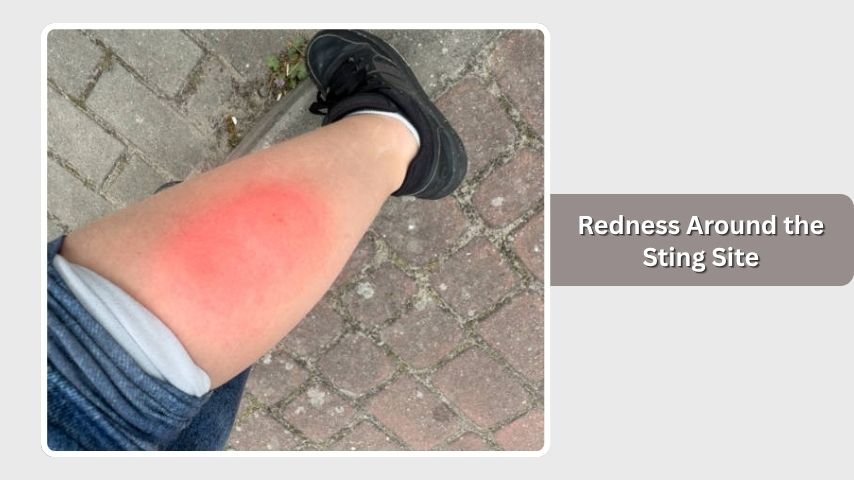
Redness is one of the most common reactions to a wasp sting. After the venom enters the skin, the body responds by increasing blood flow to the affected area. This creates a red or pink patch around the sting site that may spread slightly during the first several hours. In most cases, the redness is temporary and improves as the irritation fades.
Identification
- Red or pink skin around the sting
- Circular irritated patch
- Warm appearance near the sting site
- Mild inflammation
- Visible center puncture mark
- Expanding redness during early hours
Causes and Symptoms
The redness develops because the immune system reacts to the venom injected by the wasp. Blood vessels widen near the sting area, allowing immune cells to move into the tissue and begin the healing process.
Some people notice only a small red spot, while others develop a larger irritated patch. Sensitive skin or repeated stings may cause redness to spread farther around the affected area. Mild itching, warmth, and tenderness often appear alongside the discoloration.
How Long the Redness Lasts
For most mild stings, redness begins fading within one to three days. Larger local reactions may remain visible for several days before disappearing completely.
If the redness continues spreading after several days or becomes extremely hot and painful, it may signal infection or a stronger allergic response. Persistent symptoms should be checked by a healthcare professional.
Treatment and Relief
Cold compresses are commonly used to reduce redness and calm irritated skin after a wasp sting. Keeping the area clean with soap and water may also help prevent secondary infection.
Hydrocortisone cream, antihistamines, and soothing lotions such as calamine may reduce irritation and inflammation. Avoid scratching the skin because irritation can worsen redness and slow healing.
3. Swelling
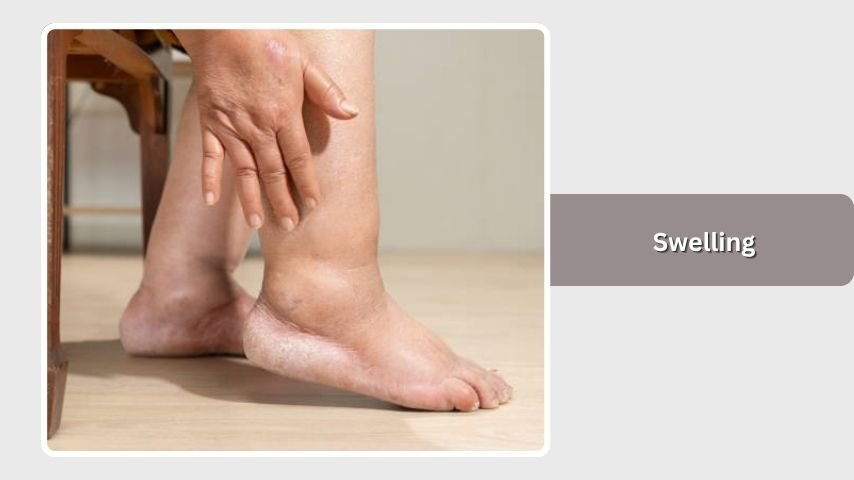
Swelling is a normal reaction after a wasp sting and occurs when the body responds to venom in the skin. The affected area may become puffy, raised, and tender within minutes after the sting. Mild swelling is usually harmless, but larger reactions can sometimes spread beyond the sting site and remain uncomfortable for several days.
Identification
- Puffy skin around the sting
- Raised swollen bump
- Tight or stretched skin
- Warm feeling near the area
- Swelling that spreads slowly
- Tenderness when touched
Causes and Symptoms
Wasp venom triggers the immune system to release chemicals that increase fluid buildup in nearby tissue. This causes the skin to swell as the body attempts to neutralize the venom and repair irritated cells.
Some people develop only minor swelling, while others experience larger local reactions that spread across an arm, hand, foot, or face. Swelling may also be accompanied by redness, itching, warmth, and soreness depending on the severity of the sting.
Multiple stings often produce stronger swelling because the body reacts to a larger amount of venom at one time.
How Long the Swelling Lasts
Mild swelling usually peaks within the first 24 hours and gradually improves over the next few days. Larger reactions may continue for up to a week before completely disappearing.
Swelling near the eyes, lips, or throat can become dangerous because it may affect breathing or vision. Severe or rapidly spreading swelling should be treated as a medical emergency.
Treatment and Relief
Applying a cold compress is one of the most effective ways to reduce swelling after a wasp sting. Elevating the affected body part may also help limit fluid buildup and discomfort.
Antihistamines and anti-inflammatory creams are commonly used to calm swelling and itching. Drinking water and avoiding scratching may support faster healing. If swelling becomes severe or causes breathing problems, immediate medical care is necessary.
4. Itching
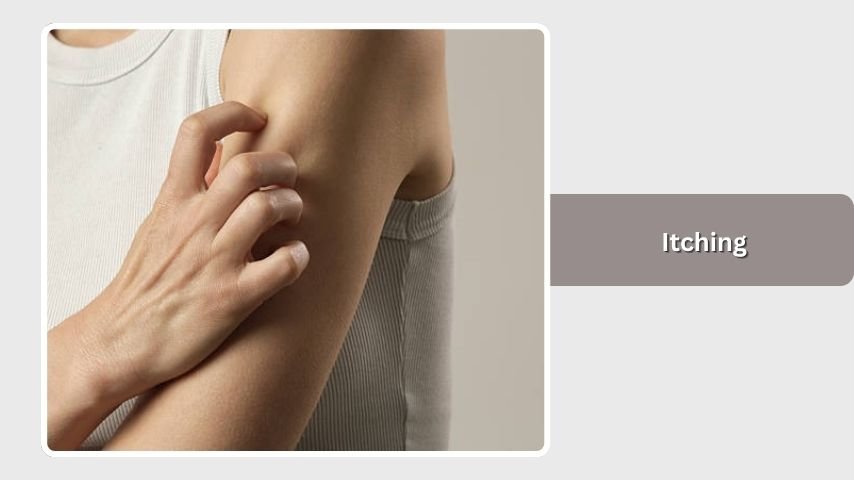
Itching is a common reaction that often develops after the initial pain and swelling from a wasp sting begin to fade. The body releases histamines and other chemicals while reacting to the venom, which can irritate nerve endings and create a strong urge to scratch the affected area. Mild itching is normal, but excessive irritation may increase discomfort and prolong healing.
Identification
- Persistent urge to scratch
- Tingling sensation around the sting
- Irritated skin
- Mild rash-like appearance
- Dry or tight feeling skin
- Increased itching during healing
Causes and Symptoms
The itching occurs because the immune system reacts to proteins and toxins in the wasp venom. Histamines released by the body trigger irritation beneath the skin, especially during the healing stage after swelling begins to decrease.
Some people experience only mild itching, while others develop stronger irritation that spreads around the sting area. Warm skin, redness, and mild swelling often appear together with itching. Scratching may temporarily relieve discomfort but can worsen inflammation and damage the skin.
How Long the Itching Lasts
For most mild reactions, itching lasts between several hours and a few days. Larger local reactions may remain itchy for up to a week while the skin continues healing.
Repeated scratching can irritate the area further and increase the risk of infection. Persistent itching accompanied by severe swelling or hives may indicate a stronger allergic response.
Treatment and Relief
Anti-itch creams, hydrocortisone ointment, and antihistamines are commonly used to reduce irritation after a wasp sting. Cold compresses may also help calm itching by numbing the skin and reducing inflammation.
Keeping the area clean and avoiding scratching supports faster recovery. Natural remedies such as aloe vera gel or calamine lotion may provide additional soothing relief for mild itching reactions.
5. Warmth and Tenderness
Warmth and tenderness often develop around a wasp sting as the body reacts to venom and begins the healing process. Increased blood flow to the affected area can make the skin feel hot, sensitive, and sore to the touch. These reactions are usually mild and temporary, but stronger warmth or severe tenderness may sometimes indicate a larger inflammatory response.
Identification
- Warm skin near the sting
- Sensitive or sore feeling
- Tenderness when touched
- Mild throbbing discomfort
- Increased skin sensitivity
- Heat around the swollen area
Causes and Symptoms
Warmth occurs because blood vessels expand around the sting site, allowing immune cells to reach the injured tissue. This natural inflammatory response helps the body break down venom and repair damaged skin.
Tenderness usually appears alongside redness and swelling. The affected area may feel painful when pressure is applied, especially during the first 24 hours after the sting. Some people notice mild throbbing or aching sensations as inflammation increases.
Multiple stings or sensitive skin may cause stronger warmth and soreness that spreads beyond the immediate sting site.
How Long Warmth and Tenderness Last
For most people, warmth and tenderness improve within one to three days as swelling begins to decrease. Larger local reactions may remain sensitive for several more days before fully healing.
If the skin becomes increasingly hot, hard, or extremely painful, infection may be developing. Fever, pus, or worsening redness should be evaluated by a healthcare professional.
Treatment and Relief
Cold compresses can help reduce heat and calm inflammation after a wasp sting. Resting the affected area and avoiding pressure on the sting site may also reduce discomfort.
Over-the-counter pain relievers, antihistamines, and soothing creams are commonly used to manage tenderness and irritation. Keeping the sting clean and avoiding scratching can help prevent further skin damage during healing.
6. Hives or Skin Rash
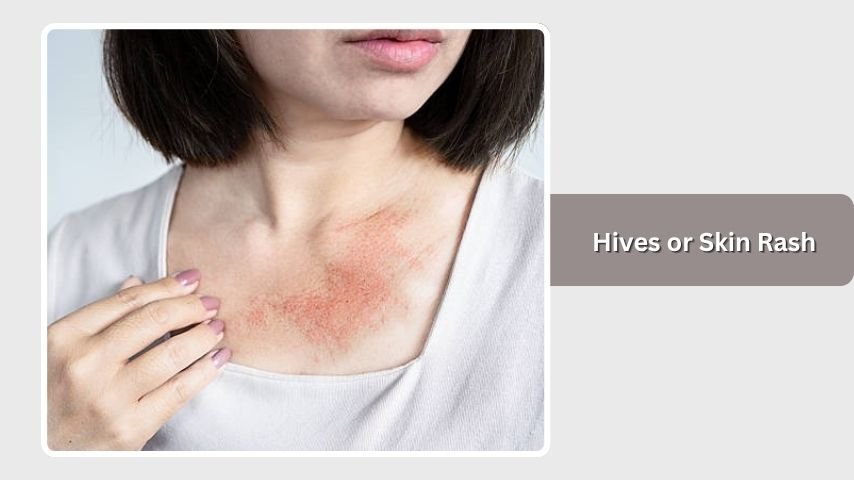
Hives or skin rashes can develop after a wasp sting when the immune system reacts strongly to the venom. These reactions may appear near the sting site or spread across larger areas of the body. In mild cases, the rash fades within a few hours, but widespread hives may sometimes signal a more serious allergic reaction that requires medical attention.
Identification
- Raised itchy welts
- Red or pink rash patches
- Swollen bumps on the skin
- Rash spreading beyond the sting site
- Blotchy irritated skin
- Severe itching
Causes and Symptoms
Hives occur when the body releases large amounts of histamine after exposure to wasp venom. Histamine increases blood flow and causes fluid to collect beneath the skin, creating raised itchy patches.
Some people develop only small localized rashes, while others experience widespread hives across the chest, arms, back, or legs. Itching is often intense and may occur together with swelling, redness, and skin warmth. In more severe allergic reactions, hives may appear alongside breathing problems or facial swelling.
How Long Hives or Rash Last
Mild hives may disappear within several hours, while larger reactions can continue for a few days before fading completely. Repeated exposure to wasp stings may increase the chance of stronger allergic skin reactions in sensitive individuals.
Persistent or worsening rashes should be monitored carefully, especially if they spread rapidly or occur with dizziness and breathing difficulty.
Treatment and Relief
Antihistamines are commonly used to reduce itching and calm allergic skin reactions after a wasp sting. Cold compresses and soothing lotions such as calamine may also help relieve discomfort.
Avoid scratching the rash because broken skin increases the risk of infection. If hives spread quickly or occur with swelling of the face, lips, or throat, emergency medical treatment may be necessary.
7. Dizziness or Nausea
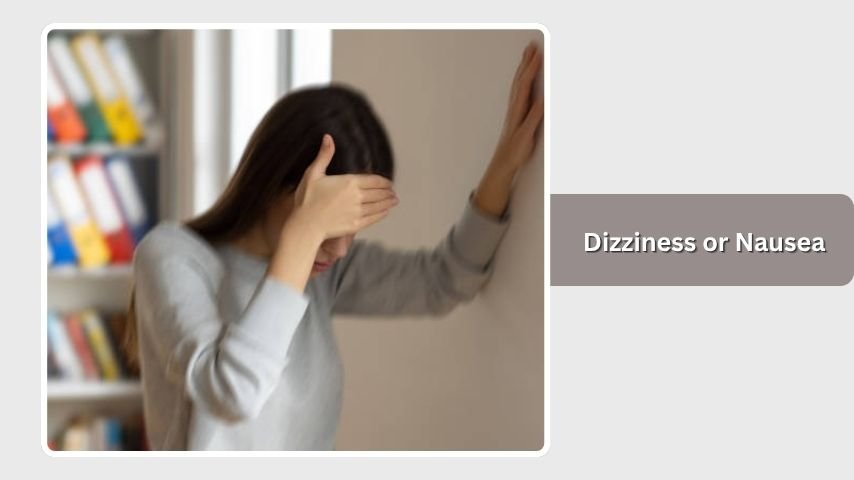
Dizziness or nausea can occur after a wasp sting when the body reacts strongly to venom or stress. Mild symptoms sometimes develop because of pain, anxiety, or multiple stings, while severe dizziness may signal a dangerous allergic reaction. These symptoms should always be monitored carefully, especially if they appear suddenly or worsen quickly after the sting.
Identification
- Lightheaded feeling
- Nausea or upset stomach
- Weakness
- Blurred vision
- Feeling faint
- Trouble standing steadily
Causes and Symptoms
Wasp venom can affect the body in different ways depending on the amount injected and the person’s sensitivity. Pain and fear alone may trigger temporary dizziness, especially in individuals who are anxious around stinging insects.
More serious reactions occur when the immune system responds aggressively to the venom. In these cases, dizziness and nausea may appear alongside rapid heartbeat, sweating, confusion, or difficulty breathing. Multiple stings can also increase the risk of venom-related illness.
How Long Dizziness or Nausea Lasts
Mild dizziness caused by stress or pain may improve within minutes after resting and hydrating. Nausea from minor reactions often fades within a few hours.
However, symptoms that continue worsening or occur with breathing difficulty may indicate anaphylaxis or venom toxicity. Severe reactions require immediate emergency medical care because they can become life-threatening very quickly.
Treatment and Relief
The person should move to a safe calm area away from the wasps and sit or lie down to prevent falls. Drinking water and staying cool may help with mild nausea or dizziness caused by stress.
Emergency medical attention is necessary if symptoms are severe or combined with swelling, chest tightness, fainting, or breathing problems. Individuals with known sting allergies should use prescribed epinephrine immediately if signs of anaphylaxis develop.
8. Severe Allergic Reaction (Anaphylaxis)
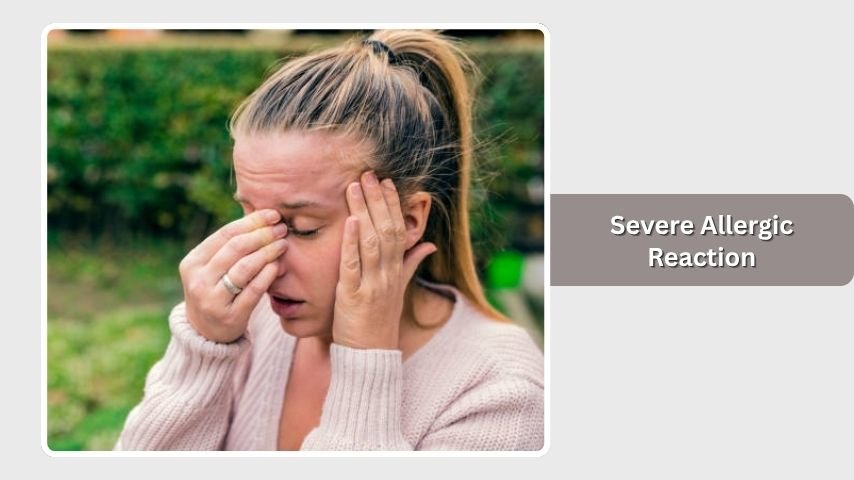
Anaphylaxis is the most dangerous reaction to a wasp sting and can become life-threatening within minutes. This severe allergic response affects the entire body rather than only the sting site. Although uncommon, anaphylaxis requires immediate emergency treatment because swelling and breathing problems can rapidly worsen without medical care.
Identification
- Difficulty breathing
- Swollen throat or tongue
- Chest tightness
- Rapid heartbeat
- Severe dizziness
- Fainting
- Widespread hives
- Pale or bluish skin
Causes and Symptoms
Anaphylaxis occurs when the immune system overreacts to proteins in wasp venom. Instead of causing only local swelling or itching, the body releases massive amounts of chemicals that affect breathing, blood pressure, and circulation.
Symptoms often begin quickly after the sting and may include severe swelling, wheezing, nausea, vomiting, confusion, or loss of consciousness. Some people experience sudden weakness or a feeling of impending doom before breathing problems appear.
Individuals who have experienced previous allergic reactions to insect stings face a higher risk of developing anaphylaxis after future stings.
How Long Anaphylaxis Lasts
Anaphylaxis can progress within minutes and may continue worsening rapidly without treatment. Even if symptoms improve temporarily, delayed reactions can sometimes occur several hours later.
Because of the serious risks, anyone showing signs of anaphylaxis should be monitored by medical professionals after emergency treatment. Quick action greatly improves survival and recovery outcomes.
Treatment and Emergency Response
Epinephrine is the primary emergency treatment for anaphylaxis and should be used immediately if available. Emergency medical services should be contacted right away, even if symptoms begin improving after epinephrine use.
While waiting for help, the person should lie down with legs elevated unless breathing becomes difficult. Tight clothing should be loosened, and breathing should be monitored closely until professional medical care arrives.
FAQs
How long do common wasp sting reactions last?
Most mild wasp sting reactions, such as pain, redness, and swelling, improve within a few hours to several days. Larger local reactions may last up to a week depending on the person’s sensitivity and the number of stings received.
Are itching and swelling normal after a wasp sting?
Yes. Mild itching and swelling are common reactions because the immune system responds to the venom injected into the skin. These symptoms usually improve gradually as the body heals the affected area.
When should I worry about a wasp sting reaction?
You should seek medical help if symptoms include difficulty breathing, severe swelling, dizziness, chest tightness, fainting, or widespread hives. These signs may indicate a dangerous allergic reaction called anaphylaxis.
Can multiple wasp stings cause stronger reactions?
Yes. Multiple stings increase the amount of venom entering the body, which can lead to stronger pain, swelling, nausea, dizziness, or more serious medical complications.
What is the best first aid for a wasp sting reaction?
Basic first aid includes washing the sting area with soap and water, applying a cold compress, elevating swollen areas, and using antihistamines or anti-itch creams to reduce discomfort and irritation.