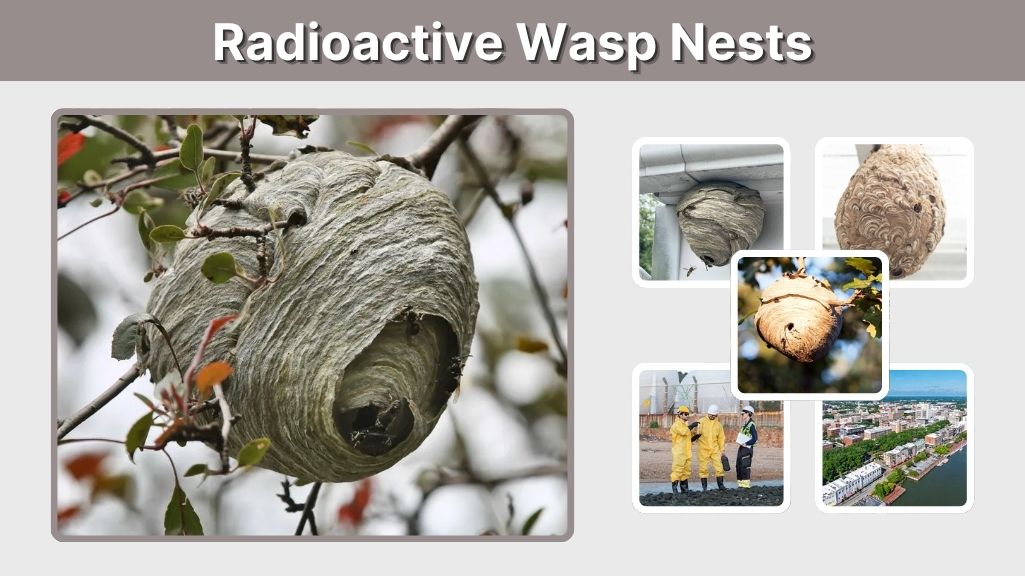
Radioactive wasp nests are a rare and unusual phenomenon that has drawn attention from scientists, environmentalists, and the public alike. These nests contain measurable radiation levels, often found near nuclear facilities or decommissioned weapons sites. While the radiation is usually low, it raises important questions about wildlife behavior, ecological impact, and potential human exposure. Understanding how and why these nests form, the risks they pose, and the methods used for detection helps researchers study both radiation spread and the fascinating adaptability of wasps in contaminated environments.
What Are Radioactive Wasp Nests?
A radioactive wasp nest is a typical paper wasp nest that has absorbed measurable levels of radiation. This can happen near nuclear facilities, waste storage areas, or contaminated soil. Scientists measure the radiation levels to determine potential hazards for humans and animals, and to study how radioactive particles may accumulate in wildlife structures.
How Radiation Enters Nests
- Residual radiation from soil or building materials
- Contamination from nearby nuclear or decommissioned weapons sites
- Bioaccumulation through insects visiting contaminated areas
Typical Radiation Levels
- Low vs. high radioactivity readings in nests
- Comparison with natural background radiation
- Scientific methods of measurement, such as Geiger counters and scintillation detectors
Radioactive Wasp Nests History of Discoveries
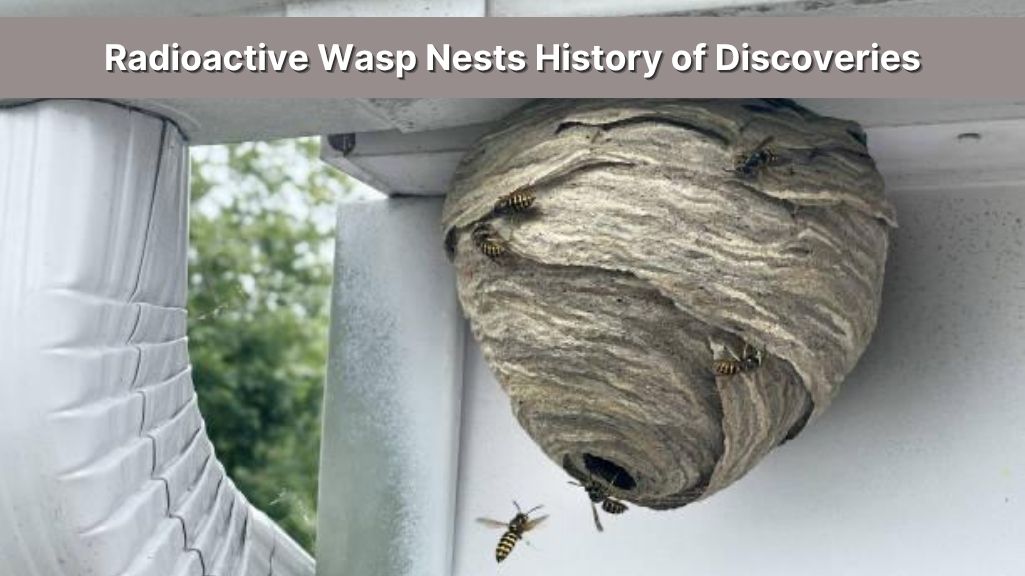
Reports of radioactive wasp nests are relatively rare but have occurred near several U.S. nuclear facilities. The most notable discoveries happened at the Savannah River Site in South Carolina. These discoveries help researchers track environmental contamination and assess how wildlife interacts with radioactive materials, providing insight into both ecological resilience and public safety.
Early Reports
- First known cases of nests with detectable radiation
- Initial studies focused on worker safety and environmental assessment
Modern Findings
- Savannah River Site: multiple nests found near storage buildings
- Measured radiation levels varied from slightly above background to highly radioactive
- Immediate response included isolation and monitoring of affected areas
Locations of Radioactive Wasp Nests
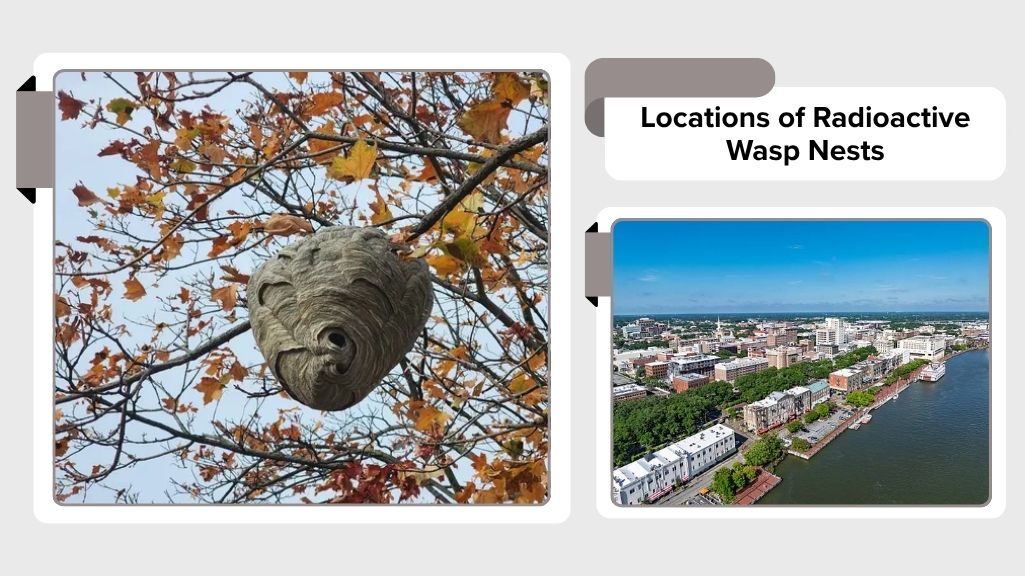
Most radioactive wasp nests are discovered near nuclear facilities, decommissioned weapons sites, or areas with residual radiation. While these locations are few, they provide critical insight into how radioactive particles interact with wildlife. South Carolina, particularly the Savannah River Site, has had multiple documented cases of nests containing radiation.
South Carolina Nuclear Facilities
- Savannah River Site: major discovery site
- Other state facilities with historical contamination
Other U.S. Sites
- Decommissioned weapons storage areas
- Sites with known soil or structural contamination
How Wasps Build Nests Near Radiation
Wasps are opportunistic nest builders that select sheltered areas near human structures or natural cavities. Occasionally, these areas overlap with contaminated sites, unintentionally leading to radioactive nests. The presence of radiation does not deter wasps, making their behavior useful for studying environmental radiation distribution and the movement of radioactive particles in ecosystems.
Wasps’ Nesting Habits
- Prefer wood, cardboard, or building material pulp
- Nesting in wall cavities, under eaves, or near machinery
- Attraction to protected, elevated areas that may overlap with contaminated zones
Radioactive Wasp Nests Risks and Safety Concerns
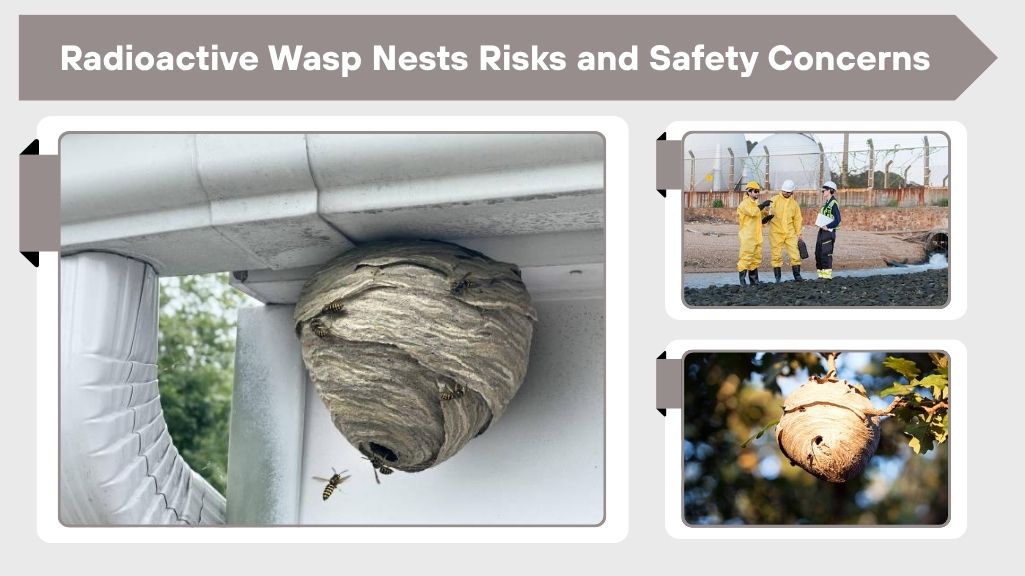
Radioactive wasp nests raise potential risks for humans and wildlife. Workers at nuclear sites may accidentally encounter highly radioactive nests, and animals interacting with these nests may ingest contaminated insects or materials. While generally low-risk, monitoring is essential to prevent prolonged exposure and ensure safety in affected areas.
Human Exposure
- Risk to site workers handling contaminated structures
- Precautions include protective clothing and restricted access
Wildlife Exposure
- Predators consuming wasps may ingest radioactive material
- Secondary contamination possible through ecological food chains
Radioactive Wasp Nests Detection and Monitoring
Scientists use specialized equipment and protocols to detect and monitor radioactive wasp nests. Regular scanning helps track radiation levels, assess potential environmental contamination, and ensure the safety of workers and nearby residents. Monitoring also provides data for research on wildlife adaptation to radioactive environments.
Tools and Equipment
- Geiger counters and scintillation detectors
- Dosimeters for long-term exposure tracking
- Radiation sampling from nest material
Monitoring Protocols
- Periodic inspections of high-risk areas
- Reporting procedures for new nests
- Coordination with environmental and safety agencies
Case Study: Savannah River Site Nests
The Savannah River Site in South Carolina is the most well-documented location for radioactive wasp nests. Workers discovered several nests containing radiation, prompting a scientific investigation into environmental contamination and wildlife interaction with radioactive areas. The site offers insight into both risk management and ecological study.
Discovery Details
- Multiple nests found near decommissioned storage buildings
- Radiation levels ranged from slightly above background to highly radioactive
- Workers alerted environmental safety teams
Response and Remediation
- Nests isolated and monitored to prevent human exposure
- Safety protocols enforced for nearby workers
- Environmental studies initiated to track contamination spread
Environmental and Scientific Implications
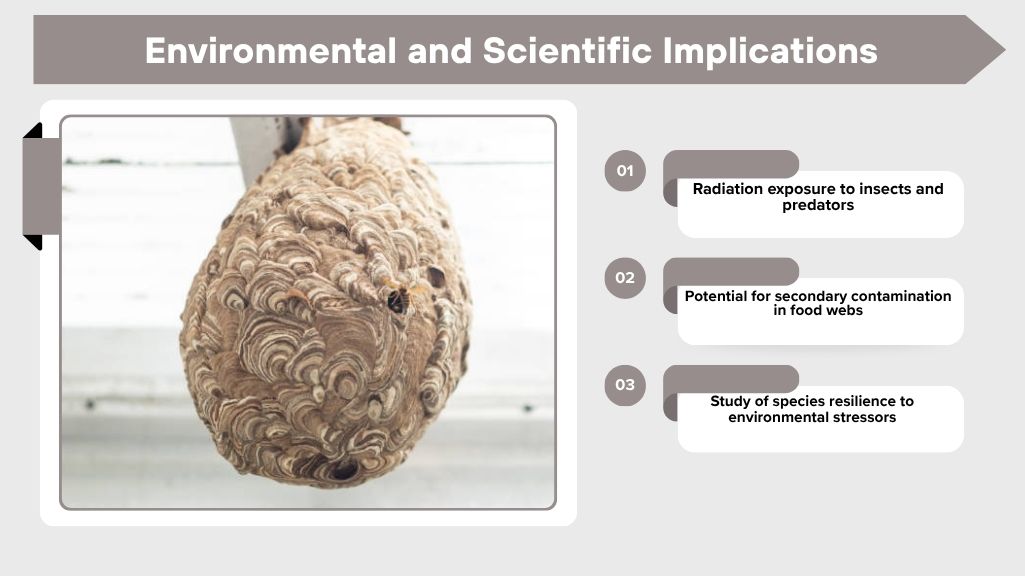
Radioactive wasp nests provide a unique opportunity to study radiation in wildlife and ecosystems. These nests demonstrate how animals can inadvertently interact with radioactive materials, offering insight into ecological adaptation, bioaccumulation, and the movement of radioactive particles through food chains.
Ecological Impact
- Radiation exposure to insects and predators
- Potential for secondary contamination in food webs
- Study of species resilience to environmental stressors
Scientific Research Opportunities
- Bioaccumulation patterns in insects
- Effects of radiation on wildlife behavior and reproduction
- Understanding long-term ecological consequences
Public Awareness and Media Reports
Media coverage of radioactive wasp nests has raised public curiosity and concern. While some reports exaggerate the dangers, scientific research provides factual information about risks, monitoring, and environmental impact. Educating the public is essential to prevent misinformation and promote understanding of the phenomenon.
Media Reports
- News coverage of Savannah River Site findings
- Differences between sensationalized headlines and scientific reports
Common Misconceptions
- Fear of “radioactive attacks” from wasps
- Clarifying actual radiation levels and risk
Safety Guidelines and Precautions
Individuals and workers near radioactive nests must follow safety protocols. Proper handling, reporting, and monitoring are essential to prevent unnecessary exposure. These guidelines help protect both humans and wildlife, while allowing researchers to safely study radioactive nests and their environmental implications.
Protective Measures
- Avoid disturbing nests directly
- Wear protective clothing when handling or near nests
- Maintain safe distances from contaminated zones
Reporting and Decontamination
- Immediate reporting to environmental or safety authorities
- Controlled removal or isolation of nests
- Regular monitoring after remediation
Conclusion
Radioactive wasp nests are a rare but fascinating phenomenon. They reveal the intersection of wildlife behavior and environmental radiation, highlighting the need for monitoring, safety measures, and public awareness. Ongoing research continues to uncover ecological insights and ensures that humans and animals can coexist safely near contaminated sites.
FAQs
What is a radioactive wasp nest?
A radioactive wasp nest is a typical paper nest that has accumulated measurable radiation, usually near nuclear facilities or contaminated areas. Radiation levels vary, and nests are monitored to prevent human or wildlife exposure.
How are radioactive nests detected?
Scientists use Geiger counters, scintillation detectors, and dosimeters to measure radiation levels in nests. Sampling and periodic inspections help track changes over time and assess environmental risk.
Are radioactive wasp nests dangerous to humans?
Generally, risk is low if proper safety protocols are followed. Workers near nuclear sites are trained to avoid direct contact and use protective gear to prevent exposure to highly radioactive nests.
Why do wasps build nests in radioactive areas?
Wasps select nesting sites based on shelter and accessibility, not radiation. Occasionally, this overlaps with contaminated areas. Radiation does not deter them, making their behavior useful for monitoring environmental contamination.
Where have radioactive wasp nests been found?
Most documented cases are in the U.S., particularly South Carolina near the Savannah River Site. Other decommissioned nuclear or weapons sites have reported nests, but these discoveries are rare.