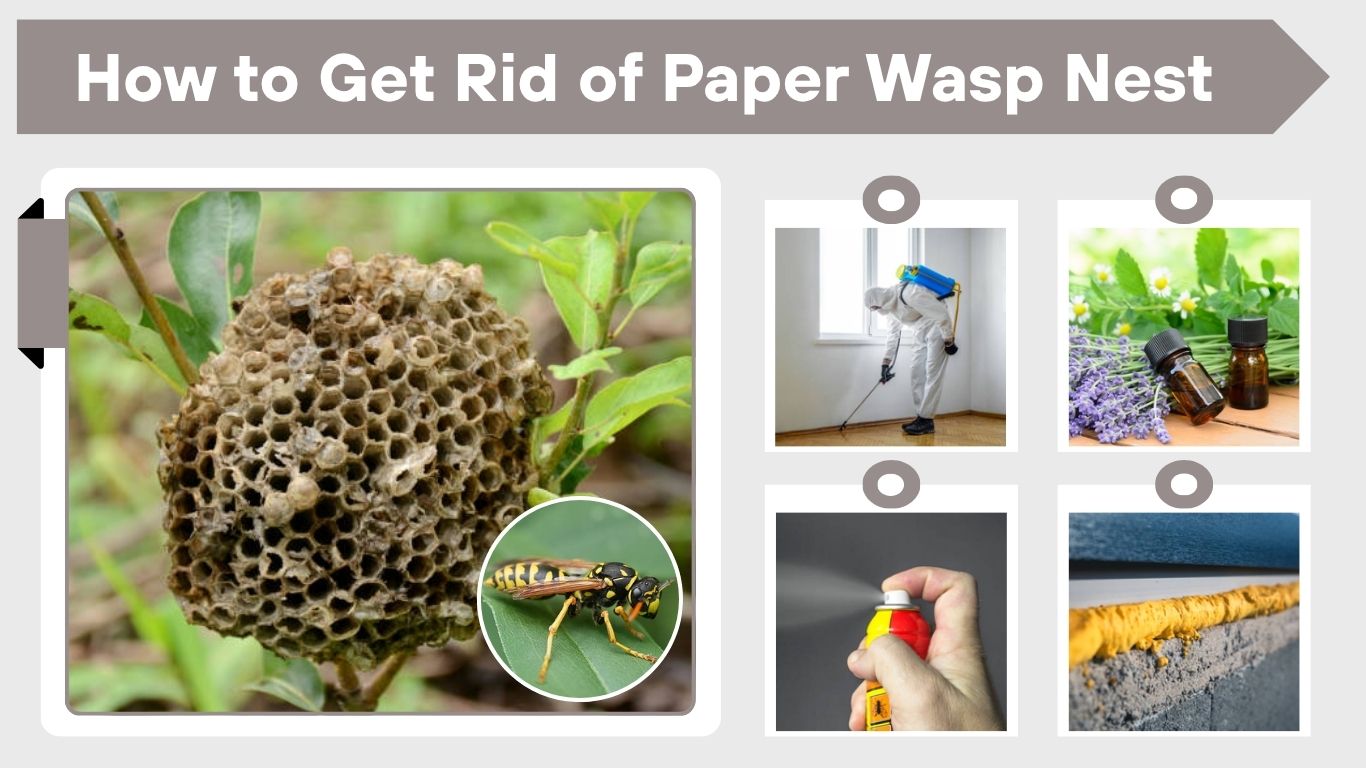
Paper wasp nests are commonly found around homes, trees, and outdoor structures, often causing concern due to the risk of painful stings. While these wasps are generally not aggressive, they will defend their nest if disturbed. Knowing how to safely and effectively remove a paper wasp nest is essential for protecting yourself and your surroundings. This guide explains when removal is necessary, the safest timing, and step-by-step methods to handle nests with confidence.
Should You Get Rid of a Paper Wasp Nest?
Not all paper wasp nests need to be removed. In many cases, they pose little risk if located away from human activity. However, when nests are close to frequently used areas, removal becomes important for safety and peace of mind.
When Removal Is Necessary
- Nest is near doors, windows, or walkways
- High chance of accidental disturbance
- Presence of children or pets nearby
When You Can Leave It Alone
- Nest is small or inactive
- Located far from living areas
- Late-season nests nearing natural decline
Is It Safe to Remove a Paper Wasp Nest?
Removing a paper wasp nest can be risky if done incorrectly. Wasps will defend their nest when they feel threatened, which may result in multiple stings. Safety depends on proper timing, preparation, and awareness of the nest size and location.
People who are allergic to stings or unsure about handling insects should avoid DIY removal. In such cases, professional pest control services are the safest option. Even for non-allergic individuals, caution and protective measures are essential when attempting removal.
Best Time to Get Rid of a Paper Wasp Nest

Choosing the right time significantly reduces the risk of being stung. Wasps are less active during certain periods, making removal safer and more manageable for homeowners.
Time of Day
- Nighttime is safest because wasps are less active
- Early morning is a secondary option
- Avoid midday when activity is highest
Seasonal Timing
- Early spring: nests are small and easier to remove
- Winter: safest if the nest is abandoned
- Summer: most dangerous due to peak colony size
How to Get Rid of a Paper Wasp Nest (Step-by-Step)

This section provides a practical approach to removing a paper wasp nest safely. Careful preparation and calm execution are key to minimizing risk during the process.
Preparation
- Wear long sleeves, gloves, and protective clothing
- Use a flashlight with reduced brightness to avoid disturbance
- Plan a clear and safe escape route
Removal Steps
- Approach the nest slowly at night
- Apply a wasp spray or suitable treatment
- Wait until all activity stops completely
- Remove the nest using a long tool
After Removal
- Dispose of the nest properly
- Clean the area to remove scent traces
- Monitor for signs of rebuilding
How to Get Rid of Small Paper Wasp Nests
Small paper wasp nests are usually found early in the season and are much easier to handle. Because the colony is still developing, there are fewer wasps to defend the nest, making removal less risky.
Best Approach
- Remove during early morning or night
- Use minimal force to detach the nest
- Ensure no active wasps remain
Why Early Removal Matters
- Prevents colony growth
- Reduces future risk
- Requires less effort and protection
How to Get Rid of Large Paper Wasp Nests

Large nests are more dangerous due to the higher number of wasps and their increased defensive behavior. Attempting to remove them without proper knowledge or equipment can lead to multiple stings and unnecessary risk.
Challenges of Large Nests
- More aggressive colony defense
- Higher number of active wasps
- Difficult access in some locations
Recommended Approach
- Use long-distance insecticide spray
- Avoid direct contact with the nest
- Consider hiring professional pest control
How to Get Rid of Paper Wasp Nest on House
Paper wasps often build nests on houses, especially under roof eaves or along exterior walls. These locations increase the likelihood of human interaction, making removal more urgent.
Safe Removal Tips
- Use a ladder carefully with stable support
- Maintain distance using spray tools
- Avoid sudden movements near the nest
Common Problem Areas
- Roof edges and corners
- Window frames
- Porch ceilings
How to Get Rid of Paper Wasp Nest in Tree
Removing a nest from a tree requires extra caution because movement can easily disturb the wasps. Maintaining distance and minimizing vibrations are key to a safe removal process.
Best Practices
- Avoid shaking branches
- Use extended tools or sprays
- Stand to the side rather than directly below
Safety Considerations
- Ensure clear escape path
- Watch for falling debris
- Avoid working in windy conditions
How to Get Rid of Paper Wasp Nests Naturally

Natural removal methods are a popular choice for those who prefer eco-friendly solutions. These approaches work best for small or early-stage nests and focus on deterrence rather than immediate elimination. While safer for the environment, they may require patience and repeated application to be effective.
Natural Removal Methods
- Soap and water spray to break down wasp protection
- Essential oils like peppermint or clove as deterrents
- Strong water spray for small, newly built nests
Limitations of Natural Methods
- Less effective on large or active nests
- May require multiple attempts
- Not ideal for high-risk locations
How to Get Rid of a Paper Wasp Nest Safely
Safety should always be the top priority when dealing with paper wasps. Even small mistakes can lead to stings, especially if the colony feels threatened. A careful and calm approach significantly reduces risks.
Key Safety Tips
- Always wear protective clothing
- Keep a safe distance from the nest
- Avoid removing nests during peak activity hours
- Stay calm and move slowly
Species-Specific Paper Wasp Nest Removal
Different types of paper wasps may behave slightly differently, but the general removal methods remain similar. However, understanding species-specific traits can help you take extra precautions when needed.
European Paper Wasp
- Slightly more aggressive than some species
- Common around homes and structures
Asian Paper Wasp
- Often nests in trees or shrubs
- Requires careful approach due to location
How to Prevent Paper Wasp Nests

Preventing nests is often easier than removing them. By taking early action and maintaining your surroundings, you can reduce the chances of wasps building nests near your home.
Prevention Tips
- Inspect eaves and corners regularly
- Remove small starter nests early
- Seal cracks and gaps in structures
- Keep outdoor areas clean
Conclusion
Getting rid of a paper wasp nest requires the right balance of timing, preparation, and safety awareness. While small nests can often be removed with simple DIY methods, larger or hard-to-reach nests may require professional help. Choosing the correct approach—whether chemical, natural, or preventive—can help you manage wasp problems effectively while minimizing risk. With proper knowledge and caution, you can keep your home safe and avoid future infestations.
FAQs
What is the easiest way to get rid of a paper wasp nest?
The easiest method is using a commercial wasp spray at night when wasps are less active. This approach quickly reduces activity and allows you to remove the nest safely afterward.
Can I remove a paper wasp nest without getting stung?
Yes, by working at night, wearing protective clothing, and keeping a safe distance, you can greatly reduce the risk of stings during removal.
How do you get rid of a paper wasp nest naturally?
Natural methods include soap and water sprays or essential oils. These are most effective for small nests and may require repeated use for full results.
Is it safe to remove a paper wasp nest in winter?
Yes, winter is the safest time because most nests are abandoned. There are usually no active wasps, making removal easy and risk-free.
Should I call a professional for wasp nest removal?
If the nest is large, difficult to access, or you are unsure about handling it, calling a professional is the safest and most effective option.