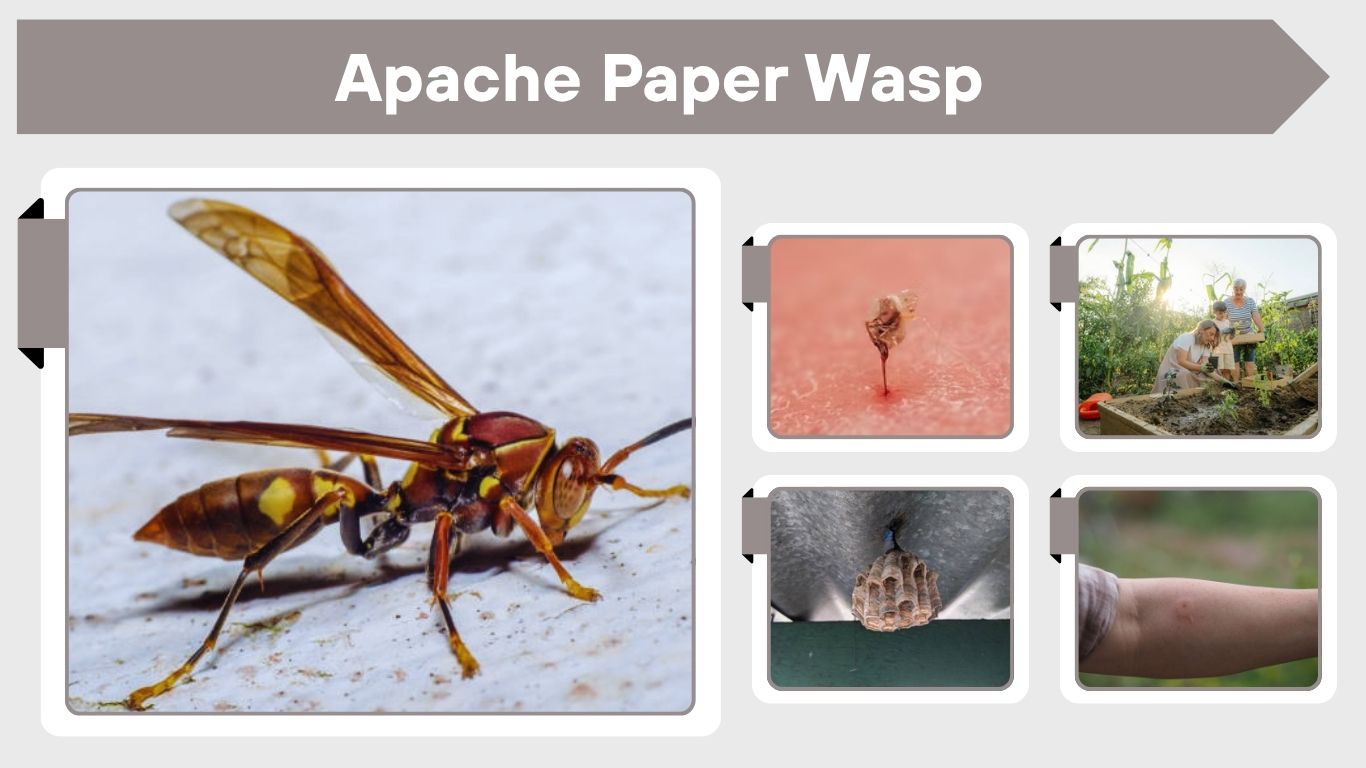
Apache paper wasps are a lesser-known but often feared type of paper wasp due to their painful sting and defensive behavior. Found in warm regions, they build open nests near homes and outdoor structures. While they are not naturally aggressive, encounters can happen when nests are disturbed. Understanding how to identify these wasps, how dangerous they are, and how they compare to other species can help you stay safe and avoid unnecessary panic.
What Is an Apache Paper Wasp?
Apache paper wasps belong to the Polistes genus, a group known for their slender bodies and open-comb nests. These wasps play an important ecological role by controlling insect populations. Despite their intimidating reputation, they are generally focused on survival and colony protection rather than attacking humans.
Species Characteristics
- Member of the paper wasp family
- Builds umbrella-shaped nests
- Common in warmer climates
Behavior Overview
- Social insect with a queen and workers
- Defends nest when threatened
- Active during warmer months
What Does an Apache Paper Wasp Look Like?
Identifying an apache paper wasp can be challenging because it closely resembles other paper wasp species. However, subtle differences in body shape, coloration, and movement can help distinguish it from similar insects.
Body Structure
Apache paper wasps have a slender, elongated body with a narrow waist connecting the thorax and abdomen. Their long legs often hang down while flying, giving them a distinctive appearance in motion.
Color and Markings
Their coloration typically ranges from dark reddish-brown to black, sometimes with faint striping. These tones may vary slightly depending on the region, but they generally appear darker than many common paper wasps.
Apache Paper Wasp Nest

Apache paper wasps build simple but effective nests that are easy to recognize. These nests are made from chewed wood fibers mixed with saliva, forming a paper-like material. Unlike enclosed nests, their structure is open, exposing the hexagonal cells where larvae develop.
Nest Appearance
- Open, umbrella-shaped comb
- No outer covering
- Visible hexagonal cells
Common Nest Locations
- Under roof eaves
- Tree branches
- Sheds and outdoor structures
Apache Paper Wasp Sting

The sting of an apache paper wasp is one of the main reasons people search for this insect. While not the most dangerous, it is known for being particularly painful compared to many other common wasps.
How Painful Is the Sting?
The sting produces an immediate sharp, burning sensation that can feel intense for several minutes. Pain levels vary depending on individual sensitivity, but many describe it as significantly more painful than a typical paper wasp sting.
Common Symptoms
After the initial sting, symptoms usually include localized swelling, redness, and irritation. These effects are temporary and typically subside within a few hours, although mild discomfort may last longer in some cases.
Are Apache Paper Wasps Dangerous?
Apache paper wasps are often misunderstood when it comes to danger. They are not inherently aggressive and do not seek out humans to sting. However, they will defend their nest if they feel threatened. Their ability to sting multiple times increases the risk during close encounters, especially if the nest is disturbed.
For most people, a sting results in short-term pain and swelling. However, individuals with allergies to wasp venom may experience severe reactions, making caution important when dealing with any wasp species.
Apache Paper Wasp vs Regular Paper Wasp

This comparison helps clarify how apache paper wasps differ from more common paper wasps. While they share many similarities, certain traits make apache paper wasps stand out.
Key Differences
- Apache wasps are often darker in color
- Sting is generally reported as more painful
- Slight variation in body robustness
Behavioral Comparison
- Both species are defensive near nests
- Similar social structure and roles
- Comparable nesting habits and locations
Apache Paper Wasp vs Executioner Wasp
This section explores the comparison between apache paper wasps and one of the most feared wasps—the executioner wasp. While both are known for painful stings, their intensity and reputation differ.
Sting Comparison
Executioner wasps are often considered to have one of the most painful insect stings. Apache paper wasps also deliver a strong sting, but it is generally less intense than that of the executioner wasp.
Behavior and Threat Level
Both species are defensive rather than aggressive. However, executioner wasps are often perceived as more intimidating due to their size and sting reputation.
Why Is the Apache Paper Wasp Sting So Painful?
The sting of an apache paper wasp feels intense because of the way its venom interacts with the body. The venom is designed as a defense mechanism, targeting nerve endings and causing immediate discomfort. This sharp reaction helps deter predators quickly. While the pain can feel severe at first, it usually fades within a short period unless complications such as allergies occur.
Venom Effects
The venom triggers a rapid response in the skin, leading to a burning sensation and localized inflammation. This is a natural reaction and part of the body’s defense system against foreign substances.
Pain Duration
Most people experience strong pain for a few minutes, followed by mild irritation or itching. The duration depends on individual sensitivity and the location of the sting.
How to Avoid Apache Paper Wasp Stings

Avoiding stings is often easier than dealing with them. With a little awareness and precaution, you can significantly reduce the chances of encountering these wasps or triggering defensive behavior.
Simple Safety Tips
- Avoid disturbing visible nests
- Move slowly if a wasp is nearby
- Wear protective clothing in high-risk areas
Environmental Awareness
- Inspect common nesting spots regularly
- Keep outdoor areas clean and undisturbed
- Remove early nests carefully before they grow
What to Do If You Get Stung
Knowing how to respond quickly to a sting can help reduce pain and prevent complications. Most stings are manageable at home with basic first aid and observation.
Immediate Care
Clean the sting area gently with soap and water to reduce the risk of infection. Applying a cold compress can help minimize swelling and ease discomfort.
Monitoring Symptoms
Watch for unusual reactions such as severe swelling, dizziness, or difficulty breathing. These may indicate an allergic reaction and require immediate medical attention.
Where Are Apache Paper Wasps Found?

Apache paper wasps are typically found in warm and temperate regions where conditions support their nesting and feeding habits. They prefer quiet, sheltered environments that provide protection from weather and predators.
These wasps are commonly seen around homes, gardens, and wooded areas. Their ability to adapt to human structures makes encounters more likely, especially during warmer months when colonies are active and growing.
Conclusion
Apache paper wasps are often feared because of their painful sting, but they are not naturally aggressive insects. Understanding their behavior, identifying their nests, and taking simple precautions can greatly reduce the risk of negative encounters. While their sting can be uncomfortable, it is usually harmless for most people. By staying aware and respectful of their space, you can safely coexist with these insects and avoid unnecessary conflict.
FAQs
How painful is an apache paper wasp sting?
The sting is considered very painful, often described as a sharp burning sensation. While it may feel intense at first, the pain usually subsides within a short time, followed by mild swelling or irritation.
Are apache paper wasps aggressive?
They are not naturally aggressive but will defend their nest if threatened. Most stings occur when people accidentally disturb their nesting area or get too close.
Can apache paper wasps sting multiple times?
Yes, they can sting multiple times because they do not lose their stinger. This makes it important to move away quickly if a wasp becomes defensive.
Where do apache paper wasps build nests?
They typically build open-comb nests under eaves, on tree branches, or on outdoor structures where there is shelter and minimal disturbance.
Are apache paper wasps more dangerous than other wasps?
They are not significantly more dangerous, but their sting is often described as more painful than that of common paper wasps. The level of risk depends on individual sensitivity and allergic reactions.