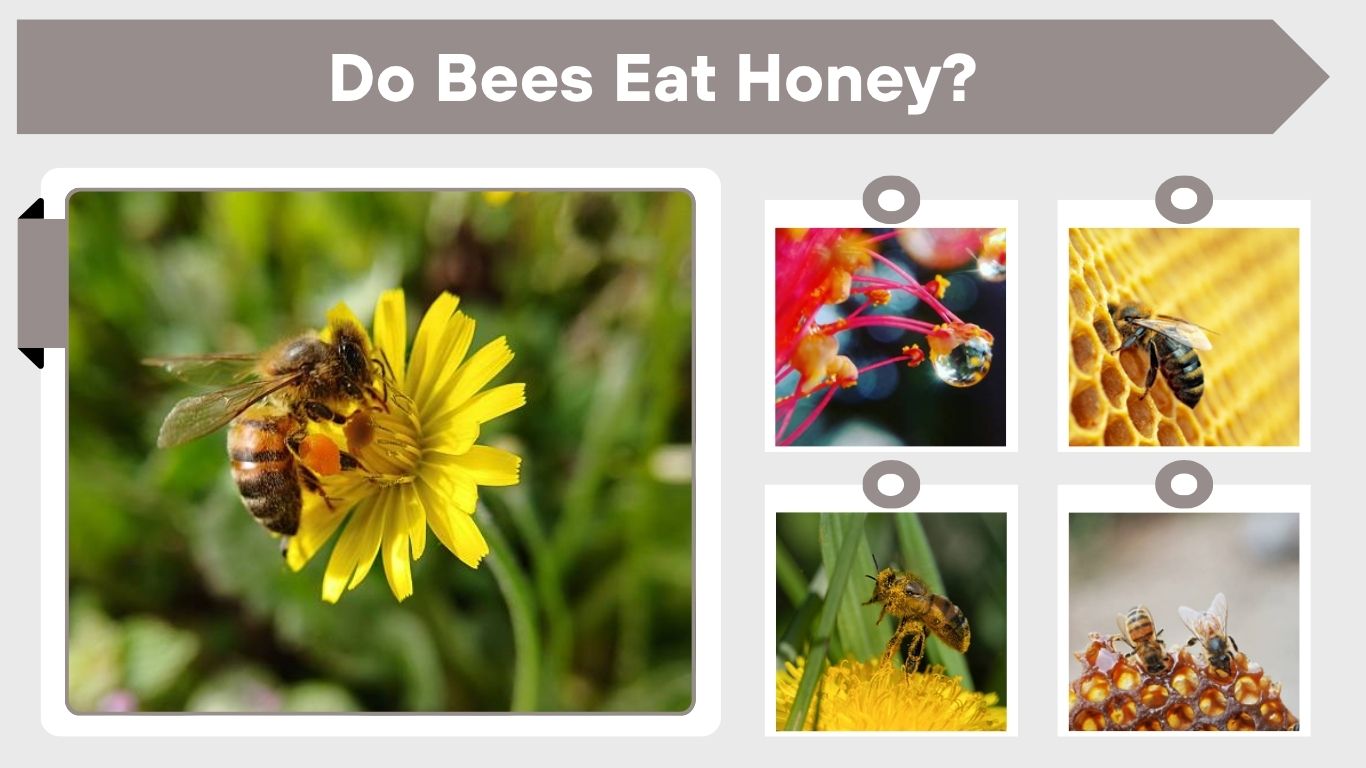
Bees are widely known for producing honey, but many people wonder whether they actually eat it or simply store it. The truth is that honey plays a central role in a bee’s survival. It is not just a sweet byproduct but a vital food source that fuels their daily activities and sustains the colony during harsh seasons. Understanding what bees eat, why they make honey, and how their diet works can help clear up common misconceptions and highlight their importance in nature.
Do Bees Eat Honey?
Bees absolutely eat honey, and it is one of the most important parts of their diet. While they are famous for producing honey, they do not make it just for humans to harvest. Honey serves as a long-term energy reserve that helps the entire colony survive when food is scarce. This is especially important during colder months when flowers are not available.
Why Bees Depend on Honey
- Honey provides carbohydrates needed for energy
- Worker bees use it to fuel flight and daily tasks
- It sustains the colony when nectar is unavailable
Do Bees Eat Their Own Honey?
- Yes, bees consume the honey they produce
- It is stored specifically for their survival
- Colonies rely on it heavily during winter
What Do Honey Bees Eat?

Honey bees have a balanced diet that goes beyond just honey. They depend on different natural sources to meet their nutritional needs. Each component of their diet plays a unique role in keeping the colony healthy and functioning properly.
Nectar as an Energy Source
- Collected from flowers and converted into honey
- Provides immediate energy for bees
- Essential for honey production
Pollen for Growth and Health
- Rich in protein, fats, and vitamins
- Used to feed larvae and young bees
- Supports overall colony development
Water and Its Role
- Helps regulate hive temperature
- Aids digestion of food
- Necessary for mixing with stored honey
Why Do Bees Make Honey?
Honey production is not accidental—it is a carefully evolved survival strategy. Bees collect nectar and transform it into honey so they can store food for future use. This ensures that the colony has enough energy even when flowers are no longer blooming.
Honey acts as a reliable food reserve during times of scarcity, such as winter or drought. Without it, entire colonies would struggle to survive. The process of making honey also helps preserve nectar, preventing it from spoiling and allowing bees to store it for long periods.
Do Bees Eat Honey or Pollen?

Bees need both honey and pollen because each serves a different purpose in their diet. Honey mainly provides energy, while pollen supports growth and development. Together, they create a balanced diet that keeps the colony strong and productive.
Role of Honey in the Diet
- Supplies carbohydrates for energy
- Fuels flying and foraging activities
- Keeps adult bees active
Role of Pollen in the Diet
- Provides protein for growth
- Essential for feeding larvae
- Supports immune health
Do Bees Eat Honey in the Winter?
During winter, bees cannot rely on fresh nectar because flowers are not available. Instead, they depend entirely on the honey they stored earlier in the year. This stored honey becomes their main food source and is critical for survival.
Bees stay inside the hive and form a cluster to keep warm. They consume honey slowly to maintain energy and generate heat. If the honey supply runs out before winter ends, the colony may not survive. This is why honey storage is so important for bees and why responsible beekeeping ensures enough is left for them.
What Happens If Humans Take Honey?
When humans harvest honey, they are removing part of the bees’ food supply. This can affect the colony if not done carefully. Responsible beekeepers understand this and make sure to leave enough honey behind so bees can survive, especially during winter. In some cases, beekeepers provide sugar syrup as a substitute, but it does not fully replace the nutritional value of natural honey.
How Beekeepers Protect Bee Colonies
- Leave sufficient honey for seasonal needs
- Harvest only surplus honey
- Provide supplemental feeding when necessary
Risks of Taking Too Much Honey
- Bees may face starvation
- Colony health can weaken
- Winter survival becomes difficult
Do Bees Eat Anything Other Than Honey?

Although honey is a major part of their diet, bees consume other natural substances that help them stay healthy. Their feeding habits are strictly based on plant-based sources, and they do not behave like predators.
Other Foods Bees Consume
- Nectar from flowers for immediate energy
- Pollen for protein and nutrients
- Water for hydration and cooling
What Bees Do NOT Eat
- Meat or insects
- Wood (carpenter bees only drill it)
- Artificial human foods naturally
How Do Bees Eat Honey?

Bees have a specialized feeding system that allows them to consume liquid food efficiently. They use a long, tube-like tongue called a proboscis to suck up honey and nectar. Since bees cannot chew solid food, everything they eat must be in liquid form.
Once consumed, honey is processed inside their bodies to release energy. Sometimes bees dilute honey with water before eating it, making it easier to digest. This efficient feeding method allows them to quickly convert stored honey into usable energy for flying, working, and maintaining the hive.
Animals That Eat Honey Bees

Honey bees are small but important creatures in the ecosystem, and many animals prey on them. These predators can attack individual bees or entire hives, depending on the species.
Birds That Eat Bees
- Swallows and martins catch bees mid-air
- Blue jays and sparrows occasionally feed on bees
- Woodpeckers may attack hives for larvae
Insects That Attack Bees
- Wasps and hornets prey on bees
- Yellow jackets invade hives
- Praying mantises catch bees on flowers
Mammals and Other Predators
- Bears destroy hives to eat honey and larvae
- Honey badgers raid colonies
- Frogs, lizards, and spiders catch bees opportunistically
Do Bees Eat Other Insects?
Honey bees are not hunters and do not eat other insects. They are herbivores, meaning their diet comes entirely from plant-based sources like nectar and pollen. Their body structure and behavior are designed for collecting food from flowers rather than chasing prey.
There are rare exceptions in nature, such as certain tropical bee species that feed on animal matter, but these are not typical honey bees. In general, honey bees rely completely on plant resources and stored honey for their survival.
FAQs
Do bees only eat honey?
No, bees eat both honey and pollen. Honey provides energy, while pollen supplies protein and essential nutrients needed for growth and development within the colony.
Do bees eat the honey they make?
Yes, bees consume the honey they produce. It is stored as a food reserve and used when fresh nectar is not available.
Why do bees make honey if they eat it?
Bees make honey to store food for the future. It helps them survive during winter and times when flowers are scarce.
Do bees eat honey in the winter?
Yes, honey is their primary food during winter. They depend entirely on stored honey to stay alive and maintain warmth inside the hive.
Do all bees eat honey?
No, only honey bees produce and eat honey. Most other bee species rely on nectar and pollen and do not store honey in large amounts.