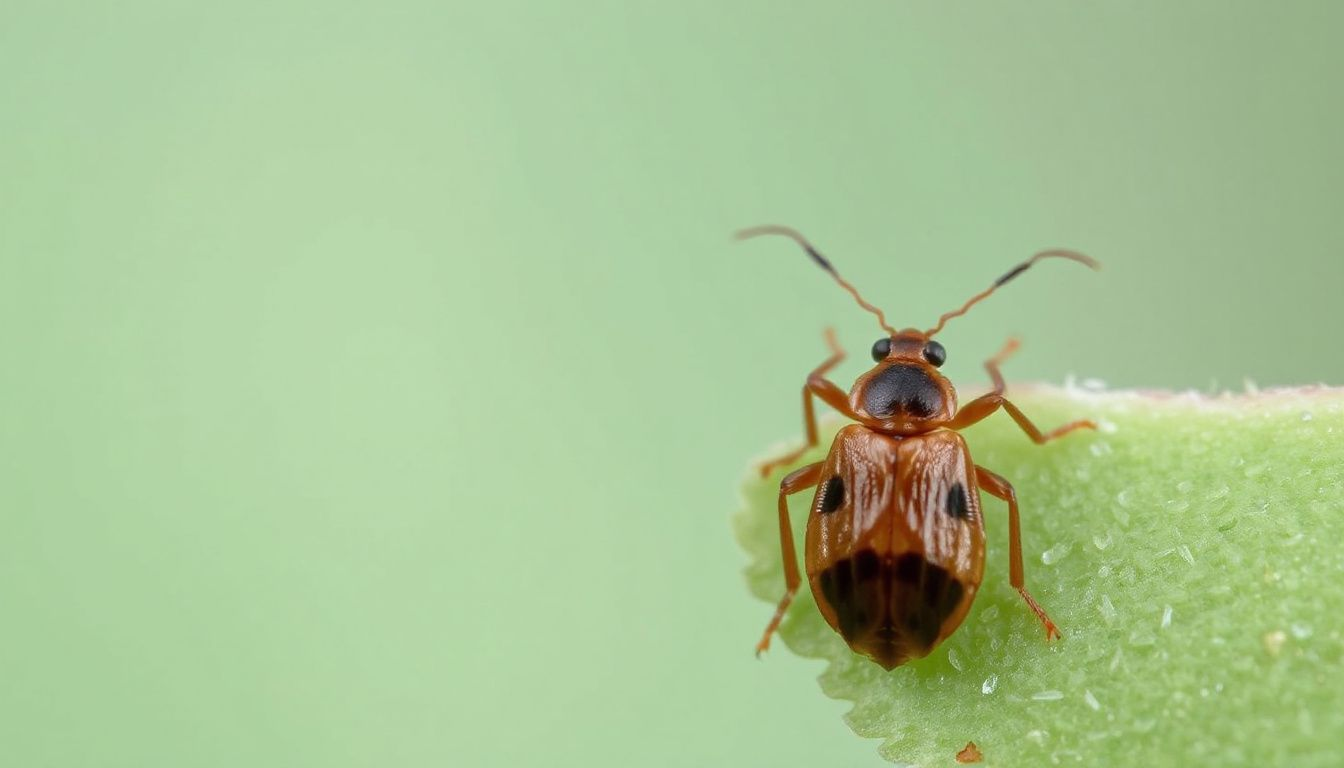
bed bugs actual size chart is the fastest way I know to turn “Is this a bed bug?” into a confident yes or no. When you’re staring at a tiny speck on a sheet, your brain fills in the gaps—usually with panic. I’ve been there, flashlight in hand, second-guessing everything that moves.
Size is one of the few clues you can verify without lab gear, and it pairs well with shape, color, and where you found the bug. I use a simple chart to keep my eyes honest, then I confirm with a couple of quick checks.
Look, you don’t need to become an entomologist. You just need a repeatable way to compare what you see to what’s normal for bed bugs at each life stage.
Why I rely on a bed bugs actual size chart (and when I don’t)
I rely on a size chart because bed bugs change dramatically from egg to adult, and that change affects where they hide and how easy they are to spot. Size also helps me avoid common misreads, like mistaking lint or a carpet beetle larva for a nymph.
That said, I don’t use size alone when the specimen is crushed, bloated from feeding, or partially missing. A fed adult can look wider and longer than an unfed one, and a smeared bug can “measure” bigger than reality.
My rule: I use size as a first filter, then I confirm with these traits:
- Body shape: flat and oval when unfed, more elongated after feeding
- Legs/antennae: visible, forward-facing antennae
- Location: seams, cracks, and near sleeping areas
My quick-reference bed bug size chart: eggs, nymphs, adults
This is the chart I keep in my head. It’s not about perfect millimeters; it’s about a tight range that makes identification practical at home. If your “bug” is way outside these sizes, I start suspecting a lookalike.
|
Life stage |
Typical size |
Everyday comparison |
|---|---|---|
|
Egg |
~1 mm |
Pinhead / tiny grain of salt |
|
Nymph (1st–5th) |
~1.5–4.5 mm |
Poppy seed to small sesame seed |
|
Adult |
~5–7 mm |
Apple seed |
If I’m seeing multiple sizes in one room—especially tiny nymphs plus adults—I assume active breeding, not a one-off hitchhiker.
What bed bugs look like at each size (color, shape, movement)
Eggs are pearly white and slightly elongated, often cemented into seams or rough fabric. At ~1 mm, they’re easy to miss unless you’re looking at a cluster with a strong light.
Nymphs are the trickiest. Early nymphs can look almost translucent, and after feeding they turn brighter red because the blood shows through. They move like small, deliberate crawlers—no jumping, no flying.
Adults are flat, oval, and brown to reddish-brown. Unfed adults look “pancaked,” while fed adults look more swollen and elongated. If I see a bug that jumps, I stop thinking bed bug and start thinking flea.
How I measure bed bugs accurately at home (no fancy tools)
I don’t eyeball measurements in midair. I place the specimen on a white index card or paper, then compare it to something with a known size. The goal is consistency, not perfection.
Here’s my quick home method:
- Use a phone photo: zoom in after you shoot, not before
- Add a scale: a credit card edge, a ruler, or a coin in the same photo
- Use strong side lighting: it reveals the oval outline and legs
Practical example: I once found a “tiny bed bug” on a pillowcase. I photographed it beside a dime, then zoomed in and realized it was under 2 mm and had a fuzzy body. That pushed me to check lookalikes—and it turned out to be a carpet beetle larva, not a bed bug.
Common lookalikes that fooled me: size-by-size comparisons
Most false alarms happen because people match “small brown bug” and stop there. I compare size plus movement plus body texture. Bed bugs are smooth and oval; many lookalikes are hairy, cylindrical, or jumpy.
|
Looks like |
Typical size |
How I tell it apart |
|---|---|---|
|
Flea |
~1.5–3.5 mm |
Jumps; laterally compressed body |
|
Carpet beetle larva |
~2–5 mm |
Hairy/bristly; slow; often near baseboards |
|
Booklouse |
~1–2 mm |
More slender; favors damp areas and paper |
If the bug is shiny-black, round, or clearly winged, I move on. That’s not a typical bed bug profile.
Where I search based on size: hiding spots by life stage
Size tells me how tight a crack can be and how close to the host the bug is likely to stay. Smaller stages can wedge into thinner seams and rough fabric, so I start with the bed before I chase the rest of the room.
My size-based search pattern:
- Eggs/nymphs: mattress seams, tag folds, box spring staples, headboard joints
- Adults: bed frame cracks, screw holes, behind headboard, nightstand seams
- Mixed sizes: expand to couch seams, curtain hems, and baseboards near the bed
If I’m only finding adults away from the bed, I consider whether they were transported (luggage, used furniture) rather than established in the mattress.
What size tells me about the infestation (timeline and spread)
Seeing only one adult doesn’t prove an infestation, but it raises the risk. Seeing multiple sizes is a stronger signal because it suggests eggs have hatched and nymphs are feeding and molting.
Here’s how I interpret size patterns:
- Only adults: possible early introduction or recent hitchhiker
- Adults + nymphs: active feeding and reproduction likely
- Eggs present: established harborage nearby, not just a traveler
Spread risk goes up when I find bugs in more than one sleeping area. Multiple rooms plus mixed sizes usually means it’s time to stop DIY-only guessing and start structured control.
My next steps after confirming size: cleaning, isolation, and pro help
Once I’m confident the size and shape match bed bugs, I switch from inspection mode to containment. The goal is to reduce bites, prevent spread, and create conditions where treatment actually works.
My immediate checklist:
- Isolate the bed: pull it from the wall, remove bed skirt, interceptors on legs
- Heat and bag: dry bedding/clothes on high heat, seal in clean bags
- Vacuum smart: seams and cracks, then empty into a sealed bag outside
I call a licensed pest pro when I see eggs, multiple nymph sizes, or activity beyond one room. Pros can confirm ID and use targeted treatments safely, which matters if you have kids, pets, or asthma triggers.
What This Means for You
If you’re unsure what you found, a bed bug size chart gives you a calm starting point. Measure or photograph the bug with a known scale, then check for the oval, flat body and crawling movement that fit bed bugs.
When the size falls into the egg/nymph/adult ranges and you’re finding more than one stage, treat it as a real problem, not a maybe. Act fast, but act cleanly: isolate, heat-treat fabrics, and avoid spreading items room to room.
If your evidence includes eggs, multiple life stages, or bugs in multiple rooms, I’d escalate to professional help. That’s usually the shortest path to a verified diagnosis and a controlled outcome.