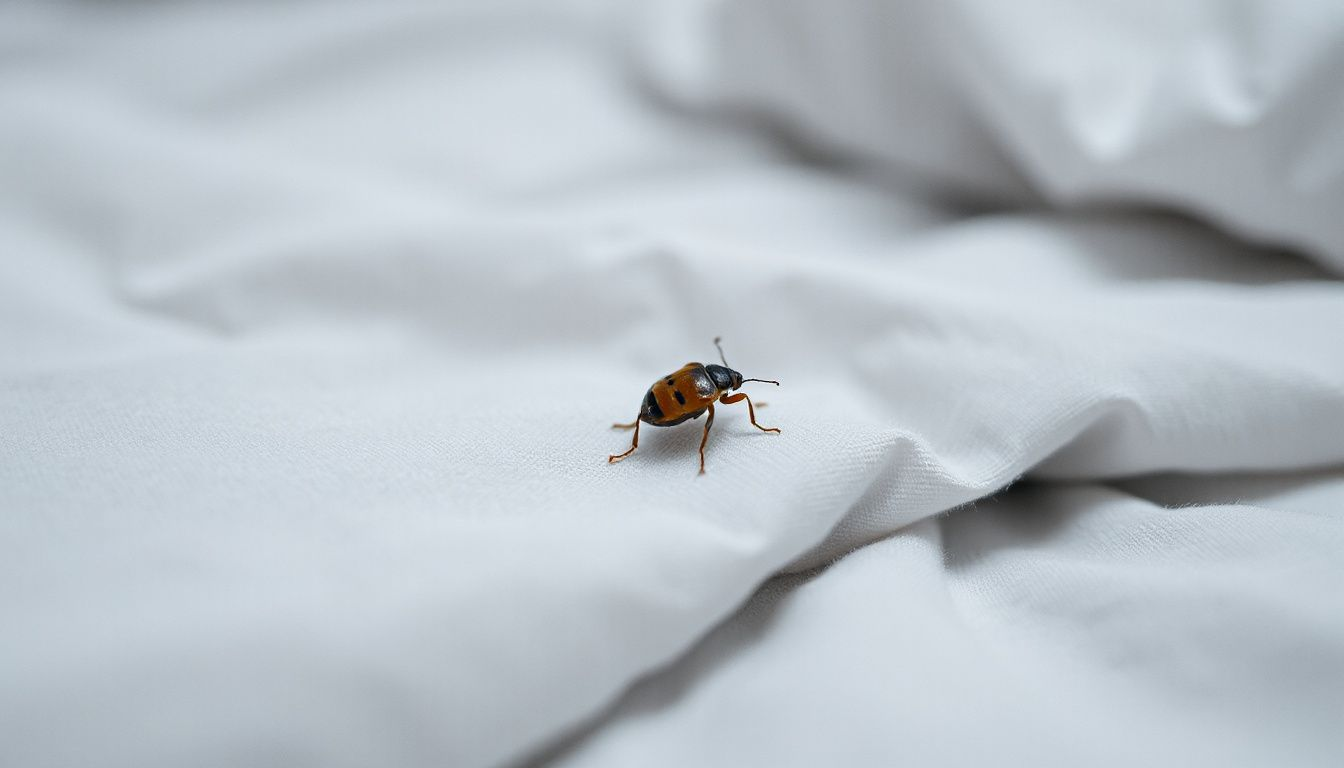
what kills bed bugs and their eggs isn’t a mystery once you separate myths from methods that actually reach the hiding spots. I’ve dealt with bed bug jobs where people tried “natural sprays” for weeks and only made the infestation spread. Bed bugs are tough, their eggs are tougher, and the winning approach is usually a mix of heat, targeted chemicals, and disciplined follow-through.
I’m writing this for beginners who want clear, safe steps without guesswork. I’ll show you how I confirm it’s really bed bugs, what reliably kills adults and eggs, and how I structure a plan that prevents the classic rebound two weeks later. If you want the fastest path to relief, start with confirmation, then commit to one complete strategy.
How I Confirm It’s Bed Bugs (and Not Something Else)
I never start treatment until I’m confident it’s bed bugs, because fleas, carpet beetles, and mosquitoes lead people down the wrong path. Bed bug bites can look like anything, so I focus on physical evidence. I use a flashlight, a thin card, and patience.
Here’s what I look for in priority order:
- Live bugs in mattress seams, headboards, and bed frame joints
- Black ink-like fecal spots on fabric, wood, or paint near the bed
- Shed skins (pale, papery shells) in cracks and folds
- Eggs (tiny, white, glued into crevices) clustered near harborages
If I’m unsure, I place interceptor traps under bed legs for 7–10 nights. That gives me proof without spraying blindly.
What Actually Kills Bed Bugs and Their Eggs: The Non-Negotiables
Bed bugs die when a method either hits lethal temperature thresholds or uses a product proven to work on bed bugs. Eggs are the hard part: many sprays kill adults but don’t penetrate eggs well. That’s why I plan for at least two “kill events,” not one.
These are my non-negotiables for results:
- Direct contact with heat/steam or a labeled insecticide where bugs hide
- Residual protection (dusts or residual sprays) in cracks and voids
- Re-treatment timing to catch newly hatched nymphs (often 7–14 days)
Look, if you only treat what you can see, you’ll miss the majority. Bed bugs live in seams, screw holes, baseboards, and behind outlets.
Heat: The Fastest Way I’ve Seen to Kill Bugs and Eggs
Heat is the quickest reliable answer I’ve seen because it kills adults and eggs when done correctly. Whole-room heat treatments are typically run by pros using heaters and sensors to keep lethal temps long enough. DIY “turn up the thermostat” doesn’t cut it and can be unsafe.
For DIY heat, I focus on controlled, localized options:
- Clothes dryer on high heat for bagged fabrics (often 30–60 minutes after reaching full heat)
- Portable heat chamber for luggage and small items (follow the device’s validated cycle)
- Steam on seams and cracks (slow passes so heat transfers)
Practical example: I had a client who kept re-infesting from a suitcase. We ran the suitcase through a portable heat chamber cycle, dried all travel clothes on high, then encased the mattress. That single “heat-first” move stopped the loop.
Cold Treatment: When Freezing Works (and When It Doesn’t)
Freezing can work, but it’s less forgiving than heat. Household freezers vary, and bulky items insulate the bugs. If the core of the item doesn’t reach a lethal temperature long enough, eggs can survive and you’ll think it “did nothing.”
I use freezing for specific items only:
- Small objects that can sit undisturbed in a freezer
- Items that can’t be heated (some plastics, waxy products)
- Sealed bags to prevent moisture and cross-contamination
When I don’t use it: mattresses, couches, or thick piles of clothing. Also, outdoor “winter freezing” is unreliable because temperatures fluctuate and sheltered spots stay warmer.
Chemicals That Work on Adults vs Eggs: What I Use Carefully
Chemicals can be effective, but I treat them as precision tools, not a fog-and-hope solution. Most over-the-counter foggers don’t reach harborages and can push bugs deeper. I stick to products labeled for bed bugs and I follow the label exactly.
My practical approach:
- Residual sprays for cracks/crevices and bed frame joints (kills nymphs as they emerge)
- Desiccant dusts (silica gel or diatomaceous earth labeled for bed bugs) in voids and wall gaps
- Contact killers (like alcohol-based products) only for visible bugs, never as the main plan
Egg reality: many products don’t “kill eggs on contact” reliably. That’s why I plan a follow-up treatment window and use residuals that catch hatchlings.
Non-Chemical Tools I Rely On: Vacuuming, Steam, and Encasements
Non-chemical tools are where I see beginners win fast—because they reduce the population immediately and remove hiding places. The key is technique. A rushed vacuum pass won’t pull bugs from seams, and sloppy steaming can scatter them.
My core toolkit:
- HEPA vacuum with a crevice tool for seams, tufts, baseboards, and bed frames
- Steamer (low vapor, high heat) moved slowly across seams and cracks
- Mattress/box spring encasements to trap survivors and remove hiding spots
After vacuuming, I immediately seal and discard the vacuum bag (or empty the canister into a sealed bag). Encasements stay on for the long haul, not a week.
My Step-by-Step Plan to Finish the Job and Prevent Comebacks
I use a simple sequence: contain, kill, protect, and verify. Skipping the verification step is why people think bed bugs “came back out of nowhere.” They didn’t. They survived.
- Contain: reduce clutter, bag linens/clothes, keep items from moving room to room
- Kill fast: dryer/heat chamber for fabrics and travel items; vacuum and steam the bed zone
- Protect: encase mattress/box spring; install interceptors; apply residuals/dusts where appropriate
- Re-check: inspect and re-treat on a schedule (commonly 7–14 days) to catch hatchlings
Now the prevention piece: I keep the bed isolated (no bedding touching the floor), avoid used furniture without inspection, and treat luggage as “dirty” until heat-processed after travel.
60-Second Recap
If you’re trying to figure out what kills bed bugs and their eggs, I’d bet your success comes down to two things: using methods that reach hidden harborages and repeating the process to catch hatchlings. Heat (professional room heat, dryers, steam, heat chambers) is the fastest egg-and-bug killer when done correctly. Freezing can work for small items but fails on bulky, insulated objects.
Chemicals help most when they’re bed-bug-labeled, placed precisely, and paired with follow-up timing rather than one-and-done spraying.
- Confirm with signs (bugs, spots, skins, eggs), not bites alone
- Use heat for fabrics and targeted steam for seams and cracks
- Use residuals/dusts to catch newly hatched nymphs
- Encasements + interceptors reduce hiding and prove progress
- Re-check and re-treat on schedule to prevent rebounds