

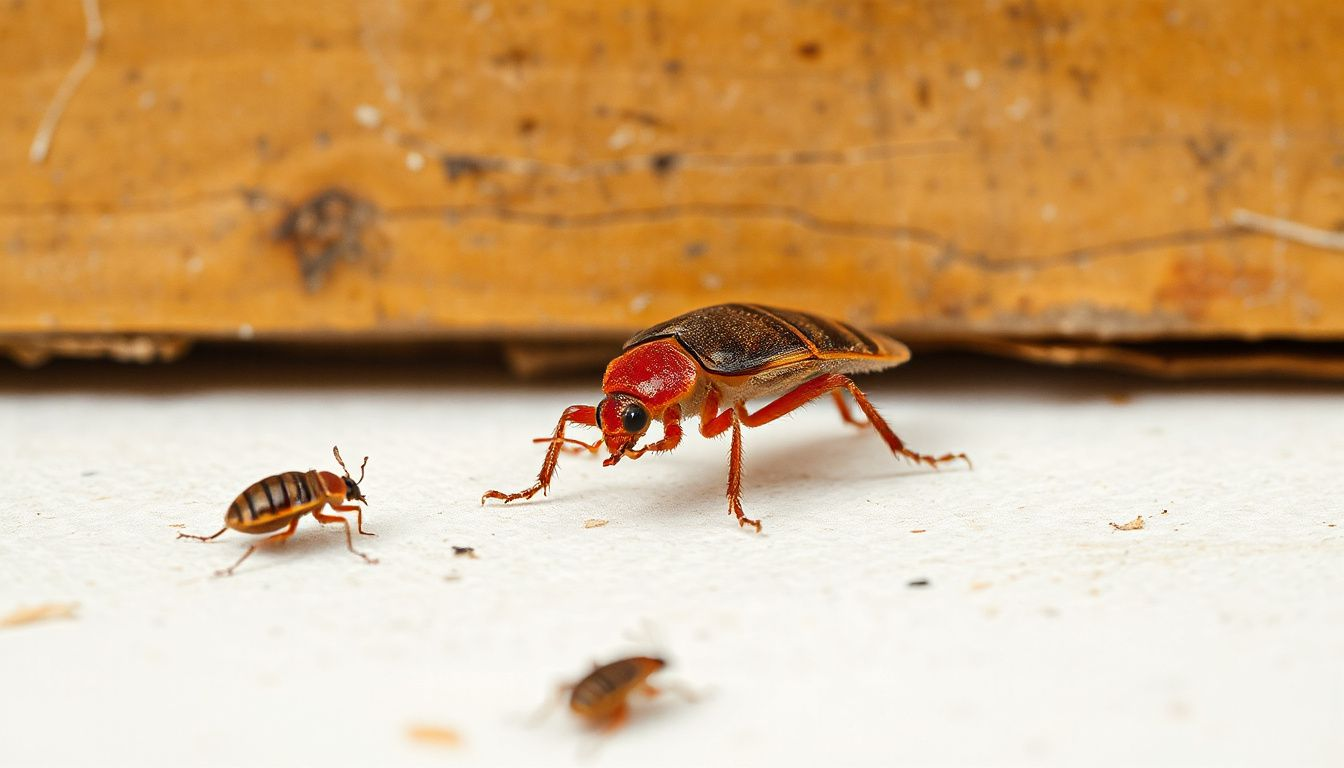
7 top steps to get rid of bed bugs starts with one mindset: I treat this like a containment-and-verification job, not a random “spray and pray.”
I pick steps that (1) stop spread fast, (2) hit all life stages, and (3) keep working after the first cleanup. Bed bugs hide in seams, cracks, and clutter, so I focus on where they live, not where I wish they lived.
My rule: move slowly, bag everything, and document what I find. If you rush, you’ll scatter them to new rooms and make the problem more expensive.
Real-world example: when I helped a friend after a hotel stay, we found tiny black fecal spots on a suitcase seam. We contained the luggage immediately, heat-treated the items, and never saw a second bug—because we acted before unpacking.
How I Confirm Bed Bugs (and Avoid False Alarms)
I confirm before I treat. Bites alone don’t prove bed bugs—mosquitoes, fleas, and dermatitis can look similar. I look for physical evidence: live bugs, shed skins, eggs, and fecal spotting (ink-like dots) on mattress seams and headboards.
I inspect with a flashlight and a thin card to probe seams. Then I place interceptor traps under bed legs for 7–10 nights to separate “suspected” from “confirmed.” If I can’t find evidence but symptoms persist, I consider a professional K9 inspection.
Best For: Renters, travelers, and anyone unsure if it’s bed bugs.
- Pros: Prevents wasted treatments; reduces risk of spreading; creates a baseline for progress.
- Cons: Takes time; light infestations are hard to spot; anxiety can lead to overreacting.
Step 1: I Contain the Problem Before It Spreads
Containment is my first win. I stop movement between rooms by limiting traffic, keeping pets out, and sealing laundry and linens in sturdy bags before they leave the room.
I pull the bed slightly away from the wall and remove bed skirts. Then I isolate the sleeping area: interceptors under legs and no bedding touching the floor. I avoid moving furniture unless it’s wrapped—dragging a dresser through a hallway is how infestations travel.
Best For: Anyone who shares walls, hallways, or laundry rooms.
- Pros: Slows spread immediately; makes later treatments more effective; protects other rooms.
- Cons: Inconvenient; requires discipline; mistakes (unbagged laundry) undo progress.
Step 2: I Declutter and Prep the Room for Treatment
Clutter is shelter. I remove items from floors and nightstands, but I do it safely: everything goes into a bag or bin with a lid, labeled “treat” or “trash.”
I reduce hiding spots by sealing cracks with caulk and tightening loose outlet covers. Then I vacuum thoroughly: mattress seams, bed frame joints, baseboards, and carpet edges. I empty the vacuum into a sealed bag immediately and take it outside.
Best For: Bedrooms with lots of storage, clothing piles, or kids’ items.
- Pros: Exposes harborages; improves contact for heat/steam and residuals; speeds up inspections.
- Cons: Time-intensive; risk of spreading if you carry loose items; emotional (discarding belongings).
Step 3: I Use Heat and Steam Where Bed Bugs Hide
Heat kills all stages when done correctly. I use a garment steamer or commercial steam unit on mattress seams, tufts, bed frame joints, and baseboards. I move slowly—about 1 inch per second—so the heat penetrates.
I treat couches and chairs the same way, focusing on stitching and under-cushion areas. For items that can’t be steamed, I use controlled heat (like a dryer or a purpose-built heat chamber). I skip DIY “space heaters in a room” unless I’m trained; uneven heating can drive bugs deeper.
Best For: People who want a chemical-light approach with strong kill power.
- Pros: Immediate kill; reaches cracks; works even on resistant populations.
- Cons: Labor-heavy; burn risk; can damage finishes if overused.
Step 4: I Wash, Dry, and Bag Everything the Right Way
Laundry is where I see the most mistakes. I transport textiles in sealed bags, dump them directly into the washer, and discard the bag outside. I dry on high heat first when possible (heat is the killer), then wash, then dry again if fabrics allow.
Clean items go into fresh bags or bins and stay sealed until the infestation is cleared. I treat shoes, backpacks, and soft luggage with heat or careful steaming, not random sprays.
Best For: Families, frequent travelers, and anyone with lots of bedding.
- Pros: Reliable kill for textiles; reduces bite pressure fast; easy to repeat.
- Cons: Costs time/money; heat can shrink delicates; re-contamination happens if you “put it back” too soon.
Step 5: I Apply Targeted Treatments (Sprays, Dusts, Encasements)
I prefer targeted, label-compliant products over broad foggers. I use a residual spray in cracks and crevices (not on sleep surfaces unless the label allows), and I apply silica gel or diatomaceous earth dust lightly in wall voids, under baseboards, and inside bed frame cavities.
I add mattress and box spring encasements to trap survivors and simplify inspections. I never rely on encasements alone; they’re a support tool, not a cure.
Best For: Confirmed infestations where heat/steam needs backup.
- Pros: Residual protection; dusts keep working; encasements reduce hiding spots.
- Cons: Misuse can be unsafe; some sprays have resistance issues; dust overapplication repels bugs.
Step 6: I Monitor, Re-Treat, and Track Progress
One treatment rarely ends it. I set interceptors and sticky monitors, then inspect weekly. I track dates, locations, and counts so I can see trends instead of guessing.
I re-treat on a schedule that matches bed bug biology—typically every 10–14 days—so newly hatched nymphs get hit before they reproduce. If activity doesn’t drop after two cycles, I reassess: missed harborages, clutter reintroduced, or bugs coming from a neighboring unit.
Best For: Anyone doing DIY who wants a clear “is this working?” signal.
- Pros: Prevents false victory; catches rebounds early; supports smarter targeting.
- Cons: Requires patience; monitoring can be stressful; shared-wall sources complicate results.
Step 7: I Prevent Re-Infestation with Long-Term Habits
After control, I shift to prevention. I keep encasements on for at least a year, maintain interceptors for a few months, and reduce “easy rides” like cluttered bedside piles.
When traveling, I inspect hotel beds, keep luggage off the bed, and heat-treat clothing before it goes back into drawers. For secondhand furniture, my rule is simple: no upholstered pickups from the curb, ever.
Best For: Travelers, apartment dwellers, and bargain furniture shoppers.
- Pros: Low cost; reduces repeat infestations; builds early detection habits.
- Cons: Requires consistency; can feel restrictive; prevention can’t fully offset high-risk environments.
Buying Guide + Best for…: What I’d Buy vs When I’d Hire a Pro
I buy tools when the infestation is light-to-moderate and I can commit to repeat work. I hire a pro when there’s widespread activity, multiple rooms involved, or a shared-wall source I can’t control.
|
Option |
I’d choose it when… |
Best For |
|---|---|---|
|
Interceptor traps + flashlight |
I need confirmation and progress tracking. |
DIY beginners |
|
Steamer (continuous output) |
I can treat seams/joints slowly and repeatedly. |
Chemical-light households |
|
Residual spray + silica dust (label-compliant) |
I can apply precisely to cracks/voids. |
Careful DIYers |
|
Professional heat or integrated treatment |
Multiple rooms, heavy clutter, or repeated rebounds. |
Severe infestations, apartments |
Best For: People deciding between DIY and professional help.
- Pros: Clarifies priorities; prevents overspending on the wrong tools; sets realistic expectations.
- Cons: Pros vary in quality; DIY can fail without follow-through; shared buildings may require coordinated action.
The Roundup
My top picks are simple: confirm first, contain immediately, then combine heat/steam with careful laundering and targeted residuals. That mix hits bed bugs fast and keeps pressure on them between cycles.
If I had to prioritize, I’d start with interceptors, a good steamer, and encasements—then add dust/spray only where it makes sense and the label allows. I don’t use foggers, and I don’t “wait and see” once I’ve confirmed activity.
When the infestation spans rooms or keeps returning, I hire a reputable pro and insist on a written plan with follow-up visits. Bed bugs are beatable, but only with disciplined, repeatable steps.
