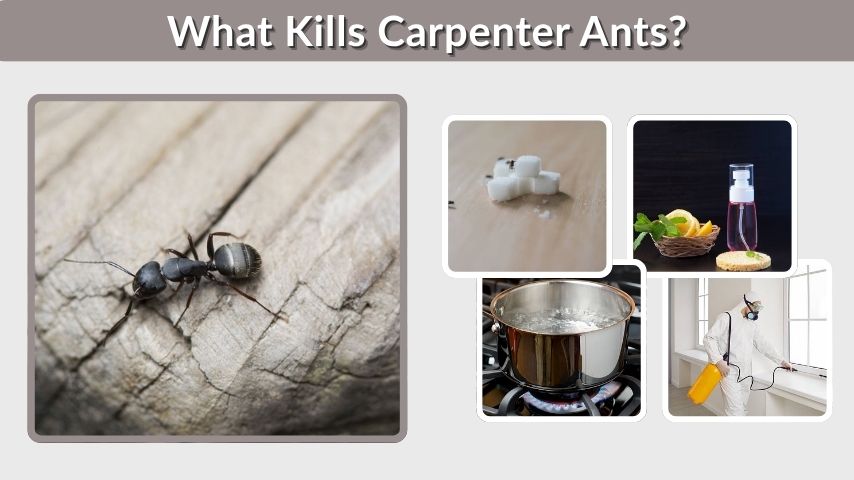
Carpenter ants can be a serious problem because they do not just walk across your kitchen counter; they may build nests inside damp or damaged wood. Unlike termites, carpenter ants do not eat wood. They chew tunnels and galleries to create nesting space, especially in moist or weakened wood. The best homemade approach is to kill visible ants, remove scent trails, reduce moisture, and find the hidden nest.
Why Carpenter Ants Are Hard to Kill
Carpenter ants are not always controlled by killing the ants you see. Many visible ants are only workers searching for food. The real problem is the nest, which may be inside a wall, window frame, porch, tree stump, or water-damaged wood. That is why homemade remedies work best when combined with nest tracking, moisture control, and entry-point sealing.
Signs You May Have Carpenter Ants
Look for these warning signs before choosing a treatment:
- Large black, brown, or reddish ants indoors
- Ant activity at night
- Small piles of sawdust-like material called frass
- Rustling sounds inside walls
- Winged ants near windows or lights
- Soft, damp, or hollow-sounding wood
- Trails from trees, stumps, firewood, or decks into the house
A few carpenter ants in spring may only be outdoor scouts, but repeated indoor sightings, especially during cold months, can suggest an indoor nest.
10 Homemade Remedies That Kill Carpenter Ants
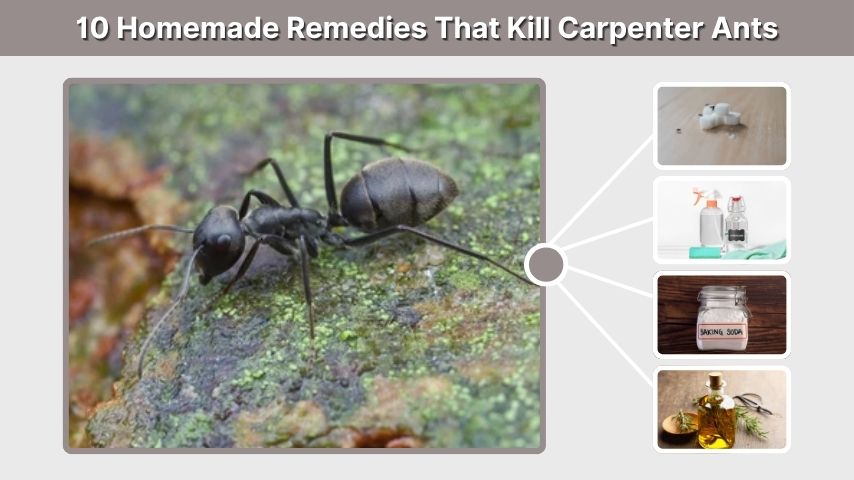
These remedies can help reduce carpenter ants naturally or with low-toxicity household ingredients. Some kill on contact, while others work better as repellents, trail removers, or nest-control aids.
| Remedy | Best Use | Kills or Repels? |
|---|---|---|
| Borax sugar bait | Worker ants and colony control | Kills slowly |
| Diatomaceous earth | Dry cracks, voids, trails | Kills by drying |
| Vinegar spray | Trail removal | Mostly repels |
| Soapy water | Visible ants | Kills on contact |
| Baking soda bait | Small indoor activity | May kill some ants |
| Essential oils | Entry points and trails | Mostly repels |
| Lemon juice | Scent trail disruption | Repels |
| Cinnamon | Entry-point barrier | Repels |
| Boiling water | Outdoor nests only | Kills directly |
| Moisture removal | Long-term control | Prevents nesting |
1. Borax and Sugar Bait
Borax is one of the most common homemade carpenter ant remedies because it can work as a slow-acting bait. Sugar attracts ants, and borax poisons them after they carry the bait back toward the nest. This is more useful than spraying every ant you see because carpenter ant control often depends on reaching the colony, not just killing workers.
Mix 1 tablespoon of borax with 3 tablespoons of sugar and enough warm water to make a syrup. Soak cotton balls in the mixture and place them near ant trails, behind appliances, under sinks, or near suspected entry points. Keep the bait away from children and pets.
Do not make the mixture too strong. If it kills ants too quickly, they may die before returning to the colony. Use small bait stations and replace them every few days.
2. Food-Grade Diatomaceous Earth
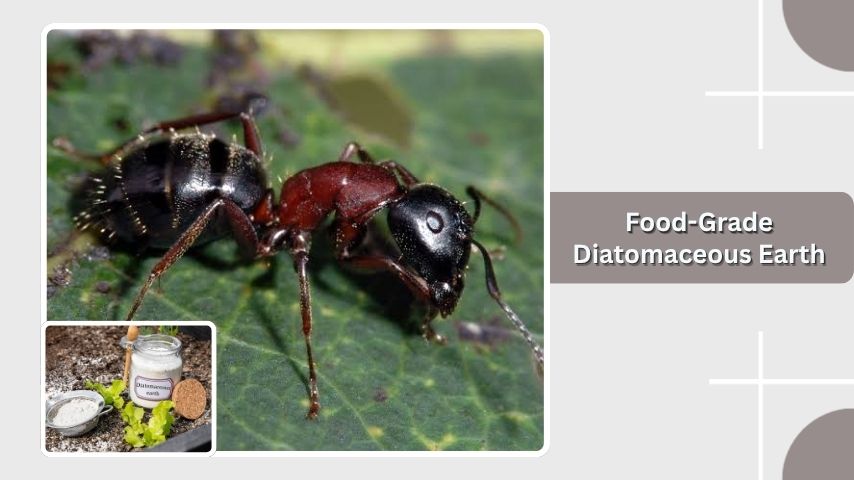
Food-grade diatomaceous earth is a dry powder that damages the outer layer of insects and causes them to dehydrate. It works best in dry places, such as cracks, wall gaps, basement edges, crawl spaces, attic corners, and around ant trails.
Sprinkle a thin layer where carpenter ants travel. Do not pile it heavily because ants may avoid thick powder. Wear a mask while applying it so you do not breathe in dust. Diatomaceous earth is not a fast bait, but it can help reduce ants moving through dry areas.
This remedy is not ideal in wet areas because moisture reduces its effectiveness.
3. Vinegar Spray
Vinegar is useful for removing carpenter ant scent trails. Ants follow chemical trails to food and nesting areas, so wiping those trails can confuse them and reduce repeat traffic.
Mix equal parts white vinegar and water in a spray bottle. Spray it on countertops, baseboards, window sills, door frames, and ant trails. Wipe the area after spraying. Vinegar does not usually kill the colony, but it helps break the trail system and makes your home less attractive.
Use vinegar as a support method after using bait. If you spray directly over bait areas, ants may avoid the bait.
4. Soapy Water Spray
Soapy water is a simple contact killer. It can kill visible carpenter ants by breaking down their protective outer coating and blocking their breathing openings.
Mix 2 cups of water with 1–2 teaspoons of dish soap. Spray directly on ants when you see them. This works well for quick control in kitchens, bathrooms, or around windows.
However, soapy water does not solve a hidden nest. Use it for visible ants, then follow the trail to see where they are coming from. If ants keep returning from the same crack or wall gap, you may have a nest nearby.
5. Baking Soda and Powdered Sugar
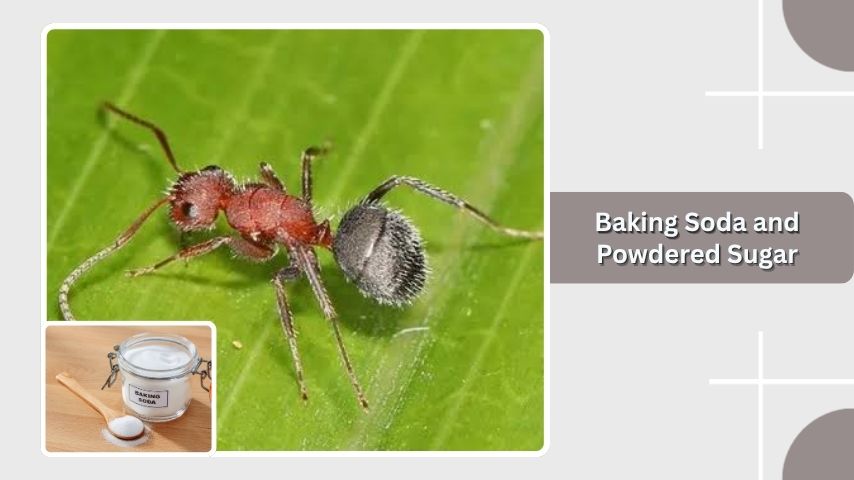
Baking soda mixed with powdered sugar is a popular homemade ant bait. The sugar attracts the ants, while the baking soda may harm them after ingestion. It is not as reliable as borax bait, but it can help with light ant activity.
Mix equal parts baking soda and powdered sugar. Place small amounts in shallow lids near ant trails. Do not place it where pets or children can reach it.
This remedy may reduce foraging ants, but it is unlikely to eliminate a large carpenter ant colony. Use it together with cleaning, sealing, and moisture repair.
6. Peppermint or Tea Tree Essential Oil
Strong essential oils can help repel carpenter ants and disrupt their trails. Peppermint oil and tea tree oil are two common choices.
Mix 10–15 drops of essential oil with 1 cup of water and a few drops of dish soap. Spray around windows, doors, baseboards, foundation cracks, and other entry points. You can also soak cotton balls and place them near ant travel areas.
Essential oils mainly repel ants; they do not usually kill the colony. Also, some essential oils can be unsafe for pets, especially cats, so use them carefully.
7. Lemon Juice Spray
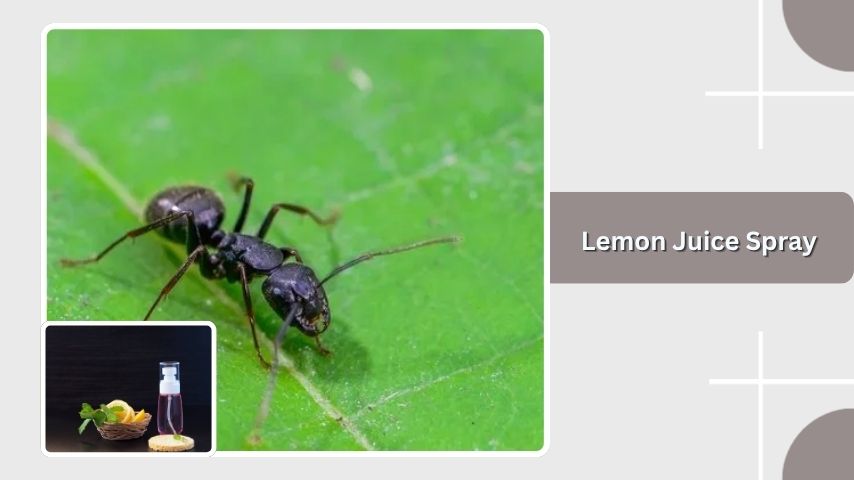
Lemon juice is another natural trail disruptor. Its strong smell can make it harder for ants to follow scent paths.
Mix lemon juice with water at a 1:1 ratio. Spray it around windows, doors, counters, and baseboards. You can also wipe surfaces with lemon water after cleaning food crumbs.
Lemon juice is best for prevention and light activity. It will not reach carpenter ants nesting inside wood, but it helps reduce indoor movement when used daily.
8. Cinnamon Barrier
Cinnamon can act as a natural repellent. Carpenter ants often avoid strong-smelling powders, especially around entry points.
Sprinkle ground cinnamon near cracks, door thresholds, windows, and places where ants enter. You can also use cinnamon essential oil diluted in water.
This is not a strong killing remedy, but it may help block minor trails. It is best used after you clean the area and remove food sources. Replace cinnamon after cleaning, rain, or heavy moisture.
9. Boiling Water for Outdoor Nests
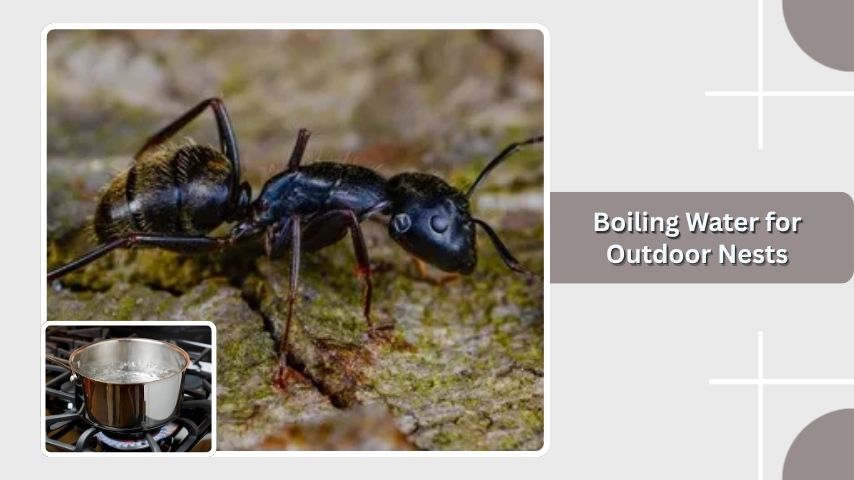
If you find an outdoor carpenter ant nest in a rotting stump, old log, or soil near damaged wood, boiling water may kill many ants quickly. Pour boiling water directly into the nest opening.
Use this method only outdoors. Do not pour boiling water into walls, floors, electrical areas, or wooden structures. It can cause burns, damage surfaces, and create more moisture problems.
Outdoor nests can have satellite colonies, so one treatment may not be enough. Continue watching for ant trails after treatment.
10. Remove Moisture and Damaged Wood
This is one of the most important “remedies” because carpenter ants are strongly linked to damp or decaying wood. If the moisture problem remains, ants may return even after you kill many of them.
Repair leaking pipes, clogged gutters, roof leaks, and poor drainage. Replace rotting window frames, soft deck boards, damaged porch wood, and wet insulation. Keep firewood away from the house and trim tree branches that touch the roof or siding.
University extension sources note that carpenter ants commonly nest in moist or weakened wood, so removing those conditions is central to long-term control.
How to Use Homemade Remedies the Right Way
Homemade remedies work better when applied in the correct order. First, identify the ant trail. Watch where ants travel, especially at night. Carpenter ants are often more active after dark. Next, place bait near the trail, not directly in the middle of heavy cleaning sprays. If you use vinegar or essential oils too close to bait, ants may avoid it.
After baiting, clean food crumbs, remove standing water, and seal entry points. Look outside for stumps, logs, mulch, tree branches, and damp wood touching the house. Carpenter ant control should focus on both indoor and outdoor nesting areas. UC IPM warns that spraying foraging ants alone usually does not solve the problem; finding and treating or removing nests is more effective.
What Not to Do When Killing Carpenter Ants
Avoid spraying every ant immediately if you are trying to use bait. Fast sprays may kill workers before they carry bait back. Also, do not ignore moisture damage. Carpenter ants often point to a bigger water or wood problem.
Do not use outdoor pesticides indoors, and do not mix chemicals with homemade remedies. The EPA advises consumers to use pest-control products safely and follow label directions when pesticides are used.
When Homemade Remedies Are Not Enough
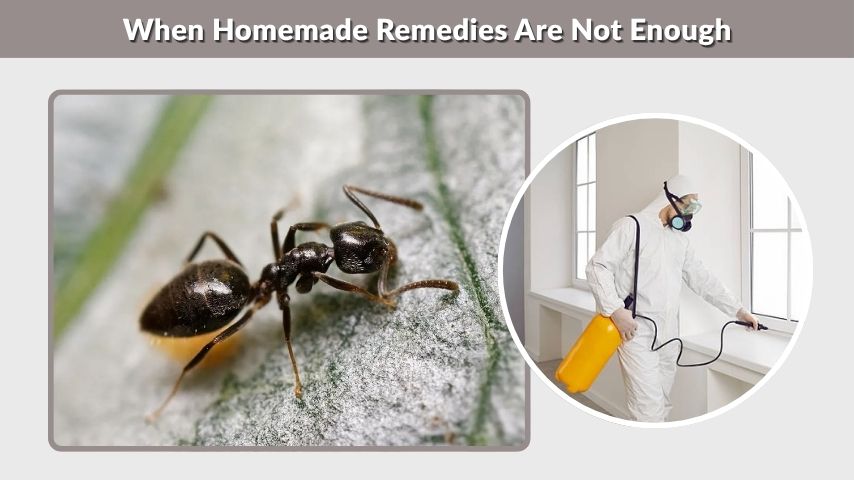
Call a pest control professional if you see winged carpenter ants indoors, hear noise inside walls, find repeated frass piles, or notice damaged structural wood. You should also get help if ants keep returning after two to three weeks of baiting and moisture repair.
Carpenter ants can have parent nests and satellite nests. Treating only one area may not remove the full problem. Colorado State University Extension notes that homeowners should not stop after finding one nest because house nests may be connected to larger outdoor colonies.
FAQs
What homemade remedy kills carpenter ants fastest?
Soapy water kills visible carpenter ants fastest on contact. However, borax sugar bait is usually better for colony control because worker ants may carry it back toward the nest. For long-term results, combine bait with moisture repair, trail cleaning, and sealing entry points.
Does vinegar kill carpenter ants?
Vinegar may kill a few ants if sprayed directly, but it works better as a scent-trail remover and repellent. Use vinegar to clean ant trails, counters, baseboards, and entry points. Do not spray vinegar directly on bait areas because ants may avoid the bait.
Will baking soda kill carpenter ants?
Baking soda mixed with powdered sugar may kill some ants, but it is not the strongest method for carpenter ant colonies. It can help with light activity, but borax bait, nest removal, and moisture control are usually more effective for serious infestations.
How do I find a carpenter ant nest?
Follow ant trails at night with a flashlight. Look near damp wood, window frames, sinks, bathrooms, crawl spaces, decks, firewood, tree stumps, and wall voids. Frass, rustling sounds, and repeated ant activity from one crack can point to a nearby nest.
Can carpenter ants destroy a house?
Carpenter ants can damage wood by tunneling through it, especially if the wood is damp or already weakened. They usually do not cause damage as quickly as termites, but a large untreated colony can become serious. Repeated indoor activity should not be ignored.