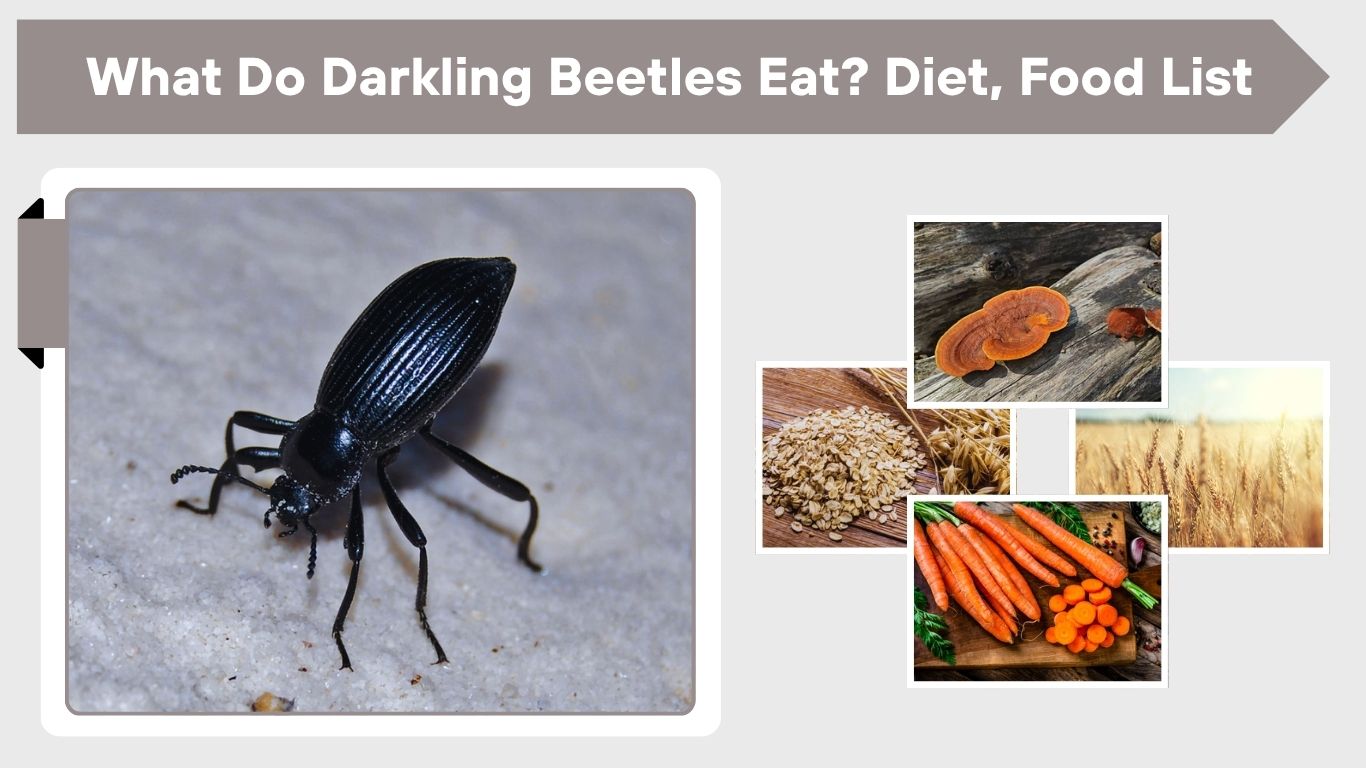
Darkling beetles are common insects found in both natural environments and human-controlled settings like homes, farms, and classrooms. One of the most frequently asked questions about them is simple: what do darkling beetles eat?
These beetles are known as scavengers, meaning they feed on a wide range of organic materials. Their diet can vary depending on where they live, whether in the wild or in captivity. Understanding what they eat is important for pet owners, students, and anyone dealing with these insects, as their feeding habits directly affect their growth, survival, and reproduction.
In this guide, you’ll learn exactly what darkling beetles eat, how their diet changes in different environments, and what foods are best for keeping them healthy.
What Do Darkling Beetles Eat?

Darkling beetles primarily eat organic matter, especially materials that are dry, decaying, or rich in nutrients.
Their diet typically includes:
- Decaying plant material
- Grains such as wheat, oats, and bran
- Dead insects or animal matter
- Organic debris like leaves and lint
Because they are scavengers, darkling beetles are not picky eaters. They adapt easily to available food sources, which is one reason they can survive in many different environments.
Both adult beetles and their larvae (mealworms) share a similar diet, although larvae tend to eat more because they are actively growing.
What Do Darkling Beetles Eat in the Wild?
In natural environments, darkling beetles feed on whatever organic material they can find. Their diet plays an important role in breaking down waste and recycling nutrients back into the ecosystem.
They commonly eat decaying leaves, dried plant matter, and seeds found on the ground. These materials provide essential nutrients and energy for survival.
Darkling beetles may also consume dead insects or small animal remains. However, they do not actively hunt; instead, they act as scavengers, feeding on what is already available.
In dry environments like deserts, where food and water are limited, they rely heavily on plant debris and organic waste. Their ability to survive on minimal resources makes them highly adaptable.
What Do Darkling Beetles Eat in Captivity?

When kept in captivity, darkling beetles can be fed a controlled diet that supports healthy growth and reproduction. This is especially important for people raising mealworms for pets or research.
Common Foods
In captivity, their diet usually consists of simple, easily available foods:
- Oats, bran, and other grains
- Dry cereal or grain-based products
- Vegetables such as carrots and potatoes
- Fruits like apples for added moisture
These foods provide a balanced mix of nutrients while also being easy to manage in a controlled environment.
Feeding Tips
To keep darkling beetles healthy, it’s important to follow a few basic feeding practices:
- Provide fresh food regularly to prevent spoilage
- Remove uneaten food before it becomes moldy
- Keep the habitat clean and dry
- Avoid overly wet conditions, which can harm the beetles
A proper feeding routine ensures that both larvae and adult beetles develop normally and remain active.
What Do Darkling Beetle Larvae Eat?
Darkling beetle larvae, commonly known as mealworms, have a similar diet to adults but eat much more frequently. This is because they are in a growth stage and require more energy.
Mealworms mainly feed on grains, bran, and other dry organic materials. These foods provide the nutrients needed for rapid growth. They also benefit from fruits and vegetables, which supply moisture and additional vitamins.
Because larvae are constantly feeding, they are more likely to cause damage to stored grains or food products if left unchecked. This makes them more noticeable than adult beetles in many cases.
Providing a steady and balanced diet is essential during this stage, as it directly affects how well they develop into healthy adult beetles.
What Do Darkling Beetles Drink?

Darkling beetles do not drink water in the same way many other insects do. Instead, they get most of their moisture from the food they eat.
Foods like fruits and vegetables—such as carrots, apples, and potatoes—provide enough hydration to keep them healthy. This is especially important in dry environments where water is scarce.
However, too much moisture can be harmful. Excess water in their habitat can lead to mold growth, which may damage their food supply and create unhealthy conditions. A balanced approach, using slightly moist foods rather than direct water sources, works best.
Do Darkling Beetles Eat Plants or Other Insects?
Darkling beetles have a flexible diet that includes both plant-based and animal-based materials, but they are primarily scavengers.
Plant-Based Diet
Most of their diet comes from plant sources. They commonly eat dried leaves, grains, seeds, and other plant debris. These materials are easy to find in nature and provide essential nutrients.
Animal-Based Diet
In addition to plant matter, darkling beetles may consume dead insects or animal remains. They do not hunt live prey but will feed on organic material they come across.
This mixed diet helps them survive in different environments and makes them effective decomposers.
Foods Darkling Beetles Prefer

Darkling beetles tend to prefer certain foods that are easy to digest and rich in nutrients. Providing these foods can support healthy growth and activity.
- Grains such as wheat, oats, and bran
- Root vegetables like carrots and potatoes
- Fruits such as apples for moisture
- Dry plant material and organic debris
These foods closely match what they would find in their natural habitat, making them ideal choices for feeding.
Foods to Avoid Feeding Darkling Beetles
Not all foods are safe or beneficial for darkling beetles. Some can harm their health or create poor living conditions.
- Moldy or spoiled food
- Excessively wet or soggy items
- Processed or salty foods
- Food exposed to chemicals or pesticides
Avoiding these foods helps prevent disease, contamination, and unhealthy environments.
Why Diet Matters for Darkling Beetles
A proper diet is essential for the overall health and development of darkling beetles. What they eat directly affects their growth, life cycle, and ability to reproduce.
A balanced diet ensures that larvae grow properly and develop into strong adult beetles. It also supports reproduction, allowing adult beetles to lay healthy eggs.
In addition, a good diet helps maintain their activity levels and lifespan. Poor nutrition, on the other hand, can slow development, reduce survival rates, and increase the risk of disease.
FAQs
What do darkling beetles eat the most?
Darkling beetles mainly eat grains, decaying plant material, and organic debris. These foods provide the nutrients they need to survive and reproduce in both natural and controlled environments.
Do darkling beetles eat fruit?
Yes, they can eat fruits such as apples and carrots. These foods are especially useful because they provide moisture, which helps keep the beetles hydrated without needing direct water sources.
Do darkling beetles eat other insects?
Darkling beetles may eat dead insects as part of their scavenging behavior. However, they do not actively hunt or attack live insects for food.
What do darkling beetle larvae eat?
Larvae, also known as mealworms, eat grains, organic matter, and vegetables. They consume more food than adults because they are growing and require extra energy.
Do darkling beetles need water?
They do not drink water directly. Instead, they get hydration from moist foods like fruits and vegetables, which provide enough moisture for survival.