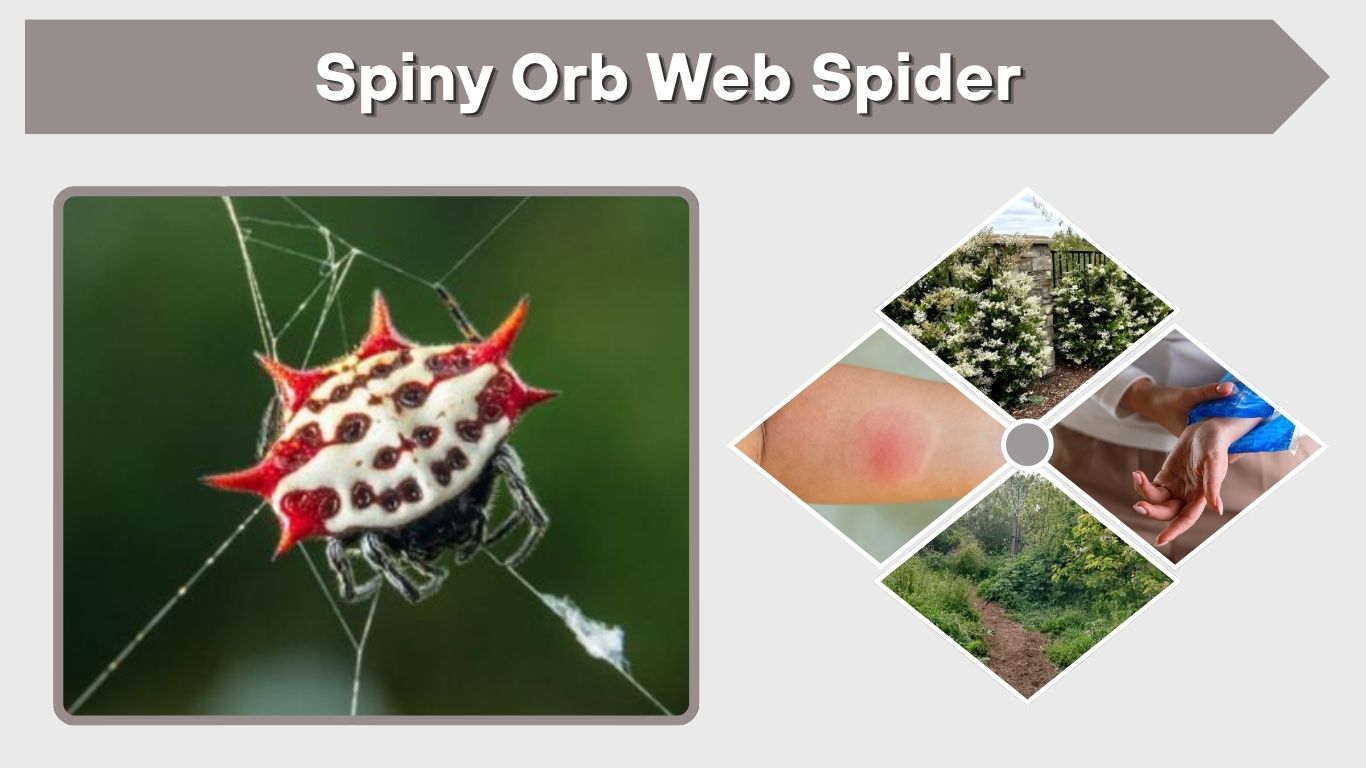
The spiny orb web spider is one of the most unusual spiders people notice in gardens, shrubs, and wooded areas. With its bright colors, hard shell-like abdomen, and pointed spines, it can look intimidating at first glance. However, this spider is usually harmless to people and helpful around homes because it catches small flying insects in its web.
What Is a Spiny Orb Web Spider?
A spiny orb web spider is a small orb-weaving spider known for building circular webs and having a spiked, crab-like body. The best-known species in the United States is commonly called the spinybacked orbweaver, with the scientific name Gasteracantha cancriformis.
The spider gets attention because it does not look like a typical house spider. Its body is wide, flattened, and decorated with hard spines along the edges. Many people describe it as looking like a tiny crab, a thorny seed, or a colorful piece of jewelry sitting in a web.
Although the name sounds alarming, spiny orb web spiders are not aggressive. They spend most of their time in their webs waiting for insects. They are more likely to drop away, hide, or stay still than bite a person.
Spiny Orb Web Spider Identification
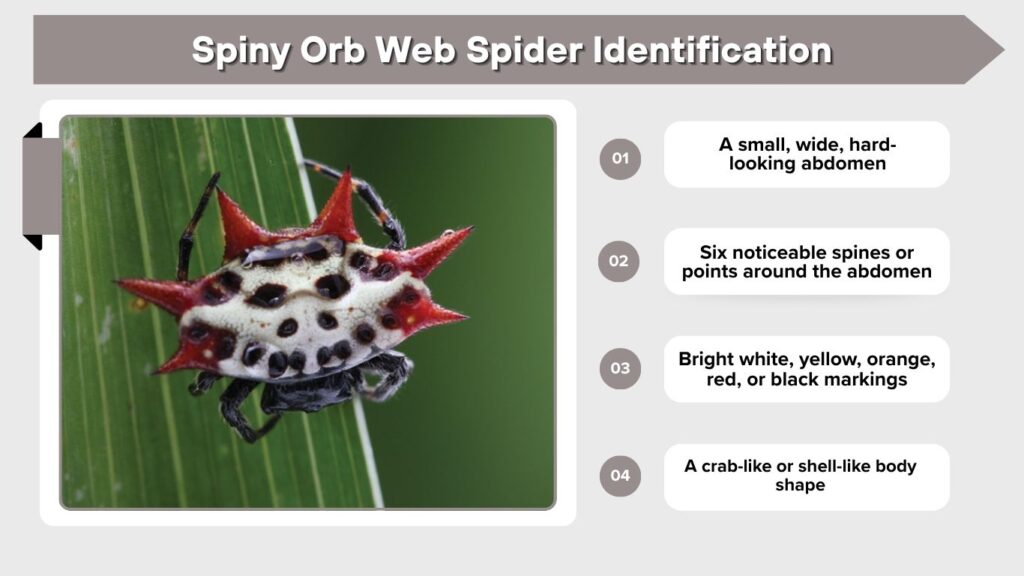
Spiny orb web spiders are usually easy to recognize once you know what to look for. Their body shape is their most noticeable feature.
Main Appearance Features
A spiny orb web spider may have:
- A small, wide, hard-looking abdomen
- Six noticeable spines or points around the abdomen
- Bright white, yellow, orange, red, or black markings
- A crab-like or shell-like body shape
- Short legs compared with the wide body
- A round orb-shaped web
- Black spots or patterns on the back
Females are much more noticeable than males. Female spiny orb web spiders have the large spiny abdomen people usually recognize. Males are smaller, less colorful, and less often seen.
Common Colors
Spiny orb web spiders can vary in color. Some have a white body with black spots and red spines. Others may appear yellow, orange, or reddish. The exact color depends on the species, region, age, and natural variation.
Because of this color variation, people may search for “red spiny orb web spider,” “yellow spiny orb weaver,” or “white spider with red spikes.” In many cases, these searches refer to the same general type of spider.
Spiny Orb Web Spider Facts
Spiny orb web spiders are small, helpful predators that play a role in outdoor insect control. They are not pests in the same way as cockroaches, ants, or termites. Instead, they help reduce small flying insects naturally.
| Feature | Description |
|---|---|
| Common name | Spiny orb web spider or spinybacked orbweaver |
| Scientific group | Orb-weaver spiders, family Araneidae |
| Best-known species | Gasteracantha cancriformis |
| Body shape | Wide, hard, crab-like abdomen with spines |
| Web type | Circular orb web |
| Diet | Small flying insects |
| Risk to humans | Low |
| Common habitat | Gardens, shrubs, trees, woodland edges |
These spiders are most often noticed outdoors. They may build webs across walkways, garden paths, porch areas, shrubs, citrus trees, or between branches.
Where Do Spiny Orb Web Spiders Live?
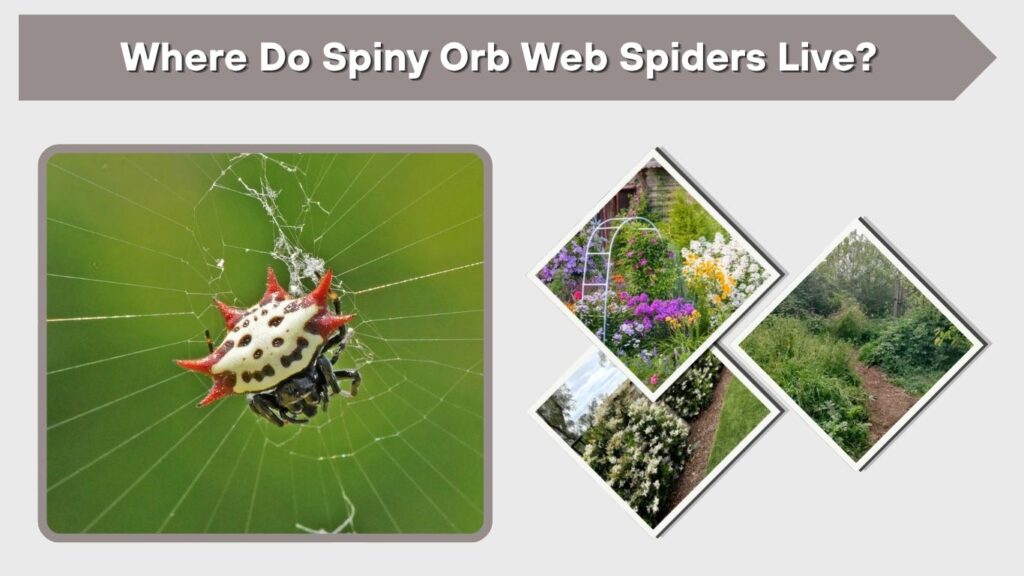
Spiny orb web spiders are commonly found in warm regions. In the United States, the spinybacked orbweaver is often seen in Florida and other southern areas. Related spiny orb-weavers also live in tropical and subtropical parts of the world.
They prefer places where insects are common and where there are good anchor points for their webs.
Common Habitats
You may find them around:
- Gardens
- Shrubs and hedges
- Woodland edges
- Trees and low branches
- Citrus groves
- Backyard landscapes
- Porch lights or outdoor lighting areas
- Bushes near patios or walkways
Outdoor lights may attract insects, and insects attract orb-weaving spiders. This is why people sometimes notice more spider webs near porches, garages, and garden lighting.
Spiny Orb Web Spider Web
The word “orb” refers to the spider’s web shape. Orb-weavers build round or wheel-like webs with radial lines and sticky spiral threads. These webs are designed to catch flying insects.
Spiny orb web spiders often build webs at a height where insects fly through shrubs and trees. The web may appear across a gap between branches or plants. Sometimes, people accidentally walk into these webs because they are built across garden paths or near doorways.
Why Their Webs Are Useful
Their webs help catch:
- Small flies
- Mosquitoes
- Gnats
- Moths
- Leafhoppers
- Other small flying insects
Because of this, the spiny orb web spider can be considered beneficial in yards and gardens. It does not damage plants, wood, clothing, or stored food.
Is the Spiny Orb Web Spider Poisonous?
The spiny orb web spider has venom, as most spiders do, but it is not considered dangerous to humans. Its venom is used to subdue small insects, not to harm people.
Many people use the word “poisonous” when they actually mean “venomous.” A poisonous animal causes harm when touched or eaten. A venomous animal injects venom through a bite or sting. Spiny orb web spiders are technically venomous, but their venom is not medically significant for most people.
Is It Dangerous?
For most people, the spiny orb web spider is not dangerous. It is not aggressive, does not seek out humans, and usually bites only if trapped, squeezed, or handled roughly.
The spider’s scary appearance is mostly a defense feature. The hard, spiky abdomen may help protect it from predators such as birds or lizards.
Spiny Orb Web Spider Bite
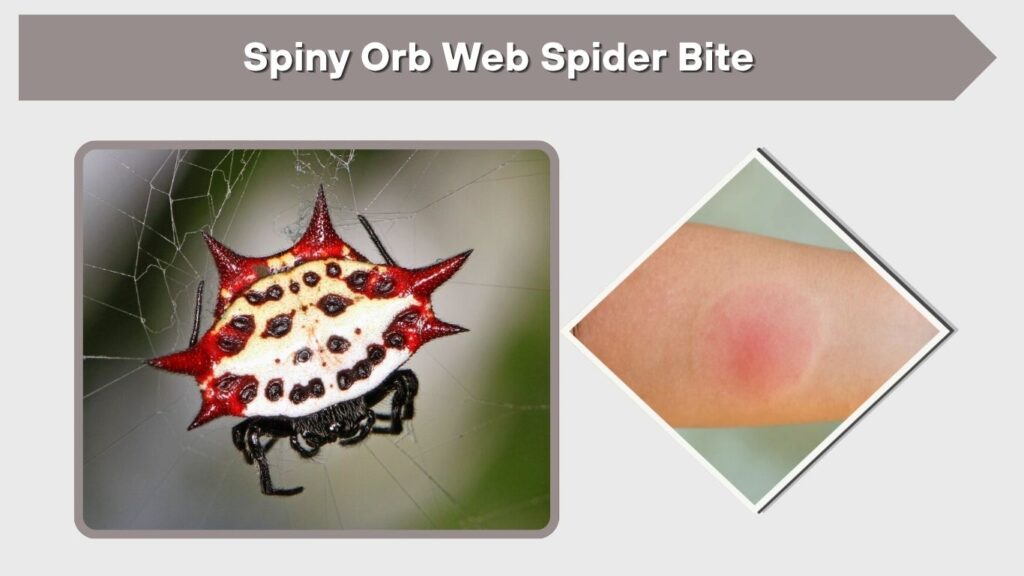
A spiny orb web spider bite is uncommon. These spiders are small and not eager to bite. If a bite does happen, it is usually because the spider was accidentally pressed against the skin.
What Does a Bite Feel Like?
A bite may feel like a small pinch or mild sting. Some people may notice slight redness, itching, or swelling near the bite. In most cases, symptoms are minor and go away on their own.
Possible bite symptoms include:
- Mild pain
- Redness
- Small swelling
- Itching
- Tenderness
- A tiny bite mark
Serious symptoms are not expected from a typical spiny orb web spider bite. However, any bite can become irritated if scratched, and some people may react more strongly than others.
When to Get Medical Help
Seek medical advice if:
- Swelling spreads quickly
- Pain becomes severe
- The area feels hot or infected
- Pus develops
- Fever occurs
- The person has trouble breathing
- There is a history of serious allergic reactions
- The bite victim is a young child or medically vulnerable person
These reactions are not typical, but it is always smart to be cautious when symptoms are unusual or worsening.
Spiny Orb Web Spider Bite Treatment
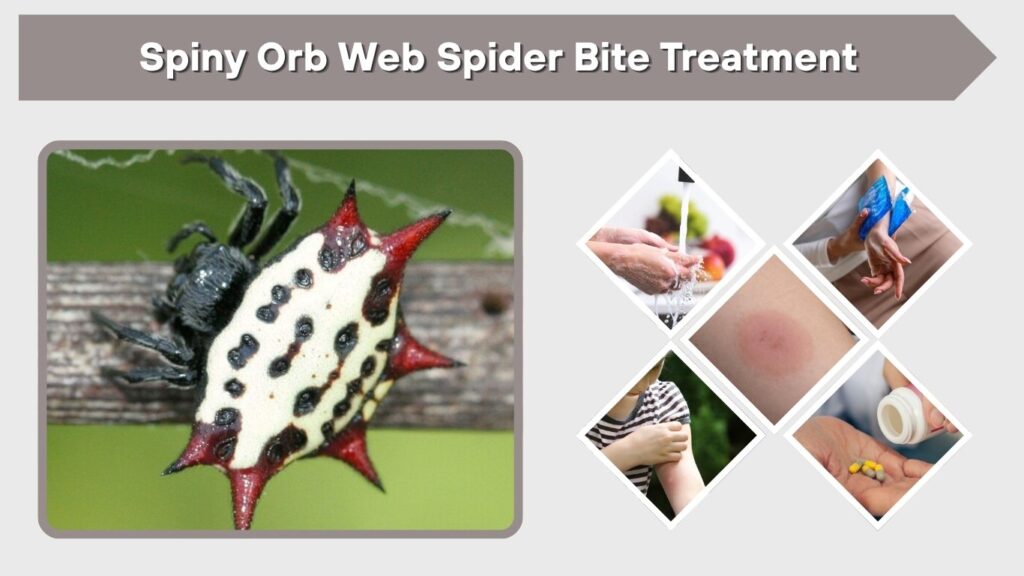
Most minor spider bites can be managed with basic first aid. If you are unsure what spider caused the bite, or if symptoms seem serious, contact a healthcare professional.
Basic First Aid Steps
For a mild suspected spiny orb web spider bite:
- Wash the area with soap and water.
- Apply a cold compress for swelling or discomfort.
- Avoid scratching the bite.
- Keep the area clean and dry.
- Use over-the-counter pain relief if appropriate.
- Monitor the bite for changes.
Do not cut the bite, squeeze it, or try to suck out venom. These methods do not help and can increase the risk of infection.
Are Spiny Orb Web Spiders Good for Gardens?
Yes, spiny orb web spiders are generally good for gardens. They help control small insects and do not harm plants. Unlike some garden pests, they do not chew leaves, damage roots, or spread plant disease.
Gardeners often notice them during warm months when insects are active. Their webs may sometimes be inconvenient if built across a walkway, but the spider itself is beneficial.
Benefits in the Yard
Spiny orb web spiders can help by:
- Catching flying insects naturally
- Reducing the need for insect sprays
- Supporting garden biodiversity
- Providing food for birds and other wildlife
- Indicating a healthy outdoor ecosystem
If the web is in a harmless location, it is usually best to leave the spider alone.
How to Remove a Spiny Orb Web Spider Safely
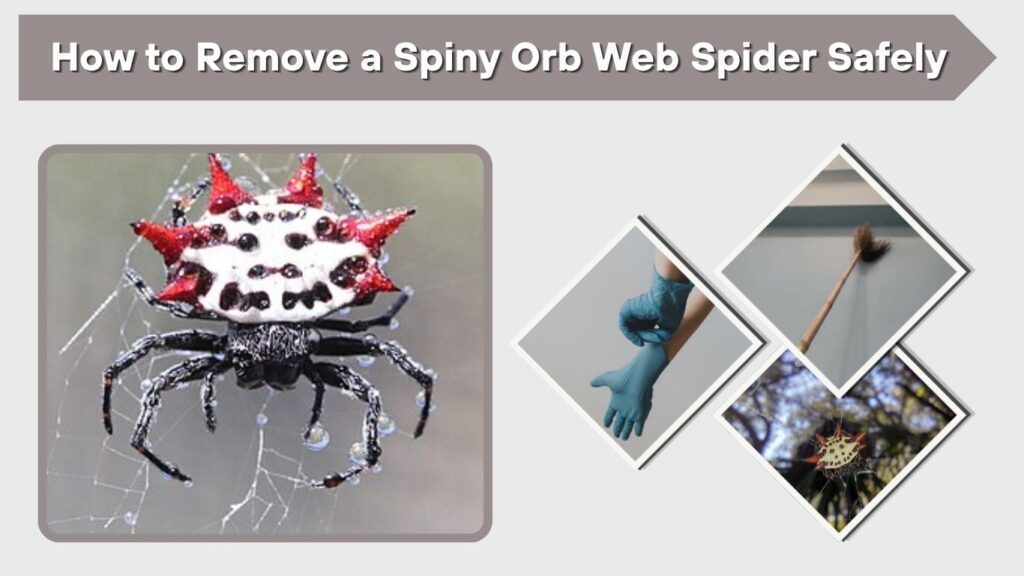
If a spiny orb web spider builds a web across a doorway, porch, or walkway, you can remove or relocate the web without harming the spider. There is usually no need to kill it.
Safe Removal Tips
Try these simple steps:
- Use a broom or long stick to gently move the web.
- Relocate the spider to a shrub or tree if possible.
- Wear gloves if you are uncomfortable around spiders.
- Avoid squeezing or handling the spider directly.
- Turn off outdoor lights when not needed to reduce insect attraction.
- Trim shrubs away from doors and walkways.
Spiders often rebuild webs, so you may need to move webs more than once if insects remain active in the area.
Spiny Orb Web Spider vs. Other Orb Weavers
Spiny orb web spiders belong to the orb-weaver family, but they look different from many other orb-weavers. Common garden orb-weavers often have round, soft-looking bodies and long legs. Spiny orb web spiders have a flatter, wider, spiked body.
Other orb-weavers, such as yellow garden spiders, may be much larger. Spiny orb web spiders are usually smaller but more unusual in shape. Their bright colors and thorn-like points make them stand out.
Why Are Spiny Orb Web Spiders in My Yard?
Spiny orb web spiders appear where the habitat supports them. If your yard has shrubs, trees, insects, and quiet web-building spaces, it may attract them.
They may become more noticeable during warm, humid periods or when insect activity increases. Outdoor lighting can also bring more insects, which may encourage spiders to build webs nearby.
Their presence does not mean your home is dirty or infested. It usually means your yard has enough insects and plants to support outdoor spider activity.
How to Prevent Too Many Webs Around the Home
You do not need to eliminate spiny orb web spiders, but you may want to reduce webs in high-traffic areas.
Prevention Tips
To reduce webs near doors and patios:
- Keep porch lights off when not needed.
- Use yellow outdoor bulbs that attract fewer insects.
- Trim shrubs away from walkways.
- Remove webs from door frames and railings.
- Keep garden areas tidy.
- Seal gaps around windows and doors.
- Reduce standing water to limit mosquitoes and gnats.
These steps help reduce insect activity, which can also reduce spider activity.
FAQs
Are spiny orb web spiders dangerous?
No, spiny orb web spiders are not considered dangerous to humans. They may look scary because of their hard, spiked bodies, but they are shy and beneficial. They usually stay in their webs and help catch small flying insects in gardens and yards.
Can a spiny orb web spider bite you?
Yes, but bites are uncommon. A spiny orb web spider may bite if it is trapped, squeezed, or handled roughly. Most bites are mild and may cause slight redness, swelling, itching, or brief pain. Serious reactions are rare but should be checked by a doctor.
What do spiny orb web spiders eat?
Spiny orb web spiders eat small flying insects caught in their circular webs. Their diet may include flies, mosquitoes, gnats, moths, and other tiny insects. This makes them helpful in gardens because they provide natural pest control without harming plants.
Should I remove spiny orb web spiders from my garden?
Usually, no. Spiny orb web spiders are beneficial and do not damage plants, wood, or household materials. If the web is blocking a doorway or path, gently move it with a broom or stick. The spider can be left in shrubs or trees.
Why does the spiny orb web spider have spikes?
The spikes may help protect the spider from predators by making it harder to eat. The hard, spiny abdomen can make the spider look less appealing to birds, lizards, and other animals. The spikes also make the spider easier for people to identify.