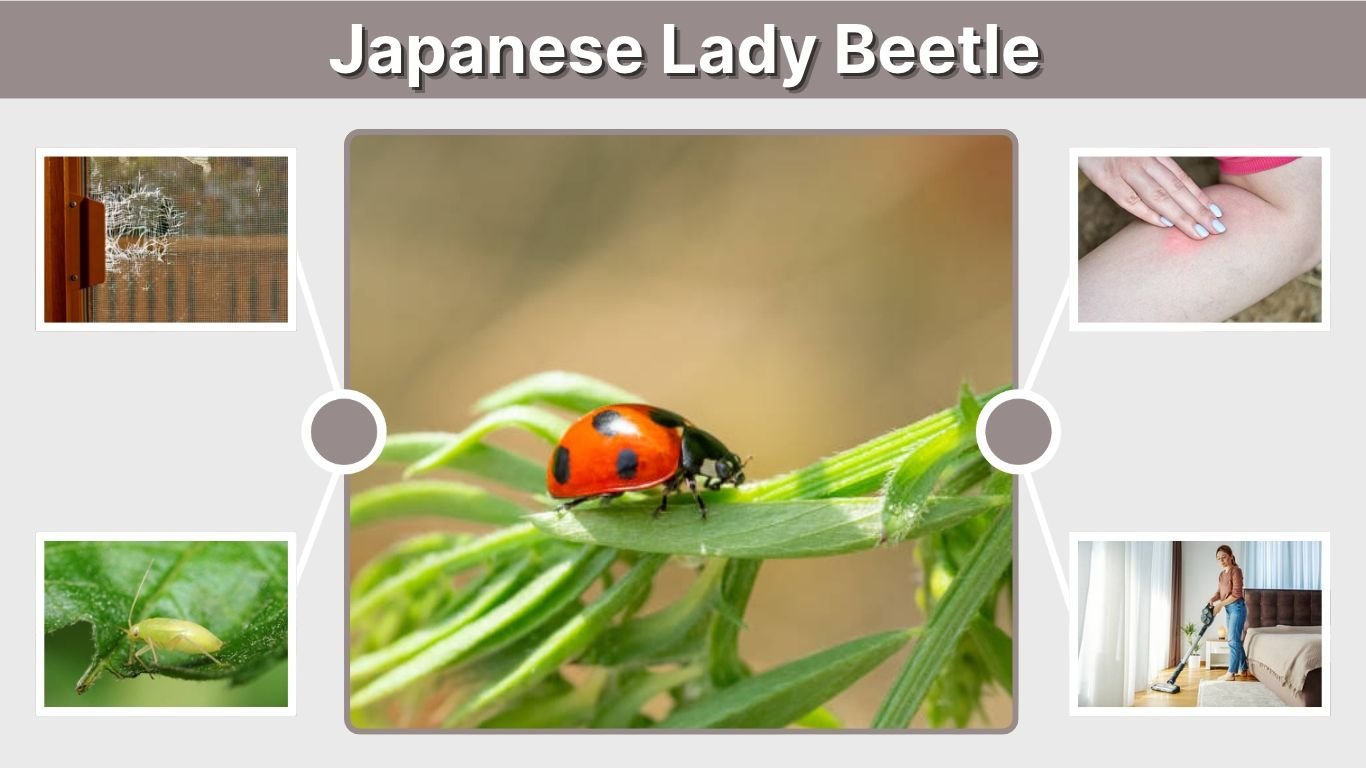
The Japanese lady beetle is a colorful insect commonly found in gardens, farms, and homes across the United States. Also known as the multicolored Asian lady beetle, this species looks similar to familiar ladybugs but has some distinctive characteristics. Although these beetles help control harmful garden pests, they sometimes become household nuisances during colder months. Many homeowners also wonder whether Japanese lady beetles bite, damage property, or threaten pets. Understanding their appearance, feeding habits, behavior, and effective removal methods can help you identify and manage these insects safely.
What Is a Japanese Lady Beetle?
The Japanese lady beetle (Harmonia axyridis) is a species of ladybug native to eastern Asia. It belongs to the family Coccinellidae and is commonly called the multicolored Asian lady beetle or harlequin ladybird.
These insects were introduced into parts of the United States for biological pest control. They are effective predators of aphids and other small insects but have also become an invasive species in many regions.
Japanese Lady Beetle Identification
Japanese lady beetles have several physical characteristics that help distinguish them from other ladybug species.
- Scientific Name: Harmonia axyridis
- Common Names: Japanese lady beetle, Asian lady beetle, harlequin ladybird
- Family: Coccinellidae
- Body Length: Approximately 6–10 mm
- Body Shape: Rounded, oval, and dome-shaped
- Body Color: Yellow, orange, red, or occasionally black
- Wing Spots: Variable, ranging from none to numerous dark spots
- Distinctive Marking: Often has a black M-shaped marking behind the head
Their coloration varies significantly. Some Japanese lady beetles are bright orange, while others appear deep red with black markings.
Japanese Lady Beetle vs. Ladybug: What’s the Difference?
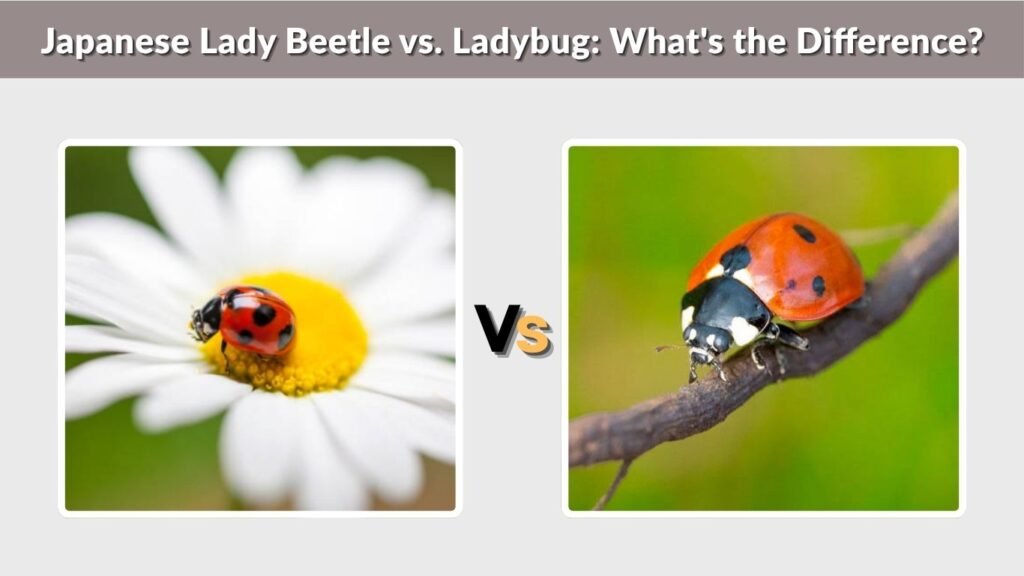
One common question is whether a Japanese lady beetle is the same as a ladybug.
Japanese lady beetles are actually ladybugs. However, they belong to a particular species that differs from many ladybugs native to North America.
Key Differences Between Japanese Lady Beetles and Other Ladybugs
The following features can help with identification:
| Feature | Japanese Lady Beetle | Other Ladybugs |
| Color | Yellow, orange, red, or black | Varies by species |
| Size | Usually 6–10 mm | Varies by species |
| Head Marking | Often black M-shaped mark | Different markings |
| Spots | Highly variable | Species-dependent |
| Biting | May occasionally pinch skin | Some species can also bite |
| Winter Behavior | Frequently enters buildings | Varies by species |
| Diet | Aphids and other soft-bodied insects | Often similar |
How to Identify Them Correctly
Look closely at the area immediately behind the beetle’s head. Japanese lady beetles frequently have a pale pronotum with a dark marking resembling the letter M or W.
However, this marking can vary, and color alone is not a reliable identification method.
Japanese Beetle vs. Ladybug: Are They the Same?
Japanese beetles and ladybugs are completely different groups of beetles, despite their similar common names.
The Japanese beetle (Popillia japonica) belongs to the scarab beetle family, while ladybugs belong to Coccinellidae.
Japanese Beetle vs. Japanese Lady Beetle
| Feature | Japanese Beetle | Japanese Lady Beetle |
| Scientific Name | Popillia japonica | Harmonia axyridis |
| Appearance | Metallic green and copper | Orange, red, yellow, or black |
| Body Shape | Oval and relatively elongated | Rounded and dome-shaped |
| Main Diet | Plant leaves and flowers | Aphids and small insects |
| Garden Impact | Damages plants | Usually controls pests |
| Indoor Infestation | Not typically a household overwintering pest | Frequently enters homes in fall |
Japanese beetles feed on roses, grapevines, and many other plants. Japanese lady beetles, by comparison, primarily hunt small insects that damage vegetation.
Do Japanese Lady Beetles Bite?

Japanese lady beetles can bite humans, but these incidents are usually minor.
Their mouthparts are designed for consuming small insects. Occasionally, they may pinch exposed skin, especially when handled or trapped against the body.
What Does a Japanese Lady Beetle Bite Look Like?
A Japanese lady beetle bite may produce mild temporary symptoms, including:
- A small red spot on the skin
- Slight discomfort or pinching
- Temporary itching
- Mild irritation around the affected area
- Occasionally, a small localized swelling
Most bites require little treatment. Washing the affected area with soap and water and applying a cool compress can relieve discomfort.
Seek medical attention if severe swelling, breathing difficulties, or other signs of a serious allergic reaction occur.
Are Japanese Lady Beetles Poisonous?
Japanese lady beetles are not venomous and are not generally dangerous to humans.
However, they release a yellowish defensive fluid when disturbed. This secretion has an unpleasant odor and can stain fabrics or surfaces.
Some people may also experience allergic symptoms when exposed to large numbers of beetles indoors.
What Do Japanese Lady Beetles Eat?

Japanese lady beetles are primarily predators that feed on other insects. Both adults and larvae actively hunt soft-bodied pests.
Common Foods of Japanese Lady Beetles
Their diet includes:
- Aphids
- Scale insects
- Psyllids
- Small insect eggs
- Other soft-bodied arthropods
- Occasionally, pollen or sugary plant material
Their appetite makes them useful biological control agents in agricultural fields, gardens, and orchards.
However, they may also consume other ladybug species or their immature stages, contributing to concerns about their ecological impact.
Japanese Lady Beetle Life Cycle and Lifespan
Japanese lady beetles undergo complete metamorphosis, passing through four developmental stages.
Their development depends on temperature, available food, and environmental conditions.
Four Stages of the Life Cycle
- Egg: Females deposit clusters of yellow eggs on leaves, often close to aphid colonies. Under suitable conditions, eggs hatch within several days.
- Larva: Young larvae have elongated, dark bodies covered with small spines. They actively consume aphids and develop through four larval stages.
- Pupa: Mature larvae attach themselves to leaves or other surfaces and transform into pupae. Adult features develop during this stage.
- Adult: Fully developed beetles emerge and continue feeding on insects. Adults reproduce during suitable seasons and may seek protected overwintering locations.
How Long Do Japanese Lady Beetles Live?
Japanese lady beetles may survive for several months or longer, depending on environmental conditions.
Adults can overwinter in protected locations, allowing them to survive periods of cold weather. Under particularly favorable conditions, some may live considerably longer than one year.
Why Do Japanese Lady Beetles Enter Houses?

Japanese lady beetles frequently enter buildings during autumn when temperatures begin to decline.
They search for sheltered places where they can survive winter. Warm, sunny exterior walls often attract large groups of these insects.
Common Entry Points
Japanese lady beetles can enter through several small openings:
- Cracks around windows and doors
- Damaged window screens
- Gaps around attic vents
- Openings near utility pipes
- Loose siding and exterior trim
- Spaces around rooflines
They may gather in attics, wall cavities, and window frames.
Although they do not normally reproduce inside homes or consume building materials, large numbers can become a nuisance.
How to Get Rid of Japanese Lady Beetles
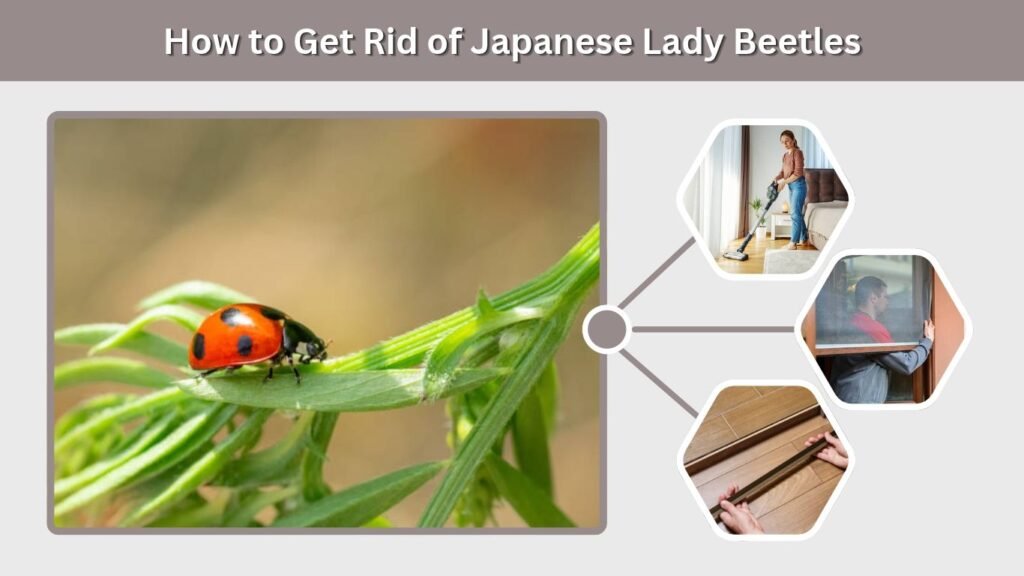
Getting rid of Japanese lady beetles requires removing existing insects and preventing others from entering.
Because they can release staining defensive fluids, crushing them against walls or furniture is not recommended.
Natural Ways to Remove Japanese Lady Beetles
Several practical methods can help manage indoor infestations.
- Vacuum Beetles: Use a vacuum cleaner to collect beetles from windows, walls, and ceilings. Empty the vacuum promptly.
- Seal Entry Points: Apply caulk around cracks, window frames, siding gaps, and other openings.
- Repair Window Screens: Replace damaged screens and ensure they fit securely.
- Install Door Sweeps: Block gaps beneath exterior doors to reduce insect entry.
- Remove Indoor Clusters: Carefully collect beetles rather than crushing them against surfaces.
- Inspect Attics: Examine roof vents and attic openings for potential entry routes.
Do Japanese Lady Beetle Traps Work?
Some light-based traps can collect beetles indoors, especially in enclosed spaces where insects gather near windows.
However, traps are not a complete solution because they do not prevent additional beetles from entering.
Sealing exterior openings before autumn is generally more effective for long-term prevention.
Should You Use Japanese Lady Beetle Spray?
Insecticide sprays are not usually necessary for occasional indoor beetles.
If severe seasonal infestations occur, appropriately labeled exterior treatments may sometimes be considered before beetles begin entering.
Avoid unnecessary indoor spraying, particularly around food, children, and pets. Follow pesticide label instructions or consult a qualified pest management professional.
Are Japanese Lady Beetles Invasive?
Japanese lady beetles are considered invasive in parts of North America and Europe because they originated in Asia and have spread beyond their native range.
They can compete with native ladybug species for food and may consume their eggs or larvae.
Despite these concerns, Japanese lady beetles also provide valuable pest-control services by consuming aphids.
Their presence creates a complicated ecological situation: they can benefit agriculture while potentially affecting native insect populations.
FAQs
1. Are Japanese lady beetles harmful to humans?
Japanese lady beetles are generally harmless to humans, although they can occasionally pinch skin and cause mild irritation. Their defensive secretions may produce unpleasant odors or stains. Large indoor populations can also trigger allergic symptoms in some sensitive individuals.
2. How do you keep Japanese lady beetles away from your house?
The most effective prevention method is sealing gaps around doors, windows, siding, and attic vents before autumn. Repair damaged screens and install door sweeps. Vacuum beetles that enter rather than crushing them or relying on unproven repellents.
3. Do Japanese lady beetles eat aphids?
Yes, Japanese lady beetles feed heavily on aphids and other soft-bodied insects. Both adults and larvae are effective predators. Their feeding behavior makes them useful in gardens and agricultural fields, although their spread can also affect native ladybug populations.
4. Can Japanese lady beetles hurt dogs?
Japanese lady beetles are generally not dangerous to dogs, but their defensive secretions may irritate a pet’s mouth. Rarely, multiple beetles can become trapped against the oral tissues. Contact a veterinarian if your dog develops drooling, discomfort, or difficulty eating.
5. Are Japanese lady beetles and Japanese beetles the same insect?
No. Japanese lady beetles are predators belonging to the ladybug family, while Japanese beetles are scarab beetles that feed on plants. Japanese beetles have metallic green bodies and copper-colored wing covers, making them visually different from typical Japanese lady beetles.