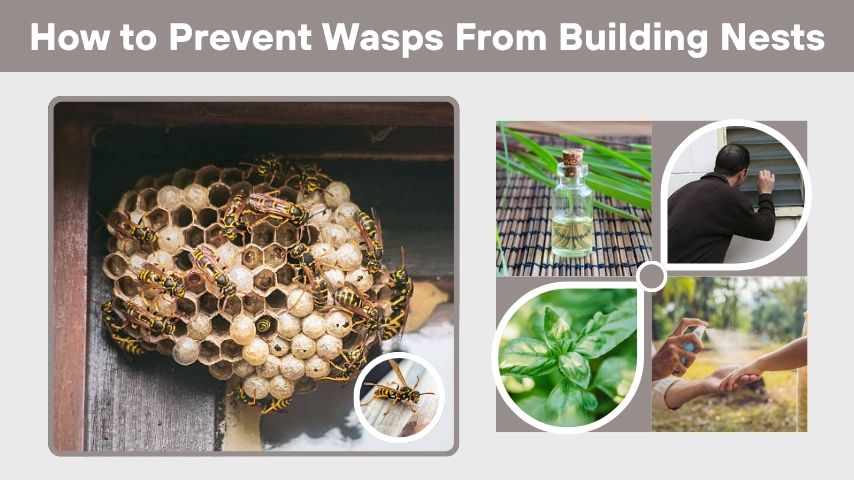
Wasps often build nests around homes, porches, decks, and attics because these areas provide shelter and easy access to food. While a small nest may seem harmless at first, colonies can grow quickly and become dangerous for families and pets. Preventing nests early is much easier and safer than removing a large active colony later.
There are many simple ways to stop wasps from nesting around your property. Regular cleaning, sealing entry points, using natural repellents, and inspecting common nesting spots can greatly reduce the chances of wasps returning year after year.
Why Wasps Build Nests Near Homes
Wasps look for safe and protected areas where they can build colonies without disturbance. Homes, sheds, porches, and decks provide excellent shelter from rain, predators, and strong wind. If food and water are nearby, wasps are even more likely to settle around the property.
Common Reasons Wasps Choose Your Property
- Easy access to food
- Warm sheltered spaces
- Nearby water sources
- Quiet nesting areas
- Outdoor trash and spills
Most Common Nesting Locations
Wasps commonly build nests in hidden or protected spaces around homes. Popular nesting spots include behind shutters, under decks, inside attics, roof edges, birdhouses, garages, and porch ceilings. Some species also build nests inside wall gaps and unused exhaust pipes.
Types of Wasps Around Homes
Paper wasps, yellow jackets, and hornets are among the most common species found near houses. Paper wasps often build umbrella-shaped nests under roof edges, while yellow jackets may nest underground or inside walls. Hornets usually create larger hanging nests in trees or roof areas.
How to Prevent Wasps From Building Nests
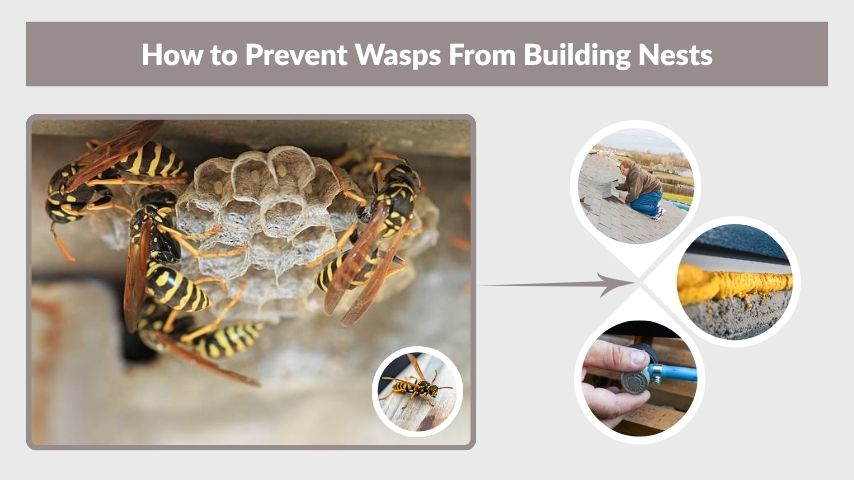
Preventing wasp nests requires regular maintenance and early action. Small starter nests are much easier to remove before colonies grow larger. Keeping outdoor spaces clean and reducing attractive nesting areas can discourage wasps from settling near your home.
Seal Entry Points Around the House
- Repair damaged siding
- Seal cracks and gaps
- Cover attic vents
- Fix torn window screens
- Close openings near pipes
Keep Outdoor Areas Clean
Food sources attract wasps quickly, especially during warm months. Outdoor grills, sugary drinks, uncovered trash cans, and pet food can encourage nesting activity. Cleaning spills immediately and keeping trash containers tightly sealed can help reduce wasp visits around the home.
Remove Early Wasp Nests Quickly
Small nests often appear during spring when queen wasps begin building colonies. Removing these tiny starter nests early can prevent major infestations later in the season. It is safest to remove nests during cool evenings when wasps are less active.
Use Wasp-Repelling Scents
Some natural scents may help discourage wasps from nesting around outdoor spaces. Peppermint oil, vinegar sprays, citronella, and clove oil are commonly used as natural repellents. These scents should be reapplied regularly for the best results.
How to Prevent Wasps on Porches and Decks
Porches and decks are popular nesting areas because they provide shade, shelter, and structural corners where nests can easily attach. Regular inspections and maintenance are important for stopping colonies before they grow larger.
Prevent Wasps From Nesting on Porches
- Check ceiling corners weekly
- Remove spider webs and debris
- Limit bright porch lights
- Use hanging decoy nests
- Spray natural repellents
How to Stop Wasps Under Decks
Open spaces beneath decks create protected nesting spots for wasps and hornets. Installing mesh screening around the deck can block access to these areas. Keeping the space clean and dry also helps make the environment less attractive for nesting.
Best Outdoor Wasp Deterrents
Outdoor fans can discourage wasps because the insects struggle to fly in strong airflow. Some homeowners also use fake nests to make wasps believe another colony already controls the area. Combining several prevention methods usually works better than relying on one solution alone.
How to Prevent Wasps Behind Shutters and Siding
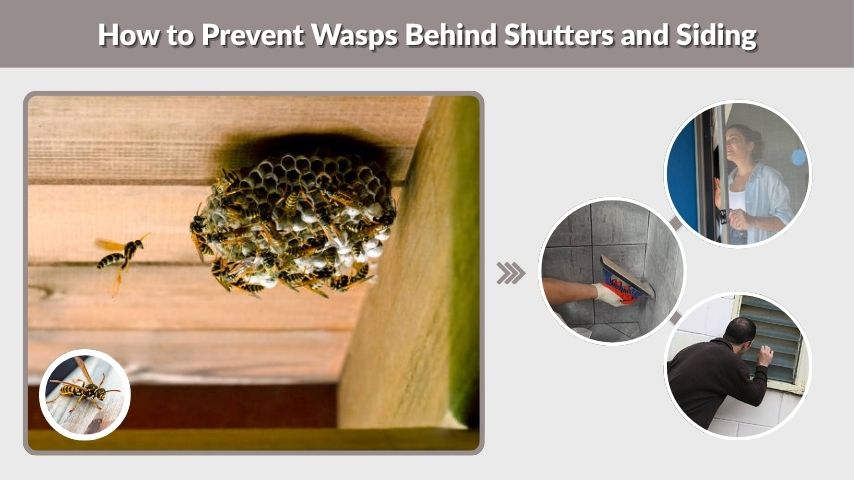
Hidden spaces behind shutters and siding provide warm, protected areas where wasps can safely build nests. These locations are often difficult to notice until colonies become larger. Regular inspections during spring and summer can help identify early nesting activity before it becomes a serious problem.
Why Wasps Like Shutters and Siding
Wasps prefer sheltered spaces that protect them from predators and bad weather. The narrow gaps behind shutters and siding offer warmth, shade, and reduced disturbance, making them ideal nesting locations.
Ways to Prevent Nesting Behind Shutters
- Seal small openings
- Use exterior caulk
- Install mesh barriers
- Inspect shutters regularly
- Repair loose siding
Signs of Hidden Wasp Activity
Buzzing sounds near walls, frequent wasp movement around windows, and visible nest material near cracks are common signs of hidden nests. Detecting activity early can help prevent large infestations later in the season.
How to Prevent Wasps in Birdhouses and Attics
Birdhouses and attics are common nesting spots because they provide warmth, dryness, and protection from predators. Wasps can quickly build colonies in these enclosed spaces if they are not inspected regularly. Preventing access early in the season is one of the best ways to stop nests before they become difficult to remove.
Prevent Wasps in Birdhouses
- Clean birdhouses regularly
- Remove abandoned nests
- Install proper ventilation
- Seal unnecessary openings
- Inspect before spring nesting season
Prevent Wasps in Attics
Attics often contain dark and quiet areas where wasps can build nests safely. Sealing vents, repairing roof damage, and reducing moisture can make attics less attractive. Regular inspections around roof edges and insulation areas can also help detect small starter nests early.
Why Wasps Choose Enclosed Spaces
Enclosed spaces provide stable temperatures and protection from wind and rain. These sheltered conditions help queen wasps safely start colonies during spring. Once workers hatch, the nest can grow rapidly if the area remains undisturbed.
Natural Ways to Prevent Wasp Nests
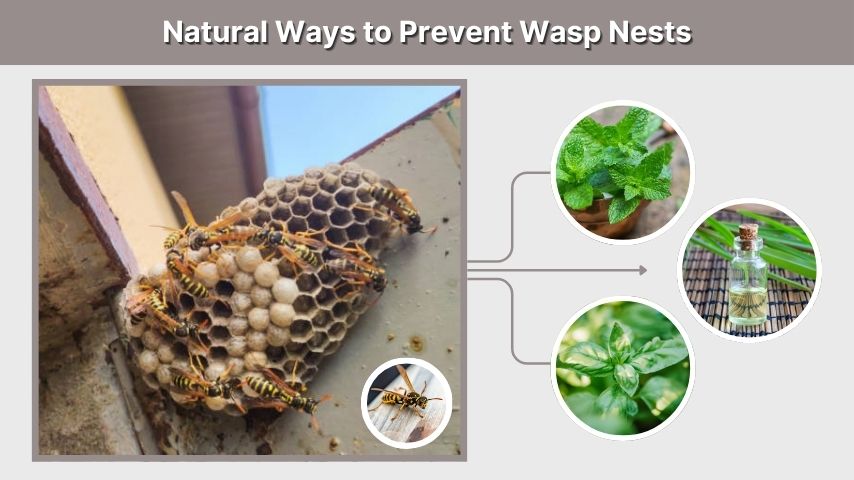
Many homeowners prefer natural prevention methods because they avoid strong chemicals around pets, children, and gardens. While natural deterrents may not completely eliminate wasps, they can help reduce nesting activity when used consistently with regular cleaning and inspections.
Plants That May Repel Wasps
- Mint
- Basil
- Citronella
- Eucalyptus
- Wormwood
Do Brown Bags Prevent Wasp Nests?
Some people hang brown paper bags near porches because they resemble old wasp nests. The idea is that territorial wasps may avoid areas already occupied by another colony. While this method may help in some cases, it is usually more effective when combined with other prevention techniques.
Homemade Wasp Repellent Sprays
Homemade sprays made with peppermint oil, vinegar, or soap are commonly used around windows, porches, and decks. These sprays may discourage wasps from landing and starting nests in treated areas. Reapplying the spray regularly is important, especially after rain.
Keeping Your Yard Less Attractive to Wasps
Reducing standing water, trimming bushes, and removing fallen fruit can make your yard less appealing to wasps. Outdoor food and sugary drinks should also be covered to avoid attracting insects near the home.
How to Prevent Wasps From Returning
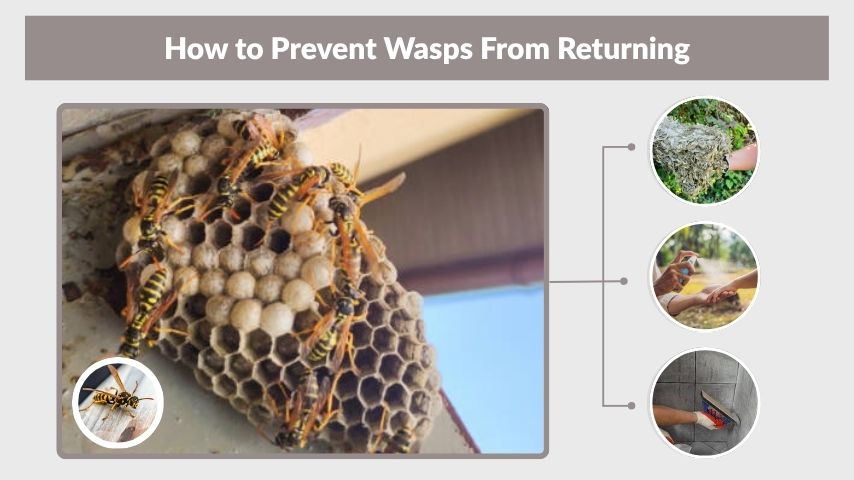
Even after removing a nest, wasps may return if the area still provides shelter and food. Long-term prevention focuses on changing the environment so nesting becomes less attractive. Consistent inspections and cleaning are important for stopping repeat infestations.
Why Wasps Rebuild in the Same Area
Wasps often return to places that previously provided safe shelter and good nesting conditions. Roof corners, decks, and shutters may continue attracting queens year after year if they are not properly cleaned or sealed.
Steps to Prevent Rebuilding
- Remove old nests completely
- Wash nesting surfaces
- Apply natural repellents
- Inspect weekly during spring
- Seal cracks and openings
When to Call Pest Control
Professional pest control may be necessary for large nests, aggressive hornets, or hidden infestations inside walls and attics. Experts have specialized equipment and safer treatment methods for handling difficult wasp problems.
Common Wasp Prevention Mistakes
Many homeowners accidentally encourage wasps by ignoring small nests or leaving food sources outdoors. Understanding these common mistakes can help reduce the chances of future infestations around the home.
Leaving Food Outdoors
Sugary drinks, pet food, uncovered garbage, and outdoor cooking areas attract wasps searching for food. Cleaning outdoor eating spaces regularly can greatly reduce insect activity.
Ignoring Small Starter Nests
Small spring nests may seem harmless, but they can grow quickly once worker wasps appear. Early removal is usually much safer than waiting until the colony becomes large and aggressive.
Using Unsafe DIY Methods
Burning nests, using gasoline, or spraying nests during the daytime can be extremely dangerous. These methods may cause aggressive swarming and increase the risk of painful stings.
FAQs
What keeps wasps from building nests?
Regular cleaning, sealing cracks, removing food sources, and using natural repellents like peppermint oil can help prevent wasps from building nests. Early inspections during spring are also important because small starter nests are easier to remove.
How do I stop wasps from nesting under my deck?
Installing mesh screening, removing debris, improving airflow, and reducing moisture can make the area less attractive to wasps. Regular inspections under the deck also help detect nests before they grow larger.
Do fake nests prevent wasps?
Fake or decoy nests may discourage some wasps because many species are territorial and avoid nesting near another colony. However, decoy nests work best when combined with cleaning and other prevention methods.
What smell do wasps hate most?
Wasps are often repelled by strong scents such as peppermint oil, citronella, clove oil, eucalyptus, and vinegar. These natural smells may help discourage nesting around windows, porches, and outdoor seating areas.
Why do wasps keep coming back to my house?
Wasps usually return because the area provides shelter, food, water, and safe nesting spaces. Old nests, wall gaps, outdoor trash, and protected roof corners can continue attracting queens each nesting season.